Rock to product, traced
The Materials Atlas
Materials Mines & deposits Processing & refining Custody journeys Supply chains Companies Countries News
Materials by shelf Battery Materials Rare Earth Elements Copper & Electrical Semiconductor Materials Nuclear Materials Aerospace & Defence Precious Metals Steel & Alloy Metals Industrial Minerals Agricultural Minerals Energy Raw Materials Ore minerals Periodic table
Demand End markets Technologies Material calculator Maps Screener
Learn & tools LearnGlossary Ask the DataAI agents Research & dataAPI ★ Saved
About About usMethodology Data sourcesContact Disclaimer
Reading options
🧭 Guided View New to this — ore grades, concentrate, refining, by-products? We explain every term as you browse, in plain English. Same data, with the help built in.
⚡ Expert View You already know the industry. Just the data — clean, fast and compact, with no extra explanations. This is the default view.
Theme
Interface language
Depth Material pages are written at four levels. Pick one on any material page and it is remembered.
★ Saved Research & data
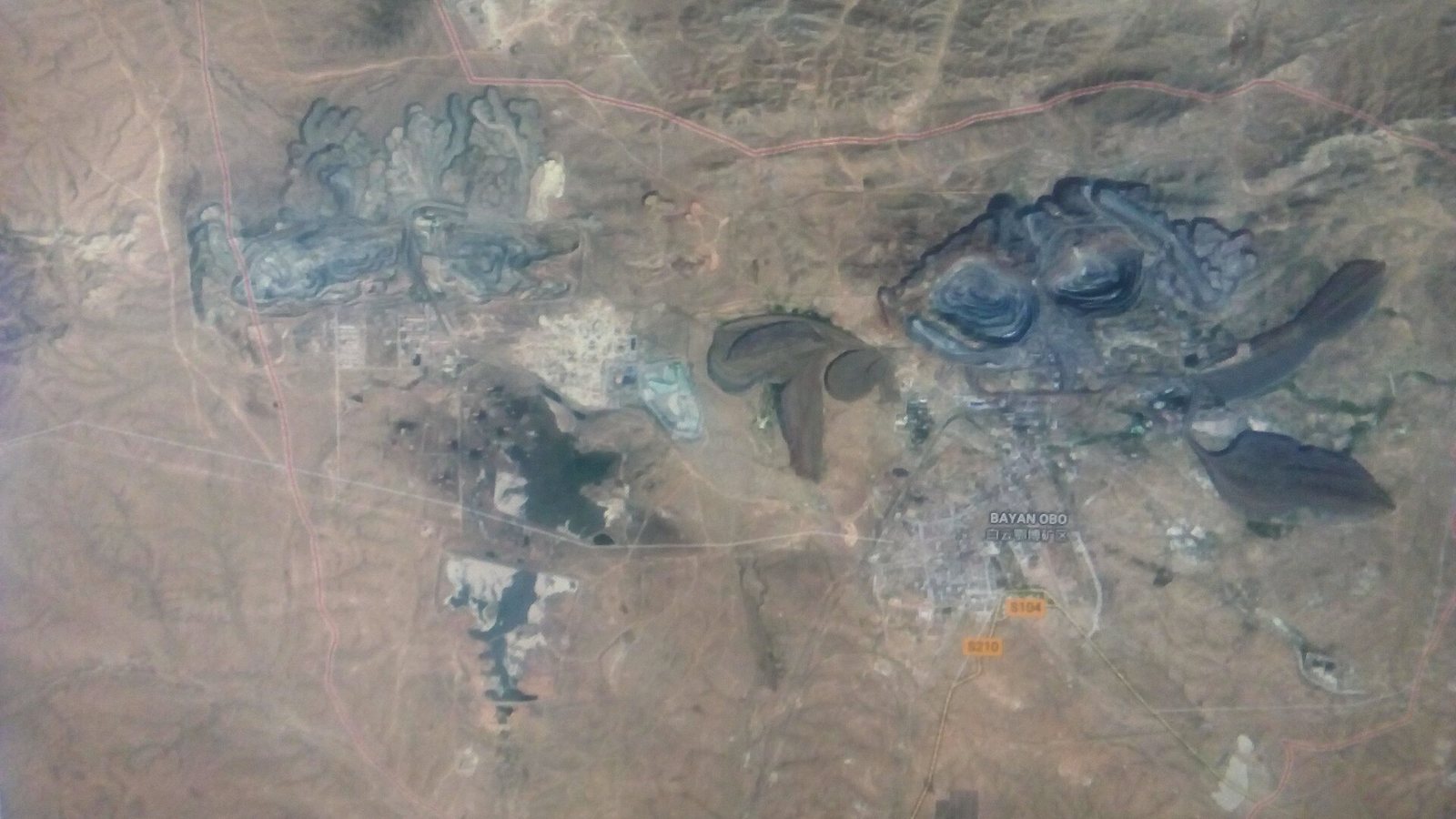
Bayan Obo

China · Asia

Bayan Obo

The largest rare-earth deposit in the world.

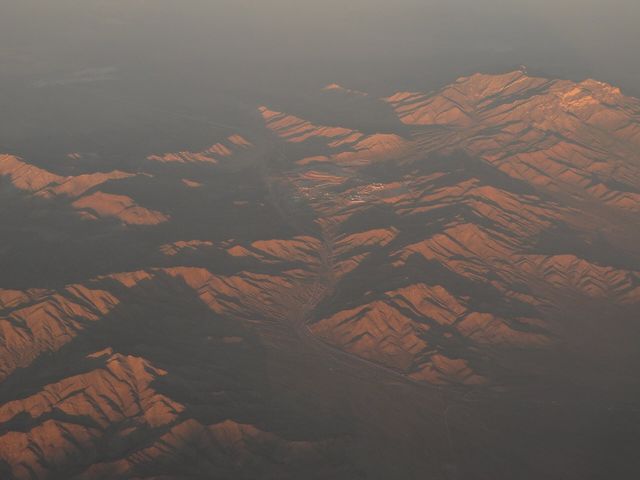
Bayan Obo · Squishyhippie · CC BY-SA 4.0 · Wikimedia Commons

What this place is

Bayan Obo is the single most consequential orebody in the rare-earth story. It was opened as an iron mine, and the rare earths were treated as a nuisance for decades before they became the point.

Grade. Rare earths are recovered alongside iron ore; the REE grade is high by world standards.
A carbonatite, in cross-section
weathered cap — the highest grade partly weathered carbonatite fresh carbonatite pipe country rock, altered near the contact surfacedepth
A rare kind of magma made mostly of carbonate rather than silicate rises as a near-vertical pipe from deep in the mantle. It carries rare earths, niobium and phosphate with it. Where the top of the pipe has been weathered, the ore is already concentrated before anyone touches it. Schematic. Pipes are typically 1–5 km across at surface and continue for kilometres down. Original diagram, The Materials Atlas.
“Grade” is the percentage of the useful stuff in the rock. A copper mine at 0.5% grade throws away 199 tonnes of rock for every tonne of copper it sells. That single number decides whether an orebody is a mine or just an interesting piece of geology.

What comes out

A “by-product” is a metal recovered because it happens to be in the same rock, not because anyone went looking for it. Its supply therefore follows the primary metal’s economics, not its own.

Materials

All materials Critical minerals Rare earths Battery materials Ore minerals Periodic table Screener

The ground

Mines & deposits Processing & refining Countries Maps

The economy

Custody journeys Supply chains End markets Technologies Companies Material calculator

Learn

LearnGlossary Ask the DataAI agents Research & dataOpen API News★ Saved

About us

About usContact MethodologyData sources Editorial policy Privacy policyTerms of use Disclaimer