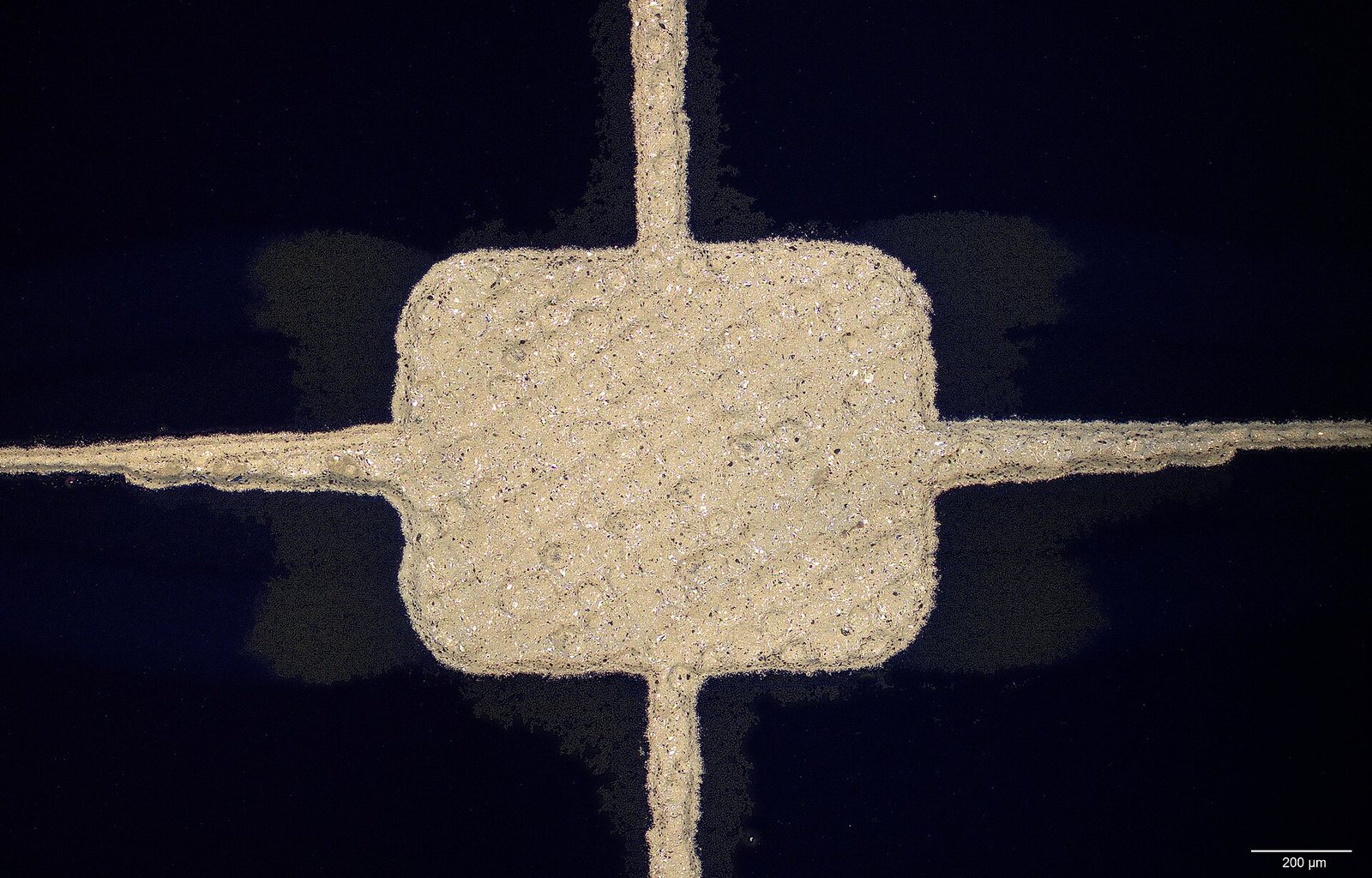
What it is
Silver use per cell has fallen by roughly two-thirds over a decade through thinner printed lines, and it is still the largest single industrial use of silver.
The material bill
Scale it up →Quantities are per MW of capacityindicative range
| Material | Low | High | Unit | Basis |
|---|---|---|---|---|
| Aluminium critical | 5,000 | 9,000 | kg | Frames and mounting |
| Copper critical | 2,000 | 4,000 | kg | Wiring, ribbon and inverter |
| Silicon critical | 2,500 | 4,000 | kg | Polysilicon in the wafers |
| Soda Ash | 1,000 | 2,500 | kg | Cover glass |
| Silver critical Falling with every generation of cell design. | 8.00 | 20.00 | kg | Front-contact paste |
Indicative range compiled from published technology studies and chemistry; verify against a manufacturer specification before use. Rows marked “trace” contain the material in quantities too small to state usefully as a mass — the constraint there is purity or supplier count, not tonnage.
The alternatives
Substitution is the most underrated force in materials. When a metal gets expensive or politically difficult, engineers design around it — and demand for a whole mine can evaporate.

Cadmium Telluride Thin-Film Module
A solar panel a few microns thick, using no silicon at all.
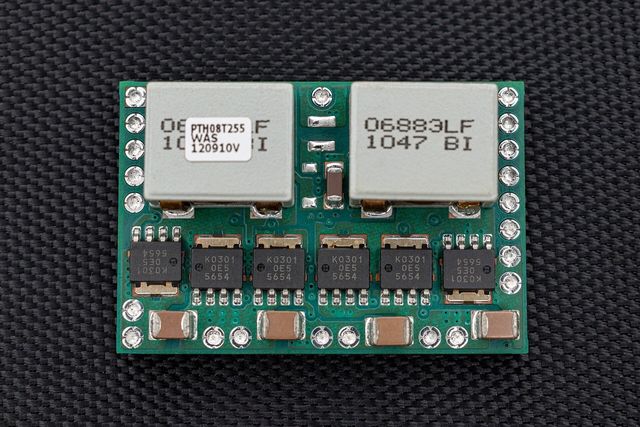
Gallium Nitride Power Device
A switch that turns on and off far faster than silicon, so power supplies can shrink.
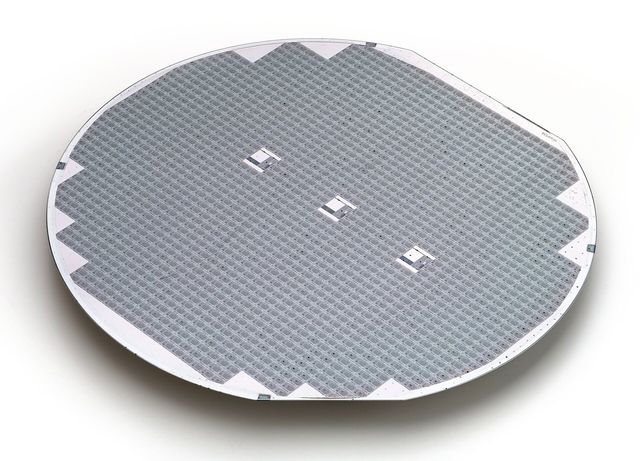
Leading-Edge Logic Chip
The most advanced processors, built on wafers that pass through hundreds of process steps.