Course
Copper, Rock to Cathode to Grid
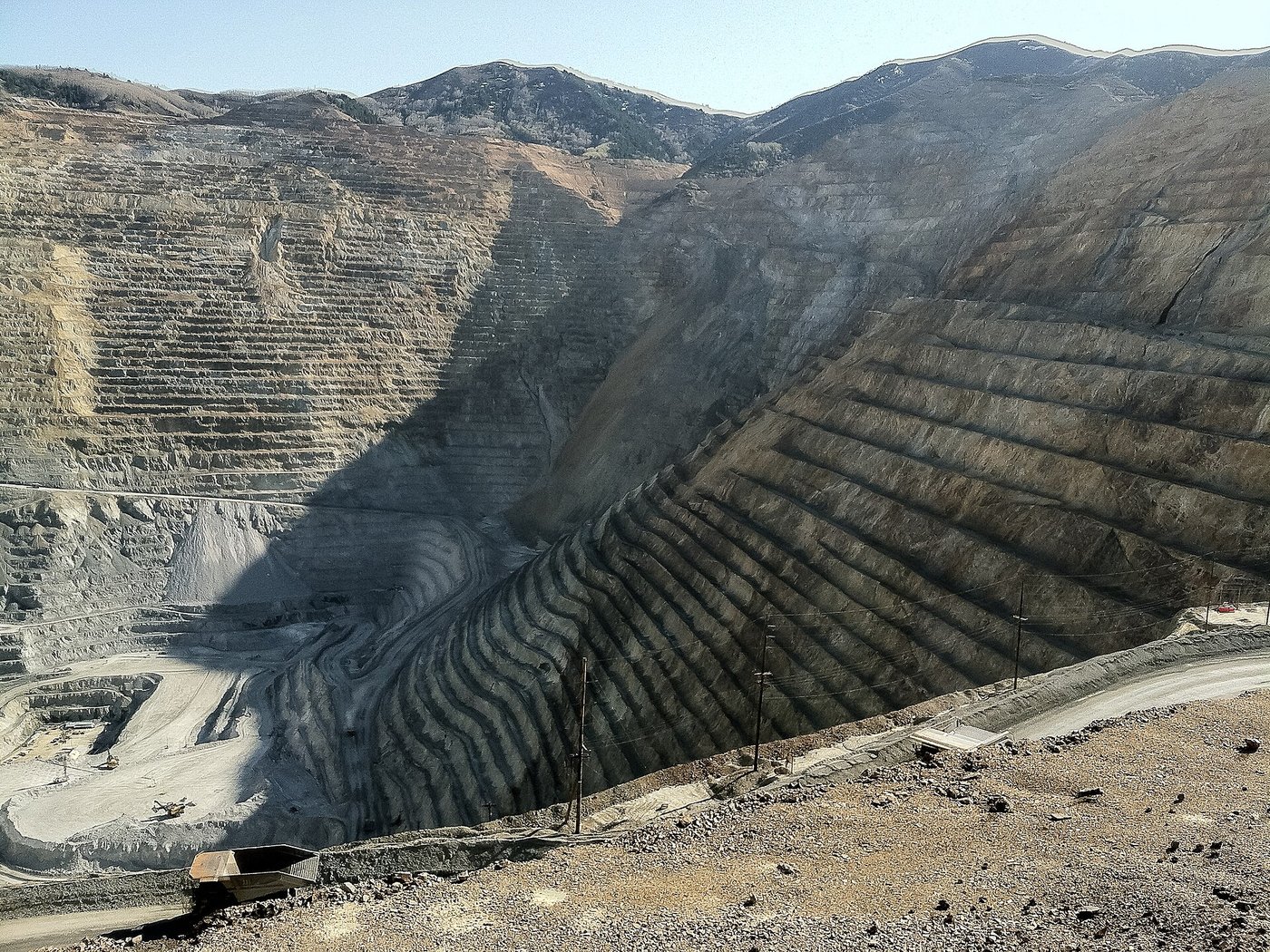
Rock that is under one per cent metal becomes wire that is 99.99% metal. Every step in between, who does it, and why the hard part is not the mining.
The short version
Copper's chain is a purification story. The ore is under one per cent metal and the finished product is 99.99%, and essentially all of the value added between them is the cost of removing everything that is not copper. The geography of that removal is not the geography of the mines: the mines are in the Andes and central Africa, and roughly half of the world's refined copper is produced in one country. That gap is the whole story.
Readers who want the full chain behind the copper to the grid diagram: analysts, engineers moving between stages, policy and procurement staff trying to work out where an electrification programme's copper actually comes from, and anyone who has read that porphyry deposits are low grade and wants to know what follows from that.
By the end you should be able to- Explain why copper deposits are enormous and low grade, and what that forces about how they are mined.
- Follow a tonne of ore through crushing, flotation, smelting and electrorefining, and say what leaves at each step.
- Say why the oxide and sulfide routes produce the same cathode but not the same economics.
- Explain treatment and refining charges, and why smelting rather than mining is copper's narrow link.
- Read USGS mine and refinery production tables without double-counting them.
- Describe how scrap enters the chain, at which points, and what the grade names mean.
Contents
01The metal and the rockWhat copper is bought for, how nature concentrated it, and what a grade figure commits a mine to.
02Mining and concentratingMoving enormous quantities of rock, and turning under one per cent copper into thirty per cent copper.
03Smelting, refining and the narrow linkWhere the last few per cent of impurity are removed, where the precious metals come out, and why this stage - not mining - is where copper's geography concentrates.
04From cathode to the thing you can buyWhat happens to a plate of refined copper, and who is competing for it.
05Scrap, price and failureThe loop back into the chain, how a cathode gets a price, and which links actually break.
- USGS, Mineral Commodity Summaries - coppermine production, refinery production and reserves
- This site's copper material pagethe same USGS tables, with the withholding notes intact
- IMF primary commodity prices, via FREDthe grade A cathode annual averages this site publishes
- London Metal ExchangeGrade A specification, warehousing and the cash contract
- ISRI / ReMA scrap specificationsthe grade names the scrap trade actually transacts on
- International Copper Study Groupworld balances, smelter capacity and secondary supply
Educational content only. Nothing in this course is investment, trading, tax or legal advice, a recommendation to buy or sell any commodity, contract or security, or a valuation of any asset. Figures are stated with their reference period and source and are indicative of scale rather than live market quotations; where a range is given, real cases fall outside it. Drafted with AI assistance and editorially reviewed, per the editorial policy. Photographs: 12 from Wikimedia Commons and 2 licensed from Adobe Stock, each credited to its author and licence beneath the picture it appears with.