
Pourquoi c'est important pour les matériaux
Crops take nitrogen, phosphorus and potassium out of soil and those atoms have to be put back. Two of the three are mined; the third is pulled from the air using natural gas. Fertiliser is where geology and hunger meet.
De quoi c'est composé
Tous les matériaux →| Matériau | Ce qu'il fait ici | Importance |
|---|---|---|
| Natural Gas | Hydrogen feedstock for ammonia | Définition de |
| Nitrogen (Ammonia) | The N in NPK | Définition de |
| Phosphate Rock critique | The P in NPK | Définition de |
| Potash critique | The K in NPK | Définition de |
| Sulfur | Sulfuric acid to make phosphate fertiliser | Définition de |
| Boron critique | Crop micronutrient | Important |
| Lime | Soil pH correction | Important |
| Zinc critique | Crop micronutrient | Important |
| Selenium | Livestock feed supplement | Présent |
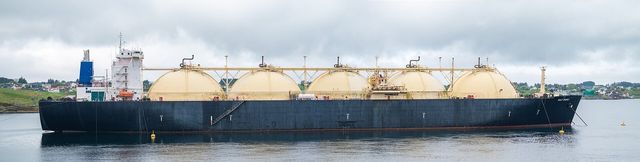
Natural Gas
Mostly methane, the lightest hydrocarbon, and the source of nearly all the hydrogen used by industry today.
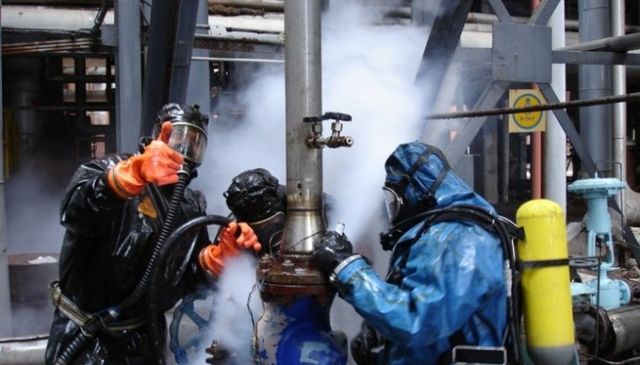
Nitrogen (Ammonia)
Nitrogen pulled out of the air and joined to hydrogen under pressure — the invention that roughly doubled how many…
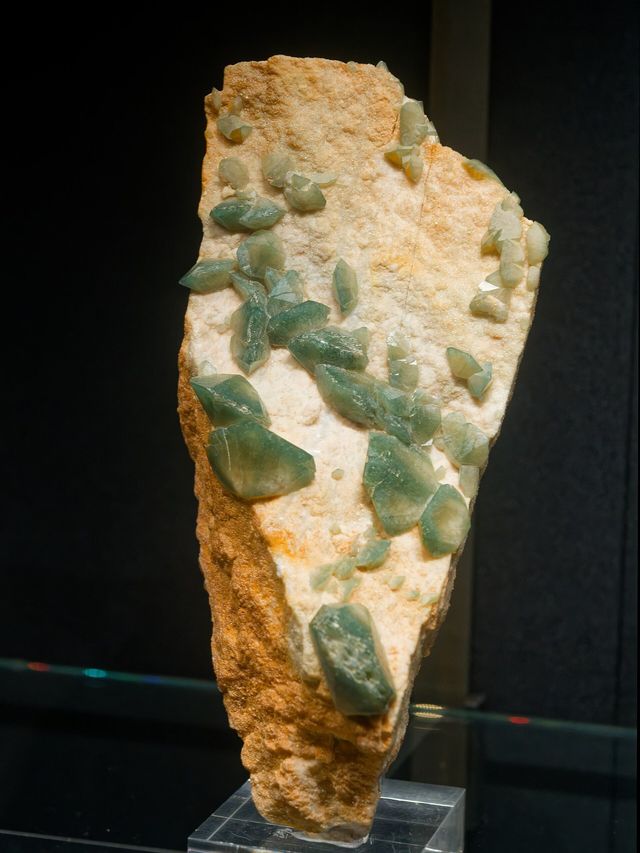
Phosphate Rock
Rock full of the element phosphorus — the P in fertiliser, and now the P in the LFP batteries used in most new…
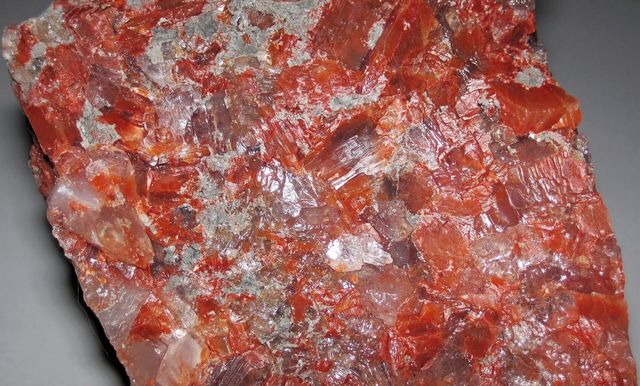
Potash
Potassium salts mined from ancient dried-up seas — the K in NPK fertiliser, which plants need to move water and…
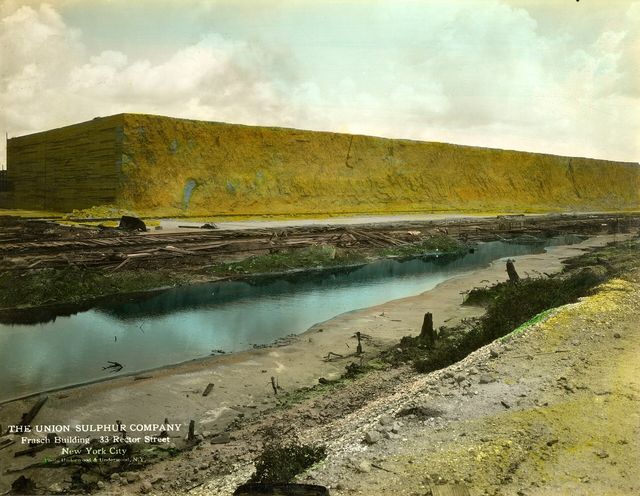
Sulfur
A yellow element stripped out of oil and gas to stop it polluting, then turned into sulfuric acid — the most-produced…
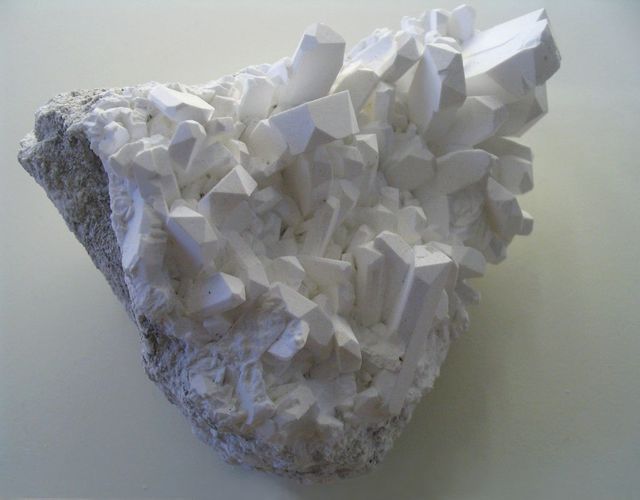
Boron
An element that makes glass resist thermal shock, fibreglass strong, and — with iron and neodymium — the strongest…