Por qué importa para los materiales
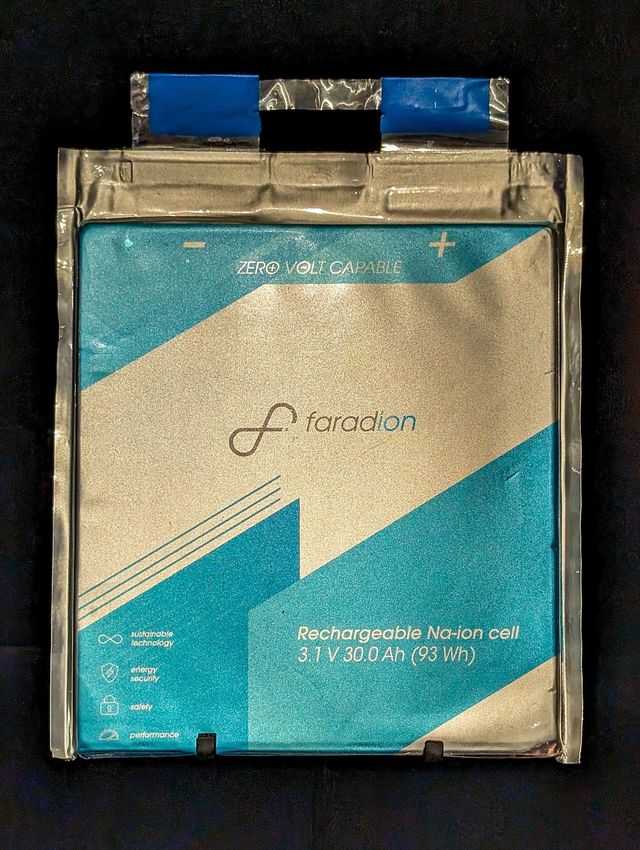
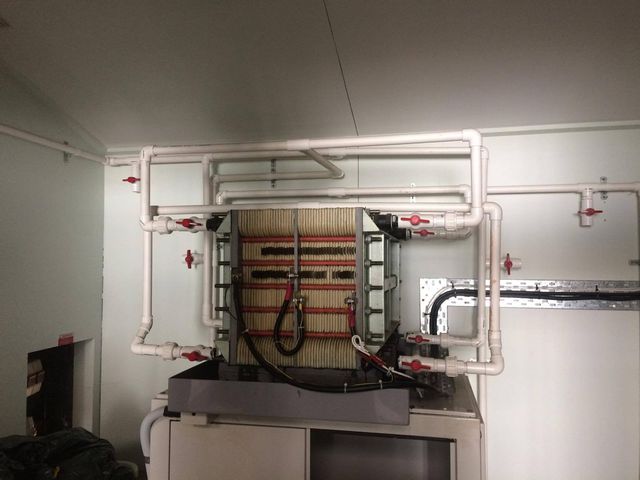
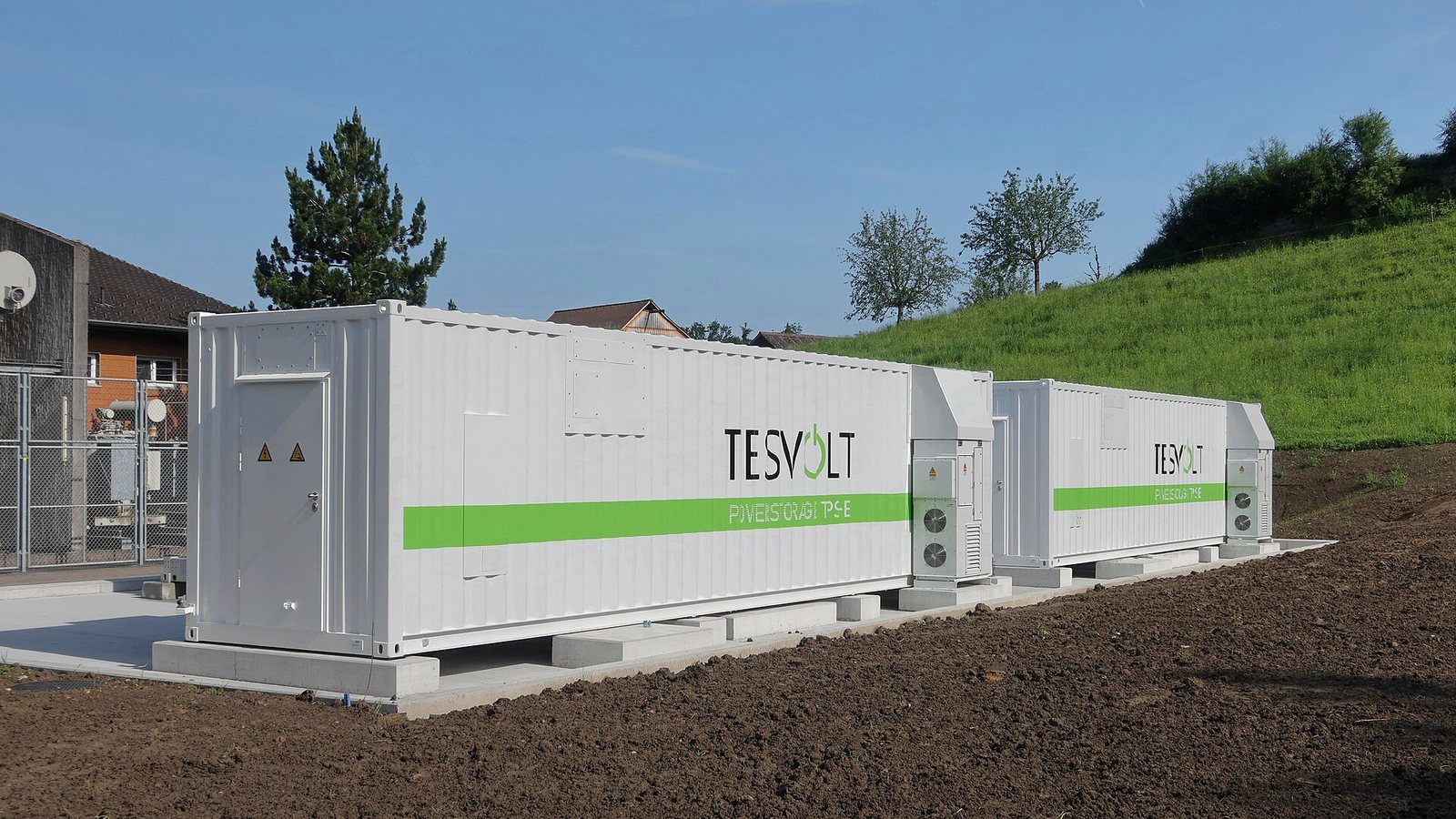
Because a grid battery does not have to be light, it can use chemistries a car cannot: iron phosphate, sodium-ion, vanadium flow, even iron-air. Each choice moves demand to a different mine.
De qué está compuesto
Todos los materiales →| Material | Lo que hace aquí | Importancia |
|---|---|---|
| Copper crítico | Collectors and connection | Definición de |
| Graphite crítico | Anode | Definición de |
| Lithium crítico | Lithium-ion systems | Definición de |
| Phosphate Rock crítico | LFP cathode | Definición de |
| Vanadium crítico | Redox flow electrolyte | Definición de |
| Aluminium crítico | Enclosures and collectors | Importante |
| Iron Ore | Iron-air and iron-based chemistries | Importante |
| Manganese crítico | Manganese-based cathodes | Importante |
| Salt | Sodium-ion cathode and electrolyte | Importante |
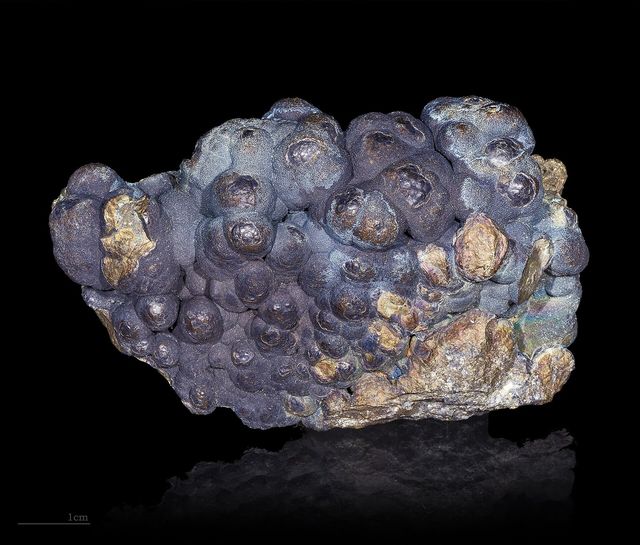
Copper
The reddish metal that carries electricity better than anything except silver, and which humans have been smelting…
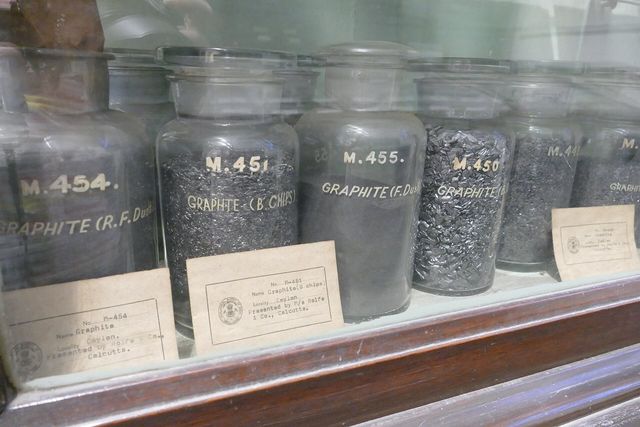
Graphite
Pure carbon in soft, slippery sheets — the same stuff as pencil lead — and the material that holds the lithium when a…
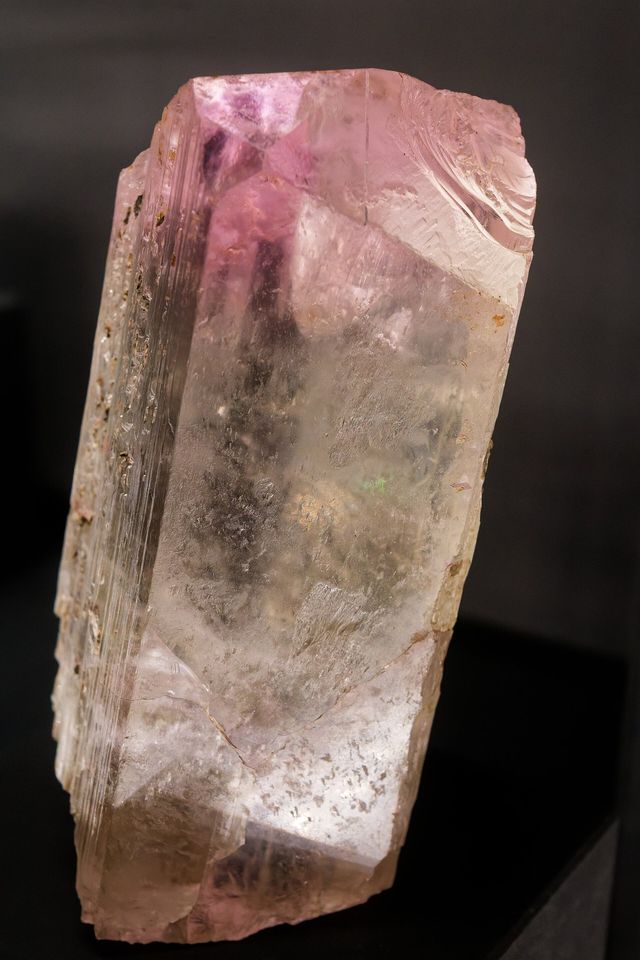
Lithium
A soft, silvery metal so light it floats on water, and the element that lets a rechargeable battery store a lot of…
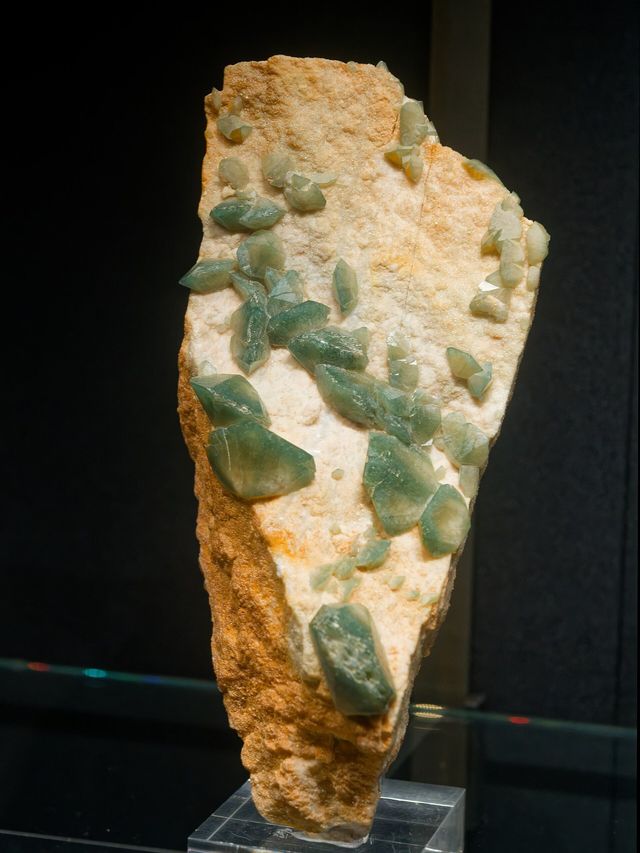
Phosphate Rock
Rock full of the element phosphorus — the P in fertiliser, and now the P in the LFP batteries used in most new…
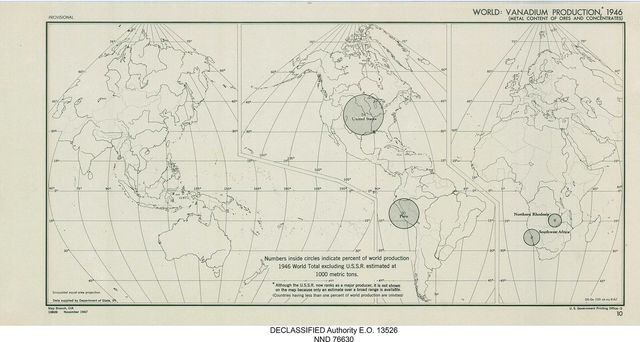
Vanadium
A metal that makes rebar dramatically stronger in tiny doses, and that can also store electricity dissolved in a tank…
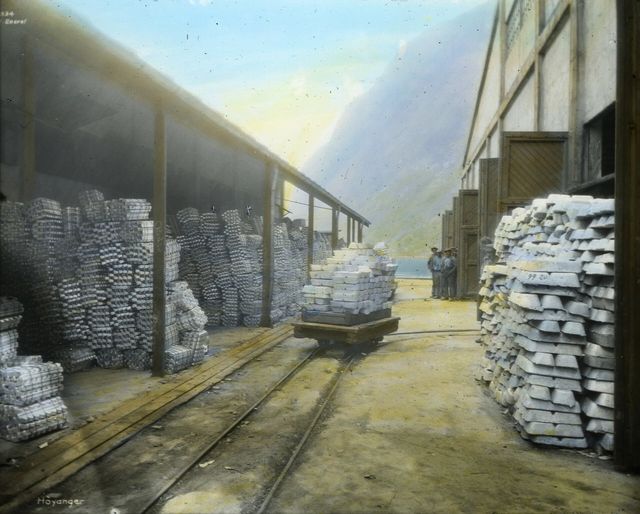
Aluminium
A light silvery metal made by passing an enormous electric current through dissolved bauxite — which is why people…