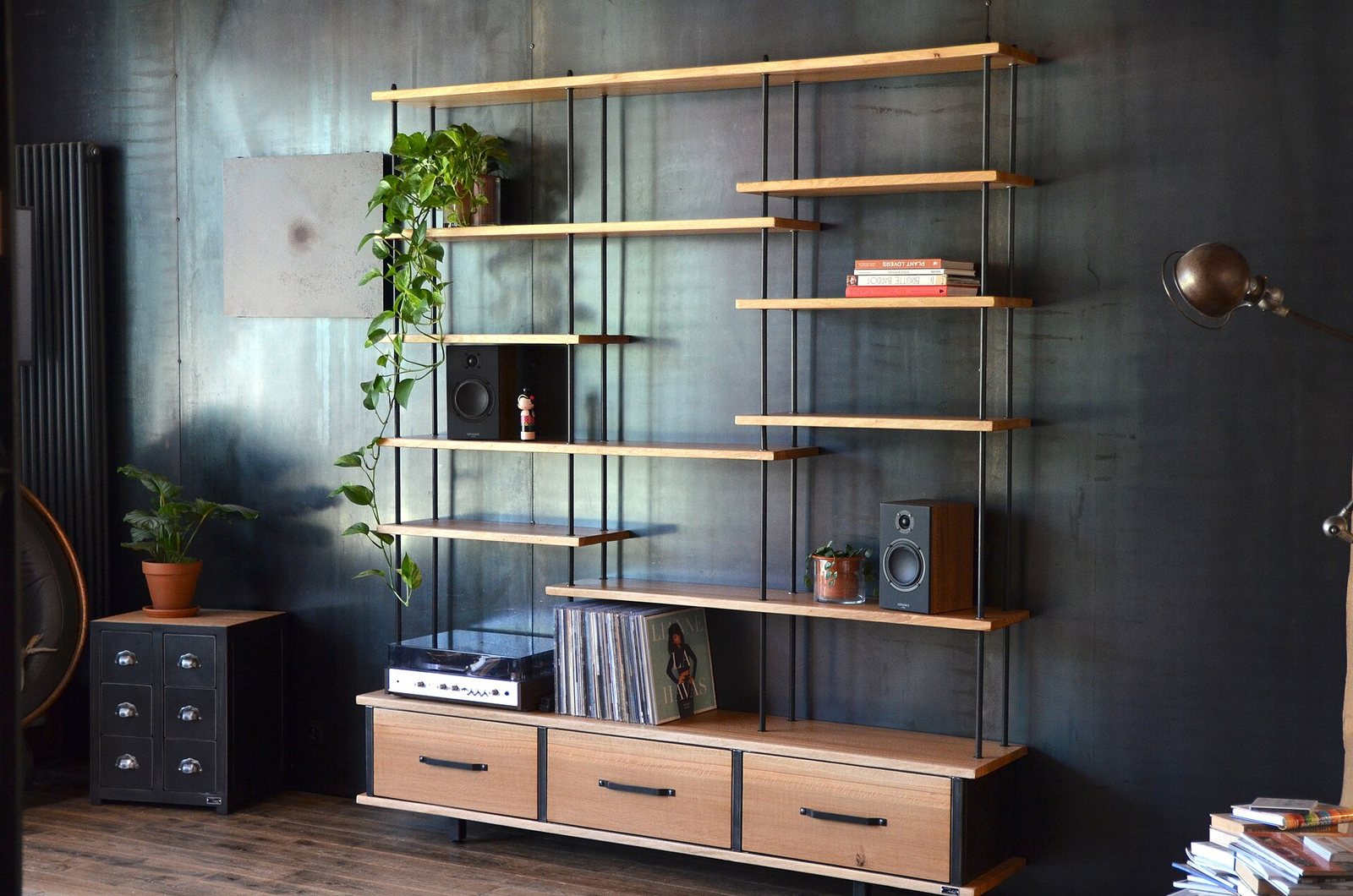
Why it matters to materials
Hardwood exists commercially because of this industry. Grading rules measure clear cuttings rather than strength, species are not substitutable, and fashion moves prices: the shift from dark to pale timber in the 2010s moved maple and walnut in opposite directions for a decade.
What it is made of
All materials →| Material | What it does here | Importance |
|---|---|---|
| Black Walnut | Furniture and veneer, priced by the log | Defining |
| Hard Maple | Sports floors, worktops and cabinets | Defining |
| Hardwood Lumber | The raw material of the whole industry | Defining |
| Red Oak | Flooring, furniture and cabinets | Defining |
| White Oak | Flooring, joinery and tight barrels | Defining |
| Wood-Based Panels | Carcase material behind the veneer | Defining |
| Plywood | Curved and structural furniture parts | Important |
| Teak | Marine joinery and outdoor furniture | Important |
| Yellow Poplar | Painted mouldings, frames and panel cores | Important |
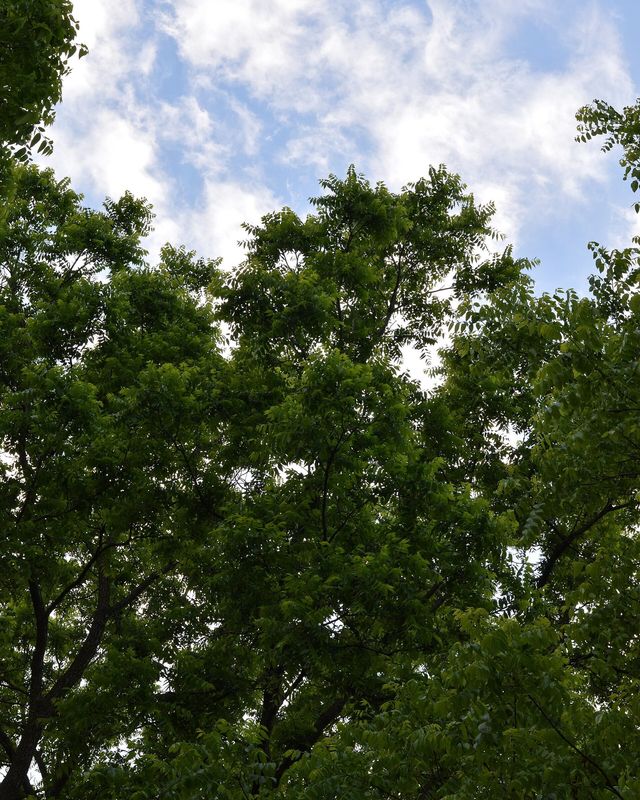
Black Walnut
The dark, strong, dimensionally stable hardwood that American furniture and gunstocks are made of - and the most…
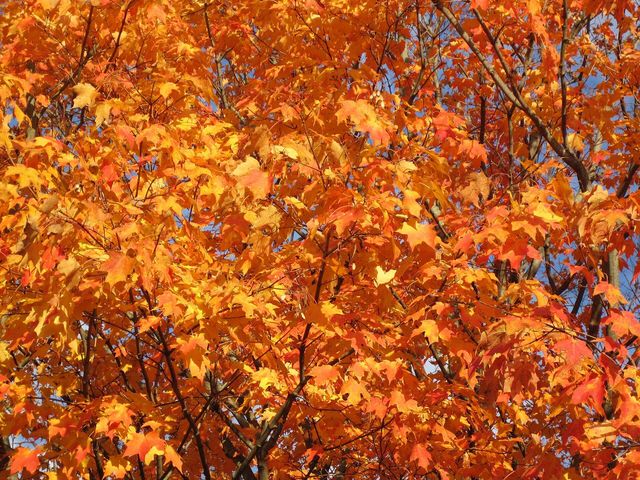
Hard Maple
A very hard, pale, fine-grained hardwood that takes heavy wear without denting - the standard for sports floors and…
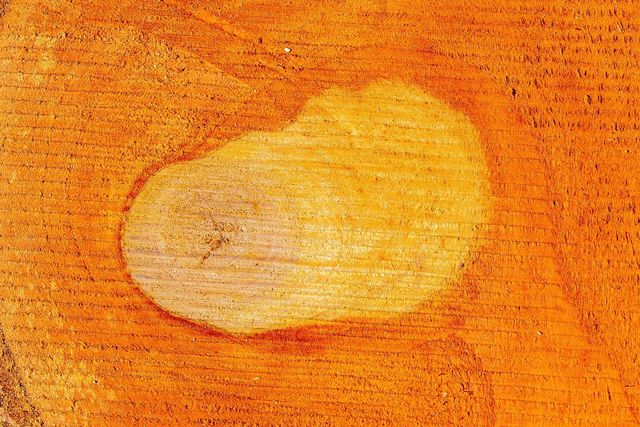
Hardwood Lumber
Sawn boards from broadleaved trees - what furniture, flooring, cabinets and barrels are made of.
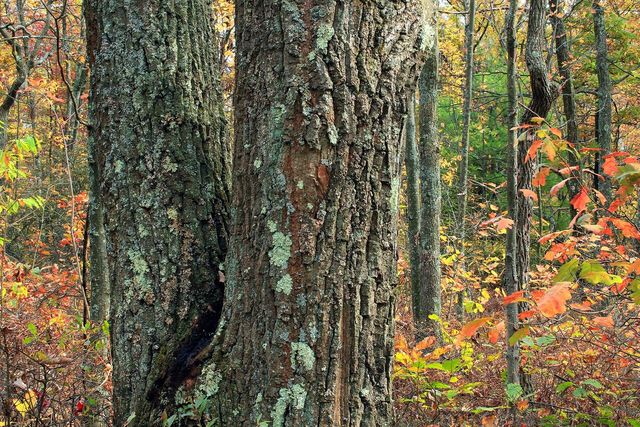
Red Oak
The volume hardwood of North America: strong, open-pored, pinkish, and sawn in greater quantity than any other US…
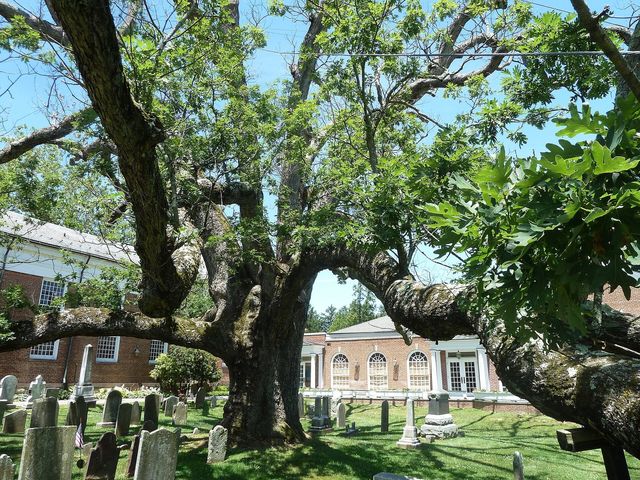
White Oak
A dense, pale hardwood whose closed cell structure makes it watertight - which is why barrels are made of it and…
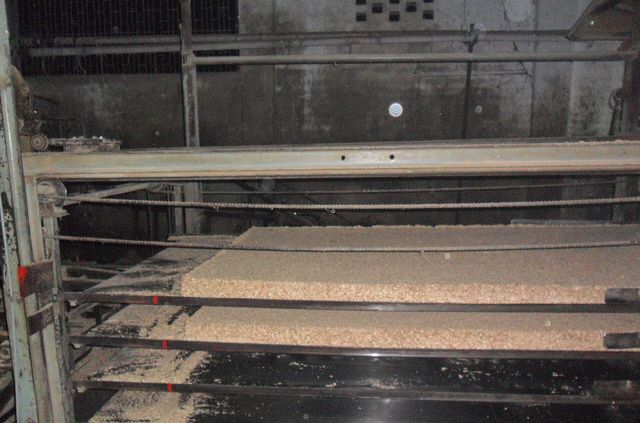
Wood-Based Panels
Sheets made by gluing wood back together - veneers, chips, strands or fibres pressed into a flat board.