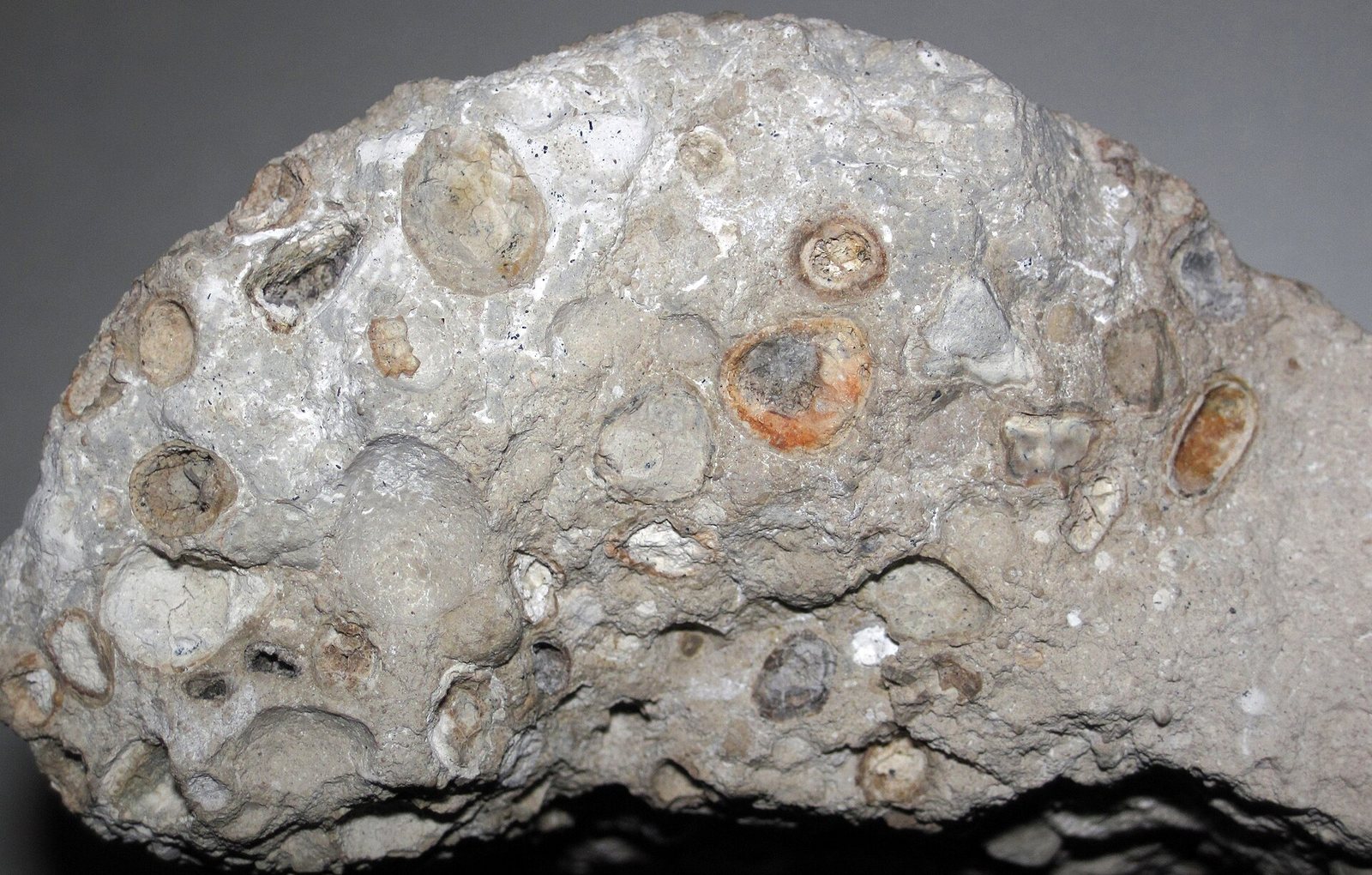
What is it?
A reddish soil-like rock, formed where tropical rain has rotted rock for millions of years, and the only ore aluminium is made from at scale.
Why does it matter?
Roughly four to five tonnes of bauxite become two tonnes of alumina become one tonne of aluminium. The chain starts in a handful of tropical countries.
Deeper written sections for this material have not been published yet. Everything below is drawn straight from the source datasets and is complete.
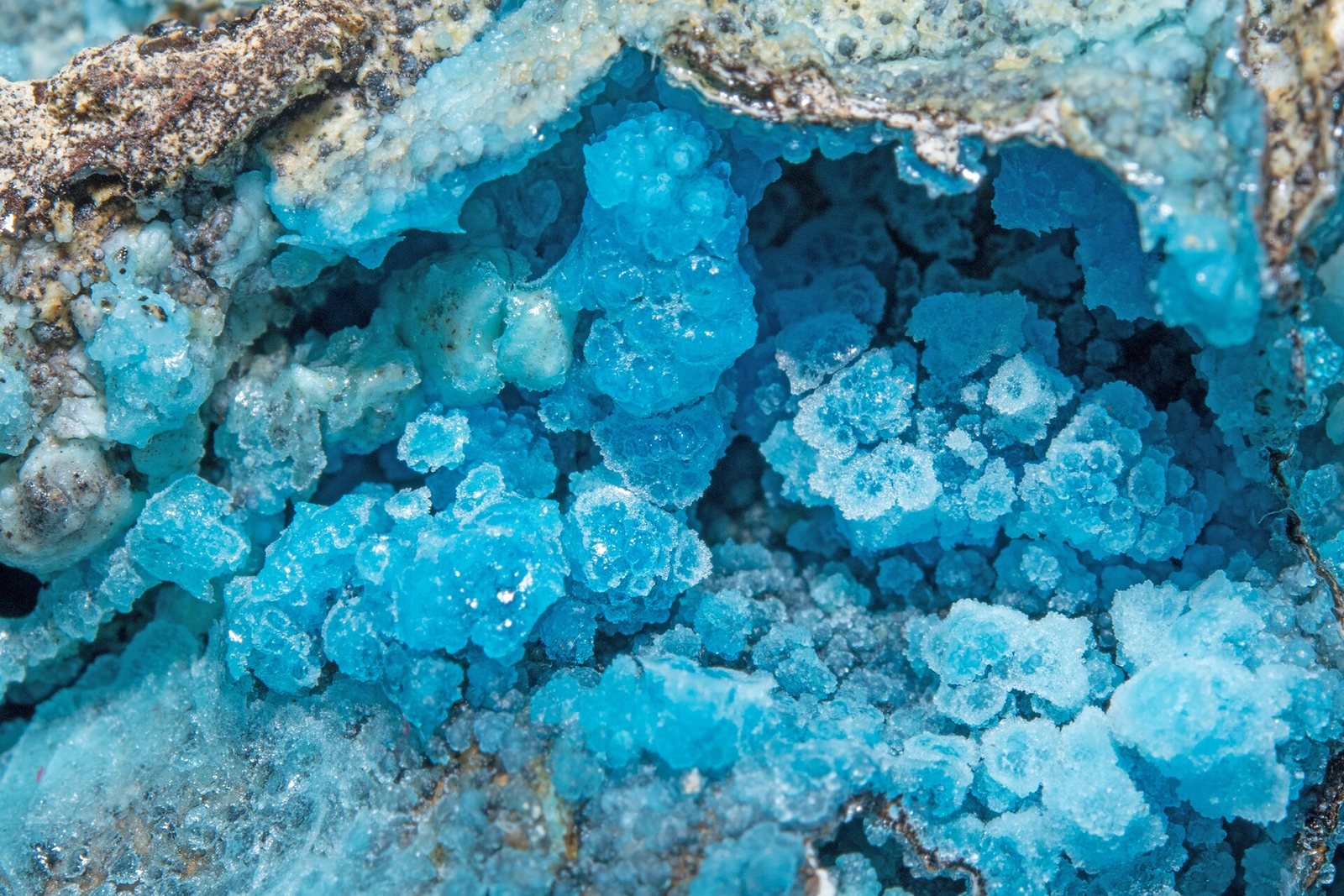
Where it comes from in the rock
All ore minerals →These are the minerals that actually carry bauxite. A deposit is only an orebody if one of them is concentrated enough to pay for digging it up.
Who produces it
See it on a map →Bauxite, mine production
Bauxite, mine productionthousand metric dry tons 2025 (estimated) World total 440,000 thousand metric dry tons
USGS Mineral Commodity Summaries 2026 · Gross weight of dry bauxite, not alumina or metal content. · source ↗
Scroll the table sideways for the remaining columns.
| Country | Production | Share of world |
|---|---|---|
| Guinea | 150,000 | 34.1% |
| Australia | 97,000 | 22.0% |
| China | 87,000 | 19.8% |
| Brazil | 33,000 | 7.5% |
| India | 25,000 | 5.7% |
| Indonesia | 10,000 | 2.3% |
| Other countries | 8,000 | 1.8% |
| Jamaica | 6,200 | 1.4% |
| Saudi Arabia | 5,700 | 1.3% |
| Russia | 5,700 | 1.3% |
| Kazakhstan | 4,800 | 1.1% |
| Turkey | 3,800 | 0.9% |
| Vietnam | 3,800 | 0.9% |
| Greece | 960.0 | 0.2% |
| Ireland | Zero | — |
| United States | Withheld | — |
| Canada | Zero | — |
| Germany | Zero | — |
| Spain | Zero | — |
| United Arab Emirates | Zero | — |
| World total | 440,000 | 100% |
“Withheld” means the USGS suppressed the figure to avoid disclosing an individual company's data — it does not mean zero. Country rows do not always sum to the world total because the source rounds each figure independently and does not always break out an “other countries” line.
Who holds the reserves
Bauxite reserves
Bauxite reservesthousand metric dry tons 2025
USGS Mineral Commodity Summaries 2026 · source ↗
| Country | Reserves | Share of world |
|---|---|---|
| Guinea | 7,400,000 | 25.5% |
| Other countries | 5,300,000 | 18.3% |
| Australia | 3,700,000 | 12.8% |
| Vietnam | 3,100,000 | 10.7% |
| Indonesia | 2,900,000 | 10.0% |
| Jamaica | 2,000,000 | 6.9% |
| Brazil | 1,700,000 | 5.9% |
| China | 710,000 | 2.4% |
| Russia | 650,000 | 2.2% |
| India | 650,000 | 2.2% |
| Saudi Arabia | 180,000 | 0.6% |
| Kazakhstan | 160,000 | 0.6% |
| Turkey | 69,000 | 0.2% |
| United States | 20,000 | 0.1% |
| Ireland | Zero | — |
| Canada | Zero | — |
| Germany | Zero | — |
| Greece | Zero | — |
| Spain | Zero | — |
| United Arab Emirates | Zero | — |
| World total | 29,000,000 | 100% |
Price
average unit value of imports, free alongside ship (f.a.s.), dollars per metric ton
Annual averagedollars per metric ton
Basis: average unit value of imports, free alongside ship (f.a.s.), dollars per metric ton. Annual averages as published in USGS Mineral Commodity Summaries 2026 · source ↗. These are reference annual averages, not a live market quote.
Where it is processed and refined
| Plant | Kind | Stage | Country | Role |
|---|---|---|---|---|
| Bayer-Process Alumina Refineries, Western Australia | Refinery | Processing | Australia | Input |
| Port of Rotterdam Bulk Terminals | Port | Processing | Netherlands | Input |
Export controls
| Country | Control | Applies to |
|---|---|---|
| Indonesia | Export ban | Bauxite (2023), copper concentrates (2023), and nickel ore (2020). ↗ |
| Venezuela | Export ban | Bauxite, cassiterite, columbite-tantalite, copper, gold, rhodium, silver, and thorium (2024). ↗ |
USGS Mineral Commodity Summaries 2026, table 4 — controls in effect as of January 2026, excluding controls since lifted.
Follow it across the borders
All journeys →Where a consignment of this material actually goes — every country, every custodian, and what is left behind at each step.
Guinean bauxite to an aluminium window frame Four tonnes of tropical soil, two tonnes of white powder, one tonne of metal — and the metal is made wherever the power is…