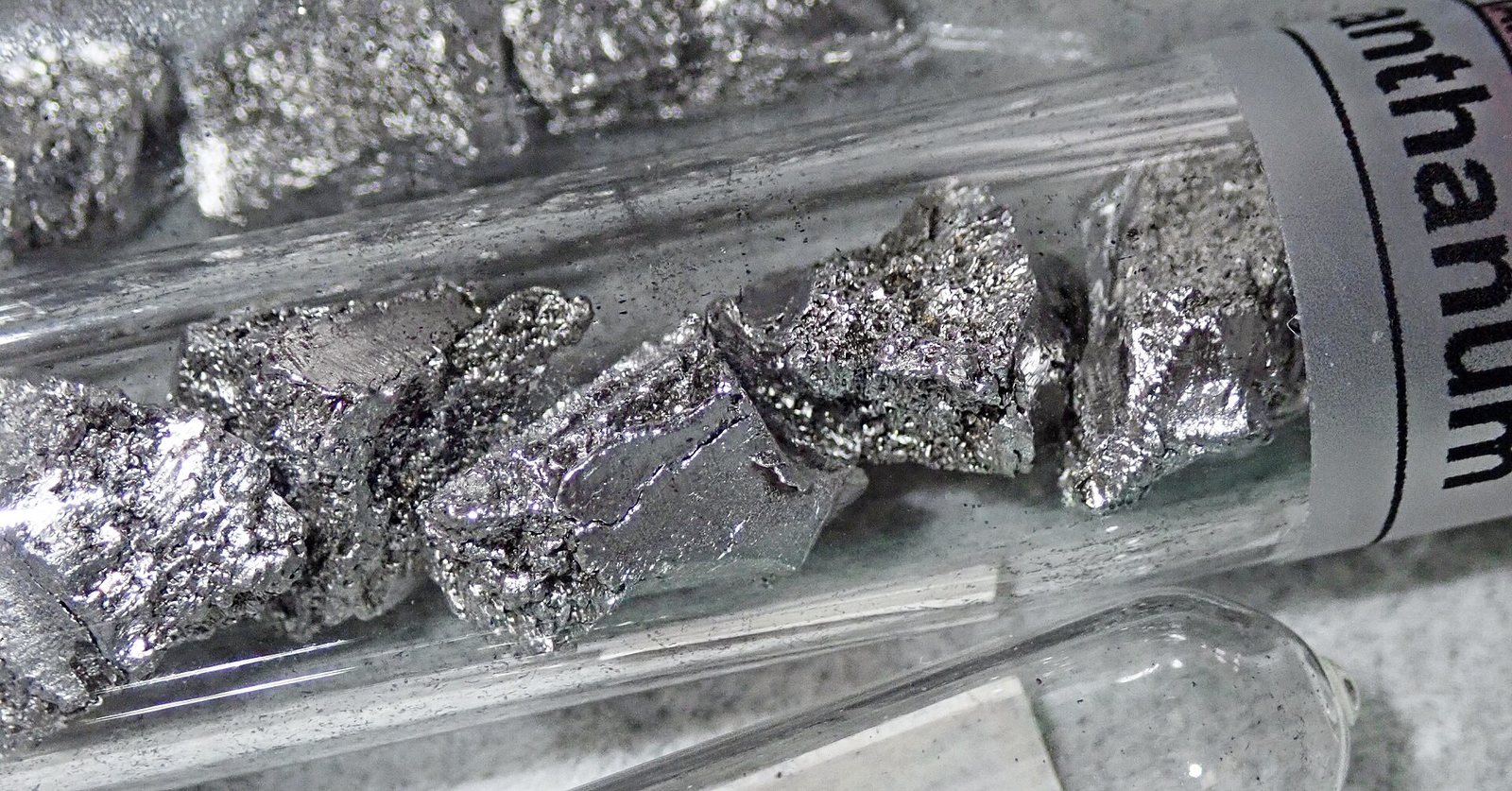
¿Qué es?
The first of the rare earths, used by the tonne in the catalysts that crack crude oil into petrol.
¿Por qué importa?
Fluid catalytic cracking is one of the few rare-earth uses measured in thousands of tonnes rather than kilograms.
Where it is in the Earth
Lanthanum belongs to the rare earth elements, a group of seventeen metals that, despite the name, are not especially scarce in the Earth's crust. The difficulty is that they rarely accumulate in one place in concentrations high enough to mine economically. Where they do, it is usually because of unusual igneous or sedimentary processes that allowed rare-earth-bearing minerals to crystallise and persist over geological time.
The two minerals that supply most of the world's lanthanum are bastnasite and monazite. Bastnasite is a fluorocarbonate — a mineral containing carbon, oxygen, and fluorine — that forms in a rock type called carbonatite. Carbonatites are igneous rocks made largely of carbonate minerals, and they originate from magmas that are exceptional in their low silica content and high concentration of carbon dioxide. As such a magma cools, rare earth elements, which do not fit easily into the crystal structures of common silicate minerals, become progressively enriched in the remaining melt and eventually crystallise into bastnasite and related minerals. The Bayan Obo deposit in Inner Mongolia and Mountain Pass in California are both associated with this kind of carbonatite system, which is why they are among the largest rare-earth sources known.
Monazite is a phosphate mineral that carries lanthanum, cerium, neodymium, and thorium together in its structure. It forms both in igneous and metamorphic rocks, but it reaches mineable concentrations most often in placer deposits — accumulations of heavy, chemically resistant minerals that have been liberated by weathering and sorted by rivers or ocean waves over millions of years. Because monazite is dense and durable, it survives the journey from the source rock and settles alongside other heavy minerals such as ilmenite and zircon in coastal or riverine sands. The co-occurrence of thorium, a mildly radioactive element, in monazite complicates both its mining and its processing, a point that matters significantly for where refineries can legally operate.
Getting it out
Both of the principal ore types that carry lanthanum — carbonatite-hosted bastnasite and placer monazite — are worked by open-pit or open-cut methods. In a carbonatite deposit such as Mountain Pass or Bayan Obo, the ore body sits close to the surface and is large enough in plan that miners remove the overlying rock, known as waste or overburden, in stepped terraces and load the ore into trucks for transport to a processing facility. The amount of waste moved relative to each tonne of ore, a ratio miners call the strip ratio, depends on the geometry of the deposit and changes as mining goes deeper.
Placer deposits present a different picture. Because the rare-earth minerals are already concentrated by natural sorting into beach or dune sands, the ore can sometimes be mined with dredges or simple earthmoving equipment. The grade — meaning the proportion of valuable mineral in the ore — is expressed differently for placer and hard-rock deposits, but in both cases lanthanum represents only a fraction of the total rare-earth content of the ore. Cerium is almost always more abundant than lanthanum in bastnasite and monazite alike, so the two elements are produced together whether the mine operator wants both or not. This structural link between lanthanum supply and the demand for other rare earths shapes the economics of the whole chain.
Lanthanum is not mined for its own sake at any operation currently listed in the tables on this page. It emerges as a co-product of mining for cerium, neodymium, and other rare earths, and its output is therefore governed by the extraction decisions made for those elements. When demand for neodymium — used in strong permanent magnets — rises, lanthanum output rises with it, regardless of whether the market for lanthanum itself is strong.
What pulls on it
The largest single use of lanthanum by volume is in fluid catalytic cracking, which refineries use to break heavy crude oil fractions into lighter products including petrol. The catalyst used in this process, known as an FCC catalyst, contains lanthanum oxide as a stabiliser for the zeolite — a porous aluminosilicate mineral — at the heart of the catalyst. Without the lanthanum, the zeolite structure degrades too quickly under the high temperatures inside the reactor. Because this application consumes lanthanum continuously — spent catalyst is regularly replaced — and because refining throughput is large, this is one of the few uses of a rare earth element measured in thousands of tonnes rather than in kilograms or tens of kilograms.
The second significant market is nickel-metal-hydride batteries, which use a lanthanum-rich alloy as the negative electrode material. These batteries powered hybrid vehicles before lithium-ion technology became dominant, and they remain in use in some hybrid models and in consumer electronics. Demand from this sector has been broadly flat or declining in relative terms as lithium-ion chemistry takes a larger share of new applications. Lanthanum also appears in optical glass — where it raises the refractive index without colouring the glass — in phosphors for lighting, and in miscellaneous metallurgical additions. The USGS groups batteries, catalysts, ceramics, glass, and metallurgy as the primary domestic applications.
The direction of demand depends heavily on what happens to petroleum refining. If refinery throughput falls because of a long-run shift away from liquid fuels, the FCC catalyst market, which underpins lanthanum demand, would contract substantially. Conversely, growth in hybrid vehicle production could support battery-related demand. These two forces move in broadly opposite directions, so the net trajectory is not obvious without knowing the relative rates of change — which vary by region and policy environment.
De dónde proviene en la roca
Todos los minerales de mena →Estos son los minerales que realmente contienen lanthanum. Un yacimiento solo es un cuerpo mineral si uno de ellos está suficientemente concentrado para costear su extracción.
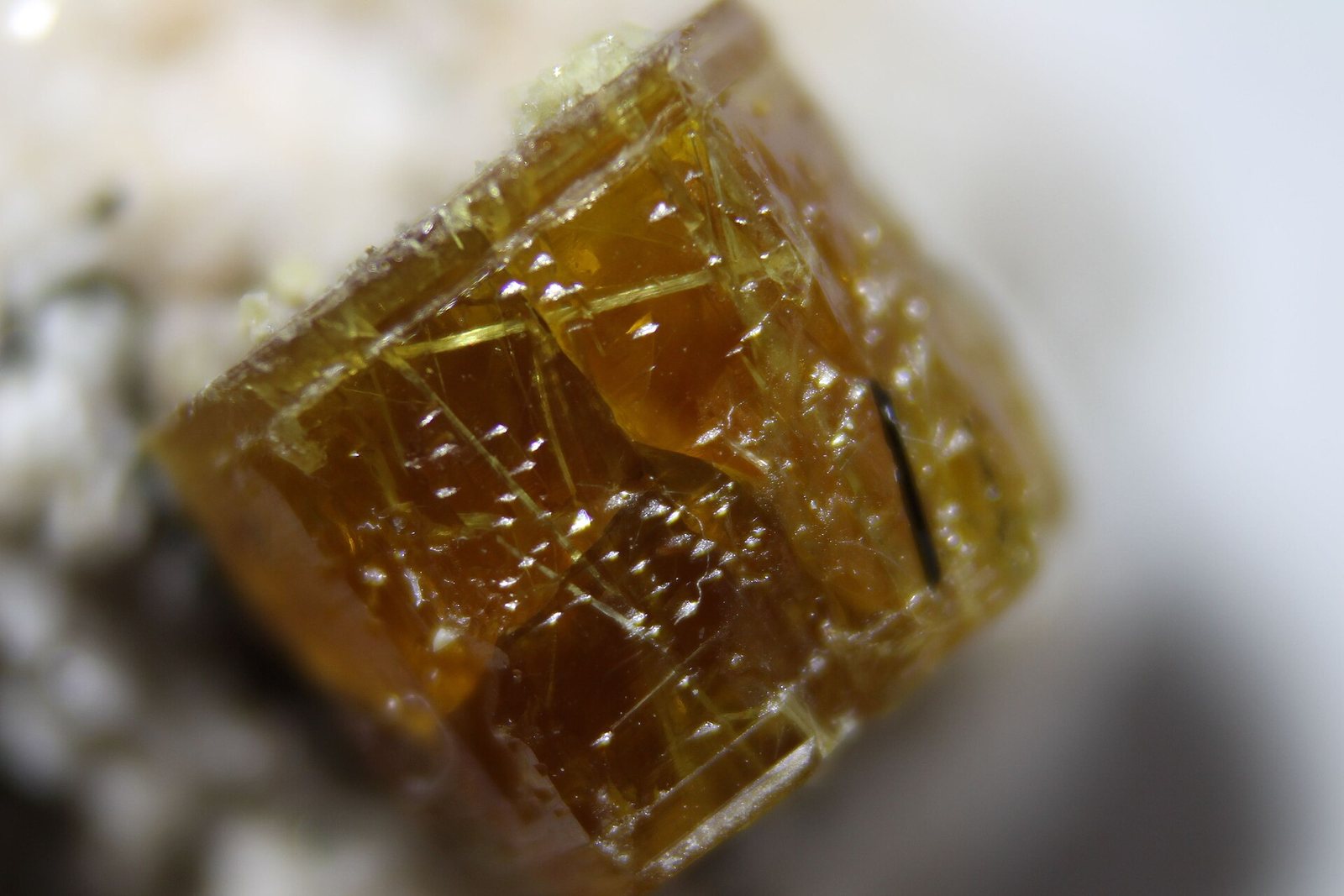
Bastnäsite
The world's principal light rare-earth mineral, mined from carbonatites. Low in thorium, which makes it easier to…
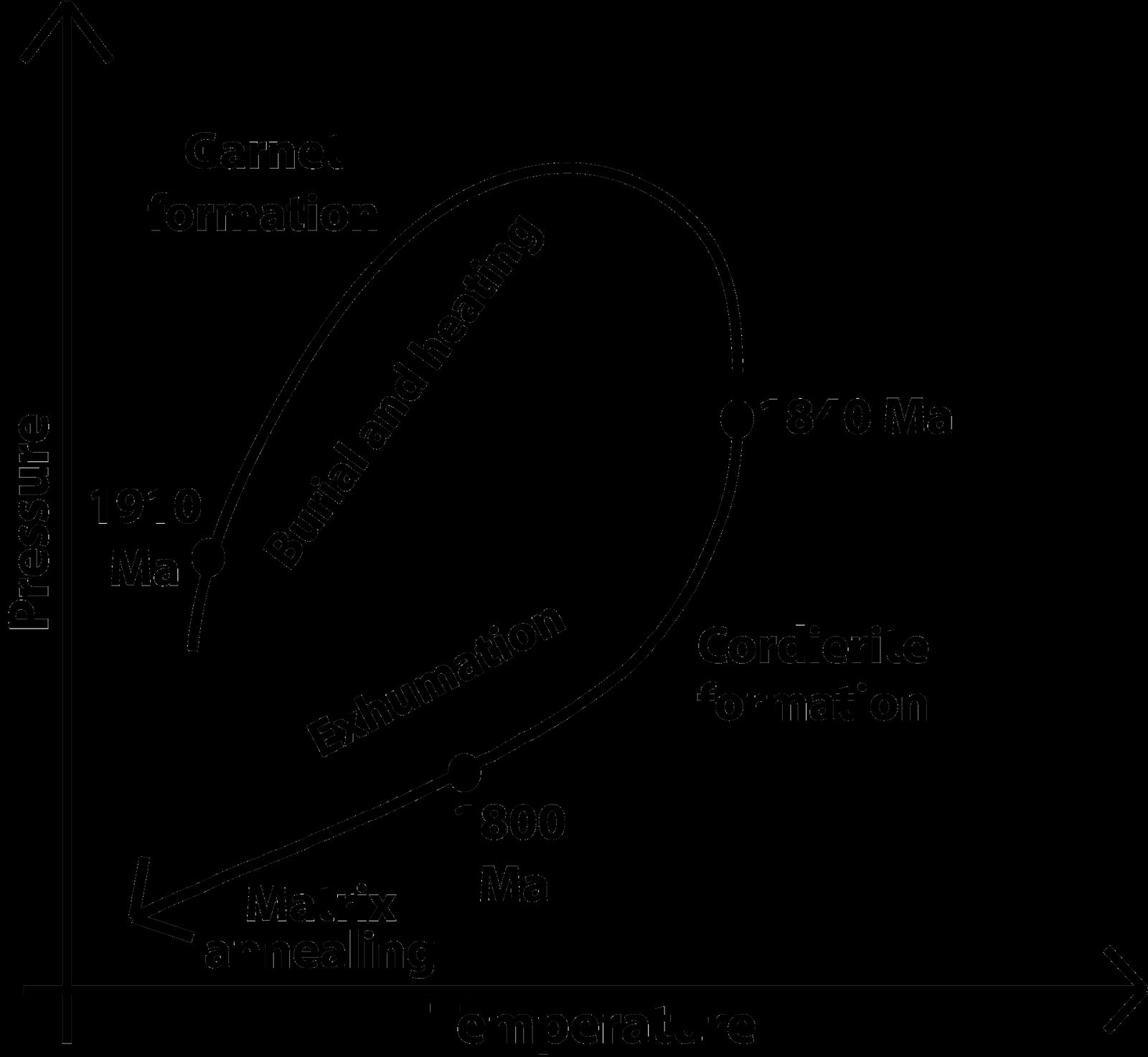
Monazite
A rare-earth phosphate found in heavy mineral sands. Carries thorium, so it is radioactive enough to be regulated.
Precio
average, dollars per kilogram: Lanthanum oxide, 99.5% minimum
Promedio anualdollars per kilogram
Base: average, dollars per kilogram: Lanthanum oxide, 99.5% minimum. Promedios anuales publicados en USGS Mineral Commodity Summaries 2026 · fuente ↗. Estos son promedios anuales de referencia, no una cotización de mercado en tiempo real.
Minas que lo producen
Todas las minas →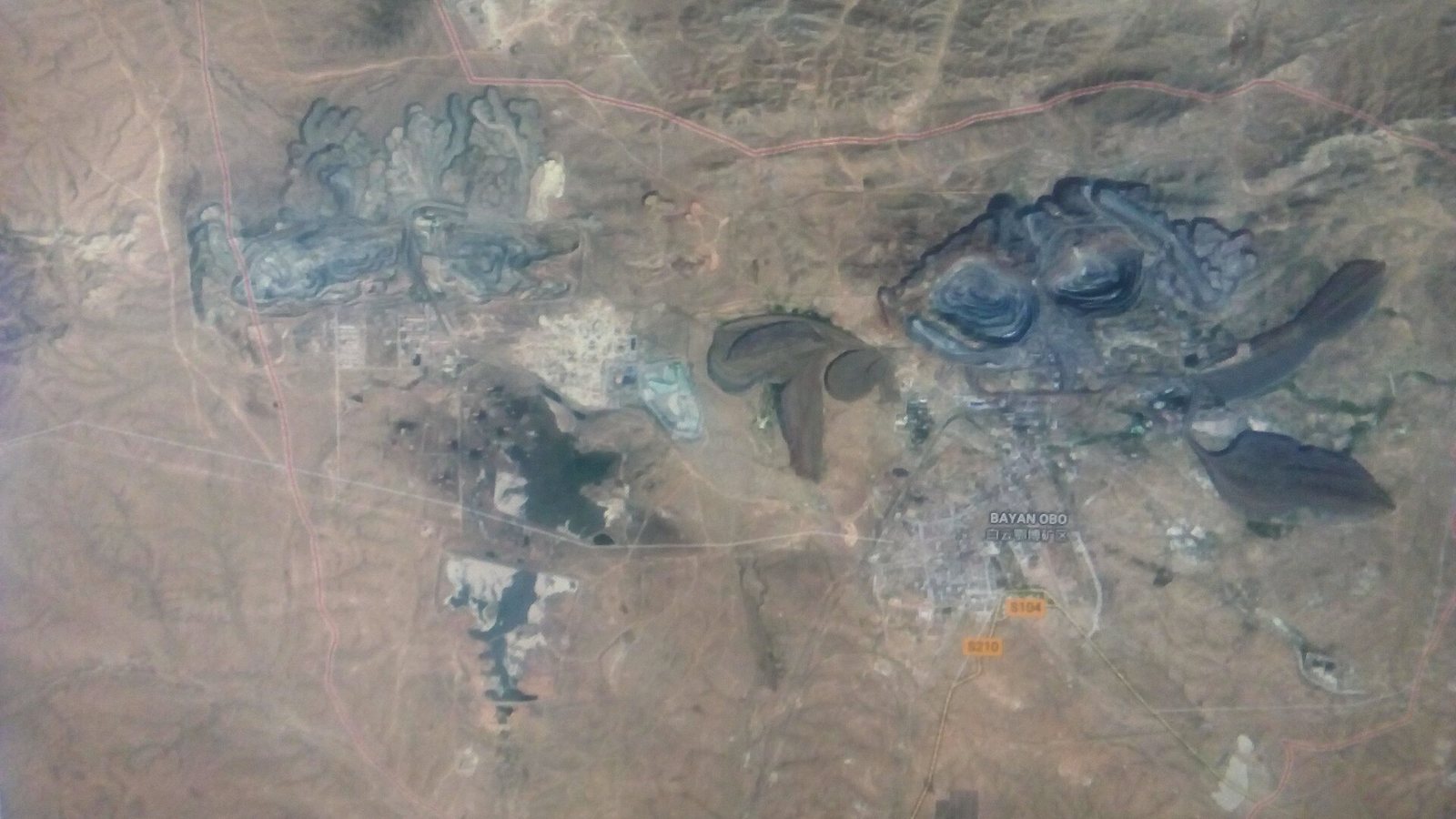
Dónde se procesa y refina
| Planta | Tipo | Etapa | País | Función |
|---|---|---|---|---|
| Lynas Advanced Materials Plant, Kuantan | Planta de separación | Refinación | Malaysia | Producción |
| Neo Performance Materials, Sillamäe | Planta de separación | Refinación | Estonia | Producción |