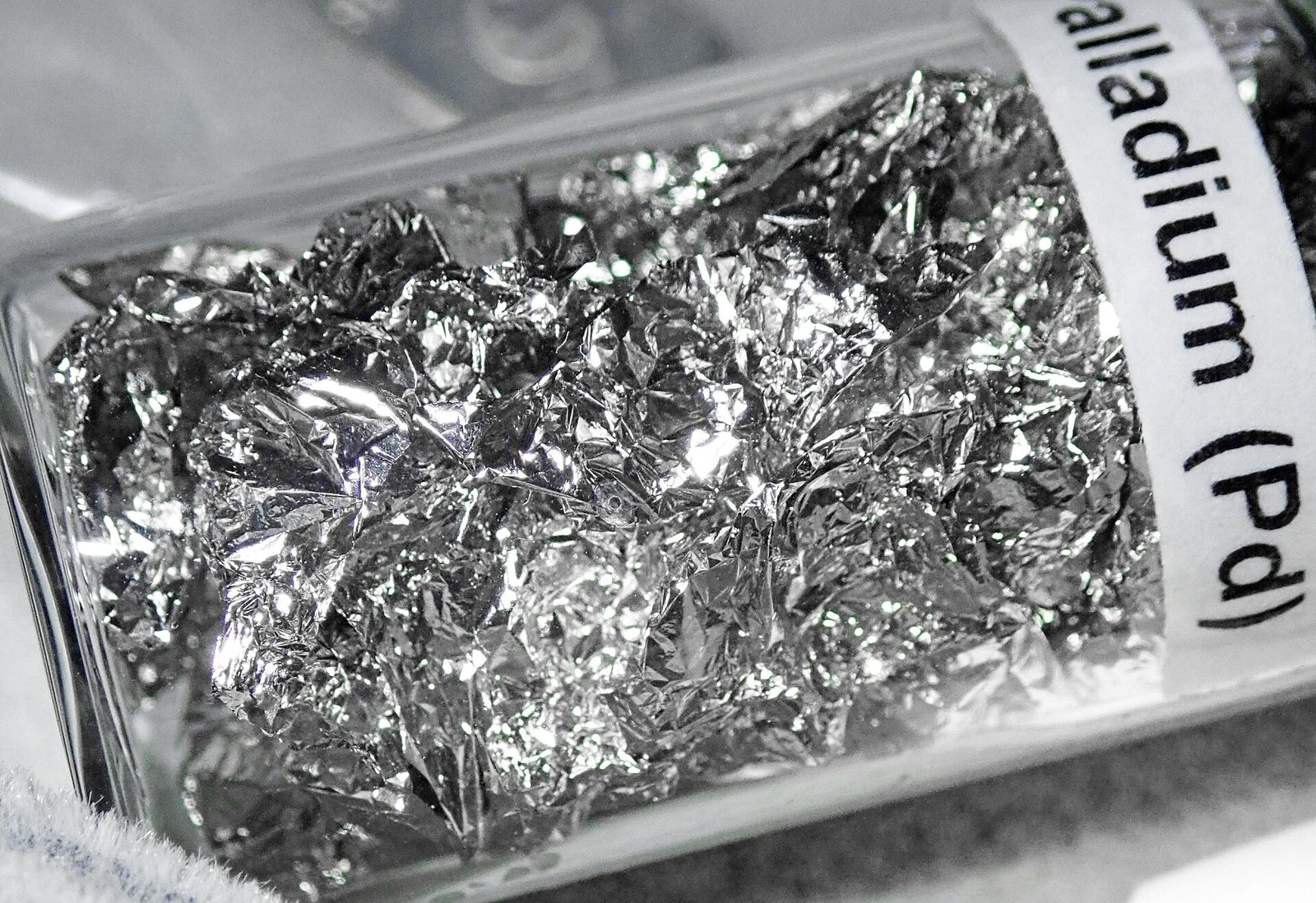
Wat is het?
Platinum's cheaper cousin for most of the twentieth century, then briefly more expensive than gold because petrol cars need it.
Waarom is het van belang?
Almost all palladium goes into petrol-engine catalytic converters, which makes its demand a direct function of how quickly cars electrify.
Where it is in the Earth
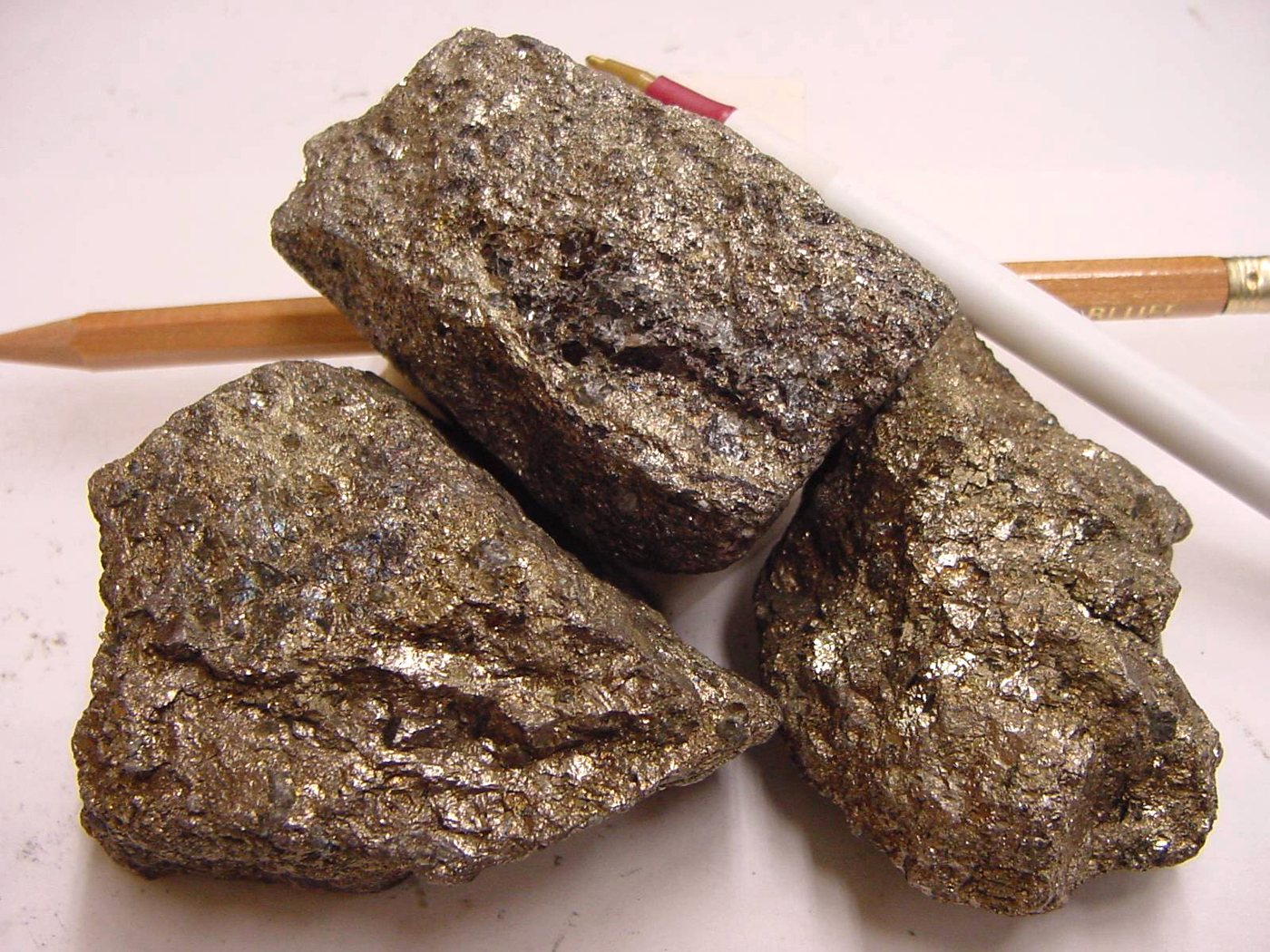
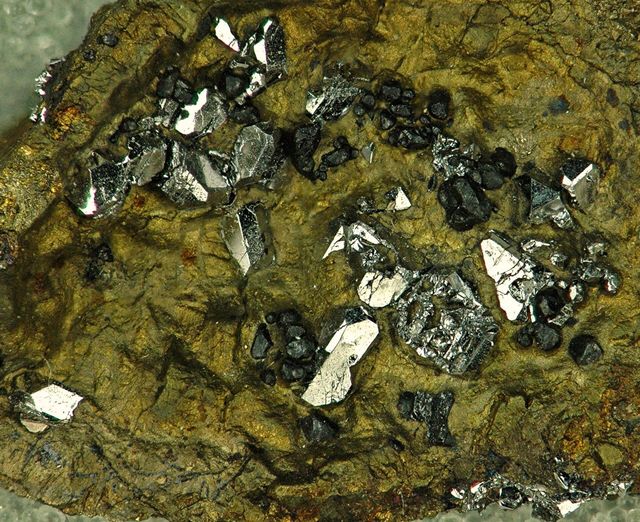
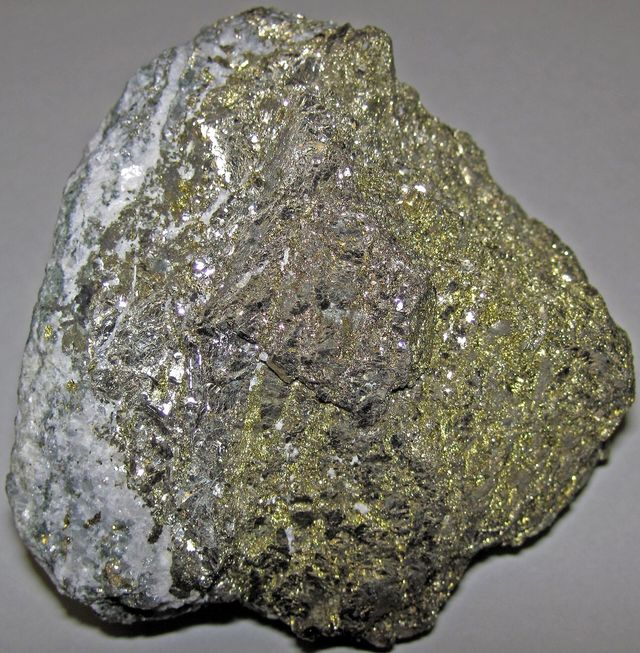
Palladium belongs to the platinum-group metals (PGMs), a set of six chemically related elements that are among the rarest in the Earth's crust. That rarity is not evenly distributed: the geological processes that concentrate PGMs into economically workable deposits are specific and uncommon. The most important of them is magmatic segregation, in which a body of silicate magma — molten rock rich in magnesium and iron — cools slowly at depth, and the sulfur dissolved in it eventually separates into a distinct liquid phase. Because PGMs have a strong chemical affinity for sulfide melts, they partition preferentially into that separating liquid, which ultimately crystallises into the sulfide ore minerals that carry the metals. Pentlandite, an iron-nickel sulfide, is the principal host mineral listed in the table above: palladium and its relatives travel with the nickel and copper rather than forming separate visible minerals in most deposits.
Two geological settings account for nearly all palladium mined today. The first is large layered mafic intrusions — enormous, slowly cooled sheets of igneous rock in which differentiation has created distinct mineral-rich layers. The Bushveld Complex in South Africa is the world's most studied example, and the Platreef, which hosts the Mogalakwena mine, is one of its PGM-bearing layers. The second setting is impact-related: the Sudbury Basin in Canada formed when a meteorite struck ancient crust roughly 1.8 billion years ago. The impact melted a vast volume of rock, and PGMs concentrated into sulfide deposits around the margin of the resulting structure. Russia's Norilsk-Talnakh district formed differently again — through unusually PGM-rich mantle magmas — but the underlying chemistry of sulfide segregation is the same. The result is that the world's workable palladium sits overwhelmingly in three countries, a geographic concentration that the production figures in the table above reflect very directly.
An important consequence of this geology is that palladium is almost never the primary target of mining. Deposits are worked for nickel, copper, or the broader basket of platinum-group metals, and palladium emerges as part of that package. The relative proportions of PGMs vary between deposits in ways that matter commercially: Norilsk ore is notably richer in palladium relative to platinum compared with many South African reefs, which is part of the reason Russia accounts for such a large share of world palladium output despite the Bushveld Complex being the larger geological resource overall.
Getting it out
Because palladium occurs in hard, deep-seated igneous rock, the dominant mining methods are underground and, where the ore body reaches close enough to the surface with sufficient lateral extent, open-pit. At Mogalakwena in South Africa's Limpopo province, the Platreef is wide and shallow enough to be worked as a large open pit, where shovels and trucks remove rock in successive terraces. At Norilsk and in much of the Sudbury Basin, the ore is accessed through shafts and tunnels, because the mineralisation lies too deep and is too geometrically irregular to expose economically from the surface. Underground operations of this kind are expensive and slow to develop, and they carry higher operating costs than equivalent open-pit mines.
The grade of palladium ore — meaning the concentration of metal in the rock — is very low by the standards of other metals. PGM grades are measured in grams per tonne of rock, and even a rich deposit might contain only a few grams of combined platinum-group metals in every tonne of material processed. That means an enormous volume of rock must be moved and treated to recover a modest weight of metal. The practical consequence is that the infrastructure required — mills, concentrators, smelters — must be scaled to handle very large throughputs, and the energy and reagent costs per kilogram of recovered palladium are substantial. Waste rock and tailings — the finely ground residue left after concentration — accumulate in corresponding volumes, and managing them is a significant engineering and environmental undertaking at any PGM operation.
Because palladium is a by-product of nickel and copper mining in Russia and of the broader PGM suite in South Africa, the decision to mine is not made on palladium economics alone. A mine may continue operating at a palladium price that, in isolation, would not justify it, because the other metals in the ore contribute enough revenue to keep the operation viable. Conversely, if nickel or copper markets turn unfavourable, palladium output may fall even if palladium itself is in strong demand. This by-product relationship shapes supply in ways that are not immediately visible from the palladium price alone.
What pulls on it
The single largest use of palladium is in three-way catalytic converters fitted to petrol-engined vehicles. A catalytic converter contains a ceramic or metallic substrate coated with a washcoat — a mixture in which palladium, along with platinum and rhodium, acts as the active catalyst that converts unburned hydrocarbons, carbon monoxide, and nitrogen oxides into less harmful compounds before they leave the exhaust pipe. The intensity figure shown in the table above — the amount of palladium per vehicle — varies with engine size, emissions regulations, and the exact formulation chosen, but it represents a material quantity for every vehicle produced. Because hundreds of millions of petrol cars are in service worldwide and new ones continue to be manufactured, the cumulative demand this creates is large relative to annual mine supply.
The dependence on petrol vehicles is also the source of palladium's central demand uncertainty. Battery electric vehicles do not use internal combustion engines, so they require no catalytic converter and no palladium in that application. As the share of new vehicle sales accounted for by electric vehicles grows, the number of petrol engines requiring catalysts either grows more slowly or, in time, begins to fall. The pace and geography of that transition determine how quickly this demand signal changes. Markets where electrification is advancing fastest will reduce their catalytic-converter demand soonest; markets where it is slower will sustain it longer. Stricter emissions regulations in the near term, however, can work in the opposite direction, requiring higher palladium loadings per converter to meet tighter standards, which partially offsets volume losses from electrification.
Beyond automotive, palladium has a role in electronics, where it is used in multi-layer ceramic capacitors and as a contact material, and in industrial catalysis, where it facilitates certain chemical reactions in pharmaceutical and fine-chemicals production. These uses are smaller in aggregate than automotive but are less exposed to the electric-vehicle transition. Dental applications, once significant, have declined substantially as tooth-coloured alternatives have replaced metal alloys in many markets. The overall demand picture is therefore one in which the dominant application is in structural decline over a timeframe that is difficult to pin down precisely, while secondary applications provide a smaller and more stable base.
Waar het in het gesteente vandaan komt
Alle ertsmineralen →Dit zijn de mineralen die daadwerkelijk palladium. Een afzetting is alleen een ertslichaam als een van beide voldoende geconcentreerd is om de winning ervan te bekostigen.
Wie het produceert
Bekijk het op een kaart →Mine production: Palladium
Mine production: Palladiumkilograms 2025 (geschat)
USGS Mineral Commodity Summaries 2026 · Reported in kilograms of contained palladium. · bron ↗
Schuif de tabel zijwaarts voor de overige kolommen.
| Land | Productie | Aandeel van de wereld |
|---|---|---|
| Russia | 84,000 | — |
| South Africa | 70,000 | — |
| Canada | 16,000 | — |
| Zimbabwe | 15,000 | — |
| United States | 6,200 | — |
| Other countries | 2,900 | — |
Mine production: Palladium, rounded
Mine production: Palladium, roundedkilograms 2025 (geschat) Wereldtotaal 190,000 kilograms
USGS Mineral Commodity Summaries 2026 · Reported in kilograms of contained palladium. · bron ↗
Schuif de tabel zijwaarts voor de overige kolommen.
| Land | Productie | Aandeel van de wereld |
|---|---|---|
| Wereldtotaal | 190,000 | 100% |
"Ingehouden" betekent dat de USGS het cijfer heeft onderdrukt om gegevens van een individueel bedrijf niet prijs te geven — het betekent niet nul. Landrijen tellen niet altijd op tot het wereldtotaal, omdat de bron elk cijfer afzonderlijk afrondt en niet altijd een regel "overige landen" uitsplitst.
Prijs
dollars per troy ounce: Palladium
Jaargemiddeldedollars per troy ounce
Grondslag: dollars per troy ounce: Palladium. Jaargemiddelden zoals gepubliceerd in USGS Mineral Commodity Summaries 2026 · bron ↗. Dit zijn referentiejaargemiddelden, geen live marktkoers.
Mijnen die het produceren
Alle mijnen →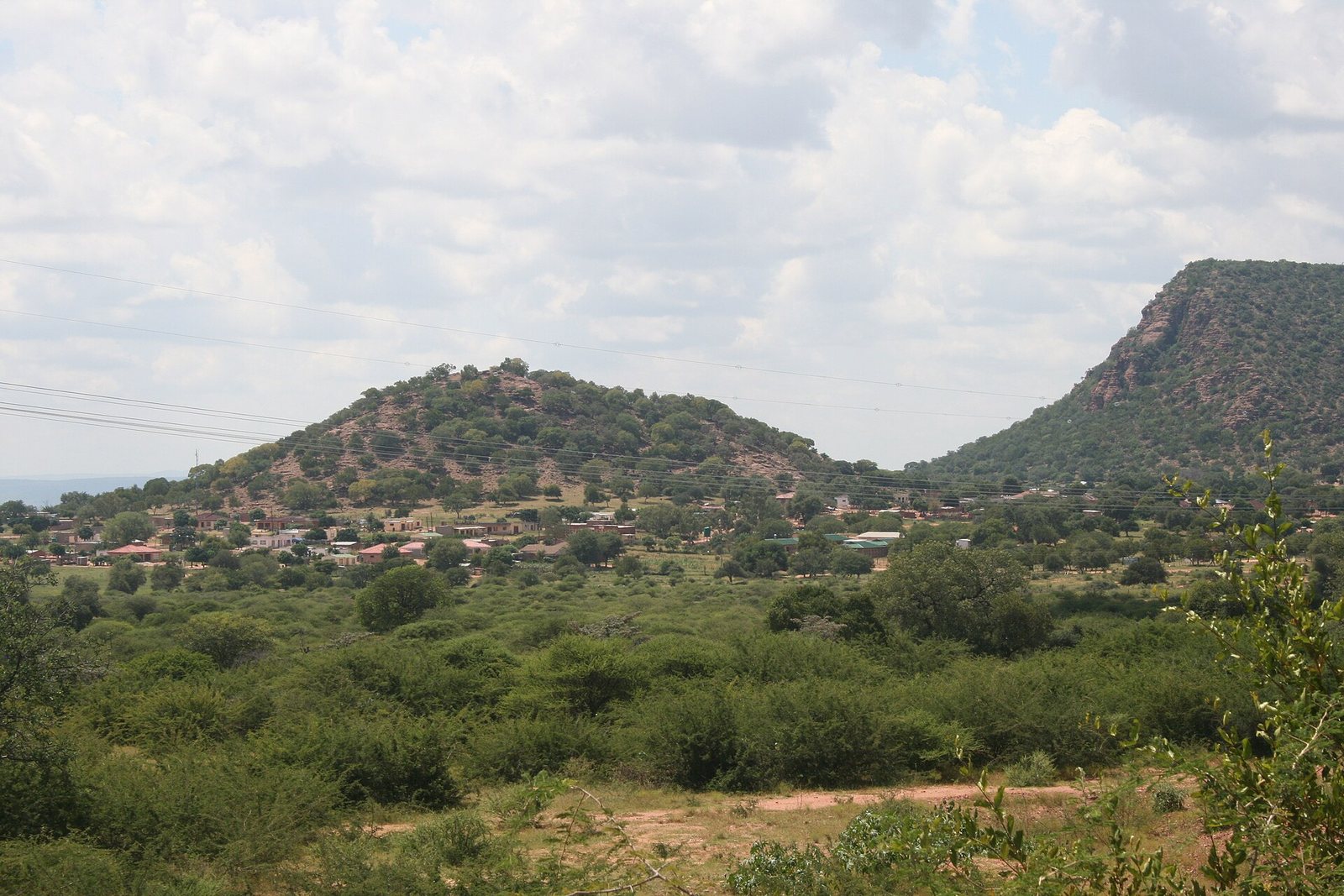
Norilsk-Talnakh
The largest palladium source in the world and a major nickel producer.
Sudbury Basin
One of the longest-producing nickel districts on Earth.
Waar het wordt verwerkt en geraffineerd
| Installatie | Soort | Fase | Land | Rol |
|---|---|---|---|---|
| Nadezhda Metallurgical Plant | Smelter | Verwerking | Russia | Output |
| Rustenburg Base & Precious Metals Refineries | Raffinaderij | Raffinage | South Africa | Output |
Hoeveel een technologie ervan nodig heeft
| Technologie | Hoeveelheid | Genoteerd | Grondslag |
|---|---|---|---|
| Three-Way Catalytic Converter | 0.002–0.007 kg | per vehicle | Coating, petrol engines |
Indicative range compiled from published technology studies and chemistry; verify against a manufacturer specification before use. Voer deze getallen op elke schaal uit in de materiaalcalculator →