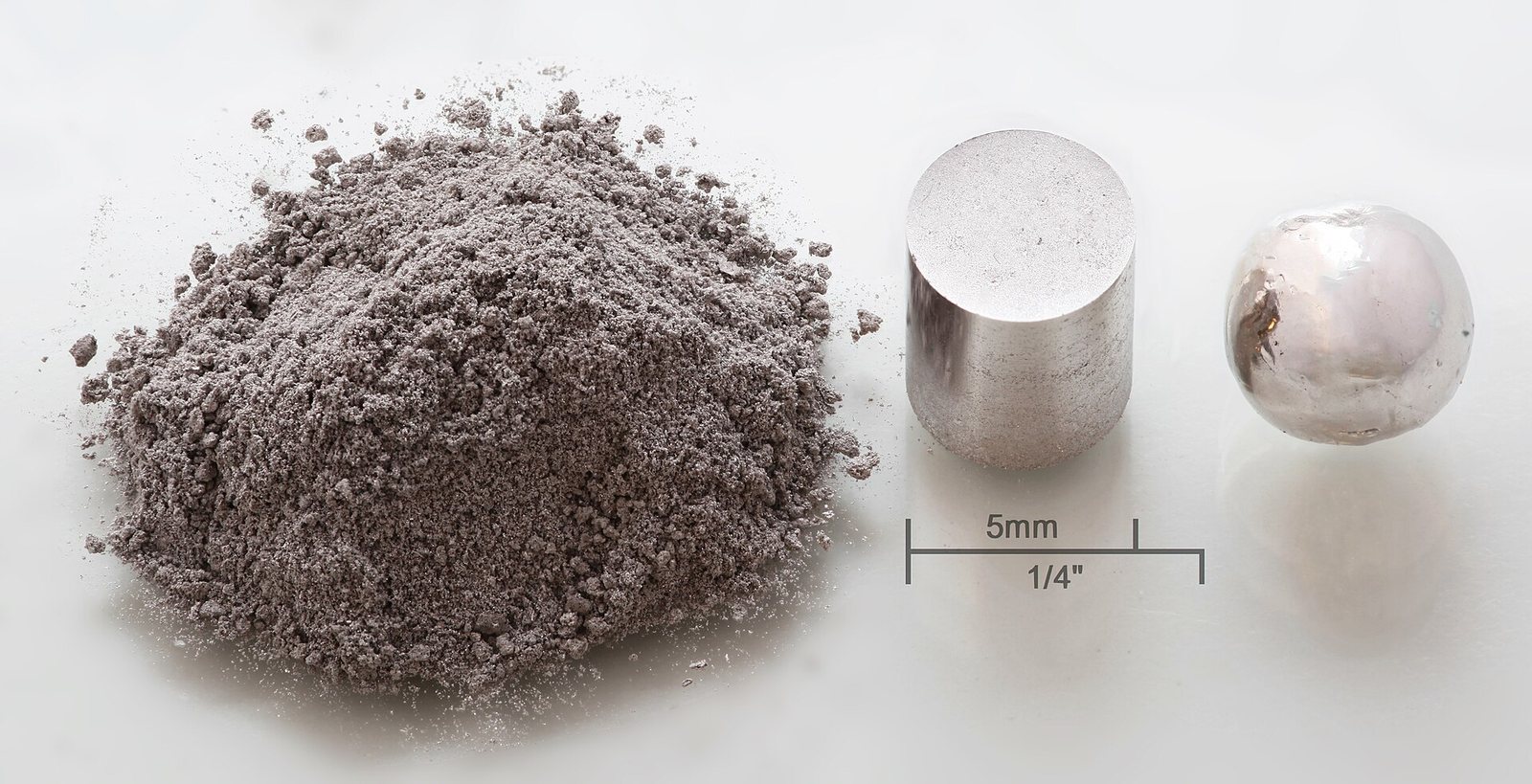
이것은 무엇인가?
The rarest of the metals traded in any volume, produced in tens of tonnes a year, and the only practical way to strip nitrogen oxides from petrol exhaust.
왜 중요한가?
Rhodium's price history is the clearest illustration in any commodity of what happens when demand is inelastic and supply is a by-product.
Where it is in the Earth
Rhodium belongs to the platinum-group metals (PGMs), a family of six elements — platinum, palladium, rhodium, ruthenium, iridium and osmium — that share similar atomic radii and tend to travel together through geological processes. They are siderophile elements, meaning they have a chemical affinity for iron and sulfur and prefer to bond with those rather than oxygen. When the Earth was young and largely molten, most of the planet's PGM budget sank with iron toward the core. What remains in the crust arrived later, carried by deep-sourced magmas — molten rock — that intruded into overlying rock and slowly cooled.
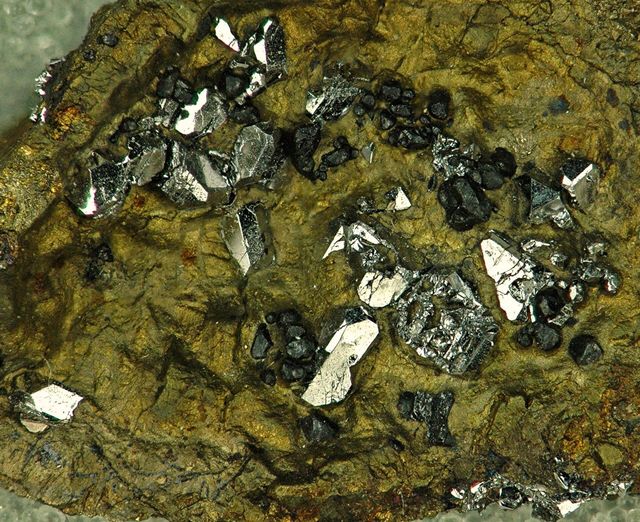
The concentrations that matter for mining occur in two main settings. The first is layered mafic intrusions: enormous bodies of dark, iron- and magnesium-rich rock that solidified slowly enough for minerals to settle out in layers, like sediment in a quiet lake. As the magma cooled, sulfide minerals — compounds of sulfur and metals — formed droplets that sank and collected in specific horizons, dragging PGMs with them. The Bushveld Complex in South Africa is the largest such structure known, and it hosts the great majority of the world's identified PGM resources. The second setting is magmatic nickel-copper-sulfide deposits, where a similar process of sulfide separation occurred in a different geological context. The Norilsk-Talnakh system in Siberia is the principal example of this type. In both cases rhodium is not a mineral in its own right in any commercially meaningful sense — it occurs in solid solution within sulfide and alloy phases alongside platinum and palladium, and is extracted only because those host metals are worth mining.
The consequence of this geology is geographical concentration that has no parallel among commonly traded metals. The Bushveld Complex alone accounts for the dominant share of world PGM production, and there is no geologically equivalent structure elsewhere that has been brought into production. Rhodium's scarcity is therefore not simply a matter of low crustal abundance; it is the product of a very specific set of conditions — the right intrusion, the right sulfide event, the right preservation over billions of years — that happened to occur in a small number of places.
Getting it out
Because rhodium occurs only within PGM-bearing ore, the mining method used is determined entirely by the host deposit rather than by rhodium itself. In the Bushveld Complex, the ore horizons — called reefs — are thin, near-horizontal layers that dip gently underground. At shallower depths, open-pit mining removes overlying rock in benches to expose the reef, as at Mogalakwena. At greater depths, where open-pit working is no longer economical because of the volume of waste rock that would have to be moved, underground methods are used instead. At Norilsk-Talnakh, the ore body is accessed entirely underground, with miners working in deep stopes — excavated chambers — carved into the sulfide ore.
Grade in PGM mining is expressed in grams per tonne of ore, and for rhodium specifically the grade within a typical reef is very low indeed — a small fraction of the already-modest platinum grade. This means that for every tonne of metal produced, a very large mass of rock must be mined, crushed and processed. The ratio of waste rock to ore — the strip ratio in open-pit terms — varies by deposit, but even in relatively favourable open-pit operations the volumes of material handled are substantial. Underground mining avoids moving barren waste on the same scale, but it is slower, more labour-intensive and more expensive per tonne of rock broken. The economics of the whole operation rest on the combined value of all the PGMs and base metals recovered together; no individual element, least of all rhodium, could justify the mine on its own.
What pulls on it
Almost all rhodium that reaches the market goes into three-way catalytic converters, the devices fitted to petrol-engine vehicles that clean exhaust gases. A catalytic converter uses a ceramic or metallic substrate coated with a thin wash of precious metals; when hot exhaust gases pass over this coating, chemical reactions convert harmful compounds into less harmful ones. Rhodium's specific role is the reduction of nitrogen oxides — NOx — back to nitrogen and oxygen. No other material performs this reaction as efficiently under the temperature and chemical conditions found in a car exhaust, which is why rhodium demand is so tightly coupled to petrol vehicle production and to the strictness of emissions regulations.
The intensity figures in the table show that each vehicle requires a small but non-trivial mass of rhodium. Multiplied across tens of millions of vehicles produced each year globally, this produces a sustained and relatively predictable base of demand. That demand has grown over time as emissions standards have tightened in major markets — tighter standards require more complete NOx conversion, which generally means higher loadings of rhodium per vehicle. The trajectory of this demand depends entirely on regulatory choices: if standards tighten further, loadings tend to rise; if they are relaxed, the reverse is possible.
The significant long-term uncertainty is the electrification of personal transport. Battery electric vehicles have no exhaust pipe and therefore no need for a catalytic converter of any kind. A sustained shift toward electric vehicles in major markets — China, Europe, North America — would reduce the number of new petrol vehicles requiring autocatalysts. How quickly that shift occurs, and whether it is offset by growth in vehicle production in markets where electrification is slower, determines whether total rhodium demand in autocatalysts grows, holds steady or contracts. Beyond autocatalysts, rhodium is used in specialist chemical processes and in certain electrical components, but these applications represent a much smaller share of total consumption.
Turning ore into product 수준 3
The journey from broken ore to refined rhodium passes through several distinct stages, each with its own losses and costs. Comminution — crushing and grinding the ore to a fine powder — is first, and it is energy-intensive. The ground ore then goes through froth flotation, a process in which air bubbles are blown through a water-and-reagent slurry; sulfide minerals attach to the bubbles and float to the surface as a concentrate, while the bulk of the rock sinks and is discarded as tailings. The concentrate leaving a flotation plant contains a far higher proportion of PGMs than the original ore, but is still mostly base-metal sulfides — principally nickel, copper and cobalt compounds.
The concentrate is smelted in a furnace to produce a matte, a molten mixture of metal sulfides, which is then converted to remove sulfur and separate the base metals. What remains is a PGM-rich residue. This residue travels to a precious-metals refinery — the Rustenburg refinery in South Africa is the principal facility for Bushveld material — where a sequence of solvent extraction, precipitation and chemical separation steps isolates each PGM in turn. Rhodium is among the most chemically stubborn of the group. It dissolves reluctantly in common acid mixtures and requires careful management of reagent chemistry to bring into solution cleanly. The refining steps for rhodium are time-consuming relative to platinum and palladium, which extends the overall lead time from mine to market. Losses occur at every stage — in tailings, in smelter slags, in refinery effluents — and the cumulative recovery from ore to refined metal is considerably less than complete, though published figures for individual PGMs at individual facilities are not fully disclosed by operators.
By-product economics govern the whole flowsheet. The cost of mining, concentrating and smelting is borne primarily against platinum and palladium revenue; rhodium, being present in smaller quantities, arrives at the refinery as a consequence of that decision rather than as its cause. This means rhodium supply cannot respond to its own price in any direct way. A refiner cannot process more rhodium without processing more platinum ore, and a mine cannot be opened for rhodium alone. The processing infrastructure is also geographically concentrated: the smelting and refining capacity for South African material is overwhelmingly located within South Africa, which means the entire value chain sits within a single jurisdiction up to the point of refined metal.
Substitution and recycling 수준 3
Within the three-way catalytic converter, the substitution question has been studied carefully by automotive manufacturers for decades, because rhodium is expensive and supply is narrow. Palladium and platinum can take over some of the reactions that rhodium catalyses, and formulations have shifted over time to reduce rhodium content where chemistry allows. However, the NOx reduction function is the limiting factor: at the temperatures and oxygen levels found in petrol exhaust, no commercially viable alternative to rhodium has been found that maintains equivalent conversion efficiency over the service life of a vehicle. The performance penalty of eliminating rhodium entirely is real and measurable against emissions standards, which means the substitution is constrained by regulation as much as by chemistry. A catalyst formulation that passes today's standards in major markets without rhodium has not been demonstrated at production scale.
Recycling is the other supply stream. Spent catalytic converters are collected — principally by scrap dealers and specialist recyclers — and the PGM content is recovered through smelting and chemical processing. The collection and recycling infrastructure for autocatalyst scrap is reasonably well developed in Europe, North America and Japan, where vehicle scrappage rates are more predictable and formal recycling channels exist. The rhodium recovered this way returns to the refined metal pool and offsets some primary mine supply. However, the recycling loop has a long lag: a vehicle built today will not reach end of life for many years, and the rhodium loading in that vehicle reflects the price and regulatory environment at the time it was manufactured. When prices spike, recyclers are incentivised to process material more quickly, but there is a physical ceiling set by how many old catalysts are available at any moment. Secondary supply cannot be turned up arbitrarily in response to a price signal; it is bounded by the stock of end-of-life vehicles in circulation.
Where the chain is fragile 수준 4
The supply concentration in rhodium is more extreme than for almost any other metal traded in volume. The Bushveld Complex hosts the large majority of world production, and the Norilsk-Talnakh system accounts for most of the remainder. This is not simply a matter of geographic concentration within a country; it is concentration within specific geological structures that have no close equivalents elsewhere. Published production and reserve figures for rhodium are incomplete — as the unit basis for this page notes, world figures are not fully disclosed — which itself reflects the unusual structure of the market: a small number of large integrated producers who are not obliged to report at the level of detail that would allow independent auditing of the global supply balance.
By-product dependence is the structural constraint that no amount of price signal can easily overcome. Rhodium production is set by decisions made about platinum and palladium, and to a lesser degree about nickel and copper. If the primary metals are uneconomic, mines close or curtail, and rhodium supply falls regardless of its own price. If the primary metals are in surplus, mines do not simply add capacity to produce more rhodium. The lead time from discovery to production for a new PGM mine — permitting, feasibility, construction, ramp-up — is measured in years to decades, and the processing infrastructure (smelters, converters, refineries) must be built or expanded in step. No major new PGM mining district has been brought to full production in recent history outside of expansions within existing South African and Russian operations.
The price history shown in the table illustrates what these structural features produce in practice. The annual average price moved from over twenty thousand dollars per troy ounce in 2021 to under five thousand by 2024, a contraction of more than seventy-five percent in three years, before a partial recovery in 2025. Figures of that magnitude and velocity are unusual even among commodities known for volatility, and they arise directly from the combination of inelastic short-run supply, a single dominant end use, and a market thin enough that shifts in autocatalyst purchasing patterns — including inventory destocking by vehicle manufacturers — transmit to price without the buffering that deeper markets provide. Reporting conventions complicate any precise accounting: because rhodium is a by-product, its production is often reported as part of aggregate PGM output rather than broken out separately, and different producers report on different unit bases, making cross-source comparison unreliable without careful reconciliation of the underlying methodology.
가격
dollars per troy ounce: Rhodium
연간 평균dollars per troy ounce
기준: dollars per troy ounce: Rhodium. 다음 자료에 게재된 연간 평균 USGS Mineral Commodity Summaries 2026 · 출처 ↗. 이 수치는 기준 연간 평균값이며, 실시간 시장 가격이 아니다.
이 소재를 생산하는 광산
전체 광산 →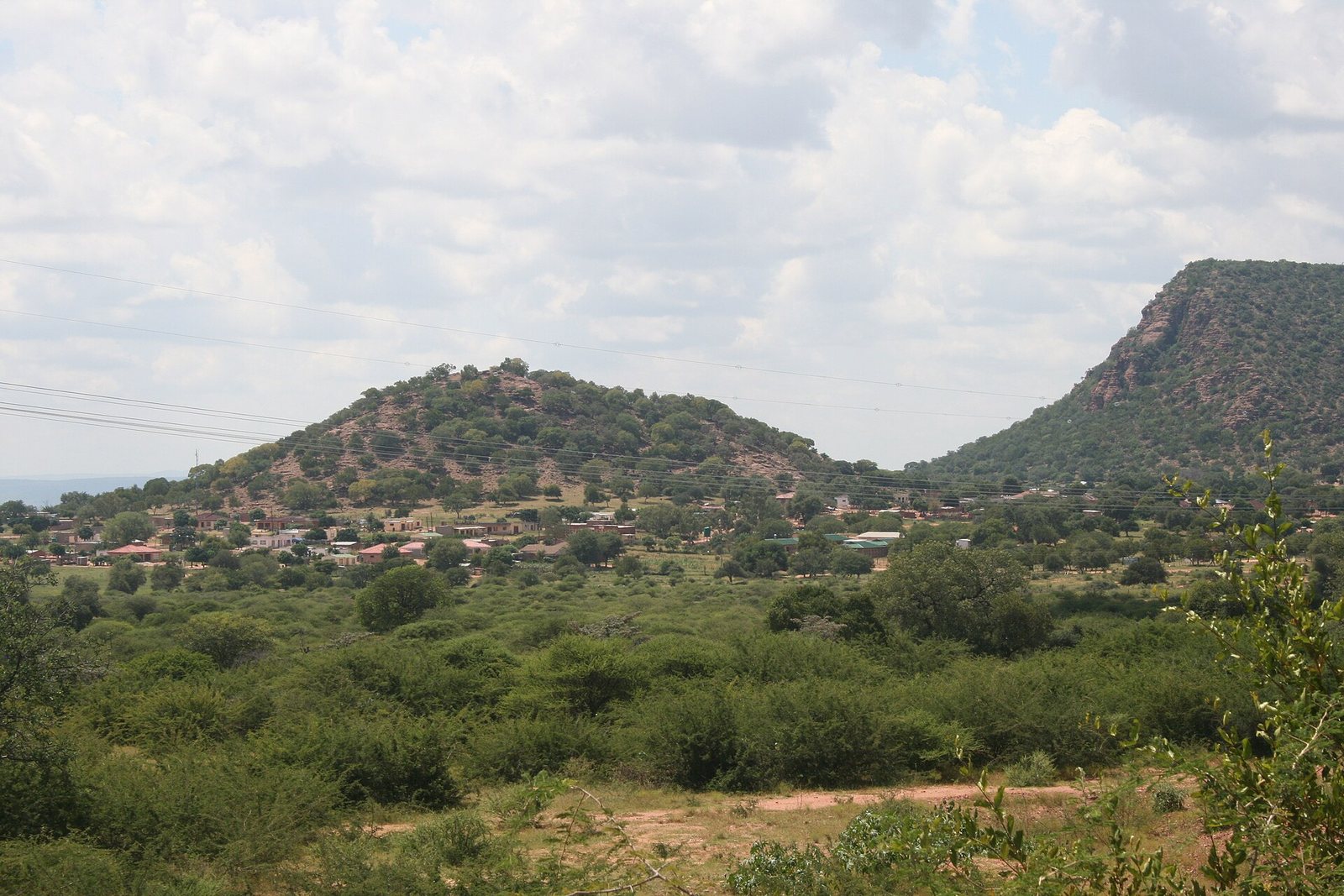
처리·정련 지점
| 시설 | 종류 | 단계 | 국가 | 역할 |
|---|---|---|---|---|
| Rustenburg Base & Precious Metals Refineries | 정련소 | 정련 | South Africa | 산출물 |
기술별 소요량
| 기술 | 수량 | 고시 가격 | 기준 |
|---|---|---|---|
| Three-Way Catalytic Converter No practical substitute. | 0.0002–0.001 kg | per vehicle | Nitrogen-oxide reduction |
Indicative range compiled from published technology studies and chemistry; verify against a manufacturer specification before use. 재료 계산기에서 임의의 규모로 이 수치를 계산하십시오. →
수출 통제
| 국가 | 지배력 | 적용 대상 |
|---|---|---|
| Venezuela | Export ban | Bauxite, cassiterite, columbite-tantalite, copper, gold, rhodium, silver, and thorium (2024). ↗ |
USGS Mineral Commodity Summaries 2026, table 4 — controls in effect as of January 2026, excluding controls since lifted.