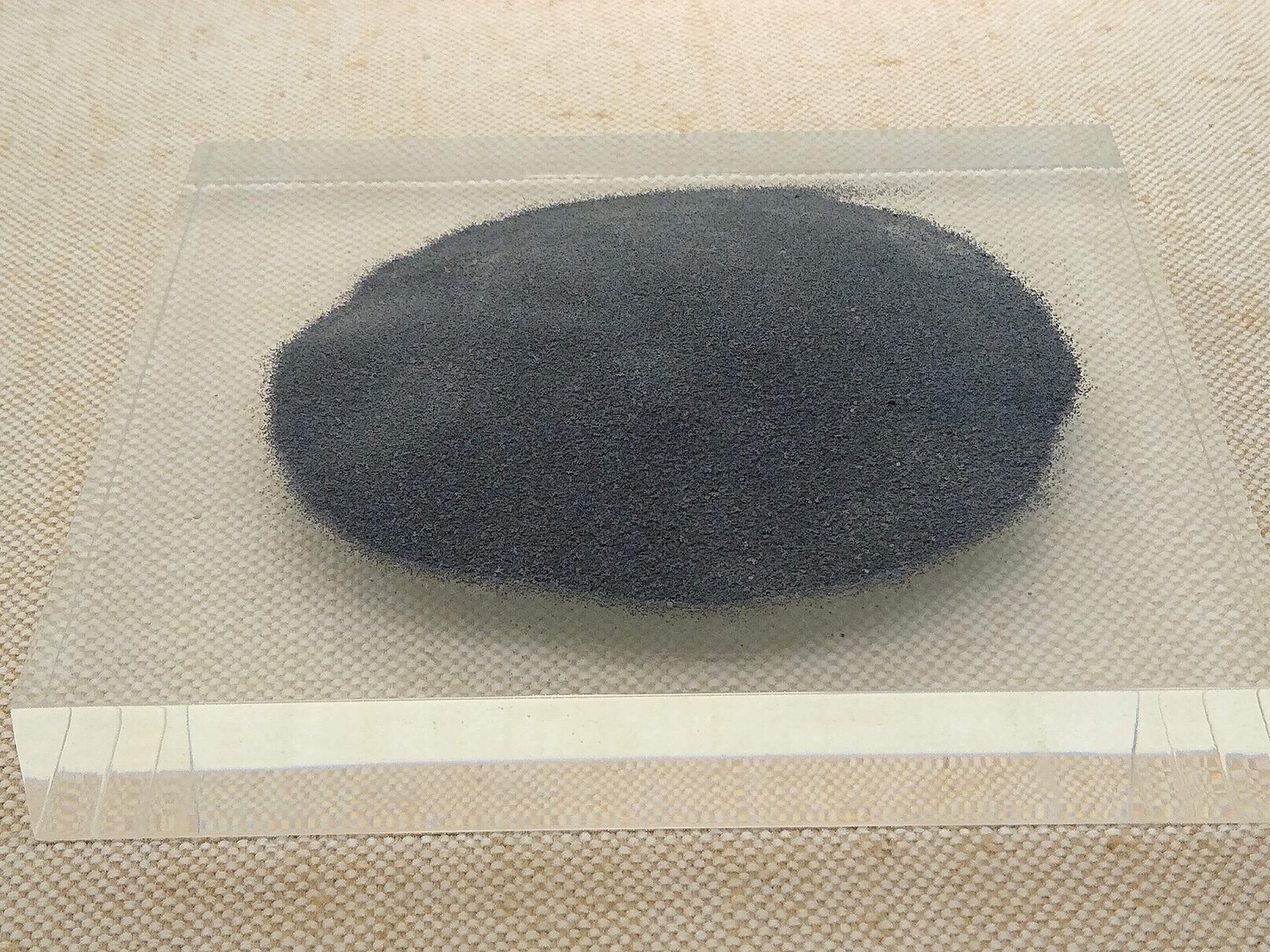
यह क्या है?
Black beach sand — ilmenite and rutile — that is the starting point both for titanium metal and for the white pigment in paint.
यह क्यों महत्वपूर्ण है?
More than 90% of this ore never becomes metal; it becomes titanium dioxide, the whitest white in industrial use.
Where it is in the Earth
Titanium is the ninth most abundant element in the Earth's crust, yet it rarely occurs in concentrations high enough to mine economically. The two minerals that matter commercially are ilmenite, an iron-titanium oxide, and rutile, which is nearly pure titanium dioxide. Both crystallise at high temperatures within igneous and metamorphic rocks — principally anorthosite (a coarse-grained rock made mostly of feldspar), gabbro, and some granites. In these primary settings the titanium minerals are disseminated through the host rock in proportions that are generally too low and too expensive to process directly.
What makes titanium mineral deposits actually mineable, in most cases, is a secondary process: weathering and erosion. Over geological time, the host rock breaks down, and because ilmenite and rutile are both dense and chemically resistant, they survive the journey that destroys most other minerals. Rivers carry the grains to the coast, where wave action and longshore drift sort them by density, concentrating the heavy minerals in layers within beach sands. These are called heavy mineral sand deposits, or simply mineral sands, and they account for the great majority of world production. The economically important shorelines are ancient ones — sometimes tens of millions of years old and now stranded inland as sea levels have changed — which is why major deposits appear in the coastal plains of eastern Australia, the eastern seaboard of Africa, the Atlantic coast of Senegal, and similar settings elsewhere.
A different and important deposit type occurs in anorthosite bodies, where ilmenite occurs in sufficient concentration to mine the primary rock rather than waiting for erosion to do the work. Norway and parts of Canada host deposits of this kind. China's large ilmenite production comes mainly from titaniferous magnetite — an iron ore that carries titanium as an associated mineral — in the Panzhihua region of Sichuan province, which differs in character from either the mineral sands or the anorthosite deposits and influences both the processing route and the product quality.
Getting it out
The method used to mine a deposit depends almost entirely on its physical form. Mineral sand deposits typically lie at or very near the surface, often beneath a thin layer of soil or dune sand, and they are mined by open-cut methods — essentially stripping away the overburden and excavating the ore sand with earthmoving equipment or, where the ground is wet enough, with a floating dredge. A dredge is a large vessel that excavates sand from beneath a pond of water it creates as it advances, feeds the material through a concentrating plant mounted on the same vessel, and deposits the tailings — the sand that no longer contains useful minerals — behind it. The mined-out land is progressively rehabilitated as the dredge moves forward, which is one reason mineral sand operations have a somewhat different environmental profile from hard-rock mines.
The proportion of heavy minerals in the ore — the heavy mineral content, or HMC — varies considerably between deposits. In the richest zones it can reach several per cent, while in leaner deposits it is a small fraction of one per cent. This means a large volume of barren sand moves through the plant for every tonne of concentrate produced, though because the ore requires no blasting and no crushing, the energy cost per tonne of ore processed tends to be lower than in hard-rock mining. The useful mineral proportion of the heavy mineral fraction matters as much as the HMC itself: a deposit with high HMC but mostly worthless heavy minerals such as staurolite or garnet is less attractive than a lower-HMC deposit rich in ilmenite and rutile.
Primary rock deposits, such as those in Norway and Canada, require conventional hard-rock mining — drilling, blasting, and either open-pit or underground extraction depending on the geometry of the orebody. The ore must then be crushed and ground before concentration can begin, adding both capital cost and energy consumption relative to mineral sand operations. Ukraine's deposits, largely of ilmenite in crystalline basement rocks, also fall into this category. China's titaniferous magnetite is mined as iron ore first; the titanium is recovered as a by-product of iron and steel production, which gives it a different cost structure from dedicated titanium mineral operations.
What pulls on it
The dominant use of titanium mineral concentrates — accounting for well over nine-tenths of all material mined — is the production of titanium dioxide pigment, written TiO2. This is the white pigment used in paint, coatings, plastics, paper, and a wide range of other products. Its commercial attraction is its exceptionally high refractive index, which means it scatters light very efficiently and produces opacity and whiteness at lower loadings than any practical alternative. Paint is by far the largest single end market, and because paint consumption tracks construction activity and consumer goods production, demand for titanium mineral concentrates broadly follows economic cycles in building and manufacturing. Architectural and decorative coatings, industrial coatings for metal, and automotive finishes all draw on TiO2 pigment, though in differing grades and specifications.
Titanium metal, despite its high profile in aerospace and defence, represents a comparatively small share of total mineral consumption, though it commands a disproportionate share of attention given the complexity of the supply chain needed to produce it. The metal's combination of low density, high strength, and corrosion resistance makes it difficult to replace in structural components for aircraft, in medical implants, and in certain chemical processing equipment. Demand for the metal has grown as widebody aircraft production has expanded, but the long lead time from mine to finished metal means the market responds slowly to changes in aircraft build rates.
For demand to change sharply downward in the pigment market, a substitute white pigment of comparable performance would need to become commercially available at competitive cost — which has not happened. A prolonged, broad downturn in construction and manufacturing could compress demand cyclically, as occurred in past recessions, but the underlying structural demand for white coatings in a world producing large volumes of paint is unlikely to shift fundamentally. Growth could accelerate if paper-grade TiO2 consumption recovers, or if new applications in photocatalysis, sunscreen, and food-contact materials expand, though those markets are individually small relative to coatings.
Turning ore into product स्तर 3
The processing of mineral sands proceeds in two distinct stages. The first, carried out at or near the mine, separates the heavy mineral concentrate from the barren sand. On a dredge this happens on the floating concentrating plant; in a dry-mining operation, the ore is fed to a wet concentrating plant on shore. Both use a combination of gravity separation — spiral concentrators that exploit the density difference between heavy minerals and quartz sand — and sometimes simple screening. The product is a mixed heavy mineral concentrate containing ilmenite, rutile, leucoxene (a partly weathered form of ilmenite with elevated TiO2 content), zircon, and various unwanted species.
The second stage, the mineral separation plant, divides this mixed concentrate into saleable products. The principal tools are electrostatic separation, which exploits the difference in electrical conductivity between minerals (rutile and ilmenite are conductive; zircon is not), and high-intensity magnetic separation, which removes ilmenite and other magnetic minerals from the non-magnetic rutile and zircon. The sequence in which these steps are applied, and the number of cleaning passes, determines both the grade and the recovery — the fraction of the valuable mineral in the feed that ends up in the final product. Higher-grade products command better prices but typically require accepting lower recovery, so operators optimise the trade-off based on market conditions.
For many end uses, ilmenite concentrate is not the final step. The dominant pigment-industry feedstock is not ilmenite itself but titanium dioxide slag, produced by smelting ilmenite in an electric arc furnace to remove most of the iron as pig iron, leaving a slag enriched in TiO2 to between 80% and 95%. The price series for slag in the data reflects this intermediate product. Rutile at around 95% TiO2 can feed the chloride process for TiO2 pigment directly without smelting, and it is the preferred feedstock for titanium metal production via the Kroll process, in which TiO2 is chlorinated to titanium tetrachloride and then reduced with magnesium. Each of these steps introduces further losses: not all titanium in the mineral concentrate ends up in the final product, and the Kroll process in particular is energy-intensive and batch-operated, which constrains throughput and makes titanium metal significantly more expensive per kilogram than the raw mineral would suggest.
Substitution and recycling स्तर 3
In the TiO2 pigment market, the most discussed alternative is precipitated calcium carbonate and other extender pigments, which are sometimes blended with TiO2 to reduce the loading required. These extenders are far cheaper per tonne but cannot match the opacity of TiO2 on their own; they extend rather than replace. Titanium dioxide has also faced substitution pressure from improvements in polymer opacification techniques, where air-filled microspheres within a coating film scatter light without requiring pigment. These approaches reduce TiO2 consumption per unit of product but have not displaced it. Lithopone, a mixed barium sulfate and zinc sulfide pigment that was once a significant competitor, is no longer relevant in modern coatings.
In the metal market, aluminium alloys, nickel superalloys, and advanced composites each occupy a portion of the design space that titanium might otherwise fill. Aluminium is lighter but weaker; nickel alloys are stronger at high temperature but much denser; composites can achieve high specific strength but behave differently under fatigue and impact loading. In practice, designers use titanium where its specific combination of properties is genuinely necessary, and substitution is constrained by the engineering requirements of the application. Switching away from titanium in an existing aircraft structure, for instance, would typically require a full structural redesign and recertification — a multi-year process.
Recycling of titanium metal does occur. Titanium scrap from machining operations — turnings and off-cuts from aerospace manufacturing — is collected, sorted, and remelted, but the Kroll process residues and the difficulty of avoiding contamination in remelting mean that recycled metal does not straightforwardly replace primary metal in all specifications. TiO2 pigment, once dispersed in paint or plastic, is essentially unrecoverable: there is no practical pathway to reclaiming it at end of product life. Recycling therefore makes a real but bounded contribution to the metal supply chain and essentially no contribution to the pigment supply chain.
Where the chain is fragile स्तर 4
The supply concentration picture for titanium mineral concentrates is more nuanced than a simple country ranking suggests. China dominates production of ilmenite but a substantial portion of that comes from titaniferous magnetite processed as a by-product of iron ore smelting; the quality and specifications of that material differ from mineral sand ilmenite, and its availability is therefore partly a function of Chinese steel industry economics rather than independent titanium mineral demand. The high-grade rutile market is structurally tighter: rutile is a minor fraction of most mineral sand assemblages, natural reserves of high-grade rutile are geographically concentrated, and there is no by-product source that can supplement supply in the way titaniferous magnetite supplements ilmenite. The price differential between rutile at roughly 95% TiO2 and ilmenite at 45–65% TiO2 visible in the price data reflects this structural scarcity as well as the processing savings rutile offers downstream.
Processing bottlenecks amplify the raw mineral picture. The conversion of ilmenite to high-TiO2 slag requires large electric arc furnaces, and the construction of such facilities is capital-intensive and time-consuming. The Kroll process for titanium metal production is additionally constrained by the availability of suitable reactors and by the magnesium reduction and vacuum arc remelting steps that follow it. The lead time from a decision to expand metal capacity to actual output is measured in years, not months, which means the supply of titanium metal cannot respond quickly to sharp increases in aerospace demand. This lag has repeatedly produced the cycle of shortage and oversupply that characterises the titanium metal market.
Reporting conventions introduce genuine uncertainty into the production and reserves figures. The world production totals shown in the data represent estimates compiled from government surveys and trade data; the two different world total figures reflect the distinction between ilmenite-equivalent and rutile-equivalent reporting bases used by different national statistical systems, and the figures are not always reconcilable. Reserves estimates are particularly uncertain because they depend on what price is assumed, which classification standard is applied (JORC, NI 43-101, or national equivalents), and whether in-situ resources or recoverable reserves are being stated. The withheld or inconsistent entries for some countries in the reserves data are a reminder that not all jurisdictions report on the same basis or with the same frequency, and that aggregated global figures carry wider error margins than their precision implies. Ukraine's continued appearance in production and reserves data is subject to obvious uncertainty given the state of its infrastructure since 2022.
यह चट्टान में कहाँ से आता है
सभी अयस्क खनिज →ये वे खनिज हैं जो वास्तव में वहन करते हैं titanium mineral concentrates. कोई निक्षेप अयस्क निकाय तभी बनता है जब उसमें से कोई एक तत्व इतनी मात्रा में संकेंद्रित हो कि उसे खोदकर निकालने का व्यय वसूल हो सके।
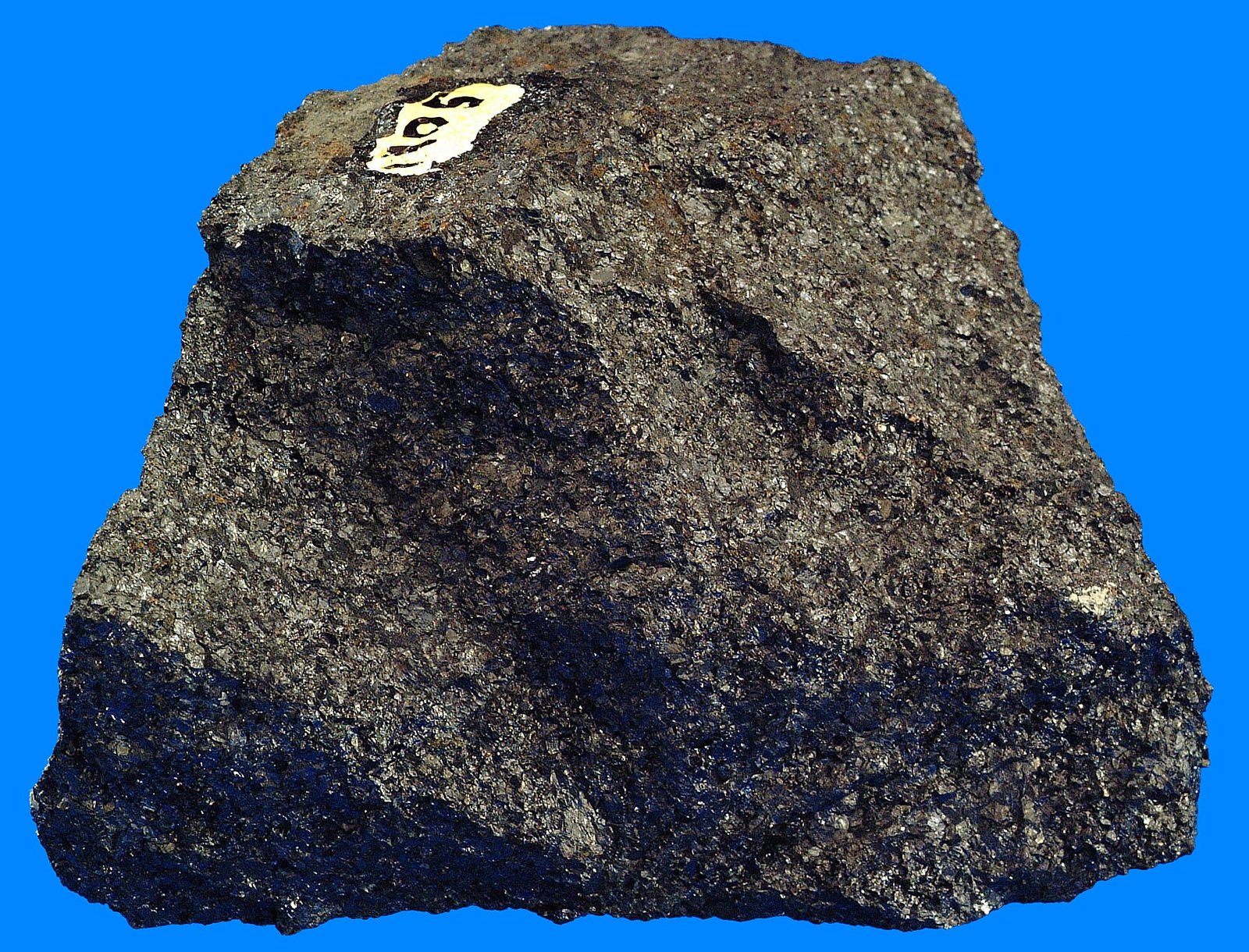
Ilmenite
The dominant titanium mineral, about 45-65% TiO2, mined from heavy mineral sand deposits along ancient shorelines.
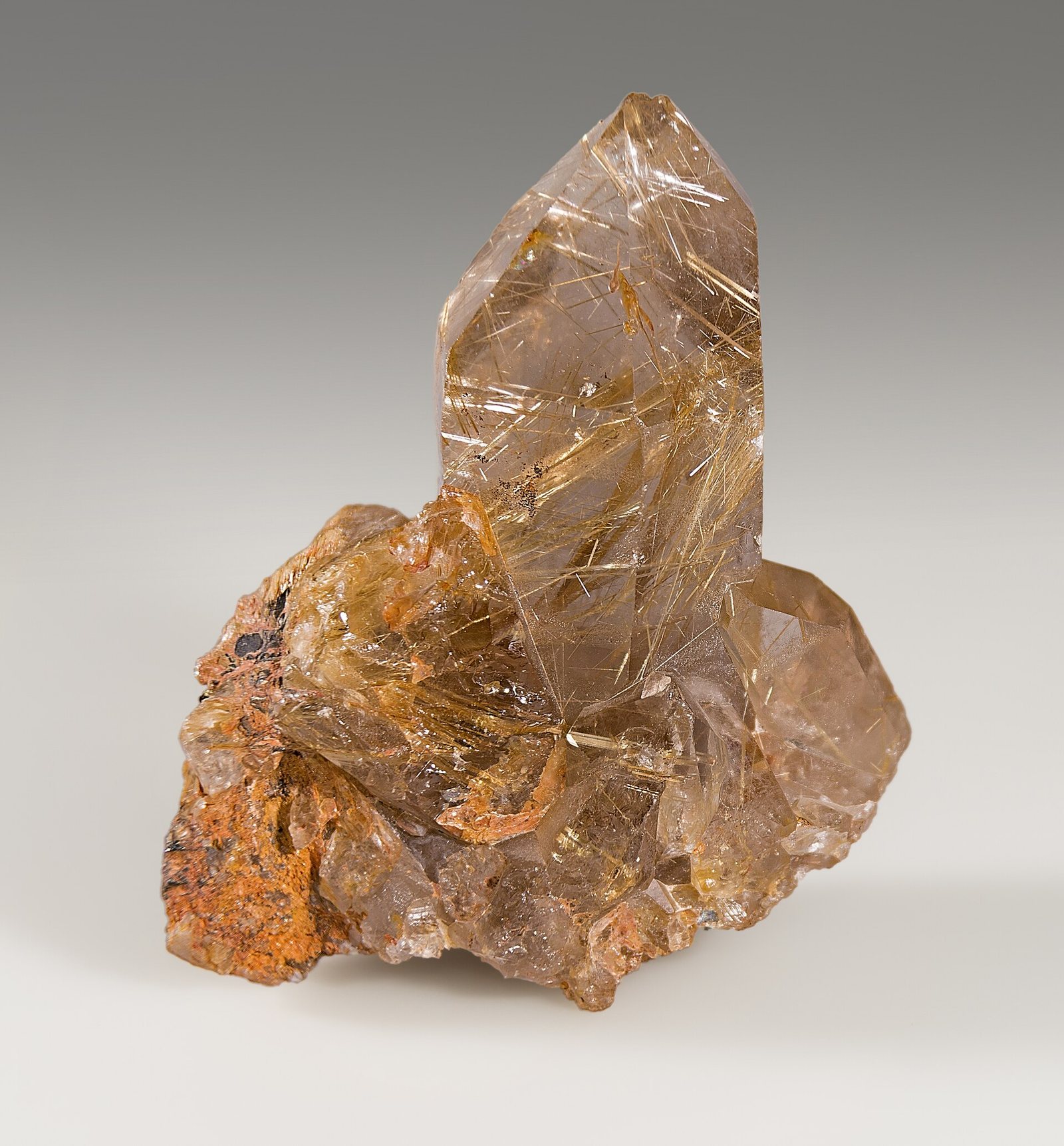
Rutile
Nearly pure titanium dioxide at about 95%. Scarcer and more valuable than ilmenite, and the preferred feed for titanium…
इसका उत्पादन कौन करता है
इसे मानचित्र पर देखें →Mine production: Ilmenite
Mine production: Ilmenitethousand metric tons 2025 (अनुमानित)
USGS Mineral Commodity Summaries 2026 · Gross weight of ilmenite plus rutile concentrate, TiO2 content varies by mineral. · स्रोत ↗
शेष कॉलम देखने के लिए तालिका को बगल में स्क्रॉल करें।
| देश | उत्पादन | विश्व का हिस्सा |
|---|---|---|
| China | 3,200 | — |
| Mozambique | 1,900 | — |
| South Africa | 1,300 | — |
| Australia | 780.0 | — |
| Norway | 390.0 | — |
| Senegal | 370.0 | — |
| Canada | 360.0 | — |
| Madagascar | 300.0 | — |
| India | 240.0 | — |
| Other countries | 230.0 | — |
| Ukraine | 200.0 | — |
| United States | 100.0 | — |
Mine production: Rutile
Mine production: Rutilethousand metric tons 2025 (अनुमानित)
USGS Mineral Commodity Summaries 2026 · Gross weight of ilmenite plus rutile concentrate, TiO2 content varies by mineral. · स्रोत ↗
शेष कॉलम देखने के लिए तालिका को बगल में स्क्रॉल करें।
| देश | उत्पादन | विश्व का हिस्सा |
|---|---|---|
| Australia | 200.0 | — |
| Sierra Leone | 110.0 | — |
| South Africa | 100.0 | — |
| India | 13.00 | — |
| Ukraine | 10.00 | — |
| Mozambique | 10.00 | — |
| Other countries | 9.00 | — |
| Kenya | Zero | — |
| United States | s | — |
Mine production: ilmenite and rutile, rounded
Mine production: ilmenite and rutile, roundedthousand metric tons 2025 (अनुमानित) विश्व कुल 9,800 thousand metric tons
USGS Mineral Commodity Summaries 2026 · Gross weight of ilmenite plus rutile concentrate, TiO2 content varies by mineral. · स्रोत ↗
शेष कॉलम देखने के लिए तालिका को बगल में स्क्रॉल करें।
| देश | उत्पादन | विश्व का हिस्सा |
|---|---|---|
| विश्व कुल | 9,800 | 100% |
Mine production: ilmenite, rounded
Mine production: ilmenite, roundedthousand metric tons 2025 (अनुमानित) विश्व कुल 9,400 thousand metric tons
USGS Mineral Commodity Summaries 2026 · Gross weight of ilmenite plus rutile concentrate, TiO2 content varies by mineral. · स्रोत ↗
शेष कॉलम देखने के लिए तालिका को बगल में स्क्रॉल करें।
| देश | उत्पादन | विश्व का हिस्सा |
|---|---|---|
| विश्व कुल | 9,400 | 100% |
Mine production: rutile, rounded
Mine production: rutile, roundedthousand metric tons 2025 (अनुमानित) विश्व कुल 450.0 thousand metric tons
USGS Mineral Commodity Summaries 2026 · Gross weight of ilmenite plus rutile concentrate, TiO2 content varies by mineral. · स्रोत ↗
शेष कॉलम देखने के लिए तालिका को बगल में स्क्रॉल करें।
| देश | उत्पादन | विश्व का हिस्सा |
|---|---|---|
| विश्व कुल | 450.0 | 100% |
"विदहेल्ड" का अर्थ है कि USGS ने किसी एकल कंपनी के डेटा के प्रकटीकरण से बचने के लिए आँकड़े को दबाया — इसका अर्थ शून्य नहीं है। देश की पंक्तियाँ हमेशा विश्व कुल के बराबर नहीं जुड़तीं क्योंकि स्रोत प्रत्येक आँकड़े को स्वतंत्र रूप से पूर्णांकित करता है और हमेशा "अन्य देश" की पंक्ति अलग नहीं निकालता।
भंडार किसके पास है
Reserves: Ilmenite
Reserves: Ilmenitethousand metric tons 2025
USGS Mineral Commodity Summaries 2026 · स्रोत ↗
| देश | भंडार | विश्व का हिस्सा |
|---|---|---|
| Australia | 170,000 | — |
| China | 110,000 | — |
| Canada | 50,000 | — |
| Other countries | 46,000 | — |
| Norway | 37,000 | — |
| Madagascar | 30,000 | — |
| South Africa | 28,000 | — |
| India | 15,000 | — |
| Ukraine | 5,900 | — |
| United States | 2,000 | — |
| Senegal | Not applicable | — |
| Mozambique | Not applicable | — |
Reserves: Rutile
Reserves: Rutilethousand metric tons 2025
USGS Mineral Commodity Summaries 2026 · स्रोत ↗
| देश | भंडार | विश्व का हिस्सा |
|---|---|---|
| Australia | 35,000 | — |
| South Africa | 6,200 | — |
| Sierra Leone | 2,900 | — |
| Ukraine | 2,500 | — |
| Mozambique | 720.0 | — |
| India | 670.0 | — |
| Other countries | >540.0 | — |
| Kenya | Zero | — |
| United States | s | — |
Reserves: ilmenite and rutile, rounded
Reserves: ilmenite and rutile, roundedthousand metric tons 2025
USGS Mineral Commodity Summaries 2026 · स्रोत ↗
| देश | भंडार | विश्व का हिस्सा |
|---|---|---|
| विश्व कुल | >540,000 | 100% |
स्रोत इस विश्व कुल को एक बिंदु-आँकड़े के बजाय एक सीमा के रूप में प्रकाशित करता है, इसलिए अंतिम स्तंभ में हिस्सेदारियाँ स्वयं सीमाएँ हैं।
Reserves: ilmenite, rounded
Reserves: ilmenite, roundedthousand metric tons 2025
USGS Mineral Commodity Summaries 2026 · स्रोत ↗
| देश | भंडार | विश्व का हिस्सा |
|---|---|---|
| विश्व कुल | >490,000 | 100% |
स्रोत इस विश्व कुल को एक बिंदु-आँकड़े के बजाय एक सीमा के रूप में प्रकाशित करता है, इसलिए अंतिम स्तंभ में हिस्सेदारियाँ स्वयं सीमाएँ हैं।
Reserves: rutile, rounded
Reserves: rutile, roundedthousand metric tons 2025
USGS Mineral Commodity Summaries 2026 · स्रोत ↗
| देश | भंडार | विश्व का हिस्सा |
|---|---|---|
| विश्व कुल | >49,000 | 100% |
स्रोत इस विश्व कुल को एक बिंदु-आँकड़े के बजाय एक सीमा के रूप में प्रकाशित करता है, इसलिए अंतिम स्तंभ में हिस्सेदारियाँ स्वयं सीमाएँ हैं।
मूल्य
dollars per metric ton: Ilmenite, average unit value of imports
वार्षिक औसतdollars per metric ton
आधार: dollars per metric ton: Ilmenite, average unit value of imports. में प्रकाशित वार्षिक औसत USGS Mineral Commodity Summaries 2026 · स्रोत ↗. ये संदर्भ वार्षिक औसत हैं, लाइव बाज़ार भाव नहीं।
dollars per metric ton: Slag, 80%–95% TiO2, average unit value of imports
वार्षिक औसतdollars per metric ton
आधार: dollars per metric ton: Slag, 80%–95% TiO2, average unit value of imports. में प्रकाशित वार्षिक औसत USGS Mineral Commodity Summaries 2026 · स्रोत ↗. ये संदर्भ वार्षिक औसत हैं, लाइव बाज़ार भाव नहीं।
dollars per metric ton
वार्षिक औसतdollars per metric ton
आधार: dollars per metric ton. में प्रकाशित वार्षिक औसत USGS Mineral Commodity Summaries 2026 · स्रोत ↗. ये संदर्भ वार्षिक औसत हैं, लाइव बाज़ार भाव नहीं।
dollars per metric ton: Ilmenite and leucoxene, bulk, f.o.b. Australia
वार्षिक औसतdollars per metric ton
आधार: dollars per metric ton: Ilmenite and leucoxene, bulk, f.o.b. Australia. में प्रकाशित वार्षिक औसत USGS Mineral Commodity Summaries 2026 · स्रोत ↗. ये संदर्भ वार्षिक औसत हैं, लाइव बाज़ार भाव नहीं।
dollars per metric ton: Rutile, bulk, minimum 95% TiO2, free on board (f.o.b.) Australia
वार्षिक औसतdollars per metric ton
आधार: dollars per metric ton: Rutile, bulk, minimum 95% TiO2, free on board (f.o.b.) Australia. में प्रकाशित वार्षिक औसत USGS Mineral Commodity Summaries 2026 · स्रोत ↗. ये संदर्भ वार्षिक औसत हैं, लाइव बाज़ार भाव नहीं।
निर्यात नियंत्रण
| देश | नियंत्रण | पर लागू होता है |
|---|---|---|
| Vietnam | Export ban | Raw materials of iron, lead-zinc, chromite, manganese, apatite, and rare earths and deeply processed titanium (2012). ↗ |
USGS Mineral Commodity Summaries 2026, table 4 — controls in effect as of January 2026, excluding controls since lifted.