Bu nedir?
A metal as strong as steel at about half the weight, which does not corrode in seawater or in the human body.
Neden önemli?
Landing gear, jet-engine fan blades, submarine hulls and hip replacements all use titanium because nothing else combines that strength, weight and corrosion resistance.
Where it is in the Earth
Titanium is the ninth most abundant element in the Earth's crust, yet it almost never occurs in a form that is straightforward to mine. The reason is chemical: titanium bonds readily with oxygen and iron, which means it is dispersed through many common rock-forming minerals at concentrations too low to be worth processing. Economic deposits form only where geological processes have worked to separate and concentrate the titanium-bearing minerals into a relatively small volume of rock or sediment.
The two minerals that matter commercially are ilmenite and rutile. Both are oxides — that is, titanium combined with oxygen, in ilmenite's case with iron added as well. They form originally in igneous and metamorphic rocks, particularly in anorthosite complexes (bodies of coarse-grained rock rich in calcium feldspar) and in mafic intrusions (rocks that crystallised from magmas relatively rich in iron and magnesium). Because ilmenite and rutile are dense and chemically resistant, they survive the weathering and erosion that break down the surrounding rock, and rivers carry them downstream as heavy mineral grains. Where wave action and longshore drift concentrate these grains against a coastline, they accumulate as heavy mineral sands — often called mineral sands deposits. The same sorting process can happen in ancient, now-buried beaches that were later covered by younger sediments, producing what the industry calls fossil or palaeodune deposits.
This explains the geographical pattern visible in the production table. The largest known concentrations of mineral sands lie around the Indian Ocean rim, in parts of Australia, southern Africa, India and Sri Lanka, as well as along some Atlantic coastlines. Anorthosite-hosted deposits occur in Norway, Canada and parts of China. The location of a country's resource is therefore largely an accident of where ancient coastlines ran and where the right kind of igneous activity took place, not of any policy or industrial decision.
Getting it out
Most titanium-bearing ore is mined as loose sand — or as soft, sandy rock that behaves like loose sand once excavated. This makes open-pit or open-cast methods the natural choice. Heavy machinery strips away overlying material (called overburden) to expose the ore horizon, and the mineral-bearing sand is then dug up and moved to a processing plant nearby. Because the valuable minerals make up only a small fraction of the total sand even in a good deposit, very large volumes of material move for every tonne of titanium mineral recovered. The gangue — the unwanted material, mostly quartz sand — is typically returned to the worked-out pit as a form of land rehabilitation.
Some deposits lie beneath water tables or shallow coastal lagoons, in which case a floating dredge cuts into the ore face and pumps a slurry of sand and water to a floating concentrator on the same pond. This avoids the need to dewater the pit and works continuously as the dredge advances. Dredging tends to suit flat, low-lying coastal plain deposits; open-pit truck-and-shovel operations suit harder or more elevated ore bodies. In either case, the grade of the ore — meaning the proportion of heavy minerals it contains — determines how much total sand must be handled per tonne of ilmenite or rutile produced. A lower-grade deposit requires moving proportionally more material, which increases fuel consumption, equipment wear and waste-handling cost even if the ore itself is cheap to excavate.
Titanium metal is not mined directly. What the mine produces is a mineral concentrate — grains of ilmenite or rutile separated from the quartz sand. This concentrate then travels to chemical plants, sometimes on a different continent, before it becomes anything resembling a metal. The gap between a mine producing mineral sand and a factory producing titanium sponge (the porous, metallic intermediate product) is therefore large, both in distance and in the number of separate industrial steps involved.
What pulls on it
Titanium's commercial life rests on a combination of properties that very few materials share: a strength-to-weight ratio competitive with high-strength steel, near-total resistance to corrosion in both seawater and biological fluids, and biocompatibility that allows it to sit inside the human body without triggering an immune response. These properties define which industries buy it. Aerospace — both commercial aviation and defence — has historically been the largest consumer, using titanium in airframe structures, landing gear, hydraulic tubing and the fan and compressor sections of jet engines where temperatures are moderate enough for titanium alloys to retain their strength.
The medical sector takes a smaller but very consistent share, concentrated in orthopaedic implants (hip and knee replacements, spinal hardware) and dental implants. Demand from this quarter grows broadly in line with ageing populations and expanding access to elective surgery in middle-income countries, and it is less sensitive to economic cycles than aerospace demand. Chemical processing and desalination plants use titanium for heat exchangers and reactor vessels that must handle corrosive media, though this is a smaller share of total consumption.
A newer source of demand appears in the end-markets table: proton exchange membrane (PEM) electrolysers, which use titanium in bipolar plates and porous transport layers because those components must conduct electricity while resisting the highly acidic, oxidising internal environment. The material-intensity table records the titanium requirement for this application as between 200 and 600 kilograms per megawatt of electrolyser capacity — a wide range that reflects design variation across manufacturers. If hydrogen electrolysis capacity grows substantially, the implied titanium requirement could become significant relative to current sponge output, though how quickly that demand materialises depends on factors beyond the metal itself. Demand would change sharply downward if aerospace build rates fell for a sustained period, as they did during the early 2020s, because that sector drives the premium end of the market and any excess sponge capacity depresses prices across the board.
Turning ore into product Seviye 3
The journey from mineral sand concentrate to usable titanium metal passes through several chemically distinct stages, and the cost and difficulty accumulate at each one. Rutile, with a titanium dioxide content of around 95%, can feed directly into the chloride process: the mineral is mixed with coke (carbon) and reacted with chlorine gas at high temperature to produce titanium tetrachloride, a volatile liquid known in the industry as TiCl4 or "tickle." Ilmenite, whose TiO2 content runs between roughly 45% and 65%, carries too much iron to chlorinate efficiently without first upgrading it. This upgrading is done either by smelting ilmenite in an electric arc furnace to drive off iron as pig iron and leave a higher-TiO2 slag, or by a hydrometallurgical leach route. The resulting synthetic rutile or slag then enters the chloride circuit.
Purification of TiCl4 by fractional distillation is essential because the Kroll process that follows is extremely sensitive to contamination. In the Kroll process, purified TiCl4 is reduced by magnesium metal in a sealed, inert-atmosphere reactor at high temperature. The product is a porous mass of titanium sponge interspersed with magnesium chloride, which is removed by vacuum distillation. Magnesium is recovered and recycled back into the process, but the energy demand is large. The entire Kroll sequence is batch-operated, which limits throughput and creates long lead times between ore purchase and finished sponge. Continuous alternatives to Kroll have been studied for decades — the Cambridge FFC process and the Armstrong process among them — but none has displaced Kroll at industrial scale as of the data available here.
From sponge, the next steps are melting and alloying, typically in vacuum arc remelting (VAR) furnaces where consumable electrodes of compacted sponge are melted under high vacuum to avoid contamination by oxygen or nitrogen. Multiple remelt passes are standard for aerospace-grade ingot to ensure chemical homogeneity. The ingot is then forged, rolled or otherwise worked into the billet, bar, sheet or tube that manufacturers actually purchase. Each conversion step carries a yield loss — scrap generated by trimming, conditioning and rejected material — so the quantity of sponge required per kilogram of finished mill product is meaningfully greater than a simple weight balance would suggest.
Substitution and recycling Seviye 3
For structural aerospace applications, the realistic substitutes for titanium are aluminium alloys, nickel superalloys and carbon-fibre-reinforced polymer composites, each of which fills part of titanium's performance envelope but not all of it. Aluminium is lighter but weaker at elevated temperatures and corrodes in certain environments; it suits airframe skins but not components near hot sections or in contact with carbon-fibre structures, where galvanic corrosion becomes an issue. Nickel superalloys handle higher temperatures but are considerably denser, so replacing titanium with nickel in a rotating component adds weight that must be compensated elsewhere. Composites offer an excellent strength-to-weight ratio but cannot match titanium's ductility, resistance to fatigue at joints or ease of machining to close tolerances.
In medical implants, the substitution picture is narrow. Cobalt-chromium alloys and certain stainless steels can serve similar functions, but titanium's biocompatibility is superior for long-term implants and its elastic modulus (a measure of stiffness) is closer to that of bone, which reduces the mechanical mismatch that can lead to bone loss around an implant. Substitution away from titanium in this sector therefore involves a genuine clinical trade-off. In PEM electrolyser applications, platinum-group-metal coatings are applied to titanium components specifically to extend their life; replacing the titanium substrate would require a material that is equally corrosion-resistant in strongly acidic, oxidising conditions, and no common engineering metal meets that requirement without substantial coating systems of its own.
Recycling of titanium is technically straightforward — it is melted and remelted without degradation — but the recovery rate from end-of-life products is limited by the way titanium is used. Aerospace components are maintained, overhauled and eventually retired within controlled supply chains, so the scrap that arises is largely process scrap (turnings, trimmings and revert from manufacturing) rather than post-consumer scrap. This manufacturing scrap is routinely recycled, often blended back into sponge compacts for non-critical applications. End-of-life medical implants are generally buried with their recipients or disposed of through medical-waste streams rather than recovered as metal. The consequence is that the industry's recycling input is dominated by industrial arisings rather than by collection from end users, and the total circulating scrap cannot grow faster than the manufacturing base that generates it.
Where the chain is fragile Seviye 4
The production table makes the concentration problem visible. Of the world total of 370,000 metric tons of sponge reported for 2025, China accounts for 260,000 metric tons — meaning a single country produces the majority of the world's titanium sponge. Japan and Russia together add most of the remainder. The United States, which operates a significant aerospace manufacturing base and is listed as a producer, has its sponge output withheld by the data source, which prevents direct comparison but does not imply zero output. The structural point stands: the upstream metal supply is geographically concentrated in a way that the downstream consuming industries — spread across North America, Europe and East Asia — are not. Any sustained disruption to Chinese or Japanese sponge production would leave aerospace manufacturers with limited alternative sources at comparable scale.
A second fragility runs through the processing chain. Mineral sands (the mine output) and titanium sponge (the metal intermediate) are produced in different countries by different industries using different capital equipment. The chlorination, TiCl4 purification and Kroll reduction steps require dedicated, capital-intensive plant with long construction and qualification lead times. Adding sponge capacity is not a matter of months; the equipment procurement, construction, process qualification and customer approval cycle for aerospace-grade sponge is measured in years. This means that a demand surge — or a supply interruption — cannot be corrected quickly by building new capacity, and inventory held by downstream consumers provides the only near-term buffer.
Reporting conventions introduce a third layer of uncertainty that affects how the tables should be read. The production figures in the database are given on a sponge-metal basis, not on a mineral concentrate basis. These are different orders of magnitude and are not interchangeable; the data notes this explicitly. Published figures from different national statistical agencies, industry associations and geological surveys use different unit bases, different definitions of what counts as "production" (mine output, smelter output, or refined product), and different treatments of by-product or co-product streams. Where a country's figure is withheld, it may reflect confidentiality rules applied when only one or two producers operate, not an absence of production. Researchers reconciling these tables against trade statistics or company reports will encounter discrepancies that arise from these definitional differences rather than from errors in any single source.
Kayada nereden gelir
Tüm cevher mineralleri →Bunlar gerçekten taşıyan mineraller titanium. Bir yatak, ancak içindeki minerallerden biri çıkarma maliyetini karşılayacak kadar yüksek tenörde olduğunda cevher kütlesi sayılır.
Ilmenite
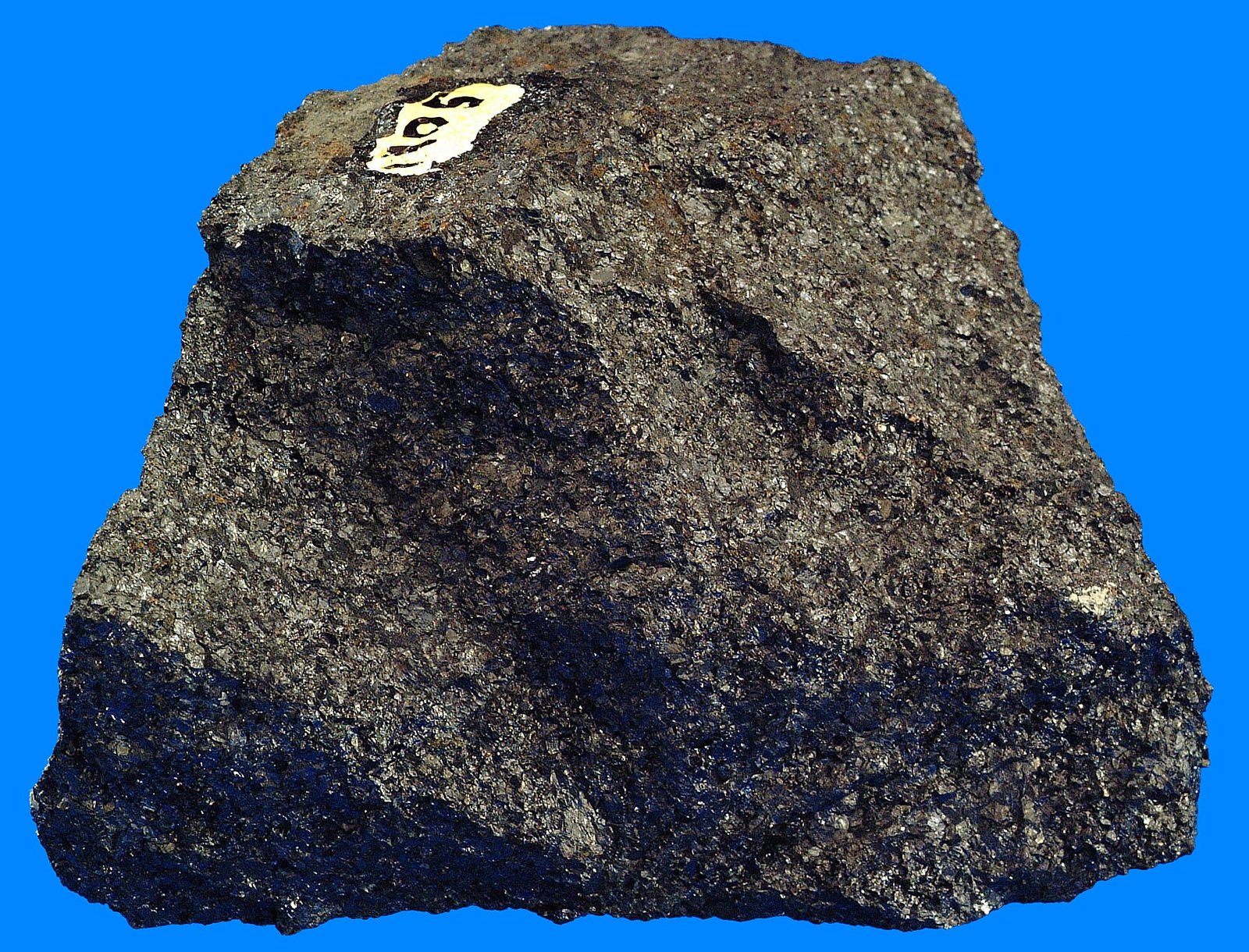
The dominant titanium mineral, about 45-65% TiO2, mined from heavy mineral sand deposits along ancient shorelines.
Rutile
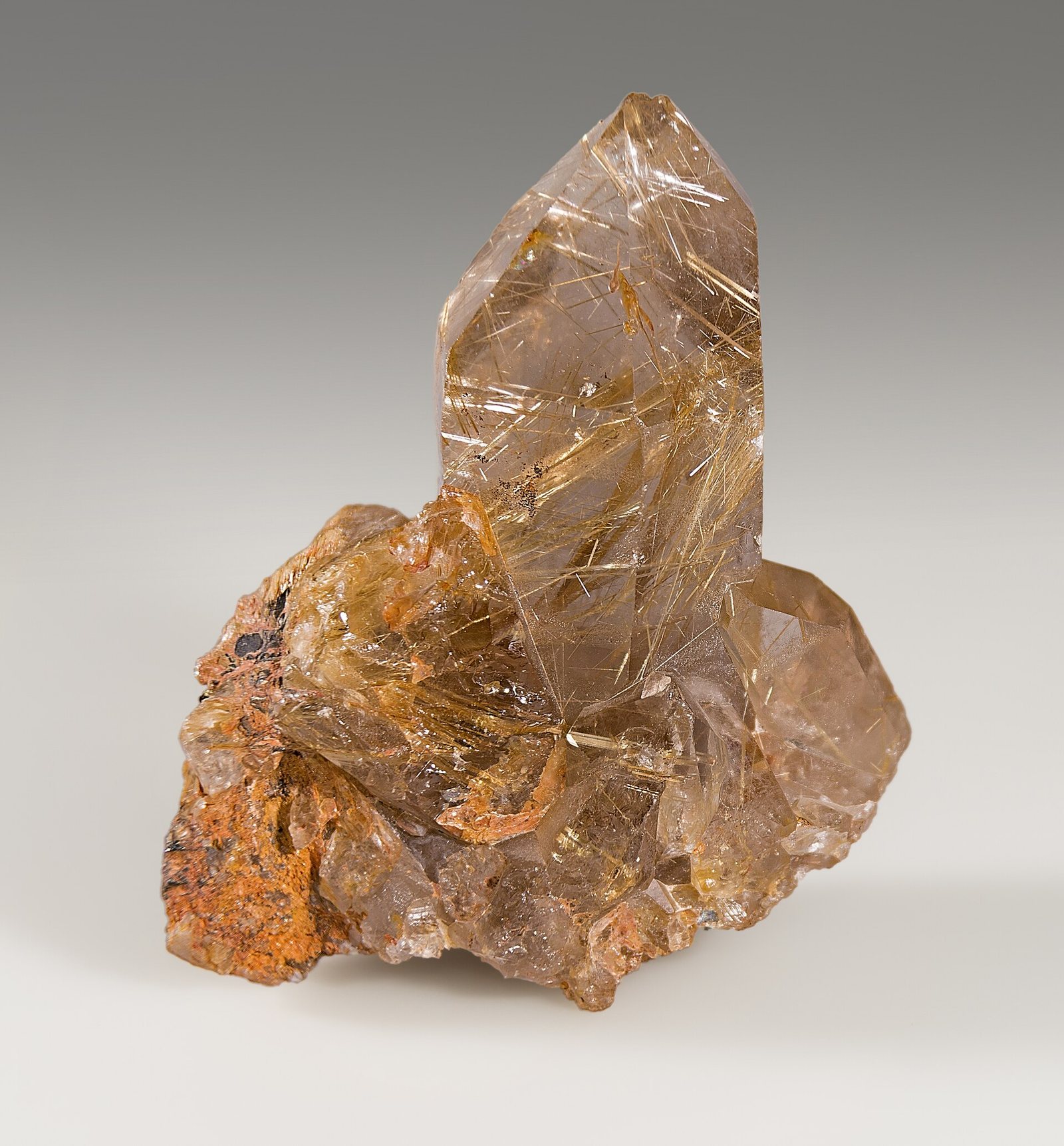
Nearly pure titanium dioxide at about 95%. Scarcer and more valuable than ilmenite, and the preferred feed for titanium…
Kim üretiyor
Haritada gör →Titanium sponge metal production
Titanium sponge metal productionmetric tons 2025 (tahmini) Dünya toplamı 370,000 metric tons
USGS Mineral Commodity Summaries 2026 · Sponge metal production, not mineral concentrate — the two are different tables and different orders of magnitude. · kaynak ↗
Kalan sütunlar için tabloyu yatay kaydırın.
| Ülke | Üretim | Dünya payı |
|---|---|---|
| China | 260,000 | 70.3% |
| Japan | 53,000 | 14.3% |
| Russia | 25,000 | 6.8% |
| Kazakhstan | 16,000 | 4.3% |
| Saudi Arabia | 12,000 | 3.2% |
| India | 300.0 | 0.1% |
| Germany | Zero | — |
| Mexico | Zero | — |
| Ukraine | Zero | — |
| United Kingdom | Zero | — |
| Other countries | Zero | — |
| United States | Zero | — |
| Australia | Zero | — |
| Canada | Zero | — |
| Dünya toplamı | 370,000 | 100% |
"Gizli tutulmuş", USGS'nin tek bir şirketin verisini ifşa etmekten kaçınmak amacıyla rakamı yayımlamadığı anlamına gelir; sıfır anlamına gelmez. Kaynak her rakamı bağımsız olarak yuvarladığı ve her zaman "diğer ülkeler" satırını ayrıştırmadığı için ülke satırları her zaman dünya toplamına eşit olmayabilir.
Fiyat
dollars per kilogram
Yıllık ortalamadollars per kilogram
Dayanak: dollars per kilogram. Şurada yayımlanan yıllık ortalamalar: USGS Mineral Commodity Summaries 2026 · kaynak ↗. Bunlar referans yıllık ortalamalar olup canlı piyasa fiyatı değildir.
Nerede işlenir ve rafine edilir
| Tesis | Tür | Aşama | Ülke | Rol |
|---|---|---|---|---|
| Aero-Engine Turbine Plant, Derby | Üretim tesisi | Ürün | United Kingdom | Girdi |
Ne için kullanılır
Tüm son kullanım piyasaları →| Son pazar | Orada ne işe yarar | Önem |
|---|---|---|
| Aerospace & Defence | Airframe and engine structure | Tanımlama |
| Medicine & Health | Implants and instruments | Tanımlama |
| Hydrogen & Electrolysis | PEM bipolar plates | Önemli |
| Robotics & Automation | Lightweight structural parts | Günümüz |
Bir teknolojinin ne kadar ihtiyaç duyduğu
| Teknoloji | Miktar | Kote edilen | Dayanak |
|---|---|---|---|
| PEM Electrolyser | 200.0–600.0 kg | per MW of capacity | Bipolar plates and porous transport layers |
Indicative range compiled from published technology studies and chemistry; verify against a manufacturer specification before use. Bu rakamları malzeme hesaplayıcısında istediğiniz ölçekte çalıştırın →
İhracat kontrolleri
| Ülke | Kontrol | Uygulandığı kapsam |
|---|---|---|
| Vietnam | Export ban | Raw materials of iron, lead-zinc, chromite, manganese, apatite, and rare earths and deeply processed titanium (2012). ↗ |
USGS Mineral Commodity Summaries 2026, table 4 — controls in effect as of January 2026, excluding controls since lifted.