Rock to product, traced
Commodity Education
★
Commodity Education
Materials Mines & deposits Processing & refining Custody journeys Supply chains Companies Countries News
Materials by shelf Battery Materials Rare Earth Elements Copper & Electrical Semiconductor Materials Nuclear Materials Aerospace & Defence Precious Metals Steel & Alloy Metals Industrial Minerals Agricultural Minerals Energy Raw Materials Ore minerals Periodic table
Demand End markets Technologies Material calculator Maps Screener
Learn & tools LearnGlossary Courses Identify the Commodity Ask the DataAI agents Research & dataAPI ★ Saved
About About usMethodology Data sourcesContact Disclaimer
Reading options
Guided View New to ore grades, concentrate, refining and by-products? We explain every term as you browse, in plain English. Same data, with the help built in.
Expert View You already know the industry. Just the data: clean, fast and compact, with no extra explanations. This is the default view.
Theme
Interface language
Depth Material pages are written at four levels. Pick one on any material page and it is remembered.
★ Saved Research & data
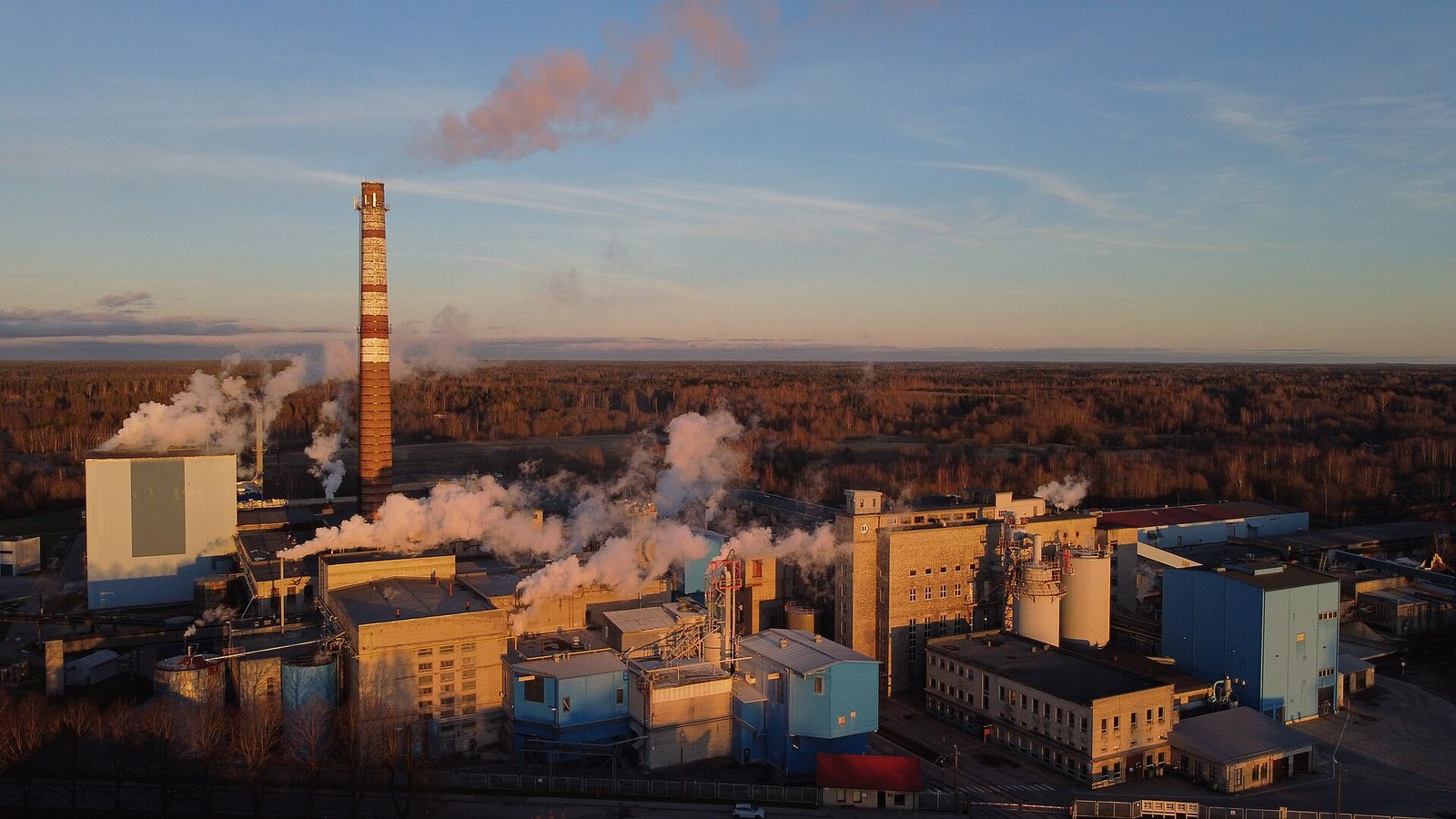
A pulp and paper mill at dusk, with steam rising from the plant

Wood & Forest Products

Wood Pulp

Wood reduced to its individual fibres, by cooking or by grinding, ready to be made into paper, board or textile.

Kehra pulp and paper mill in Estonia (November 2021) · Sillerkiil · CC BY-SA 4.0 · Wikimedia Commons

What is it?

Wood reduced to its individual fibres, by cooking or by grinding, ready to be made into paper, board or textile.

Why does it matter?

Pulp is where the wood that cannot be sawn goes, and it is the link between forestry and two enormous industries - packaging and, through dissolving pulp, clothing. Its economics are the reverse of lumber's: pulp mills want small, uniform, fast-grown fibre, not big clean logs.

Deeper written sections for this material have not been published yet. Everything below is drawn straight from the source datasets and is complete.

Read the numbers correctly. Metric tonnes, air-dry. Pulp tonnages and roundwood cubic metres cannot be added: roughly 4 to 5 cubic metres of pulpwood make a tonne of chemical pulp, with the rest lost as lignin and extractives. Shipped as dried bales, or piped wet to a paper machine on the same site. Bleached softwood kraft is the long-fibre reinforcement grade and prices at a premium to hardwood kraft, which supplies bulk and smoothness.

Price

Wood pulp, US producer price index

Annual averageIndex 1982=100

2000 · 137.3 high 268.9 Index 1982=100 2026 · 218.4

Basis: US producer price index for wood pulp. An index, not a price. Market pulp is quoted in dollars per tonne by grade and region, and those assessments are commercial products.. Annual averages as published in FRED (US Bureau of Labor Statistics producer price indexes) · source ↗. These are reference annual averages, not a live market quote.

What it is used for

All end markets →
End marketWhat it does thereImportance
Packaging & Paper The fibre itself Defining

Traced supply chains

In the news

More →

Why Fossil Fuel Demand Can Rise Even as Clean Energy Wins Terrain

OilPrice.com22 Oct 2026↗

Tesla Shareholders Likely to Demand a Premium: New Street's Harwood

Bloomberg Technology22 Oct 2026↗

Woodside Resumes Work at Australian LNG Project after Greenpeace Stunt

OilPrice.com19 Oct 2026↗

Materials

All materials Critical minerals Rare earths Battery materials Ore minerals Periodic table Screener

The ground

Mines & deposits Processing & refining Countries Maps

The economy

Custody journeys Supply chains End markets Technologies Companies Material calculator

Learn

LearnGlossary Ask the DataAI agents Research & dataOpen API News★ Saved

About us

About usContact MethodologyData sources Editorial policy Privacy policyTerms of use Disclaimer