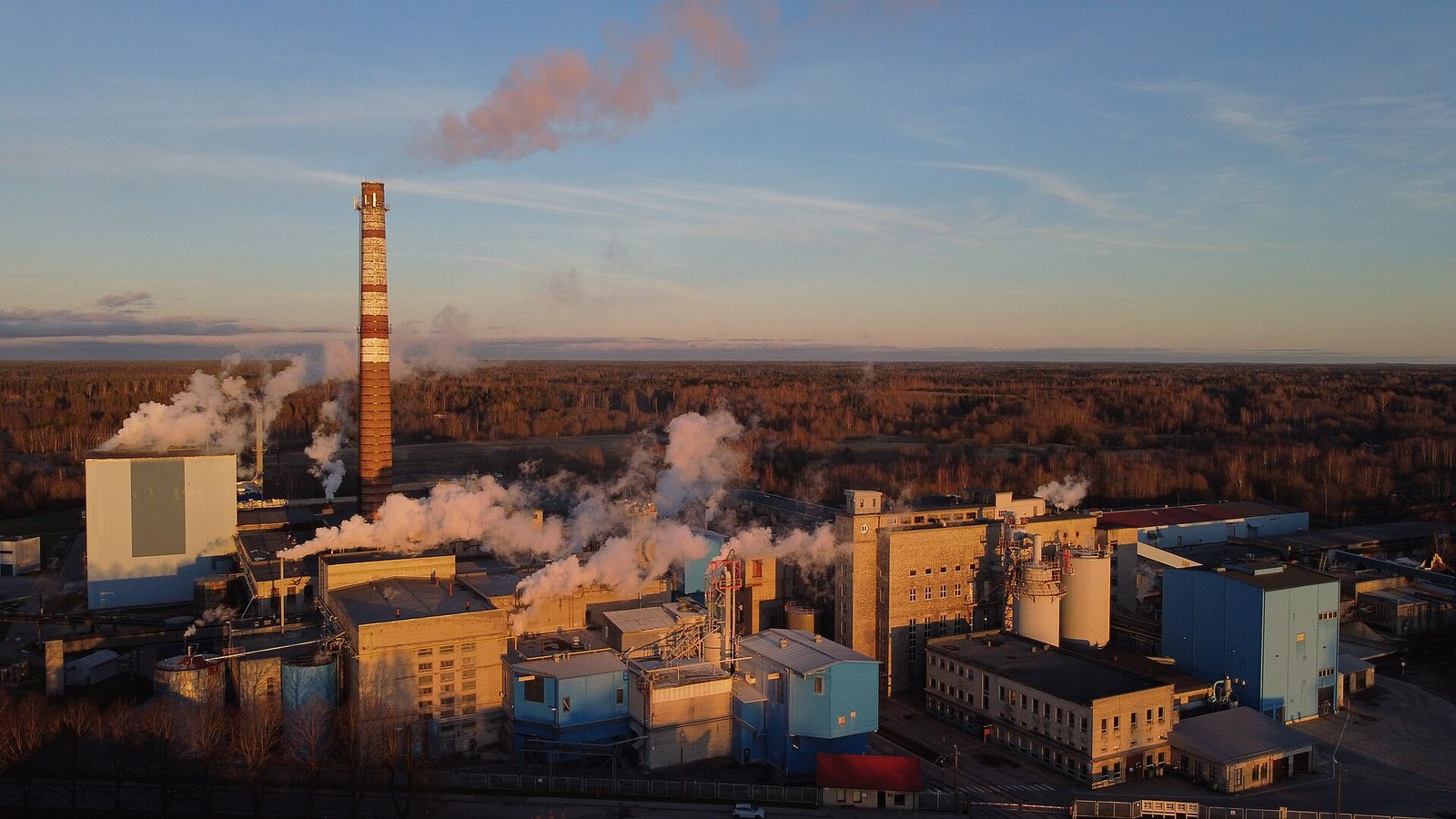
What is it?
Wood reduced to its individual fibres, by cooking or by grinding, ready to be made into paper, board or textile.
Why does it matter?
Pulp is where the wood that cannot be sawn goes, and it is the link between forestry and two enormous industries - packaging and, through dissolving pulp, clothing. Its economics are the reverse of lumber's: pulp mills want small, uniform, fast-grown fibre, not big clean logs.
Deeper written sections for this material have not been published yet. Everything below is drawn straight from the source datasets and is complete.
Price
Wood pulp, US producer price index
Annual averageIndex 1982=100
Basis: US producer price index for wood pulp. An index, not a price. Market pulp is quoted in dollars per tonne by grade and region, and those assessments are commercial products.. Annual averages as published in FRED (US Bureau of Labor Statistics producer price indexes) · source ↗. These are reference annual averages, not a live market quote.
What it is used for
All end markets →| End market | What it does there | Importance |
|---|---|---|
| Packaging & Paper | The fibre itself | Defining |
Traced supply chains
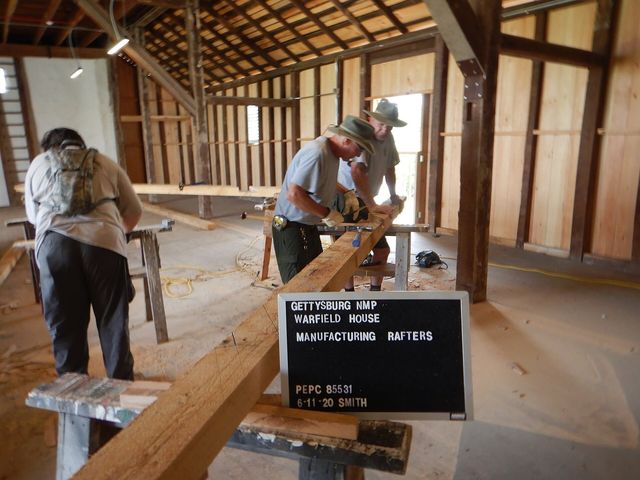
Standing tree to house frame
The stump-to-stud route that most of the world's homes are built through, and where the value is actually added.
Plantation to cardboard box
How the trees a sawmill does not want become the packaging around everything bought online.