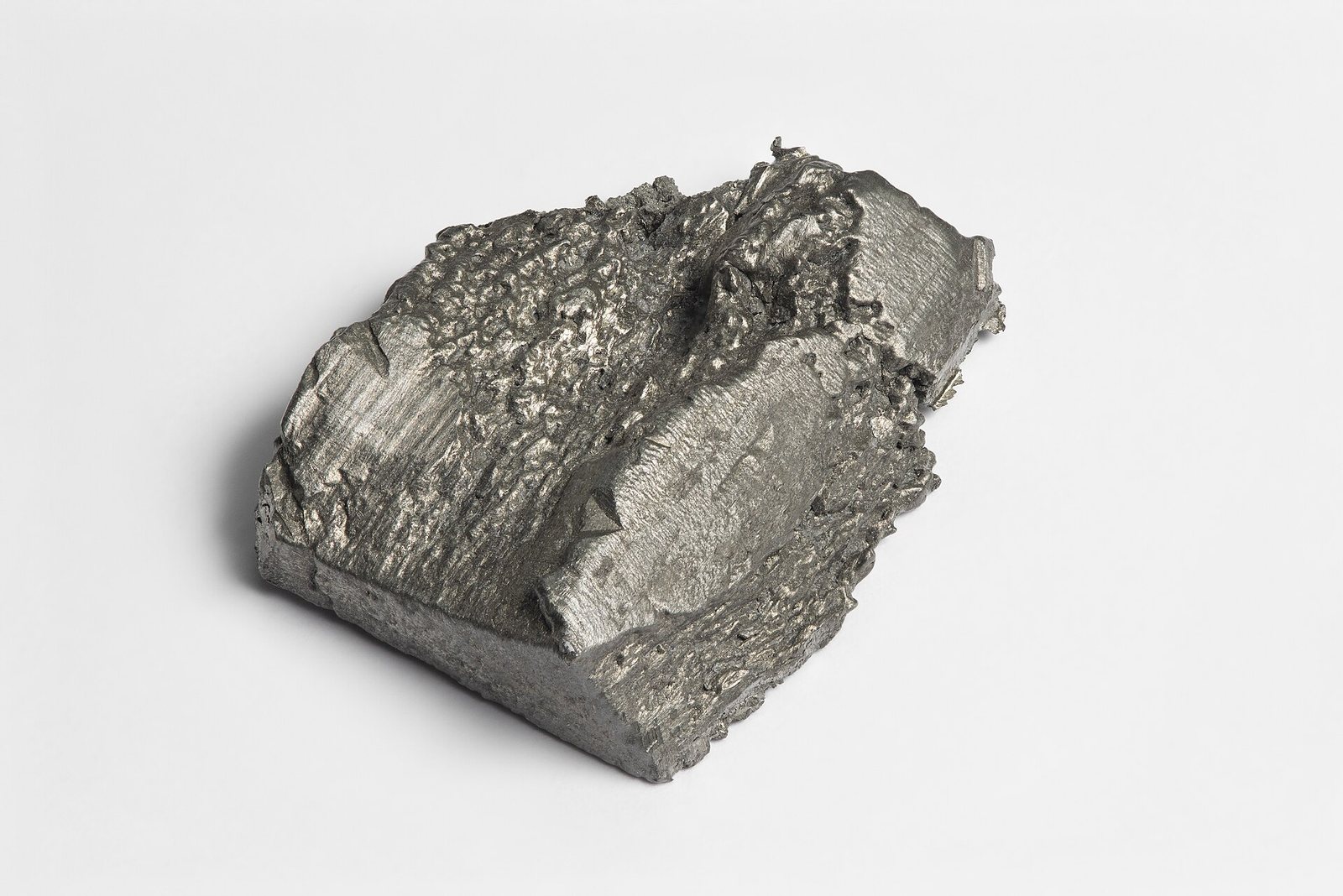
이것은 무엇인가?
Counted as a rare earth even though it sits elsewhere on the periodic table, because it behaves like one and is found with them.
왜 중요한가?
Yttria-stabilised zirconia is the ceramic coating that lets a jet-engine turbine blade sit in gas hotter than the metal's own melting point.
Where it is in the Earth
Yttrium sits in an odd position in chemistry: it is not formally a lanthanide — the group of elements most people mean when they say "rare earths" — yet it behaves almost identically to them in its bonding and its size. That chemical resemblance is why yttrium ends up in the same rocks, in the same deposits, and in the same processing streams as the lanthanide rare earths. The periodic table places it above the lanthanides, but geology makes no meaningful distinction.
The element becomes concentrated in the Earth's crust through two quite different geological routes. The first is magmatic and hydrothermal: when silica-rich magmas cool slowly, late-crystallising phosphate minerals such as xenotime (yttrium phosphate, YPO₄) grow within the rock. Xenotime is chemically stubborn; it resists weathering far better than the surrounding silicate minerals, so it tends to accumulate in placer deposits — gravels and sands where rivers have sorted heavy, durable grains over long periods. The second route is weathering itself. In the deeply tropical, warm and wet conditions of southern China, granites that already contain trace concentrations of rare earths are chemically broken down over millions of years. The clay mineral kaolinite forms, and the rare-earth ions — including yttrium — are loosely adsorbed, meaning they cling electrostatically to the surface of the clay particles rather than being locked inside a crystal. These are the ion-adsorption clay deposits, and they are the world's dominant source of the heavier rare earths, among which yttrium is grouped by convention because of its similar ionic size.
The geography of these deposits explains much about the supply chain. Ion-adsorption clays are distributed across the weathered-granite provinces of southern China — Jiangxi, Guangdong, Fujian and neighbouring provinces. Because the enrichment process depends on a specific combination of parent-rock chemistry and prolonged tropical weathering, analogous deposits are rare elsewhere, though prospecting continues in parts of Southeast Asia, Madagascar and Brazil. Xenotime-bearing placers and hard-rock deposits exist in Malaysia, Australia and elsewhere, but their yttrium content and the economics of extracting it have generally made them secondary to the Chinese clay resource.
Getting it out
How yttrium is mined depends almost entirely on which of its two main ore types is being worked. Xenotime from hard-rock or placer deposits is recovered much like any heavy-mineral sand operation: the ore is dug or dredged, slurried with water, and passed over equipment that separates minerals by their different densities and surface properties. Xenotime, being dense, settles or concentrates preferentially, then goes forward for chemical treatment.
The ion-adsorption clay deposits of southern China work on a fundamentally different principle. The yttrium and other rare-earth ions are not locked inside a mineral grain; they are held loosely on clay surfaces by electrostatic attraction. This means they can be displaced using a solution — historically ammonium sulfate, though regulatory pressure has pushed operators toward other agents — that swaps a cheap, abundant ion for the rare-earth ion, releasing it into solution. This process is called in-situ leaching: rather than excavating the entire hillside, operators drill injection wells near the top of the weathered zone and pump the leaching solution in. The solution percolates downward through the clay, picks up the rare-earth ions, and is collected from drainage points at the base. The ore grade in these deposits is very low — the concentration of rare earths including yttrium is a small fraction of the rock by weight — but because the extraction method moves solution rather than rock, the waste-to-product ratio looks quite different from a conventional open-pit mine. The landscape is disturbed by injection infrastructure and drainage works rather than by vast spoil heaps, though the environmental footprint from residual leaching chemicals in groundwater has been a serious and documented problem in producing regions.
The practical consequence of low grade is that very large areas of weathered hillside must be treated to produce modest quantities of oxide. Production is diffuse, carried out by many small operators working different sections of the clay terrain, which has historically made it difficult to regulate uniformly. Chinese authorities have attempted consolidation of these operations into larger, more accountable entities, with mixed results over the years.
What pulls on it
Yttrium's end uses cluster around a small number of properties that are difficult to replicate with other elements. The most technically demanding application is as a stabiliser in zirconia ceramics. Pure zirconium oxide undergoes a disruptive crystal-structure change on heating and cooling, which would cause a ceramic part to crack in service. Adding yttrium oxide suppresses this transformation and produces what is called yttria-stabilised zirconia (YSZ), a material that remains dimensionally stable across very wide temperature swings. YSZ is the standard material for thermal barrier coatings on jet-engine turbine blades, where it insulates the metal from combustion gases hotter than the metal itself could survive. Demand here tracks the production and maintenance of gas turbines, both for aviation and for power generation.
A second historically important use is in phosphors — materials that absorb one wavelength of light and emit another. Europium-doped yttrium oxide and yttrium orthovanadate were essential components of the red phosphor in cathode-ray tube (CRT) televisions and computer monitors. The near-complete replacement of CRT displays by flat-panel technologies has removed a large portion of what was once a dominant demand stream. Phosphor demand persists in fluorescent and LED lighting applications, but the volumes are smaller and the compositions have shifted. This contraction in phosphor demand is a significant reason why yttrium's price history shows the kind of volatility visible in the data: the element moved from scarcity to relative surplus as CRT production collapsed.
Two areas represent growing demand. Solid-oxide fuel cells and solid-oxide electrolysers — devices that convert between electricity and hydrogen at high temperatures — use YSZ as their electrolyte, the layer through which oxygen ions migrate. As interest in hydrogen production and in high-efficiency distributed power grows, this application draws increasing attention. Yttrium also appears in certain laser gain media, notably yttrium aluminium garnet (YAG), used in industrial and medical lasers. Neither application is yet large enough individually to dominate the demand picture, but collectively they represent a shift toward energy and industrial technology rather than the consumer electronics base that shaped the market a generation ago.
Turning ore into product 수준 3
Whether yttrium enters the processing chain from xenotime or from ion-adsorption clay leachate, the objective is the same: to produce a purified yttrium compound, typically yttrium oxide (Y₂O₃), at a purity appropriate for the end use. For xenotime, the mineral concentrate is first digested — dissolved — using either sulfuric acid or caustic soda (sodium hydroxide). This breaks the phosphate crystal and brings yttrium and any co-occurring rare earths into solution. Ion-adsorption clay leachate arrives already in solution, but it carries a complex mixture of all the rare-earth ions that were adsorbed on the clay, along with calcium, magnesium, aluminium and other impurities that must be removed.
The separation of individual rare-earth elements from one another is chemically demanding. Their ionic radii — the effective size of the ion in solution — differ only slightly across the series, which means ordinary precipitation or crystallisation cannot cleanly distinguish one from another. The industry-standard method is solvent extraction, sometimes called liquid-liquid extraction or SX. The mixed rare-earth solution is contacted repeatedly with an organic solvent carrying a carefully chosen extractant molecule. Different rare-earth ions partition between the aqueous and organic phases at slightly different ratios depending on pH and extractant choice. By running many successive stages of extraction and stripping — washing the ion back out of the organic phase — the elements are progressively separated. Yttrium's ionic radius is close to that of the heavier lanthanides (holmium, erbium, thulium), which means separating it cleanly requires many extraction stages and careful process control. This is where a significant portion of the cost and the processing expertise sit. The Ganzhou cluster in Jiangxi province has accumulated decades of engineering experience in exactly this separation chemistry, which is one reason processing capacity remains concentrated there even as raw ore comes from various parts of southern China.
After solvent extraction yields a purified yttrium solution, the oxide is precipitated — typically using oxalic acid, which forms yttrium oxalate — and then calcined (heated in a furnace) to drive off the oxalate and leave Y₂O₃. For applications requiring yttrium metal rather than oxide, a further reduction step using calcium or lanthanum under inert atmosphere is performed. Each conversion step introduces yield losses; the cumulative recovery from ore to finished oxide is well below 100%, and the exact figures are commercially sensitive and not published uniformly across operators.
Substitution and recycling 수준 3
In thermal barrier coatings, yttria-stabilised zirconia has a long development and qualification history in aerospace, and qualification of turbine materials is a slow, heavily documented process. Alternative stabiliser chemistries — using gadolinium, dysprosium or other rare earths — have been studied and in some cases applied as overlay coatings or in next-generation two-layer systems. These alternatives can offer advantages in specific temperature ranges or thermal conductivity, but they do not simply replace YSZ; they change the coating architecture and require their own qualification programmes. At present, YSZ remains the baseline for the overwhelming majority of deployed coatings, and a straightforward substitution that preserves performance without further development effort does not exist.
In phosphors, the practical substitution has largely already occurred, and it ran in yttrium's disfavour: LED phosphor systems use different host materials and different rare earths, meaning that the transition away from CRT and fluorescent technology reduced yttrium demand without offering an alternative use. In solid-oxide electrochemical cells, scandia-stabilised zirconia offers better ionic conductivity at somewhat lower temperatures, which is attractive for system efficiency, and scandium may take share from yttrium in this specific niche as the technology matures. Scandium, however, is itself scarce and expensive, so the substitution is not straightforward economically.
Recycling of yttrium from end-of-life products is minimal at the scale of total supply. Turbine blades do reach end-of-life and are processed for nickel and other superalloy components, but the ceramic coating — the part containing yttrium — is typically removed and discarded rather than refined for rare-earth recovery. The quantities per blade are small, the coating is intimately bonded to complex geometry, and no commercial-scale collection and refining infrastructure for this stream has been established. End-of-life lamp phosphors, a richer source, were the subject of recycling pilots in Europe and Japan following the 2011–2012 rare-earth price spike, but most of those programmes did not reach economic viability at prevailing prices and have not been sustained at meaningful scale.
암석 내 산출 위치
전체 광석 광물 →실제로 이를 함유하는 광물은 다음과 같다: yttrium. 광체(orebody)란 채굴 비용을 충당할 만큼 특정 광물이 충분히 농집된 광상을 말한다.
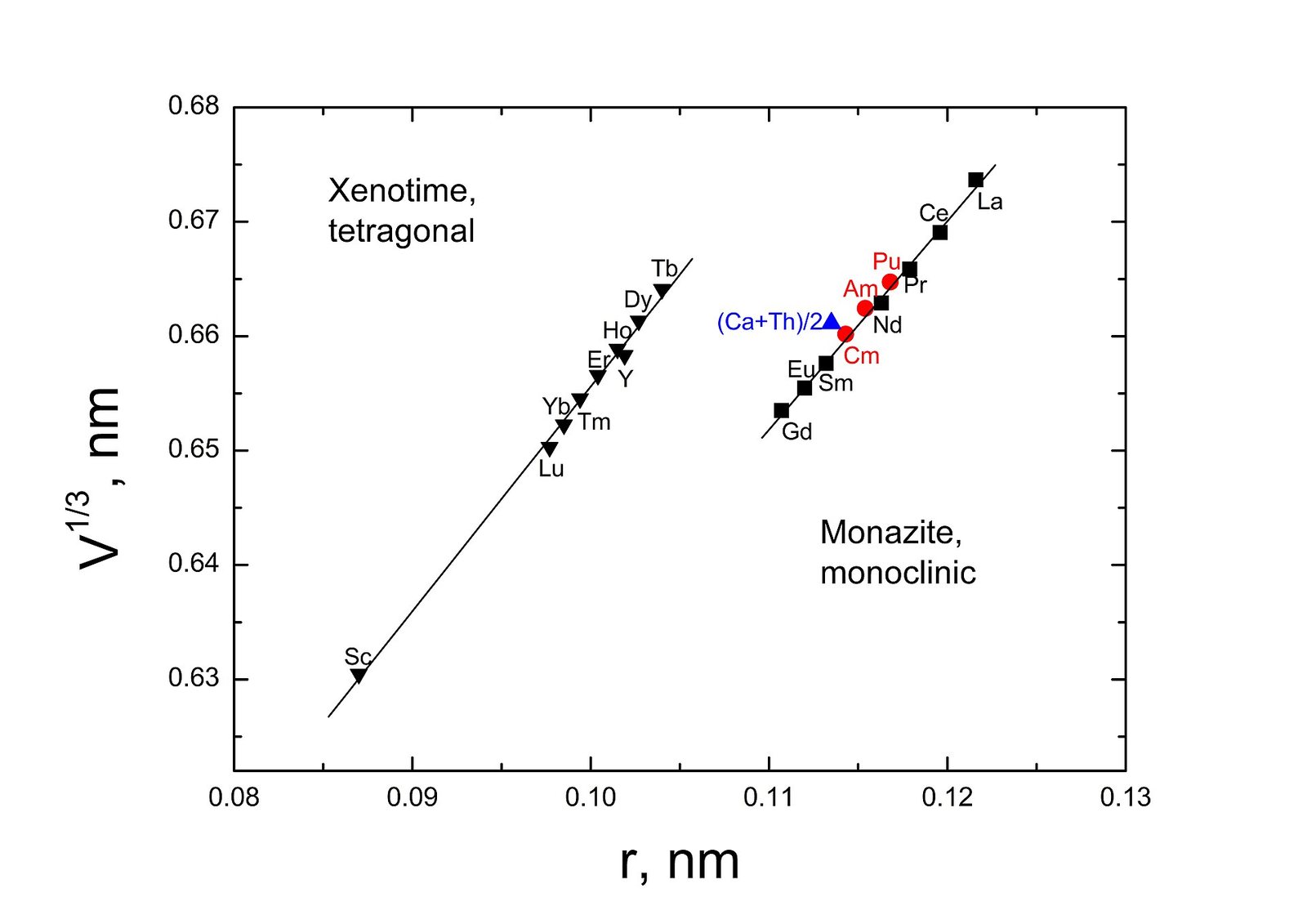
Xenotime
A yttrium phosphate that also carries the heavy rare earths — dysprosium, terbium, erbium — that magnets need.
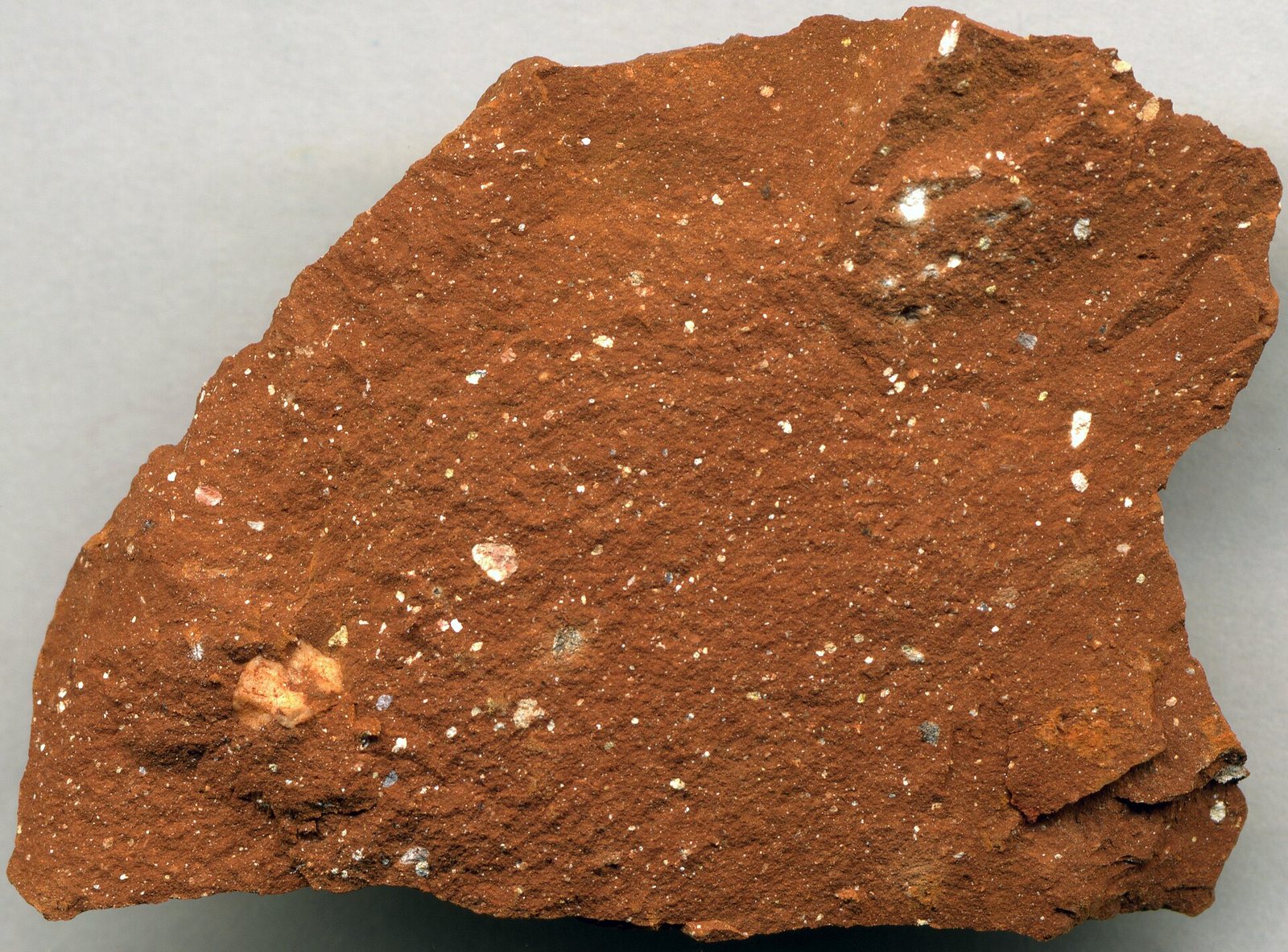
Ion-Adsorption Clay
Weathered granite where rare-earth ions cling loosely to clay surfaces. Grades are very low but the metal washes out…
생산 주체
지도에서 보기 →mine production of Y2O3 equivalent contained in rare-earth mineral concentrates
mine production of Y2O3 equivalent contained in rare-earth mineral concentratesmetric tons 2025 (추정치) 세계 합계 12,500 metric tons
USGS Mineral Commodity Summaries 2026 · Reported as yttrium oxide (Y2O3) equivalent. · 출처 ↗
나머지 열을 보려면 표를 옆으로 스크롤하십시오.
| 국가 | 생산 | 세계 비중 |
|---|---|---|
| 세계 합계 | 12,500 | 100% |
'비공개'는 USGS가 개별 기업의 데이터 노출을 막기 위해 수치를 억제한 것으로, 0을 의미하지 않습니다. 출처가 각 수치를 독립적으로 반올림하고 '기타 국가' 항목을 항상 별도로 구분하지는 않기 때문에, 국가별 합계가 세계 합계와 일치하지 않을 수 있습니다.
가격
average, dollars per kilogram: Y2O3, minimum 99.999% purity
연간 평균dollars per kilogram
기준: average, dollars per kilogram: Y2O3, minimum 99.999% purity. 다음 자료에 게재된 연간 평균 USGS Mineral Commodity Summaries 2026 · 출처 ↗. 이 수치는 기준 연간 평균값이며, 실시간 시장 가격이 아니다.
average, dollars per kilogram: Yttrium metal, minimum 99.9% purity
연간 평균dollars per kilogram
기준: average, dollars per kilogram: Yttrium metal, minimum 99.9% purity. 다음 자료에 게재된 연간 평균 USGS Mineral Commodity Summaries 2026 · 출처 ↗. 이 수치는 기준 연간 평균값이며, 실시간 시장 가격이 아니다.
이 소재를 생산하는 광산
전체 광산 →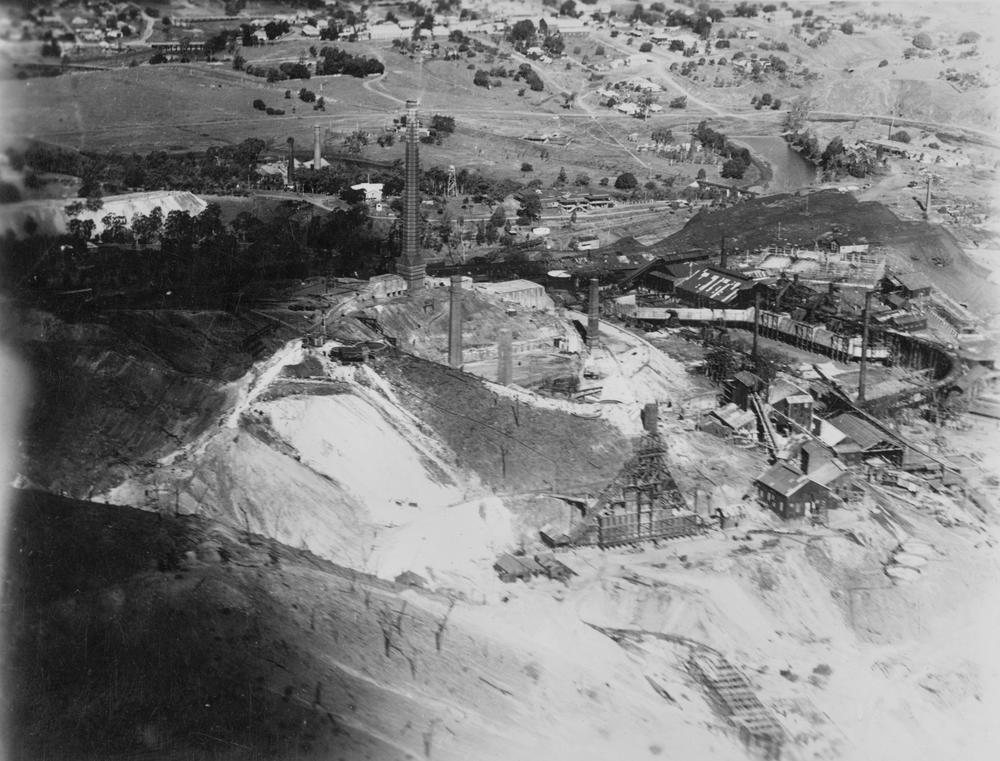
Southern China Ion-Adsorption Clays →
처리·정련 지점
| 시설 | 종류 | 단계 | 국가 | 역할 |
|---|---|---|---|---|
| Aero-Engine Turbine Plant, Derby | 제조 플랜트 | 제품 | United Kingdom | 투입물 |
| Ganzhou Rare Earth Cluster | 분리 플랜트 | 정련 | China | 산출물 |
용도
전체 최종 시장 →| 최종 시장 | 거기에서의 기능 | 중요도 |
|---|---|---|
| Aerospace & Defence | Thermal barrier coatings | 중요 |
| Consumer Electronics | Display phosphors and lasers | 현재 |
| Hydrogen & Electrolysis | Solid-oxide cell electrolyte | 현재 |
기술별 소요량
| 기술 | 수량 | 고시 가격 | 기준 |
|---|---|---|---|
| Single-Crystal Turbine Blade | 미량 | per blade set | Yttria-stabilised zirconia coating |
Indicative range compiled from published technology studies and chemistry; verify against a manufacturer specification before use. 재료 계산기에서 임의의 규모로 이 수치를 계산하십시오. →