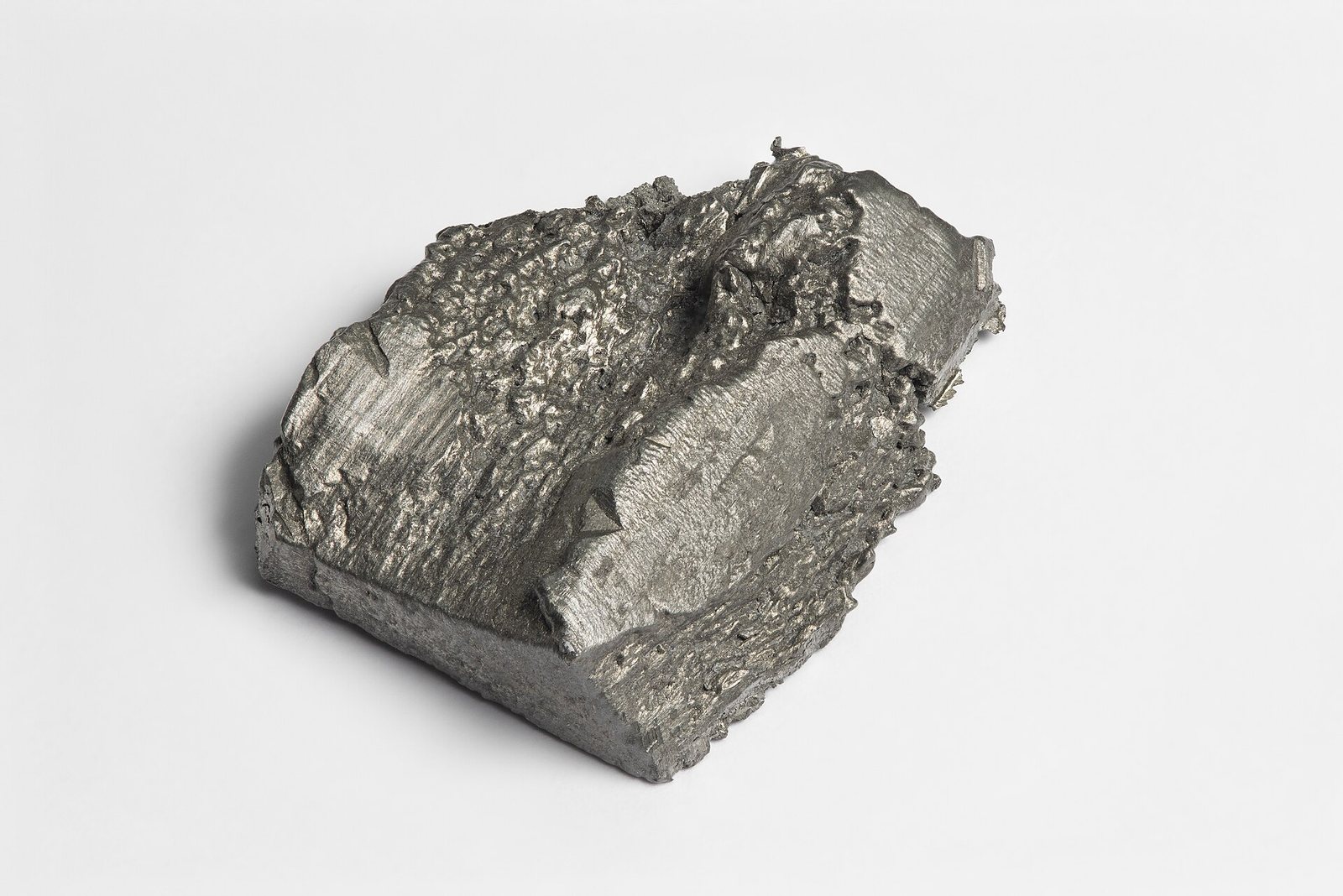
Đây là gì?
Counted as a rare earth even though it sits elsewhere on the periodic table, because it behaves like one and is found with them.
Tại sao điều này quan trọng?
Yttria-stabilised zirconia is the ceramic coating that lets a jet-engine turbine blade sit in gas hotter than the metal's own melting point.
Where it is in the Earth
Yttrium sits in an odd position in chemistry: it is not formally a lanthanide — the group of elements most people mean when they say "rare earths" — yet it behaves almost identically to them in its bonding and its size. That chemical resemblance is why yttrium ends up in the same rocks, in the same deposits, and in the same processing streams as the lanthanide rare earths. The periodic table places it above the lanthanides, but geology makes no meaningful distinction.
The element becomes concentrated in the Earth's crust through two quite different geological routes. The first is magmatic and hydrothermal: when silica-rich magmas cool slowly, late-crystallising phosphate minerals such as xenotime (yttrium phosphate, YPO₄) grow within the rock. Xenotime is chemically stubborn; it resists weathering far better than the surrounding silicate minerals, so it tends to accumulate in placer deposits — gravels and sands where rivers have sorted heavy, durable grains over long periods. The second route is weathering itself. In the deeply tropical, warm and wet conditions of southern China, granites that already contain trace concentrations of rare earths are chemically broken down over millions of years. The clay mineral kaolinite forms, and the rare-earth ions — including yttrium — are loosely adsorbed, meaning they cling electrostatically to the surface of the clay particles rather than being locked inside a crystal. These are the ion-adsorption clay deposits, and they are the world's dominant source of the heavier rare earths, among which yttrium is grouped by convention because of its similar ionic size.
The geography of these deposits explains much about the supply chain. Ion-adsorption clays are distributed across the weathered-granite provinces of southern China — Jiangxi, Guangdong, Fujian and neighbouring provinces. Because the enrichment process depends on a specific combination of parent-rock chemistry and prolonged tropical weathering, analogous deposits are rare elsewhere, though prospecting continues in parts of Southeast Asia, Madagascar and Brazil. Xenotime-bearing placers and hard-rock deposits exist in Malaysia, Australia and elsewhere, but their yttrium content and the economics of extracting it have generally made them secondary to the Chinese clay resource.
Getting it out
How yttrium is mined depends almost entirely on which of its two main ore types is being worked. Xenotime from hard-rock or placer deposits is recovered much like any heavy-mineral sand operation: the ore is dug or dredged, slurried with water, and passed over equipment that separates minerals by their different densities and surface properties. Xenotime, being dense, settles or concentrates preferentially, then goes forward for chemical treatment.
The ion-adsorption clay deposits of southern China work on a fundamentally different principle. The yttrium and other rare-earth ions are not locked inside a mineral grain; they are held loosely on clay surfaces by electrostatic attraction. This means they can be displaced using a solution — historically ammonium sulfate, though regulatory pressure has pushed operators toward other agents — that swaps a cheap, abundant ion for the rare-earth ion, releasing it into solution. This process is called in-situ leaching: rather than excavating the entire hillside, operators drill injection wells near the top of the weathered zone and pump the leaching solution in. The solution percolates downward through the clay, picks up the rare-earth ions, and is collected from drainage points at the base. The ore grade in these deposits is very low — the concentration of rare earths including yttrium is a small fraction of the rock by weight — but because the extraction method moves solution rather than rock, the waste-to-product ratio looks quite different from a conventional open-pit mine. The landscape is disturbed by injection infrastructure and drainage works rather than by vast spoil heaps, though the environmental footprint from residual leaching chemicals in groundwater has been a serious and documented problem in producing regions.
The practical consequence of low grade is that very large areas of weathered hillside must be treated to produce modest quantities of oxide. Production is diffuse, carried out by many small operators working different sections of the clay terrain, which has historically made it difficult to regulate uniformly. Chinese authorities have attempted consolidation of these operations into larger, more accountable entities, with mixed results over the years.
What pulls on it
Yttrium's end uses cluster around a small number of properties that are difficult to replicate with other elements. The most technically demanding application is as a stabiliser in zirconia ceramics. Pure zirconium oxide undergoes a disruptive crystal-structure change on heating and cooling, which would cause a ceramic part to crack in service. Adding yttrium oxide suppresses this transformation and produces what is called yttria-stabilised zirconia (YSZ), a material that remains dimensionally stable across very wide temperature swings. YSZ is the standard material for thermal barrier coatings on jet-engine turbine blades, where it insulates the metal from combustion gases hotter than the metal itself could survive. Demand here tracks the production and maintenance of gas turbines, both for aviation and for power generation.
A second historically important use is in phosphors — materials that absorb one wavelength of light and emit another. Europium-doped yttrium oxide and yttrium orthovanadate were essential components of the red phosphor in cathode-ray tube (CRT) televisions and computer monitors. The near-complete replacement of CRT displays by flat-panel technologies has removed a large portion of what was once a dominant demand stream. Phosphor demand persists in fluorescent and LED lighting applications, but the volumes are smaller and the compositions have shifted. This contraction in phosphor demand is a significant reason why yttrium's price history shows the kind of volatility visible in the data: the element moved from scarcity to relative surplus as CRT production collapsed.
Two areas represent growing demand. Solid-oxide fuel cells and solid-oxide electrolysers — devices that convert between electricity and hydrogen at high temperatures — use YSZ as their electrolyte, the layer through which oxygen ions migrate. As interest in hydrogen production and in high-efficiency distributed power grows, this application draws increasing attention. Yttrium also appears in certain laser gain media, notably yttrium aluminium garnet (YAG), used in industrial and medical lasers. Neither application is yet large enough individually to dominate the demand picture, but collectively they represent a shift toward energy and industrial technology rather than the consumer electronics base that shaped the market a generation ago.
Nguồn gốc của nó trong đá
Tất cả khoáng vật quặng →Đây là các khoáng sản thực sự mang lại yttrium. Một mỏ khoáng chỉ là thân quặng khi một trong số chúng có hàm lượng đủ cao để bù đắp chi phí khai thác.
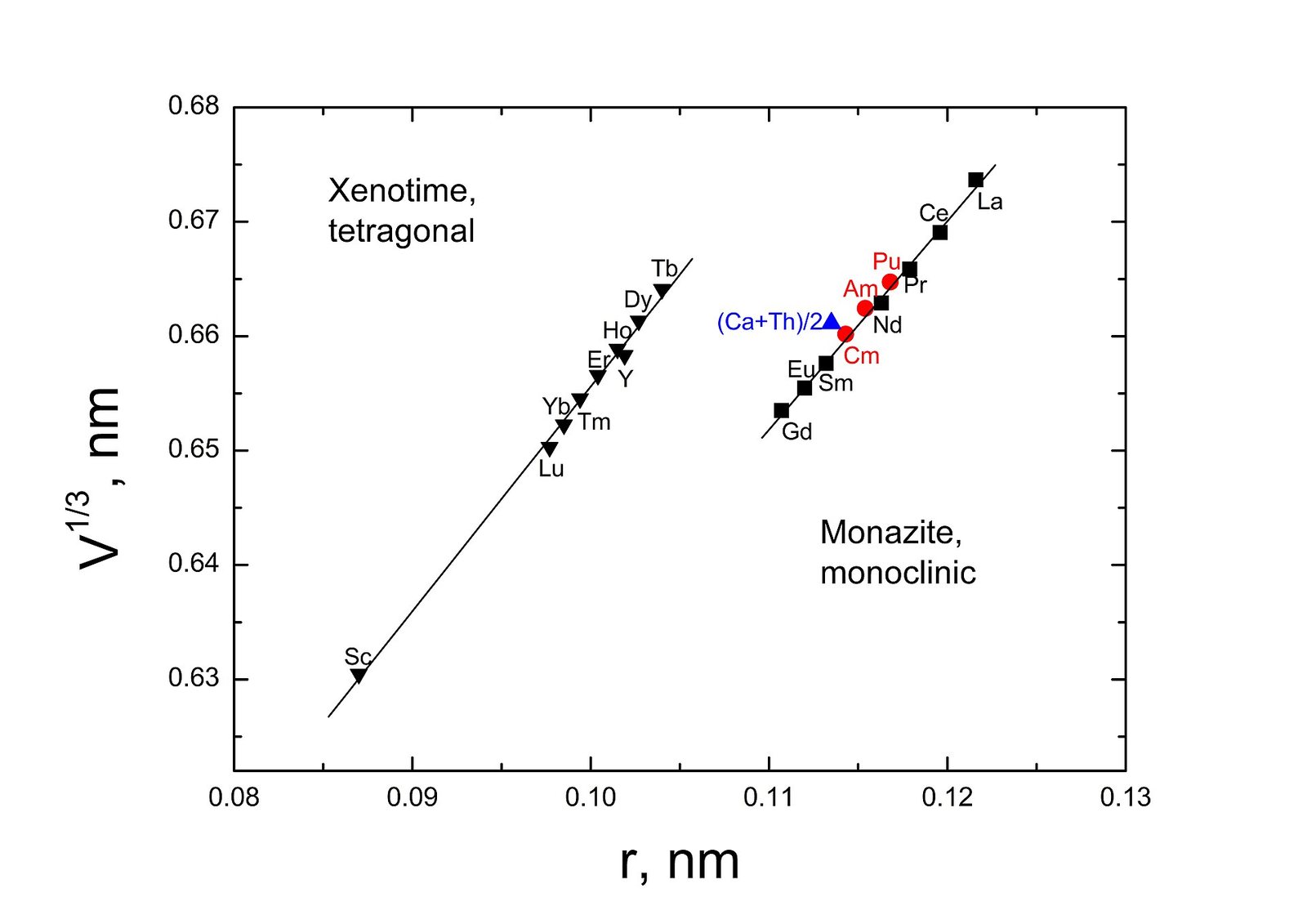
Xenotime
A yttrium phosphate that also carries the heavy rare earths — dysprosium, terbium, erbium — that magnets need.
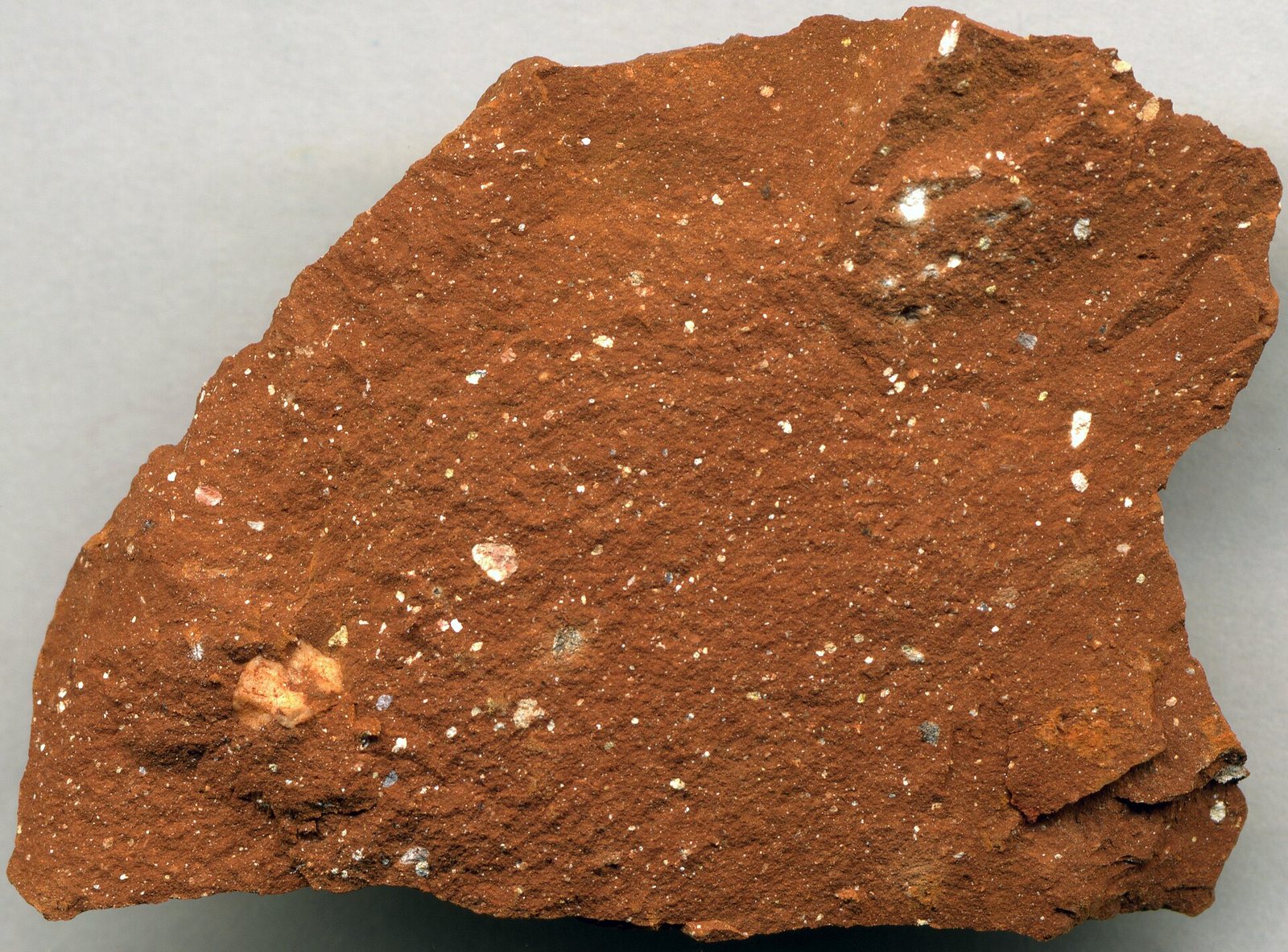
Ion-Adsorption Clay
Weathered granite where rare-earth ions cling loosely to clay surfaces. Grades are very low but the metal washes out…
Ai sản xuất nó
Xem trên bản đồ →mine production of Y2O3 equivalent contained in rare-earth mineral concentrates
mine production of Y2O3 equivalent contained in rare-earth mineral concentratesmetric tons 2025 (ước tính) Tổng toàn cầu 12,500 metric tons
USGS Mineral Commodity Summaries 2026 · Reported as yttrium oxide (Y2O3) equivalent. · nguồn ↗
Cuộn bảng sang ngang để xem các cột còn lại.
| Quốc gia | Sản lượng | Tỷ phần thế giới |
|---|---|---|
| Tổng toàn cầu | 12,500 | 100% |
"Withheld" có nghĩa là USGS đã ẩn số liệu để tránh tiết lộ dữ liệu của một công ty riêng lẻ — không có nghĩa là bằng không. Tổng các hàng theo quốc gia không phải lúc nào cũng bằng tổng toàn cầu vì nguồn làm tròn từng số liệu một cách độc lập và không phải lúc nào cũng tách riêng dòng "các quốc gia khác".
Giá
average, dollars per kilogram: Y2O3, minimum 99.999% purity
Trung bình nămdollars per kilogram
Cơ sở: average, dollars per kilogram: Y2O3, minimum 99.999% purity. Trung bình năm theo công bố trong USGS Mineral Commodity Summaries 2026 · nguồn ↗. Đây là mức trung bình hàng năm tham khảo, không phải báo giá thị trường trực tiếp.
average, dollars per kilogram: Yttrium metal, minimum 99.9% purity
Trung bình nămdollars per kilogram
Cơ sở: average, dollars per kilogram: Yttrium metal, minimum 99.9% purity. Trung bình năm theo công bố trong USGS Mineral Commodity Summaries 2026 · nguồn ↗. Đây là mức trung bình hàng năm tham khảo, không phải báo giá thị trường trực tiếp.
Các mỏ sản xuất khoáng sản này
Tất cả mỏ →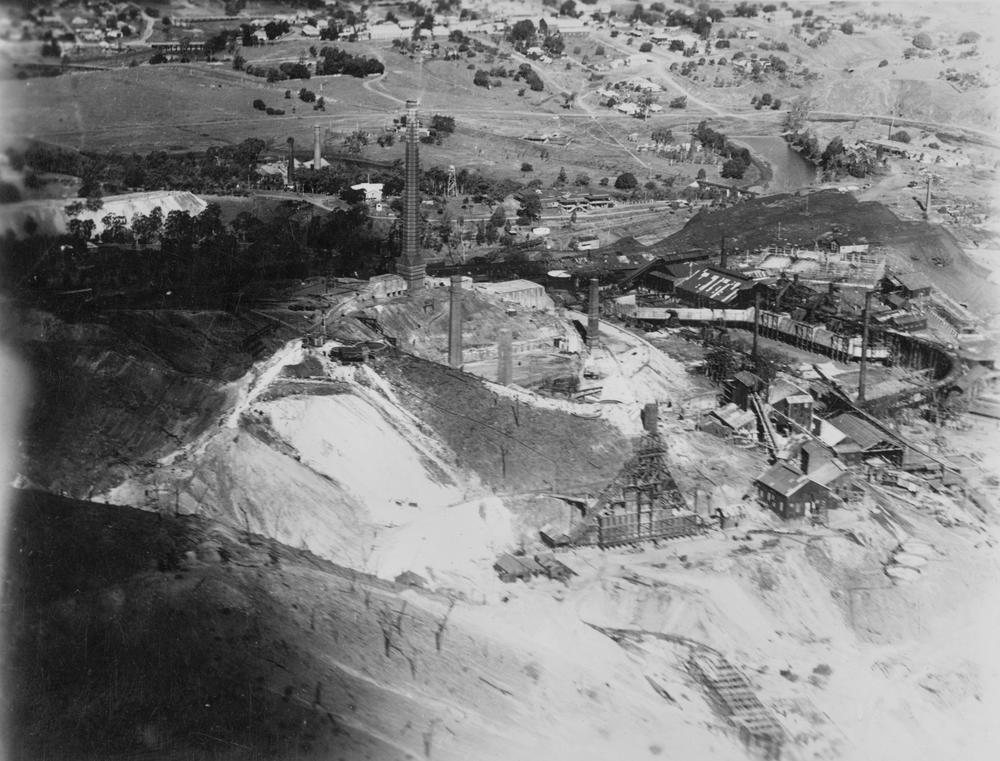
Southern China Ion-Adsorption Clays →
Nơi nó được chế biến và tinh luyện
| Nhà máy | Loại | Giai đoạn | Quốc gia | Vai trò |
|---|---|---|---|---|
| Aero-Engine Turbine Plant, Derby | Nhà máy sản xuất | Sản phẩm | United Kingdom | Đầu vào |
| Ganzhou Rare Earth Cluster | Nhà máy tách chiết | Tinh luyện | China | Sản lượng đầu ra |
Công dụng của nó
Tất cả thị trường đầu ra →| Thị trường đầu ra | Chức năng của nó ở đó | Tầm quan trọng |
|---|---|---|
| Aerospace & Defence | Thermal barrier coatings | Quan trọng |
| Consumer Electronics | Display phosphors and lasers | Hiện tại |
| Hydrogen & Electrolysis | Solid-oxide cell electrolyte | Hiện tại |
Một công nghệ cần bao nhiêu
| Công nghệ | Đại lượng | Báo giá | Cơ sở |
|---|---|---|---|
| Single-Crystal Turbine Blade | vết | per blade set | Yttria-stabilised zirconia coating |
Indicative range compiled from published technology studies and chemistry; verify against a manufacturer specification before use. Chạy các con số này ở bất kỳ quy mô nào trong máy tính vật liệu →