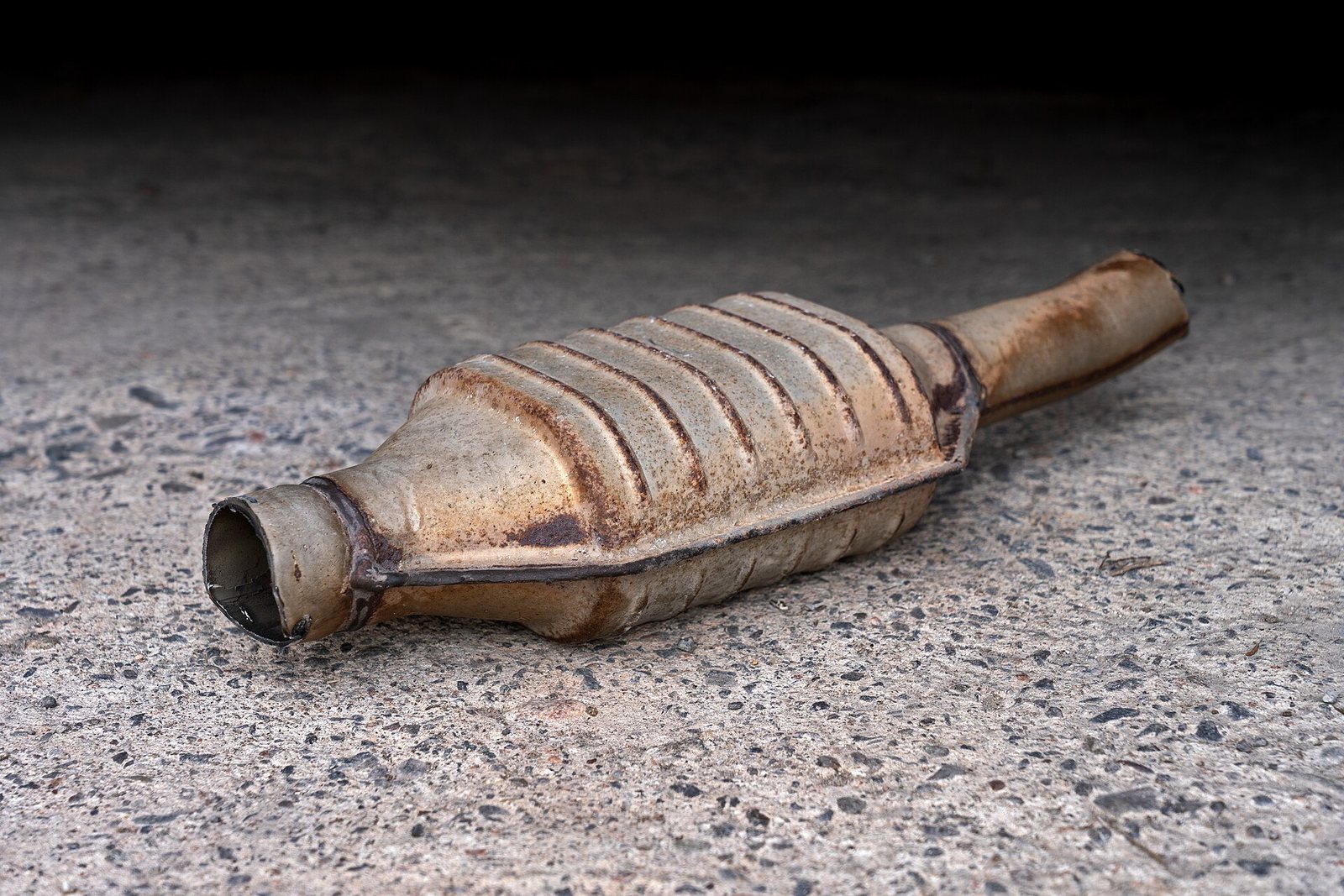
What it is
This one component is the largest single use of platinum, palladium and rhodium. Its demand falls with every combustion car replaced, and it is the most-recycled precious-metal product in the world.
The material bill
Scale it up →Quantities are per vehicleindicative range
| Material | Low | High | Unit | Basis |
|---|---|---|---|---|
| Cerium critical | 0.02 | 0.1 | kg | Oxygen storage in the washcoat |
| Platinum critical | 0.002 | 0.008 | kg | Coating, mostly diesel |
| Palladium critical | 0.002 | 0.007 | kg | Coating, petrol engines |
| Rhodium critical No practical substitute. | 0.0002 | 0.001 | kg | Nitrogen-oxide reduction |
Indicative range compiled from published technology studies and chemistry; verify against a manufacturer specification before use. Rows marked “trace” contain the material in quantities too small to state usefully as a mass — the constraint there is purity or supplier count, not tonnage.
The alternatives
Substitution is the most underrated force in materials. When a metal gets expensive or politically difficult, engineers design around it — and demand for a whole mine can evaporate.
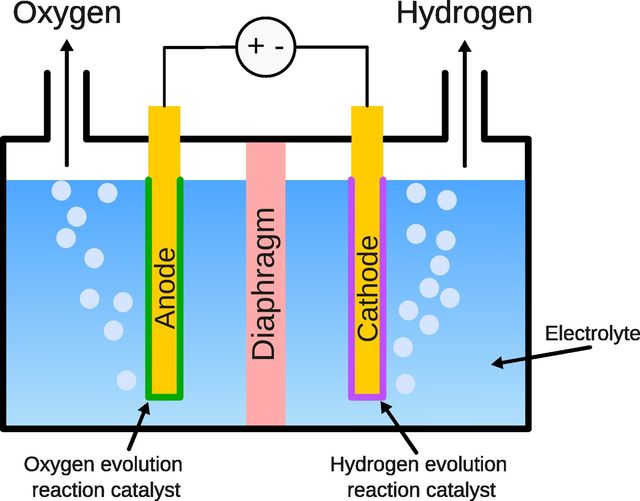
Alkaline Electrolyser
The century-old design: steel, nickel and potassium hydroxide, with no precious metals at all.
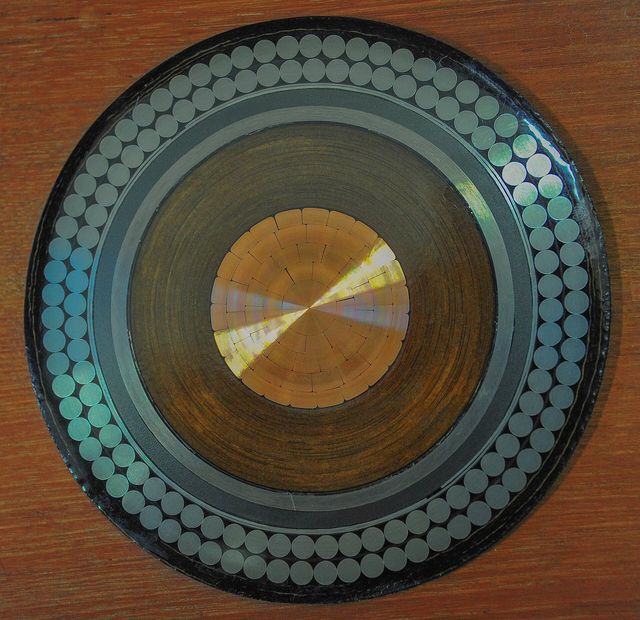
HVDC Transmission Cable
High-voltage direct-current cable, the technology used to move power hundreds of kilometres with low loss.
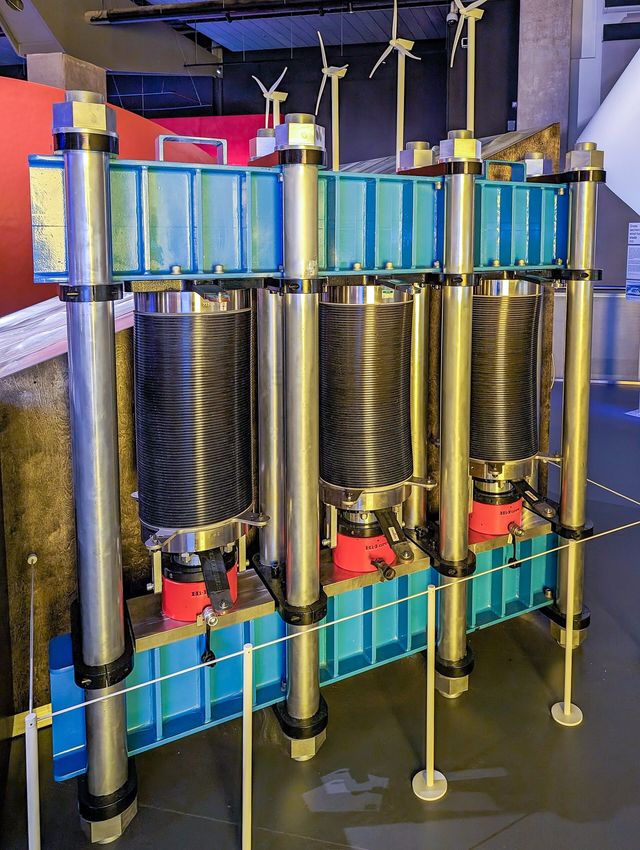
PEM Electrolyser
Splits water using a polymer membrane, platinum and iridium — fast-responding but catalyst-hungry.
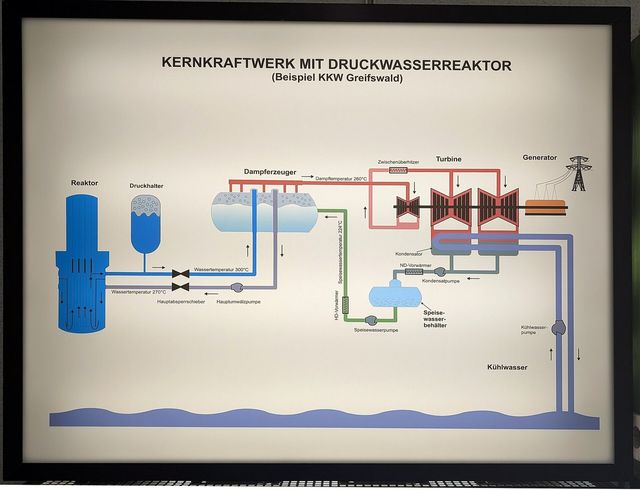
Pressurised Water Reactor
The most common reactor design: enriched uranium fuel in zirconium tubes, water as both coolant and moderator.