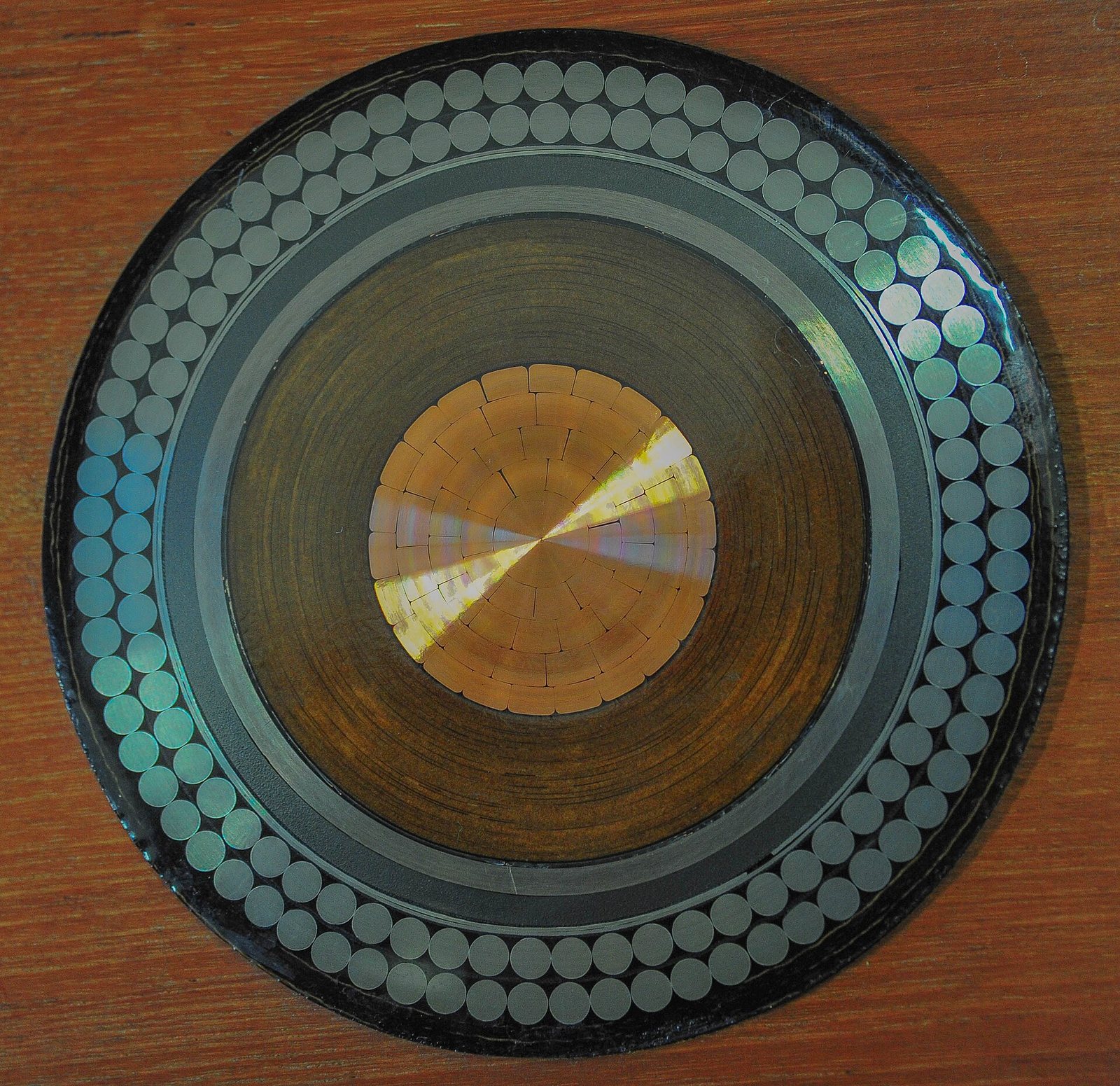
What it is
HVDC is how offshore wind reaches shore and how continents get connected. It is copper or aluminium by the tonne per kilometre, plus converter stations full of power semiconductors.
The material bill
Scale it up →Quantities are per km of circuitindicative range
| Material | Low | High | Unit | Basis |
|---|---|---|---|---|
| Copper critical | 20.00 | 120.0 | t | Conductor, subsea designs at the high end |
| Iron & Steel | 20.00 | 80.00 | t | Armouring |
| Aluminium critical | 15.00 | 60.00 | t | Conductor in overhead and some cable designs |
| Lead critical Being phased out in newer designs. | 10.00 | 40.00 | t | Moisture barrier sheath in subsea cable |
Indicative range compiled from published technology studies and chemistry; verify against a manufacturer specification before use. Rows marked “trace” contain the material in quantities too small to state usefully as a mass — the constraint there is purity or supplier count, not tonnage.
The alternatives
Substitution is the most underrated force in materials. When a metal gets expensive or politically difficult, engineers design around it — and demand for a whole mine can evaporate.
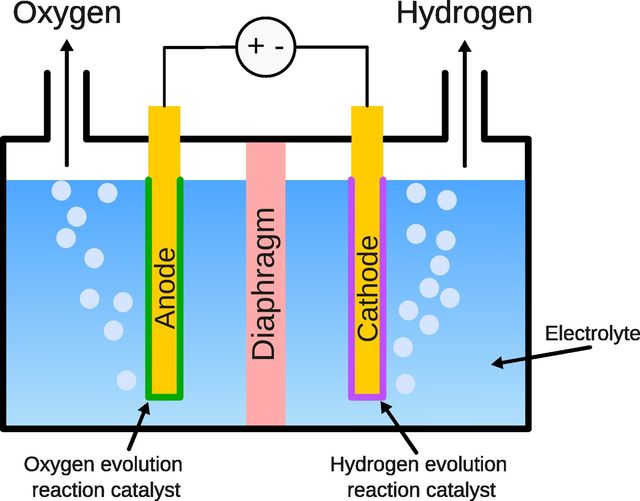
Alkaline Electrolyser
The century-old design: steel, nickel and potassium hydroxide, with no precious metals at all.
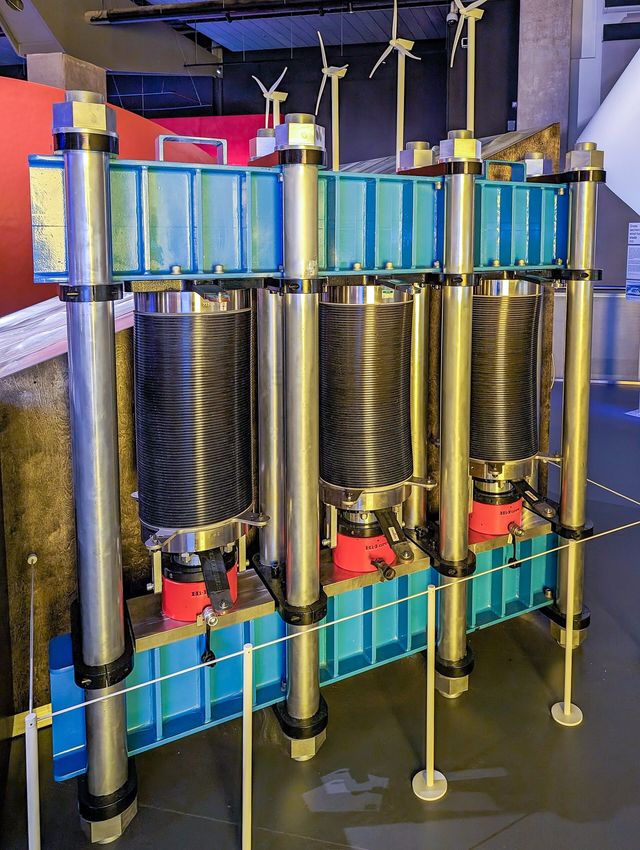
PEM Electrolyser
Splits water using a polymer membrane, platinum and iridium — fast-responding but catalyst-hungry.
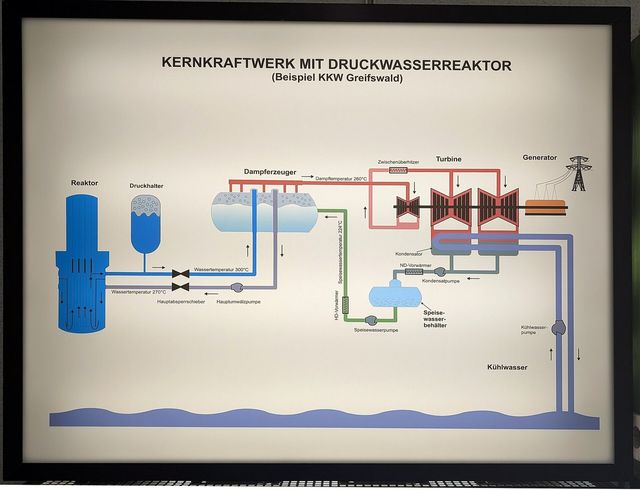
Pressurised Water Reactor
The most common reactor design: enriched uranium fuel in zirconium tubes, water as both coolant and moderator.
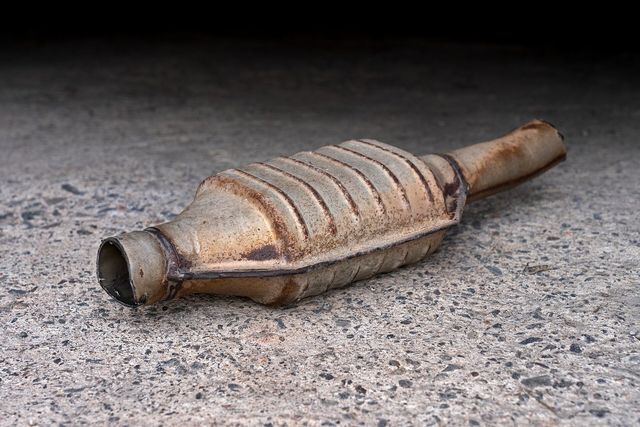
Three-Way Catalytic Converter
The ceramic honeycomb in an exhaust that converts three pollutants at once, coated in platinum-group metals.