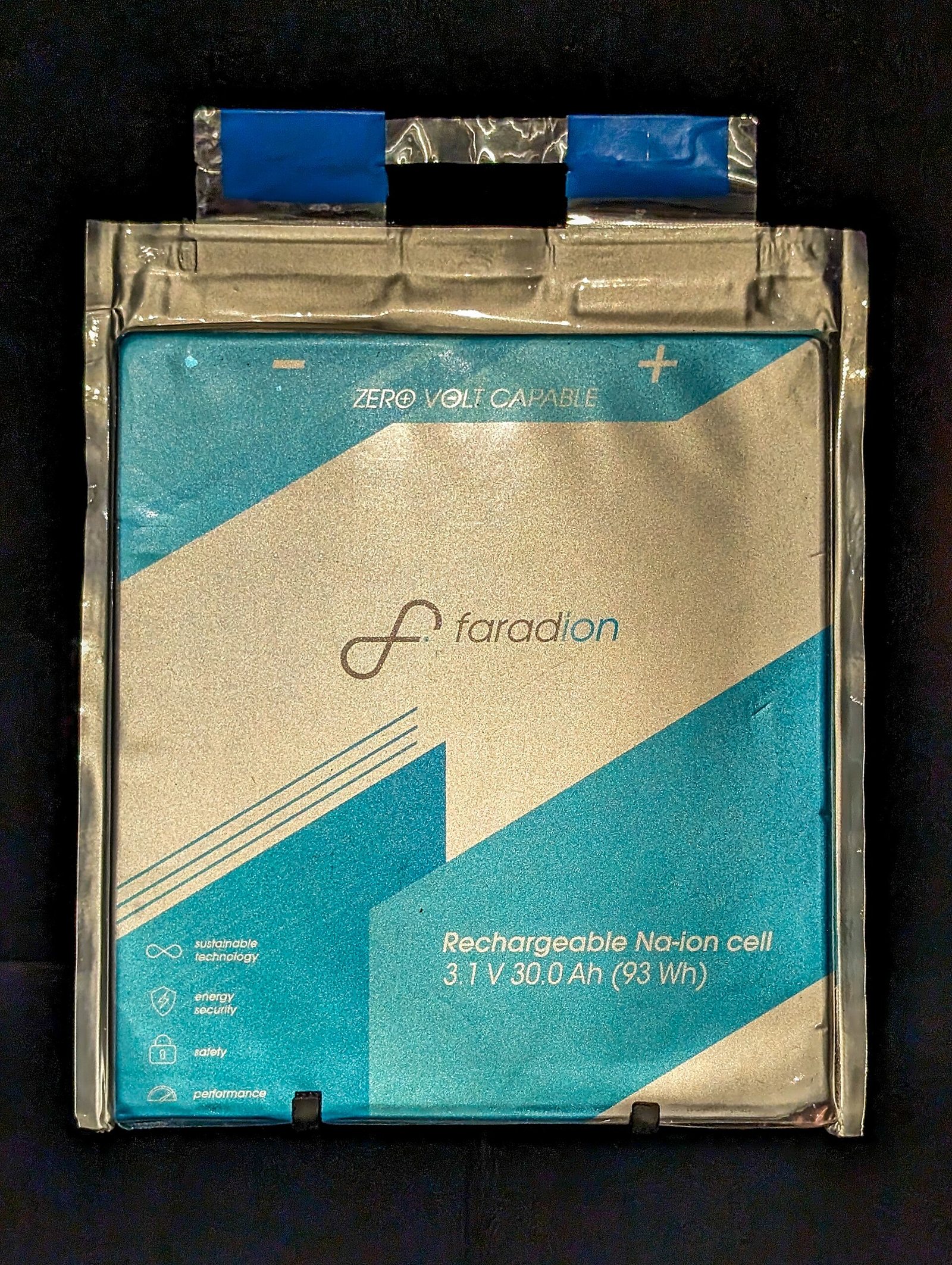
What it is
Sodium-ion removes lithium, cobalt, nickel and often copper from the bill. It is heavier per kilowatt-hour, which rules it out for long-range cars and rules it in for grid storage and small vehicles.
The material bill
Scale it up →Quantities are per 75 kWh equivalentindicative range
| Material | Low | High | Unit | Basis |
|---|---|---|---|---|
| Salt | 30.00 | 60.00 | kg | Sodium source |
| Aluminium critical Removes the copper foil entirely. | 25.00 | 45.00 | kg | Both current collectors can be aluminium |
| Manganese critical | 10.00 | 30.00 | kg | Layered-oxide cathode variants |
Indicative range compiled from published technology studies and chemistry; verify against a manufacturer specification before use. Rows marked “trace” contain the material in quantities too small to state usefully as a mass — the constraint there is purity or supplier count, not tonnage.
The alternatives
Substitution is the most underrated force in materials. When a metal gets expensive or politically difficult, engineers design around it — and demand for a whole mine can evaporate.
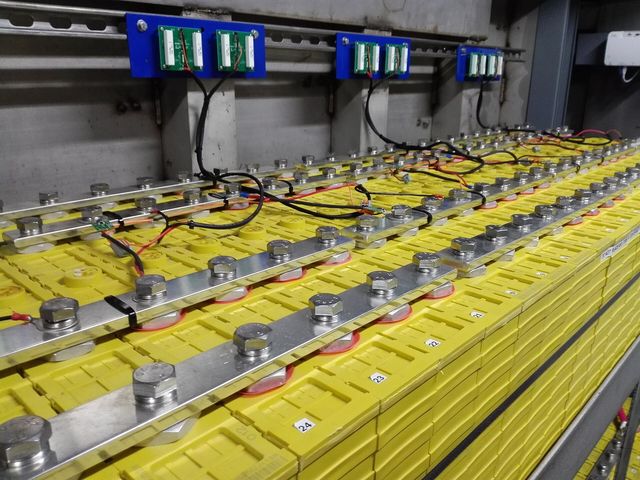
LFP Lithium-Ion Battery
Iron and phosphate instead of nickel and cobalt: heavier, cheaper, safer and very long-lived.
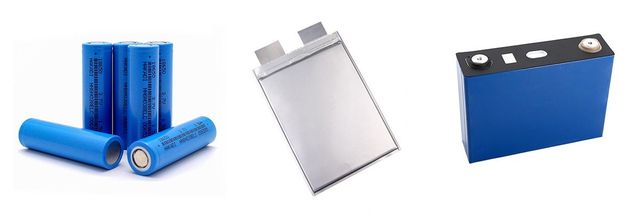
NMC Lithium-Ion Battery
The high-energy chemistry — nickel, manganese and cobalt in the cathode — used where range matters most.
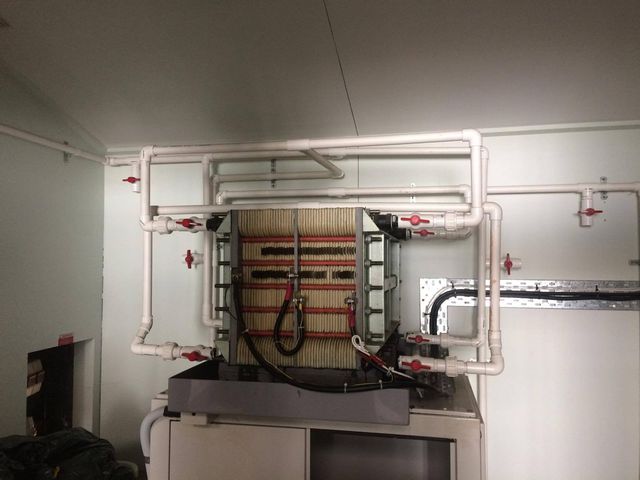
Vanadium Redox Flow Battery
A battery that stores its energy in two tanks of dissolved vanadium, so power and capacity scale separately.