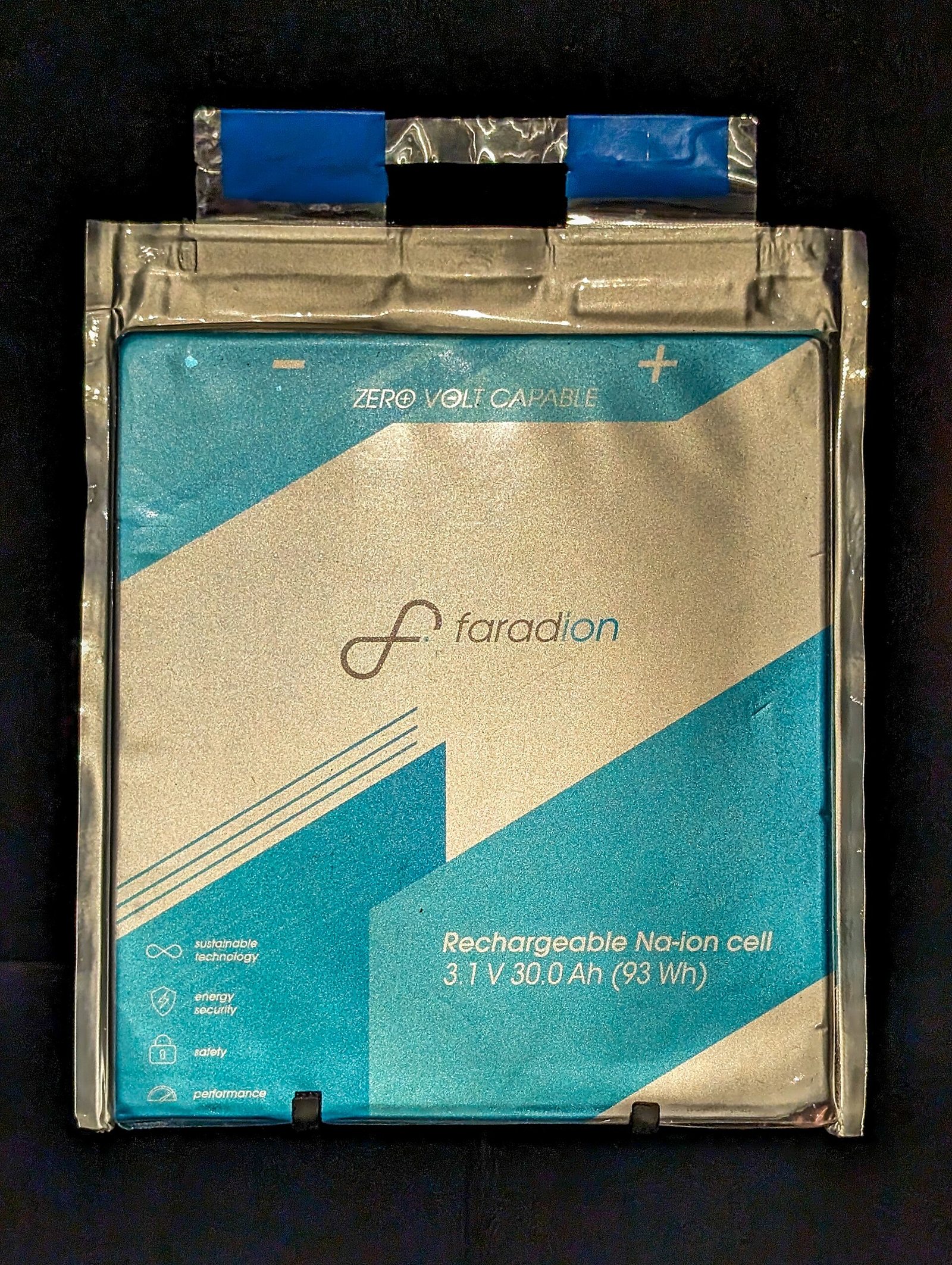
Ce que c'est
Sodium-ion removes lithium, cobalt, nickel and often copper from the bill. It is heavier per kilowatt-hour, which rules it out for long-range cars and rules it in for grid storage and small vehicles.
Le bilan matière
Changer d'échelle →Les quantités sont per 75 kWh equivalentfourchette indicative
| Matériau | Faible | Élevé | Unité | Base |
|---|---|---|---|---|
| Salt | 30.00 | 60.00 | kg | Sodium source |
| Aluminium critique Removes the copper foil entirely. | 25.00 | 45.00 | kg | Both current collectors can be aluminium |
| Manganese critique | 10.00 | 30.00 | kg | Layered-oxide cathode variants |
Indicative range compiled from published technology studies and chemistry; verify against a manufacturer specification before use. Les lignes marquées « trace » contiennent la matière en quantités trop faibles pour être exprimées utilement en masse — la contrainte est alors la pureté ou le nombre de fournisseurs, non le tonnage.
Les alternatives
La substitution est la force la plus sous-estimée dans le domaine des matériaux. Lorsqu'un métal devient coûteux ou politiquement difficile, les ingénieurs le contournent dans leurs conceptions — et la demande pour toute une mine peut s'évaporer.
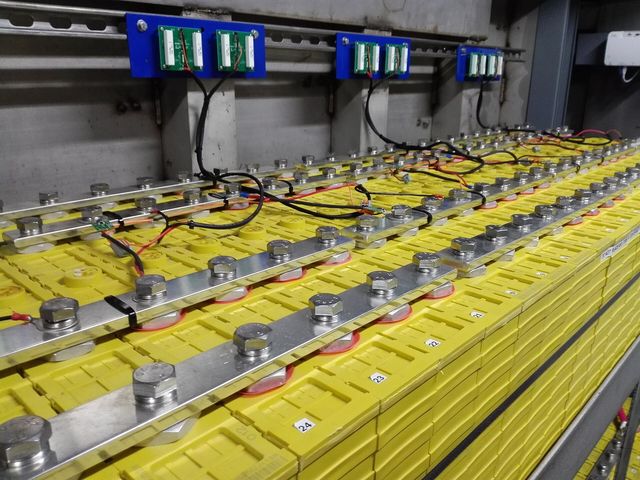
LFP Lithium-Ion Battery
Iron and phosphate instead of nickel and cobalt: heavier, cheaper, safer and very long-lived.
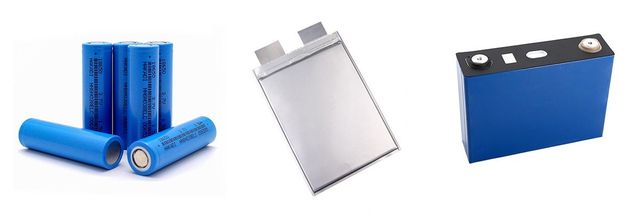
NMC Lithium-Ion Battery
The high-energy chemistry — nickel, manganese and cobalt in the cathode — used where range matters most.
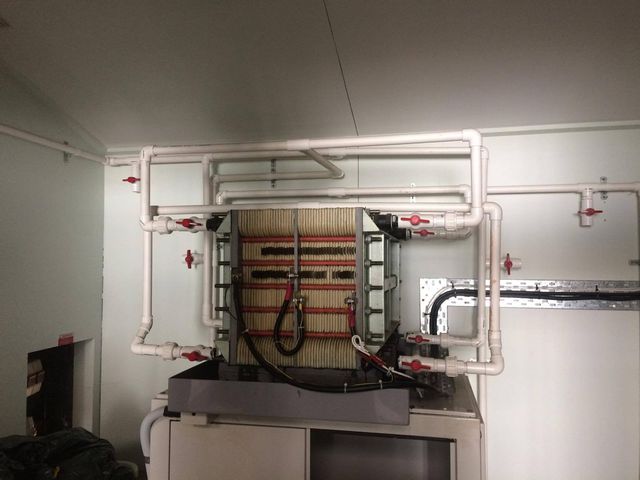
Vanadium Redox Flow Battery
A battery that stores its energy in two tanks of dissolved vanadium, so power and capacity scale separately.