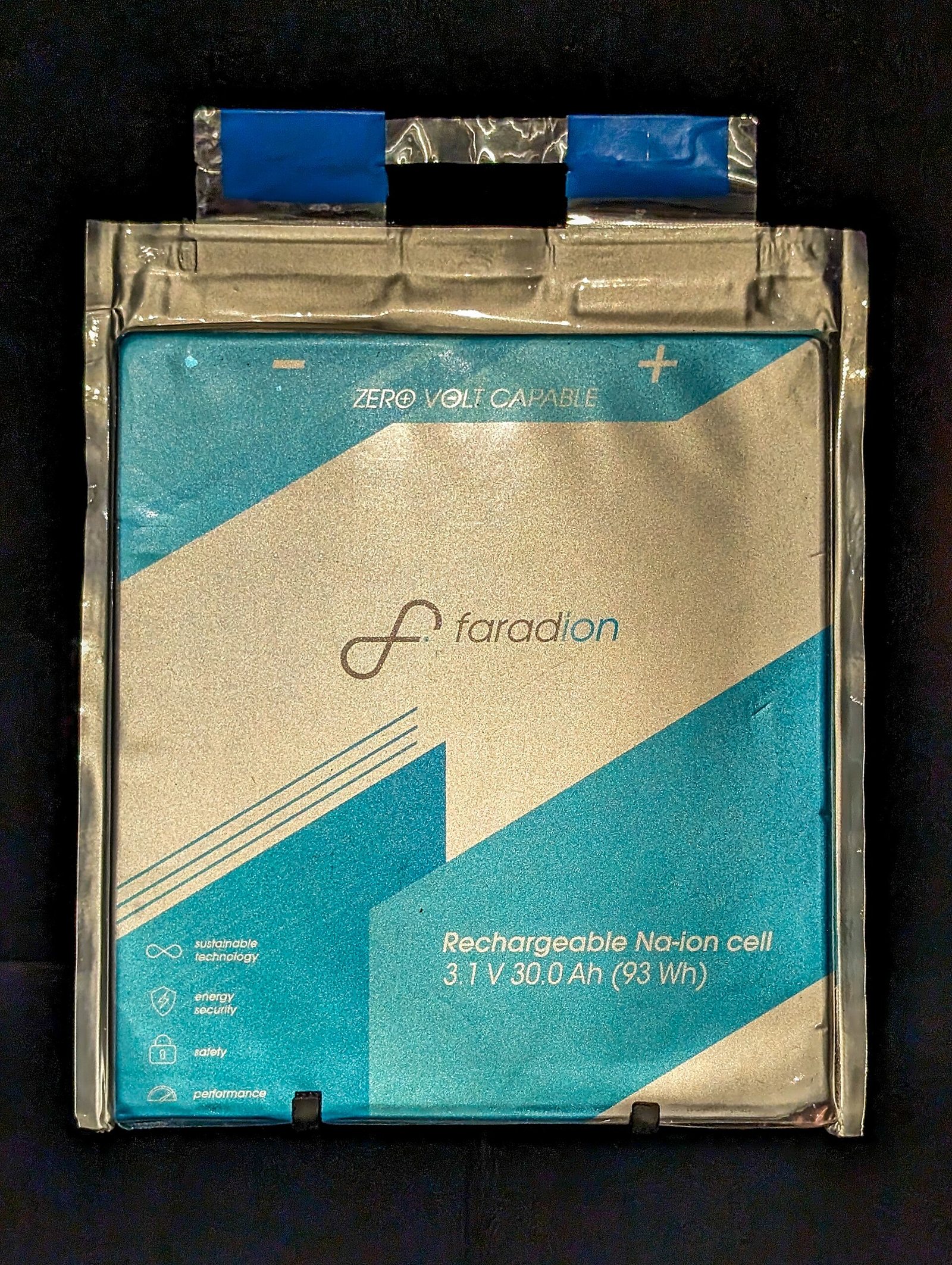
Che cos'è
Sodium-ion removes lithium, cobalt, nickel and often copper from the bill. It is heavier per kilowatt-hour, which rules it out for long-range cars and rules it in for grid storage and small vehicles.
Il computo dei materiali
Scalare il calcolo →Le quantità sono per 75 kWh equivalentintervallo indicativo
| Materiale | Basso | Alto | Unità | Base |
|---|---|---|---|---|
| Salt | 30.00 | 60.00 | kg | Sodium source |
| Aluminium critico Removes the copper foil entirely. | 25.00 | 45.00 | kg | Both current collectors can be aluminium |
| Manganese critico | 10.00 | 30.00 | kg | Layered-oxide cathode variants |
Indicative range compiled from published technology studies and chemistry; verify against a manufacturer specification before use. Le righe contrassegnate con «traccia» contengono il materiale in quantità troppo esigue per essere espresse utilmente come massa — il vincolo è la purezza o il numero di fornitori, non il tonnellaggio.
Le alternative
La sostituzione è la forza più sottovalutata nel settore dei materiali. Quando un metallo diventa costoso o politicamente problematico, gli ingegneri progettano soluzioni alternative — e la domanda per un'intera miniera può svanire.
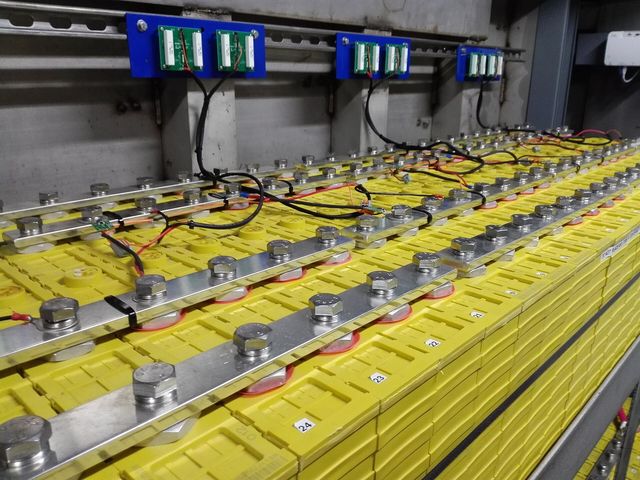
LFP Lithium-Ion Battery
Iron and phosphate instead of nickel and cobalt: heavier, cheaper, safer and very long-lived.
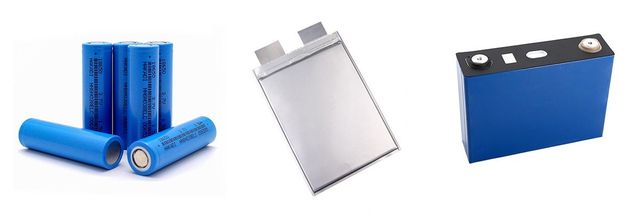
NMC Lithium-Ion Battery
The high-energy chemistry — nickel, manganese and cobalt in the cathode — used where range matters most.
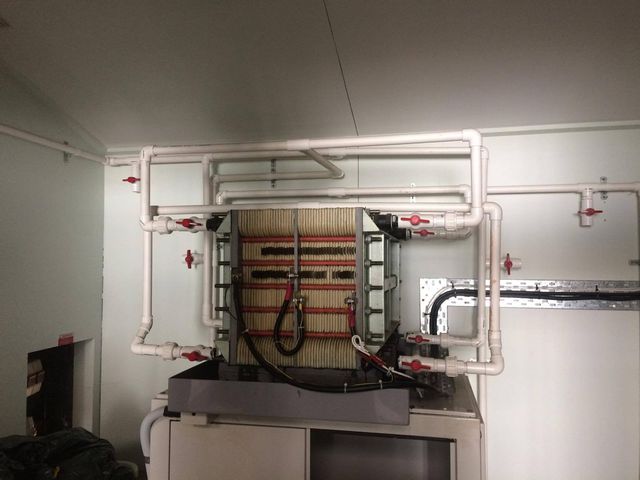
Vanadium Redox Flow Battery
A battery that stores its energy in two tanks of dissolved vanadium, so power and capacity scale separately.