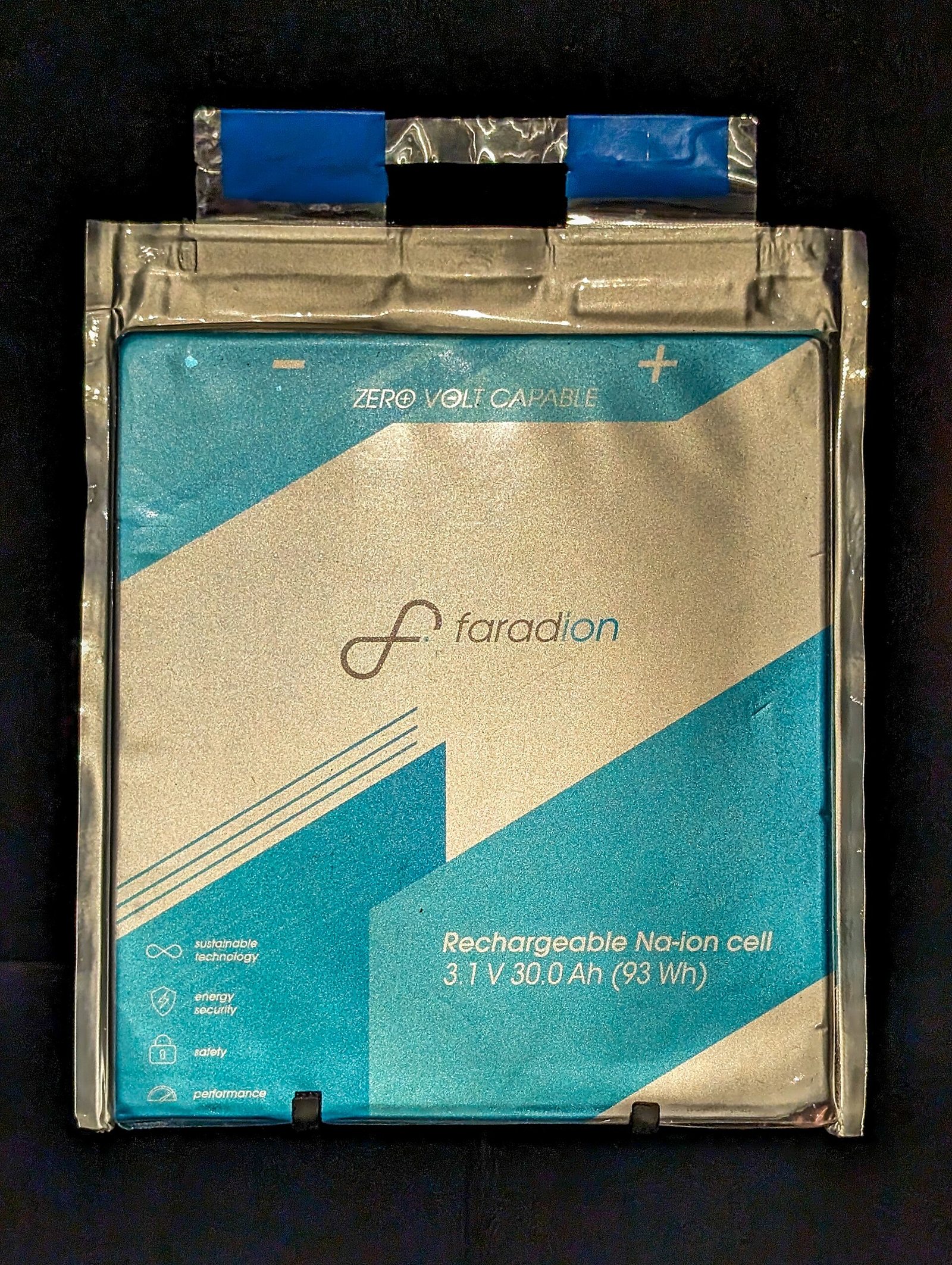
Bản chất của nó
Sodium-ion removes lithium, cobalt, nickel and often copper from the bill. It is heavier per kilowatt-hour, which rules it out for long-range cars and rules it in for grid storage and small vehicles.
Danh mục vật liệu
Mở rộng quy mô →Các đại lượng là per 75 kWh equivalentkhoảng chỉ thị
| Vật liệu | Thấp | Cao | Đơn vị | Cơ sở |
|---|---|---|---|---|
| Salt | 30.00 | 60.00 | kg | Sodium source |
| Aluminium thiết yếu Removes the copper foil entirely. | 25.00 | 45.00 | kg | Both current collectors can be aluminium |
| Manganese thiết yếu | 10.00 | 30.00 | kg | Layered-oxide cathode variants |
Indicative range compiled from published technology studies and chemistry; verify against a manufacturer specification before use. Các hàng được đánh dấu "vết" chứa vật liệu với hàm lượng quá nhỏ để biểu thị hữu ích dưới dạng khối lượng — yếu tố giới hạn ở đây là độ tinh khiết hoặc số lượng nhà cung cấp, không phải trọng tải.
Các phương án thay thế
Thay thế là lực lượng bị đánh giá thấp nhất trong lĩnh vực vật liệu. Khi một kim loại trở nên đắt đỏ hoặc khó khăn về mặt chính trị, các kỹ sư sẽ thiết kế để vượt qua nó — và nhu cầu đối với cả một mỏ có thể biến mất.
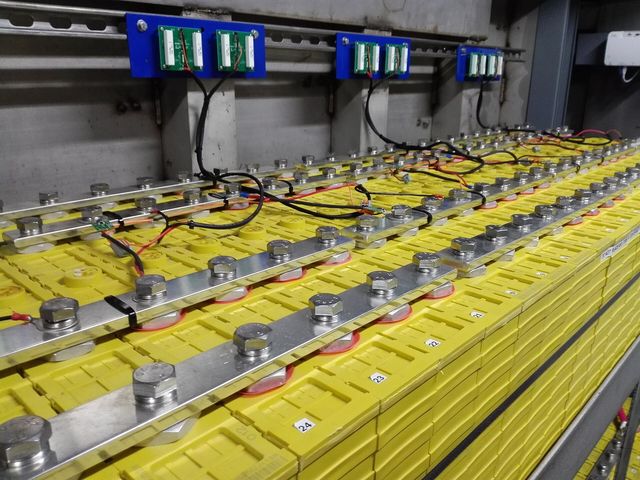
LFP Lithium-Ion Battery
Iron and phosphate instead of nickel and cobalt: heavier, cheaper, safer and very long-lived.
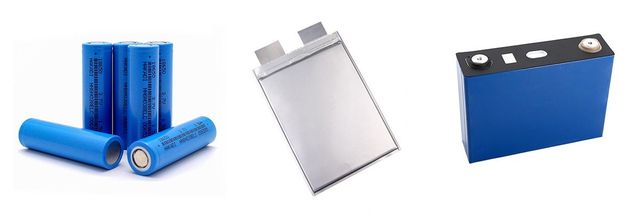
NMC Lithium-Ion Battery
The high-energy chemistry — nickel, manganese and cobalt in the cathode — used where range matters most.
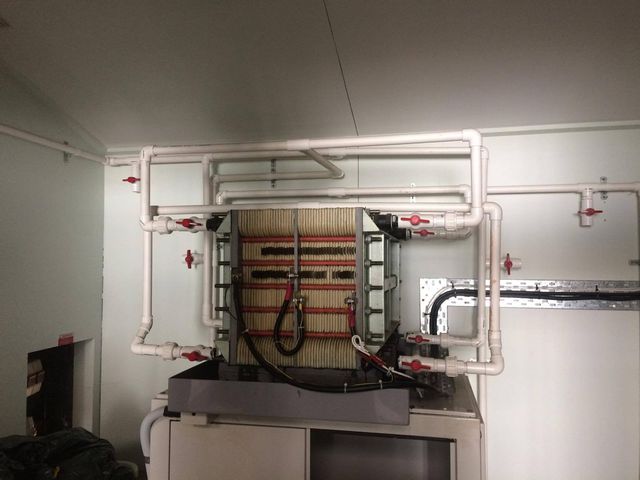
Vanadium Redox Flow Battery
A battery that stores its energy in two tanks of dissolved vanadium, so power and capacity scale separately.