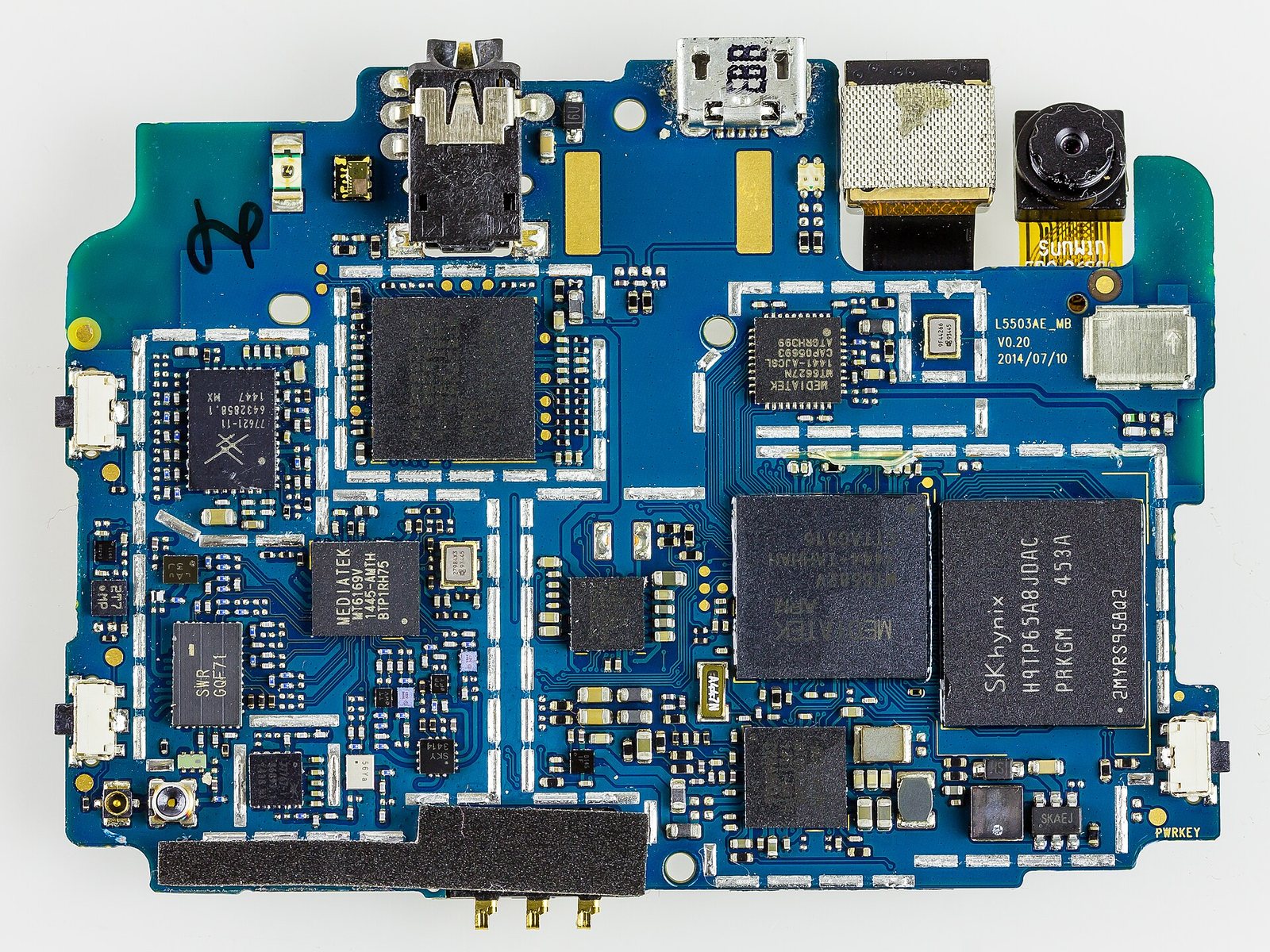
Why it matters to materials
Electronics is where materials are used most efficiently and recovered least. Each device holds milligrams of a dozen scarce metals, dispersed so finely that separating them again costs more than mining new ones.
What it is made of
All materials →| Material | What it does here | Importance |
|---|---|---|
| Cobalt critical | High-density battery cathode | Defining |
| Copper critical | Boards, coils and wiring | Defining |
| Graphite critical | Battery anode | Defining |
| Indium critical | Transparent touchscreen electrode | Defining |
| Lithium critical | Battery | Defining |
| Neodymium critical | Speaker and haptic magnets | Defining |
| Silicon critical | Every chip | Defining |
| Tantalum critical | Capacitors | Defining |
| Tin critical | Solder | Defining |
| Gallium critical | LED backlighting and RF front end | Important |
| Gold | Contacts and bonding | Important |
| Europium critical | Display phosphors | Present |
| Yttrium critical | Display phosphors and lasers | Present |

Cobalt
A hard, bluish metal that keeps a battery's cathode stable so it does not overheat, and that holds its strength when…
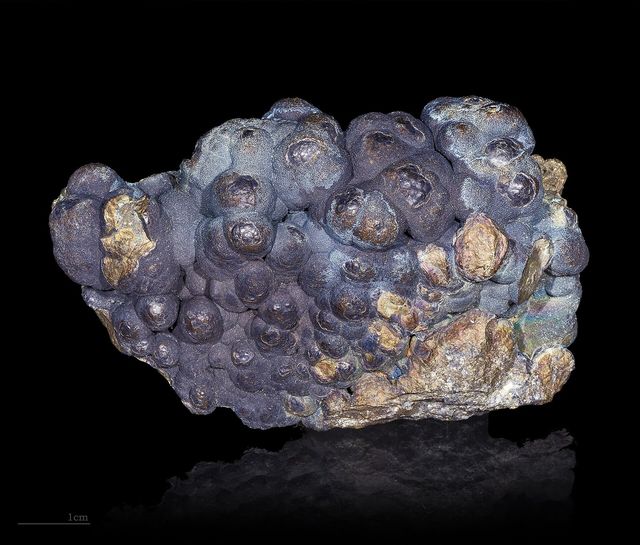
Copper
The reddish metal that carries electricity better than anything except silver, and which humans have been smelting…
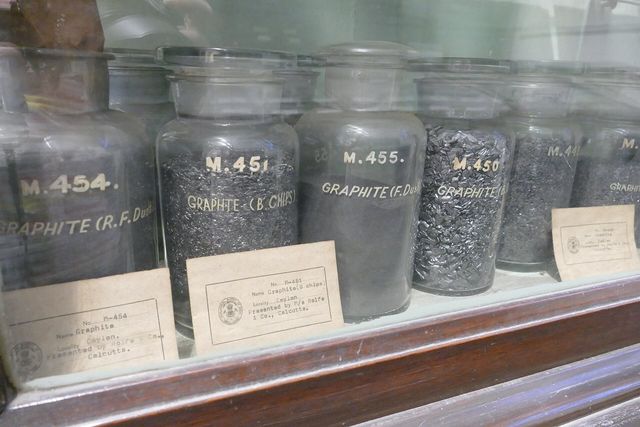
Graphite
Pure carbon in soft, slippery sheets — the same stuff as pencil lead — and the material that holds the lithium when a…
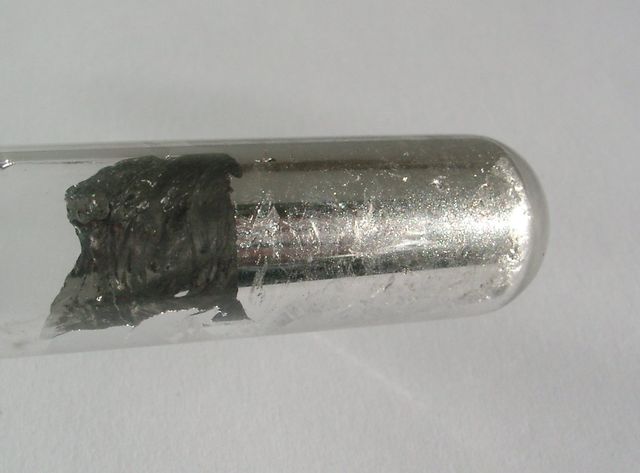
Indium
A soft metal whose oxide is both transparent and electrically conductive — the invisible wiring on top of every…
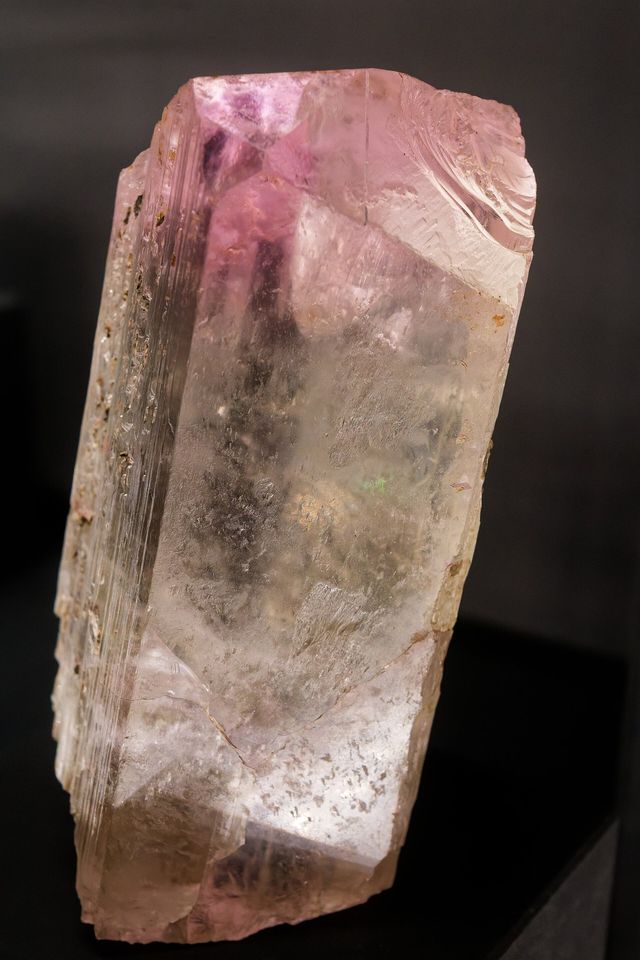
Lithium
A soft, silvery metal so light it floats on water, and the element that lets a rechargeable battery store a lot of…
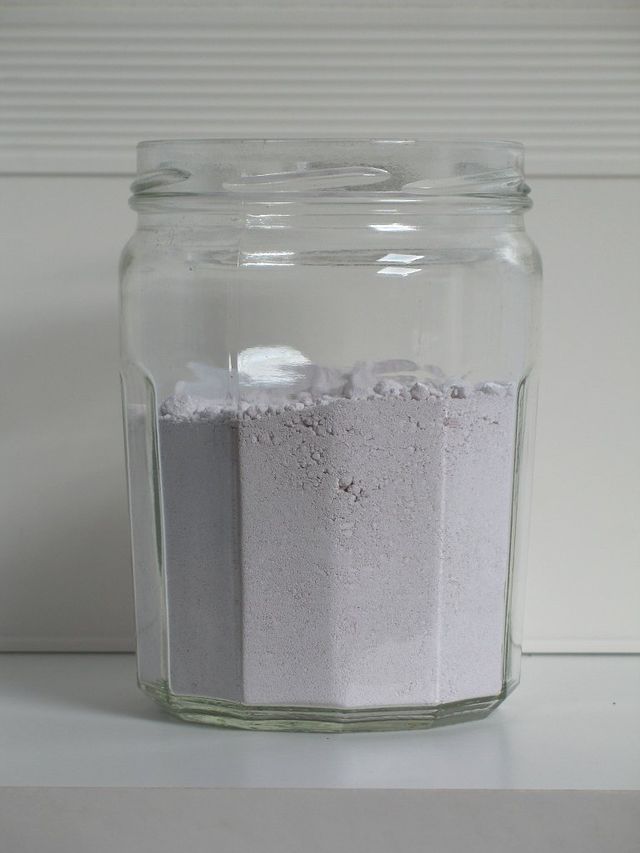
Neodymium
The rare earth at the heart of the strongest magnet ever made — the kind in headphones, hard drives, wind turbines…