من الصخرة إلى المنتج، موثَّقاً
The Materials Atlas
المواد المناجم والرواسب المعالجة والتكرير مسارات الحيازة سلاسل الإمداد شركات الدول الأخبار
المواد حسب الرف مواد البطاريات عناصر الأرض النادرة النحاس والكهربائيات مواد أشباه الموصلات المواد النووية الفضاء والدفاع المعادن الثمينة الفولاذ والمعادن السبائكية المعادن الصناعية المعادن الزراعية المواد الخام للطاقة معادن الخام الجدول الدوري
الطلب الأسواق النهائية التقنيات حاسبة المواد الخرائط أداة الفرز
التعلم والأدوات تعلّمالمسرد استفسر عن البياناتعملاء الذكاء الاصطناعي البحث والبياناتAPI ★ محفوظ
عن الموقع من نحنالمنهجية مصادر البياناتاتصل بنا إخلاء المسؤولية
خيارات القراءة
🧭 العرض الإرشادي جديد على هذا المجال — درجات الخام والمركّز والتكرير والمنتجات الثانوية؟ نشرح كل مصطلح أثناء تصفّحك، بلغة واضحة. البيانات ذاتها، مع الشرح المدمج فيها.
⚡ عرض الخبراء أنت تعرف الصناعة بالفعل. البيانات فحسب — نظيفة وسريعة ومضغوطة، دون شروح إضافية. هذا هو العرض الافتراضي.
النسق
لغة الواجهة
العمق تُكتب صفحات المواد على أربعة مستويات. اختر أيّاً منها في أي صفحة مادة وسيُحفظ اختيارك.
★ محفوظ البحث والبيانات
Chromium

الفولاذ والمعادن السبائكية

Chromium Cr · 24

The element that makes stainless steel stainless — at about eleven percent chromium, steel grows an invisible film that stops rust.

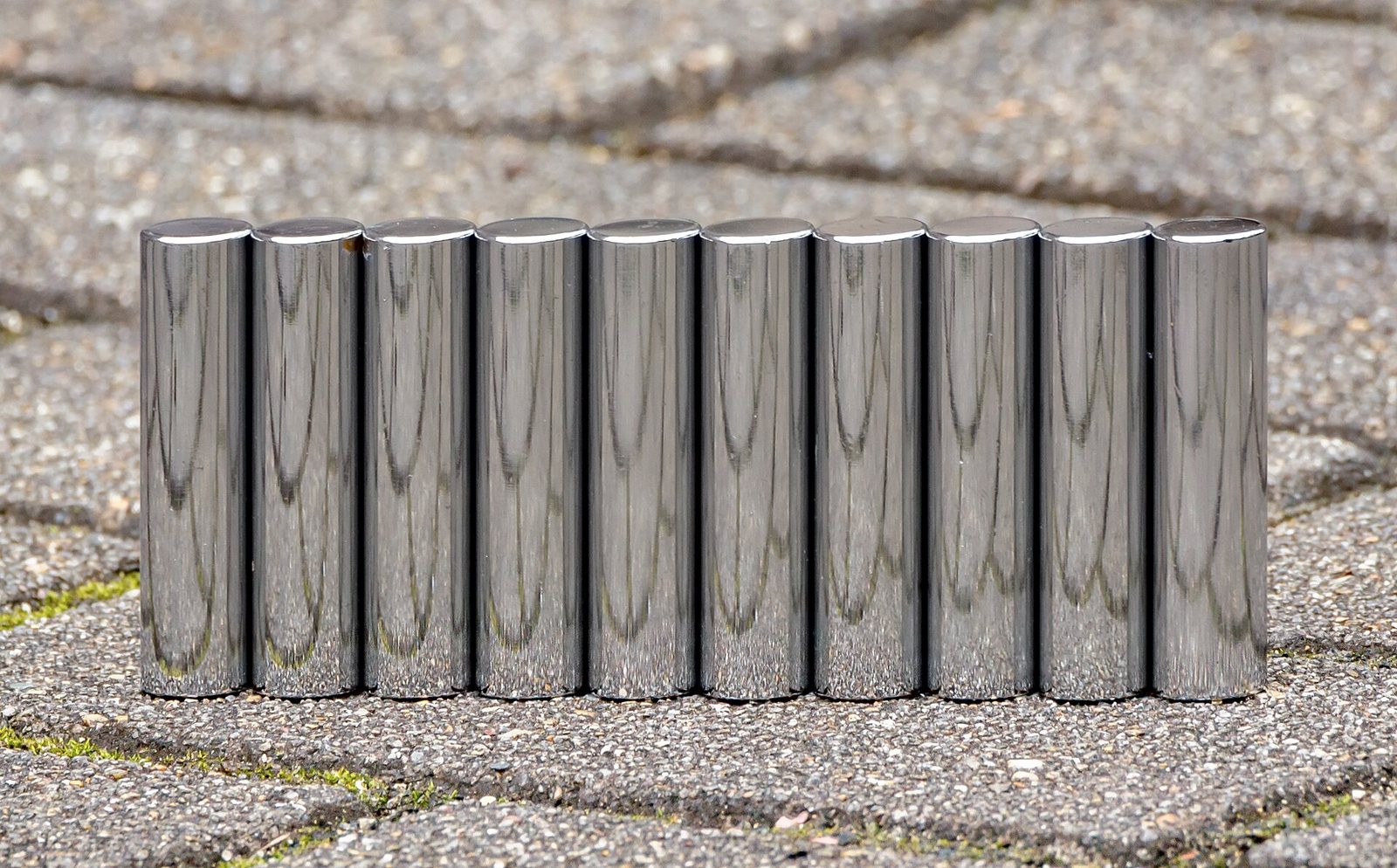
Metal poles (surface is chromium-plated) - HDR · Laitche · CC BY-SA 4.0 · Wikimedia Commons

ما هو؟

The element that makes stainless steel stainless — at about eleven percent chromium, steel grows an invisible film that stops rust.

لماذا يهم هذا؟

There is no substitute for chromium in stainless steel, and supply is unusually concentrated in southern Africa.

Where it is in the Earth

Chromium reaches mineable concentrations almost exclusively through one geological process: the crystallisation of magma derived from the Earth's mantle. When ultramafic magma — rock-forming liquid unusually rich in magnesium and iron and poor in silica — cools slowly deep in the crust, the mineral chromite (iron chromium oxide, with the formula FeCr2O4) is among the first solid phases to appear. Being denser than the surrounding melt, chromite crystals sink and accumulate in layers, a process called magmatic segregation. The resulting rock bodies are called layered igneous intrusions, and the chromite-rich bands within them are called seams or reefs. The Bushveld Igneous Complex in South Africa is the largest and most chromite-rich structure of this kind known, and it accounts for the dominant share of both current production and global reserves shown in the tables above.

A second geological setting produces podiform deposits: chromite concentrated in lenses within ophiolites, which are fragments of ancient ocean floor that have been thrust onto continental margins. These bodies are smaller and less regular than layered intrusion reefs, but they can be high in grade and are the source of much of Turkey's production. The Kempirsai massif in Kazakhstan represents a very large podiform system, giving that country the second-largest reserve base after South Africa. The geographical concentration of reserves that the tables show is therefore not an accident of exploration history but a reflection of where the right geology exists: southern Africa and central Asia sit atop the largest surviving layered and podiform chromite systems on the planet.

Because chromite forms in the mantle-derived part of the geological cycle, it is rarely found in the sedimentary or granitic rocks that make up most of the continental crust. There are no chromium-bearing brines, no evaporite deposits, no hydrothermal vein systems worth mining. The ore mineral is chromite, and only chromite. This geological narrowness has direct consequences for the supply chain: new deposits can only be found in the specific rock types and tectonic settings described above, and those settings are unevenly distributed across the globe.

Getting it out

Most large chromite deposits are mined by open-pit methods, at least in their early stages, because the reef geometry and the relatively shallow depth of many economically attractive seams make surface excavation the lowest-cost option. In open-pit mining, the overlying rock — called overburden or waste — is stripped away to expose the ore beneath. The ratio of waste moved to ore recovered, called the strip ratio, matters greatly to the economics of a mine: a high strip ratio means more diesel, more trucks and more time per tonne of chromite delivered to the processing plant. As a pit deepens, strip ratios rise and at some point underground methods become more attractive. The Bushveld mines in South Africa include both large open pits and underground bord-and-pillar or room-and-pillar operations, where horizontal chambers are cut and columns of rock left standing to support the roof.

The grade of chromite ore — typically expressed as the percentage of Cr2O3 (chromium sesquioxide) in the rock — determines how much raw material must be dug, crushed and transported to yield a given amount of usable chromium. Higher-grade ores reduce the cost of every subsequent step in the chain. Another number that matters in the chromite trade is the chromium-to-iron ratio, or Cr:Fe ratio, because different end uses — metallurgical, chemical, refractory — require different ratios. A metallurgical-grade ore destined for ferrochrome smelting has different specification requirements than a chemical-grade ore destined for chromium chemicals production. These distinctions explain why ore from different deposits commands different prices even at the same Cr2O3 content.

The United States produces no chromite ore from domestic mines — the USGS reports this figure as withheld, reflecting the absence of active primary production rather than suppressed data — which is why the U.S. import reliance figure in the statistics table is as high as it is. Domestic resources exist, as the reserves table shows, but they are not currently being worked at commercial scale. Turkey's production comes largely from smaller podiform deposits, which are typically mined by smaller operations with shorter mine lives than the large South African reef mines. This variety of deposit type and mine scale across producer countries means the global supply picture is not monolithic: a disruption in one country does not automatically mean another can fill the gap quickly.

What pulls on it

The dominant use of chromium is in stainless steel, and the relationship is chemically non-negotiable: below roughly eleven percent chromium by weight, the protective passive oxide film that gives stainless steel its corrosion resistance does not reliably form. This threshold effect means that chromium cannot simply be used sparingly or diluted away when its price rises; a stainless steel grade either meets its chromium specification or it is not stainless steel. Beyond stainless, chromium is alloyed into a wide range of engineering steels — high-speed tool steels, bearing steels, chromium-molybdenum pressure-vessel steels — and into the nickel-based superalloys used in jet engines and gas turbines, where it contributes to oxidation resistance at high temperatures.

Demand for stainless steel tracks industrial activity broadly, and particularly the growth of construction, consumer goods, food processing and chemical plant in industrialising economies. The expansion of stainless steel production in China over the past two decades was the single largest change in the global chromium demand picture of that period, and China's trajectory continues to shape the market. A meaningful share of demand also comes from the chemical industry — chromium compounds in leather tanning and surface treatment — though regulatory pressure on hexavalent chromium in many jurisdictions has pushed some of this demand toward alternative finishing processes, causing a gradual erosion in those specific applications. Nuclear power, listed in the end-markets section, represents a relatively specialised but stable demand for chromium-containing reactor steels, where the corrosion resistance requirements are particularly stringent.

A sharp change in chromium demand would most plausibly follow from a large-scale shift in stainless steel consumption — either a sustained contraction in the construction and industrial sectors that drive stainless demand, or an unlikely but theoretically possible displacement of stainless by another corrosion-resistant material. Neither appears imminent based on the structural drivers of industrial development, though the efficiency of chromium use in steel — how many tonnes of chromite ore are required per tonne of stainless produced — is a variable that improves incrementally as steelmakers reduce process losses and recycle scrap more effectively.

اقرأ الأرقام بصورة صحيحة. USGS reports chromite ore gross weight, not contained chromium. Chromite ore, then ferrochrome, then stainless steel; chromium metal for superalloys.

من أين يأتي في الصخر

جميع المعادن الخامة →

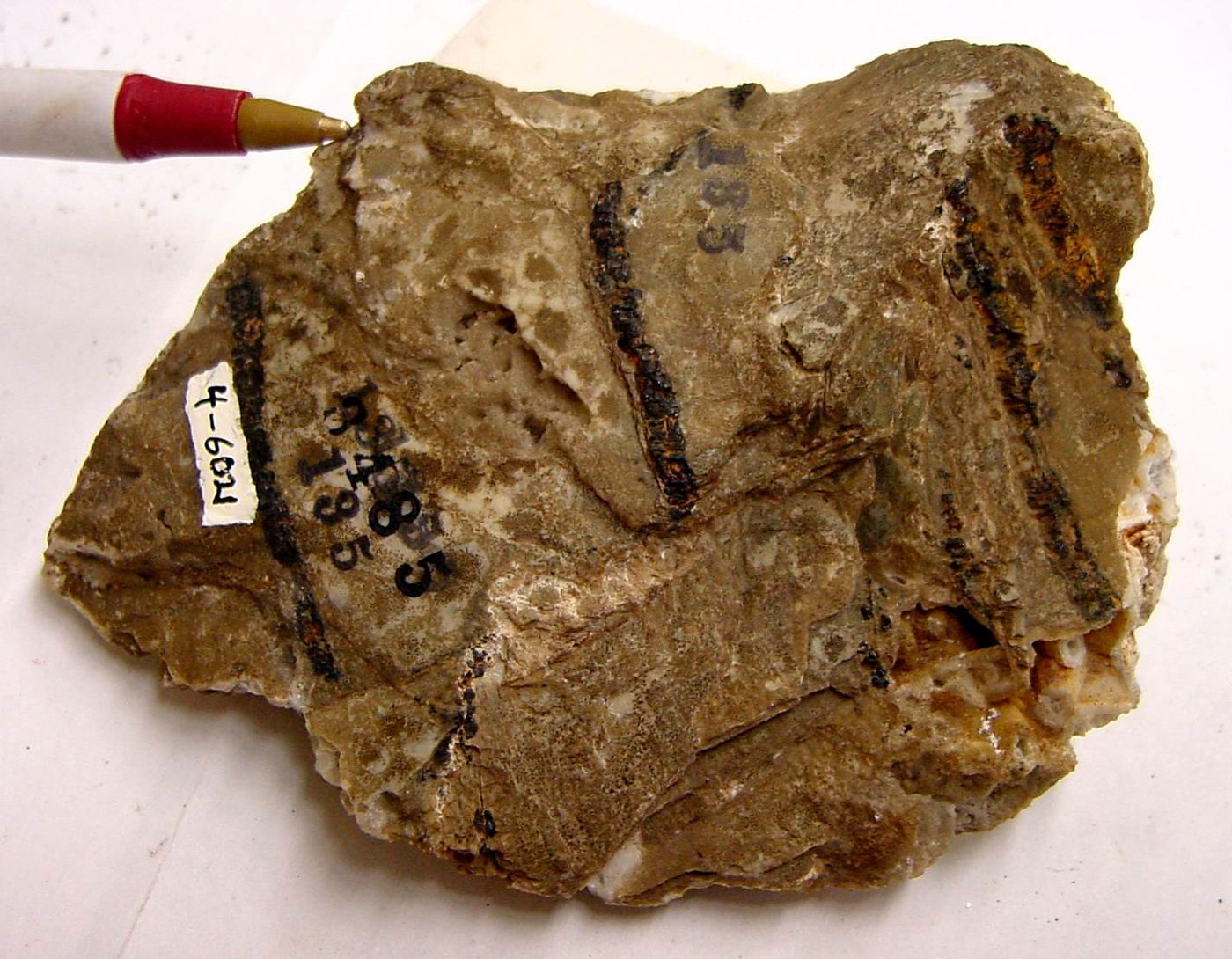
هذه هي المعادن التي تحمل فعلياً chromium. لا يُعدّ الرسوب خاماً إلا إذا كان تركيز أحد معادنه كافياً لتغطية تكاليف استخراجه.
Mine production

Mine productionthousand metric tons 2025 (مُقدَّر) المجموع العالمي 51,000 thousand metric tons

USGS Mineral Commodity Summaries 2026 · USGS reports chromite ore gross weight, not contained chromium. · المصدر ↗

مرِّر الجدول أفقياً لعرض الأعمدة المتبقية.

الدولةالإنتاج حصة من العالم
South Africa 23,000 45.1%
Turkey 9,000 17.6%
Kazakhstan 7,000 13.7%
Other countries 3,000 5.9%
India 3,000 5.9%
Zimbabwe 2,000 3.9%
Brazil 2,000 3.9%
Finland 1,900 3.7%
United States Zero
المجموع العالمي 51,000100%

«محجوب» يعني أن USGS أخفى الرقم تفاديًا للإفصاح عن بيانات شركة بعينها — وهو لا يعني صفرًا. لا يُساوي مجموع صفوف الدول دائمًا المجموع العالمي لأن المصدر يُقرِّب كل رقم باستقلالية ولا يُفصِّل دائمًا خانة «دول أخرى».

من يحتفظ بالاحتياطيات

«الاحتياطيات» مصطلح دقيق. يعني الجزء من رواسب معروفة الذي يمكن استخراجه اقتصاديًا في الوقت الراهن، بأسعار اليوم وتقنيات اليوم — لا كل ما هو موجود في باطن الأرض. تزداد الاحتياطيات حين ترتفع الأسعار أو تُستحدث تقنية جديدة، وتتقلص حين تنخفض.

Reserves: Cr2O3 content

Reserves: Cr2O3 contentthousand metric tons 2025

USGS Mineral Commodity Summaries 2026 · المصدر ↗

الدولةالاحتياطياتحصة من العالم
South Africa 110,000 20.4%
Kazakhstan 100,000 18.5%
Zimbabwe 78,000 14.4%
India 27,000 5.0%
Finland 16,000 3.0%
Turkey 5,700 1.1%
Brazil 1,000 0.2%
United States 630.0 0.1%
Other countries Not applicable
المجموع العالمي >540,000100%

يُصدر المصدر هذا المجموع العالمي بوصفه نطاقاً لا قيمة نقطية، ومن ثَمّ فإن الحصص الواردة في العمود الأخير هي بدورها نطاقات.

Reserves: Ore

Reserves: Orethousand metric tons 2024

USGS Mineral Commodity Summaries 2026 · المصدر ↗

الدولةالاحتياطياتحصة من العالم
South Africa 350,000 29.2%
Kazakhstan 230,000 19.2%
Zimbabwe 140,000 11.7%
India 79,000 6.6%
Finland 63,000 5.2%
Turkey 27,000 2.2%
United States 8,500 0.7%
Brazil 3,900 0.3%
Other countries Not applicable
المجموع العالمي >1,200,000100%

يُصدر المصدر هذا المجموع العالمي بوصفه نطاقاً لا قيمة نقطية، ومن ثَمّ فإن الحصص الواردة في العمود الأخير هي بدورها نطاقات.

السعر

Price: Chromium metal (gross weight), dollars per pound

المتوسط السنويdollars per pound

2021 · 4.23 مرتفع 7.20 dollars per pound 2025 · 5.90

الأساس: Price: Chromium metal (gross weight), dollars per pound. متوسطات سنوية كما نُشرت في USGS Mineral Commodity Summaries 2026 · المصدر ↗. هذه متوسطات سنوية مرجعية، وليست أسعار سوق آنية.

Price: Chromite ore (gross weight), dollars per metric ton

المتوسط السنويdollars per metric ton

2021 · 199.0 مرتفع 331.0 dollars per metric ton 2025 · 290.0

الأساس: Price: Chromite ore (gross weight), dollars per metric ton. متوسطات سنوية كما نُشرت في USGS Mineral Commodity Summaries 2026 · المصدر ↗. هذه متوسطات سنوية مرجعية، وليست أسعار سوق آنية.

Price: Ferrochromium (chromium content), dollars per pound

المتوسط السنويdollars per pound

2021 · 1.50 مرتفع 3.19 dollars per pound 2025 · 1.60

الأساس: Price: Ferrochromium (chromium content), dollars per pound. متوسطات سنوية كما نُشرت في USGS Mineral Commodity Summaries 2026 · المصدر ↗. هذه متوسطات سنوية مرجعية، وليست أسعار سوق آنية.

ما الذي يُستخدم فيه

جميع الأسواق النهائية →
السوق النهائيةما الذي يؤديه هناكالأهمية
Nuclear Power Corrosion resistance in reactor steels مهم

تتبّعها عبر الحدود

جميع المسارات →

أين تذهب شحنة من هذه المادة فعلاً — كل دولة، وكل حارس، وما الذي يتبقّى في كل خطوة.

New Caledonian laterite to stainless steel An island that smelts its own ore, and pays for it with the most expensive electricity in the industry. من New Caledonia · Saprolite laterite ore, roughly 2% nickel, low cobalt

المواد

جميع المواد المعادن الحرجة الأرض النادرة مواد البطاريات معادن الخام الجدول الدوري أداة الفرز

باطن الأرض

المناجم والرواسب المعالجة والتكرير الدول الخرائط

الاقتصاد

مسارات الحيازة سلاسل الإمداد الأسواق النهائية التقنيات شركات حاسبة المواد

تعلّم

تعلّمالمسرد استفسر عن البياناتعملاء الذكاء الاصطناعي البحث والبياناتAPI مفتوح الأخبار★ محفوظ

من نحن

من نحناتصل بنا المنهجيةمصادر البيانات السياسة التحريرية سياسة الخصوصيةشروط الاستخدام إخلاء المسؤولية