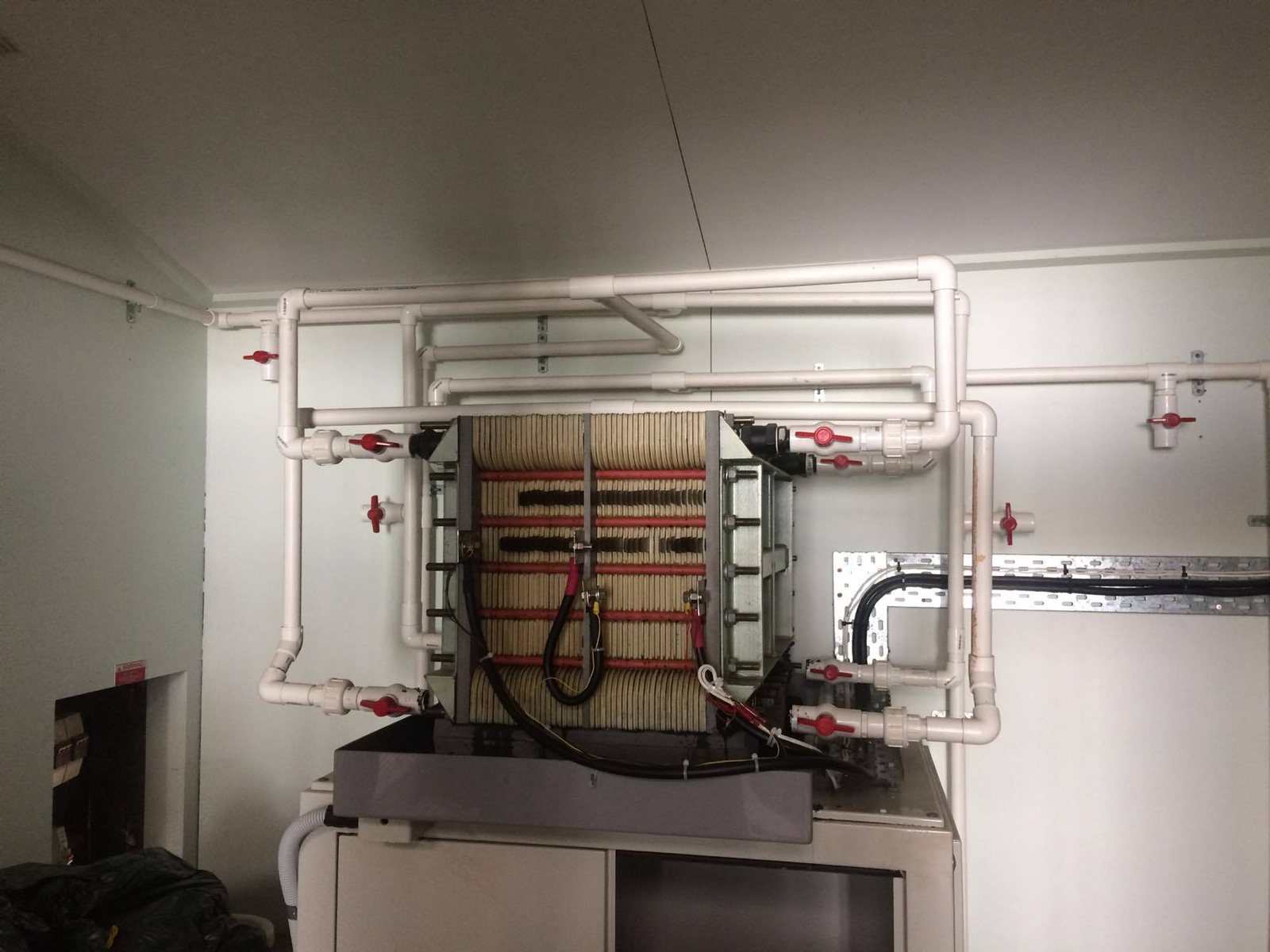
What it is
The electrolyte does not degrade — it can be reused indefinitely and even leased rather than bought. That changes the economics from consumption to rental.
The material bill
Scale it up →Quantities are per MWh of storageindicative range
| Material | Low | High | Unit | Basis |
|---|---|---|---|---|
| Vanadium critical Recoverable at end of life, so it is closer to a rental than a consumable. | 5.00 | 10.00 | t | Vanadium pentoxide in electrolyte |
| Sulfur | 3.00 | 8.00 | t | Sulfuric acid electrolyte |
| Copper critical | 1.00 | 3.00 | t | Stack and power conversion |
Indicative range compiled from published technology studies and chemistry; verify against a manufacturer specification before use. Rows marked “trace” contain the material in quantities too small to state usefully as a mass — the constraint there is purity or supplier count, not tonnage.
The alternatives
Substitution is the most underrated force in materials. When a metal gets expensive or politically difficult, engineers design around it — and demand for a whole mine can evaporate.
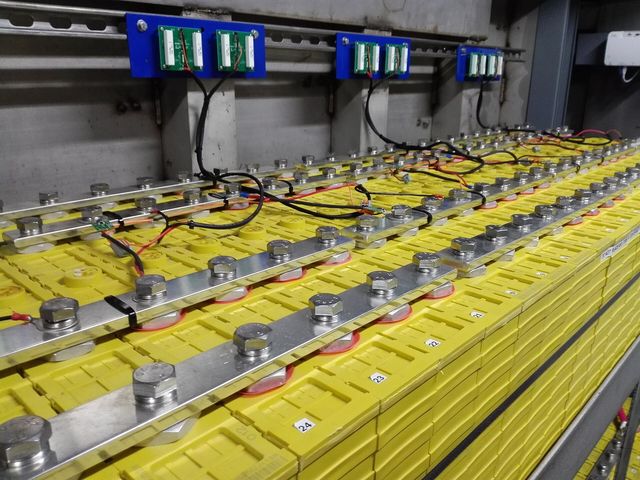
LFP Lithium-Ion Battery
Iron and phosphate instead of nickel and cobalt: heavier, cheaper, safer and very long-lived.
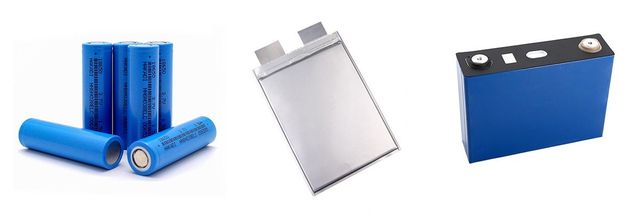
NMC Lithium-Ion Battery
The high-energy chemistry — nickel, manganese and cobalt in the cathode — used where range matters most.
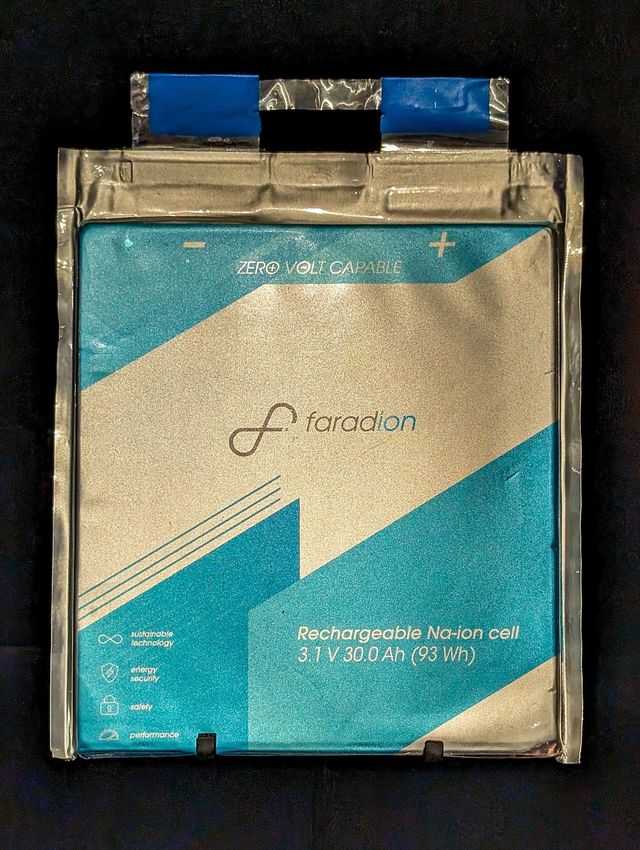
Sodium-Ion Battery
A cell that uses sodium — from ordinary salt — instead of lithium, at the cost of energy density.