Vom Gestein zum Produkt, nachverfolgt
The Materials Atlas
Materialien Bergwerke & Lagerstätten Aufbereitung & Raffination Verbleibsrouten Lieferketten Unternehmen Länder Nachrichten
Materialien nach Regal Batteriematerialien Seltene-Erden-Elemente Kupfer & Elektro Halbleitermaterialien Nuklearmaterialien Luft- und Raumfahrt & Verteidigung Edelmetalle Stahl & Legierungsmetalle Industrieminerale Agrarmineralien Energierohstoffe Erzminerale Periodensystem
Nachfrage Endmärkte Technologien Materialrechner Karten Screener
Lernen & Werkzeuge LernenGlossar Die Daten befragenKI-Agenten Forschung & DatenAPI ★ Gespeichert
Über Über unsMethodik DatenquellenKontakt Haftungsausschluss
Leseoptionen
🧭 Geführte Ansicht Neu dabei – Erzgehalte, Konzentrat, Raffination, Nebenprodukte? Wir erläutern jeden Begriff beim Stöbern, in verständlicher Sprache. Dieselben Daten, mit integrierter Hilfe.
⚡ Expertenansicht Sie kennen die Branche. Nur die Daten – bereinigt, schnell und kompakt, ohne zusätzliche Erläuterungen. Dies ist die Standardansicht.
Thema
Oberflächensprache
Tiefe Materialseiten sind auf vier Ebenen verfasst. Wählen Sie eine auf einer beliebigen Materialseite aus — sie wird gespeichert.
★ Gespeichert Forschung & Daten
Cobalt

Batteriematerialien

Cobalt Co · 27

A hard, bluish metal that keeps a battery's cathode stable so it does not overheat, and that holds its strength when red hot.

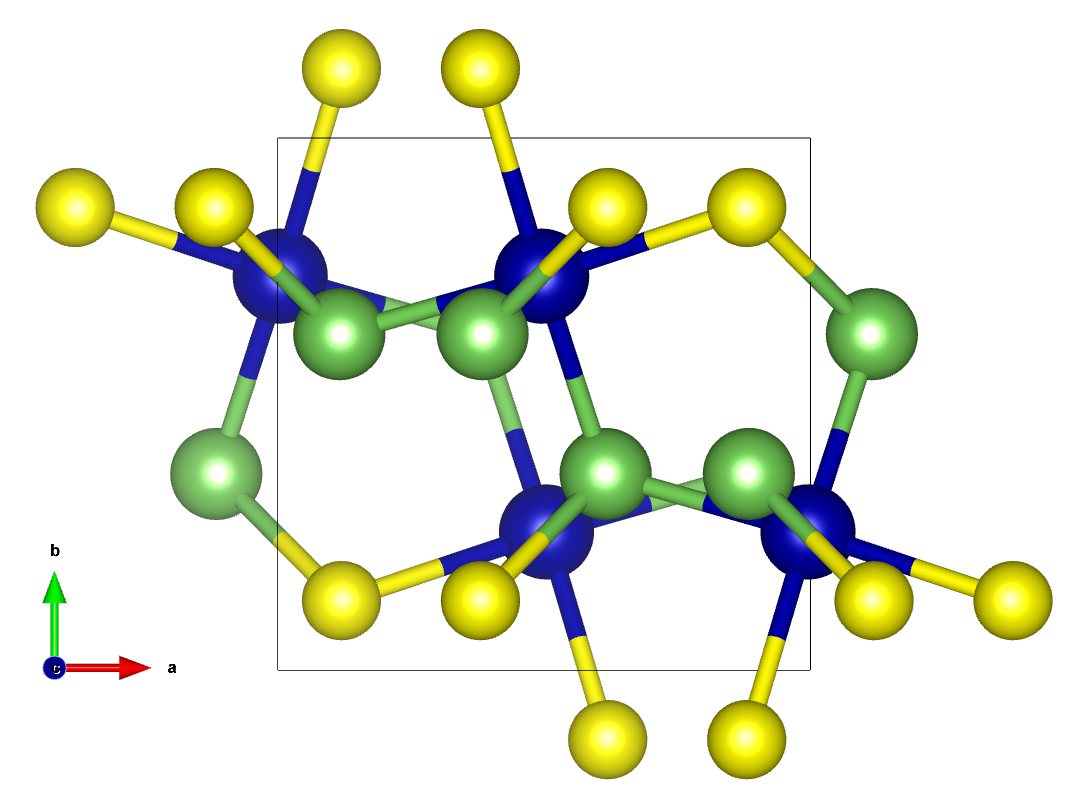
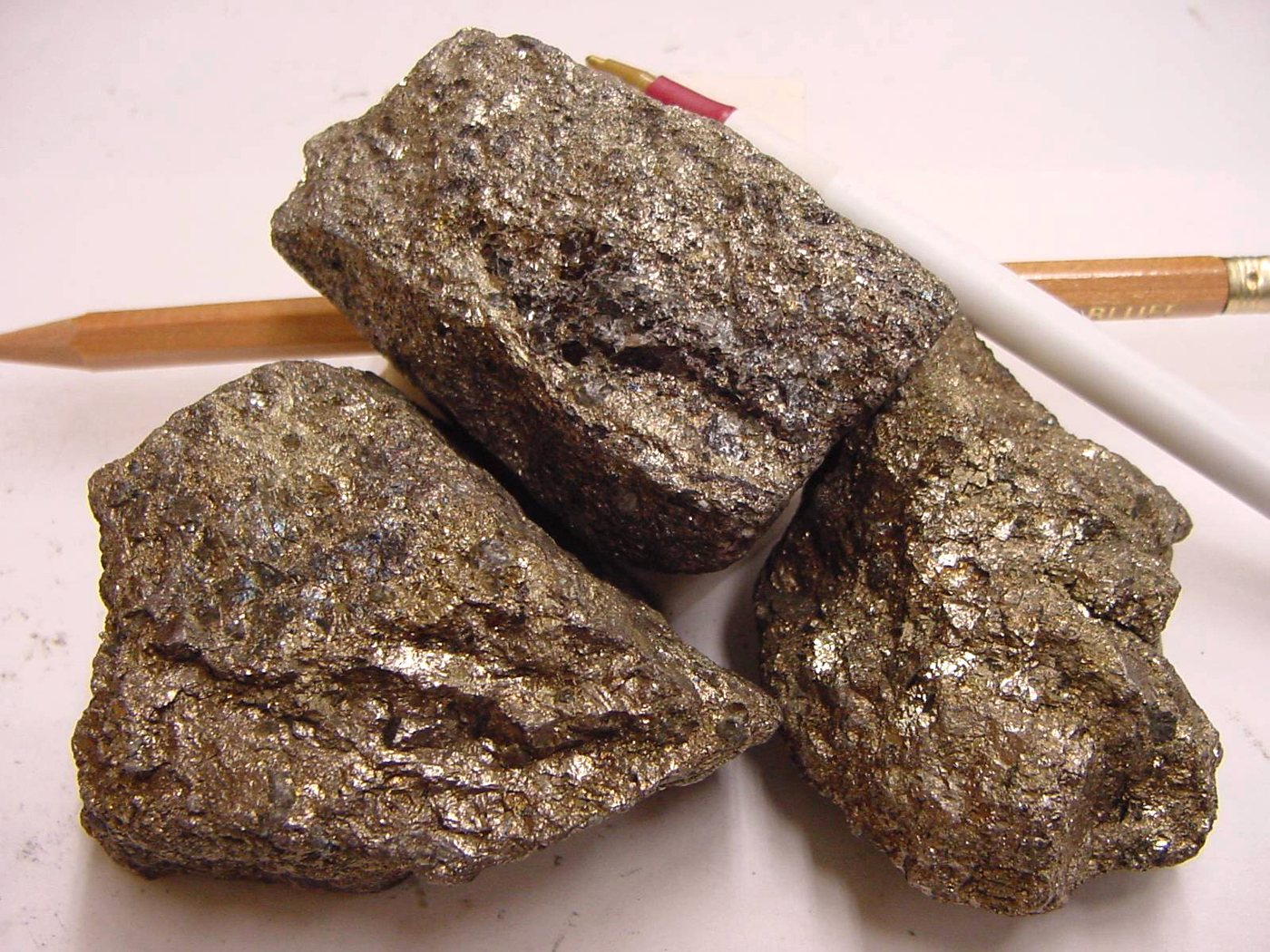
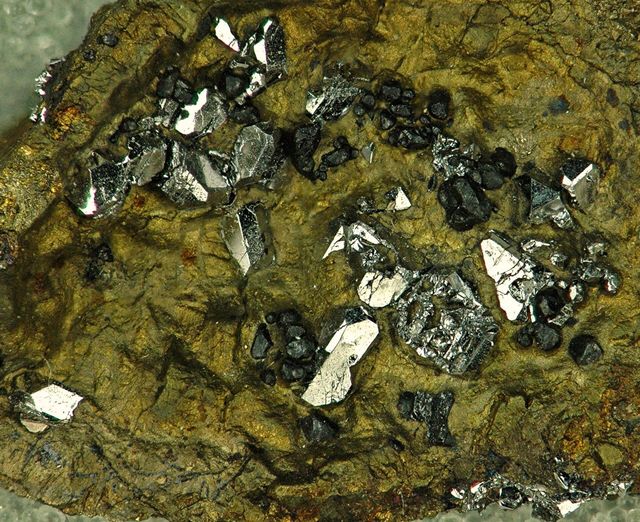
Cobaltite (GeoDIL number - 1151) · Darla Sondrol · CC0 · Wikimedia Commons

Was ist das?

A hard, bluish metal that keeps a battery's cathode stable so it does not overheat, and that holds its strength when red hot.

Warum ist das wichtig?

It is the stability ingredient in high-energy batteries and in the superalloy blades of jet engines — and roughly three-quarters of it comes out of one country.

Where it is in the Earth

Cobalt is not found in nature as a pure metal waiting to be scooped up. It concentrates into mineable deposits through a handful of geological processes, and the type of process determines almost everything about where the deposit sits, how rich it is, and how the cobalt is eventually extracted. The three principal settings are sediment-hosted copper–cobalt deposits, magmatic nickel–copper sulfide deposits, and nickel laterites — each formed by very different mechanisms and each producing cobalt in a chemically different form.

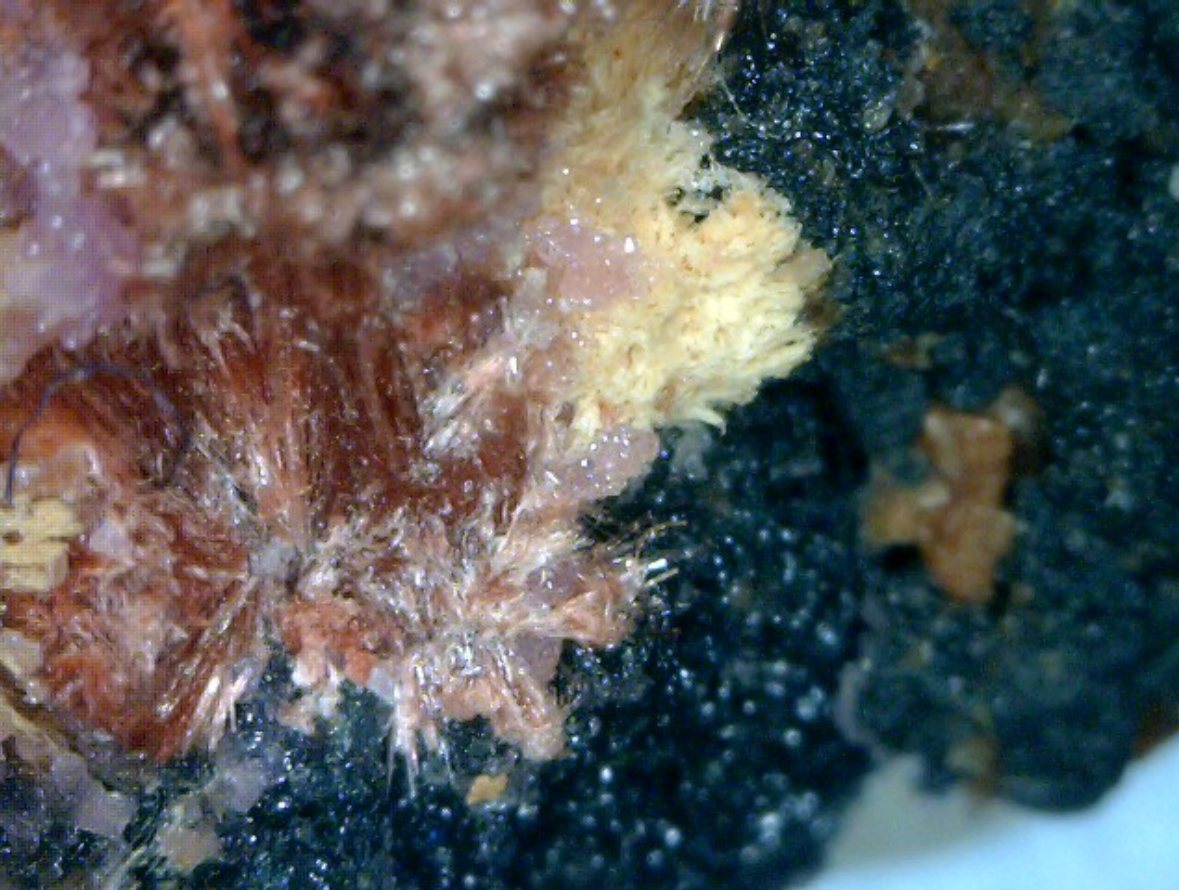
The sediment-hosted deposits of the Central African Copperbelt — the geological province that straddles the Democratic Republic of the Congo and Zambia — are by far the world's most important source. These formed when metal-bearing brines migrated through ancient sedimentary basins, roughly a billion years ago, and precipitated copper and cobalt minerals along chemical boundaries in the rock. The principal cobalt mineral in this setting is heterogenite, an oxide or hydroxide of cobalt that sits within or alongside copper-bearing rock. Because the DRC holds the largest and richest portion of this belt, it accounts for half of the world's known reserves and well over half of current annual production.

Magmatic sulfide deposits form through an entirely different process. When certain magmas — rich in iron, nickel, and copper — cool, a separate sulfide liquid can separate out and sink, carrying nickel, copper, cobalt, and platinum-group metals with it. The resulting ore bodies, such as those at Norilsk-Talnakh in Russia and the Sudbury Basin in Canada, contain cobalt locked inside pentlandite, a nickel–iron sulfide. Sudbury's geology has an added curiosity: the basin was shaped by a very large meteorite impact, which melted the crust and helped concentrate the sulfides. Cobalt from these deposits is always a by-product of nickel and copper; it is present at much lower concentrations than in the Copperbelt ores. Nickel laterites, by contrast, form at the surface. Where nickel-bearing rocks are exposed to prolonged tropical weathering, water slowly leaches away certain elements while concentrating others, leaving a layered, reddish residue. Cobalt can accumulate in this weathered profile, and deposits in Indonesia, the Philippines, Madagascar, and Cuba follow this pattern.

Getting it out

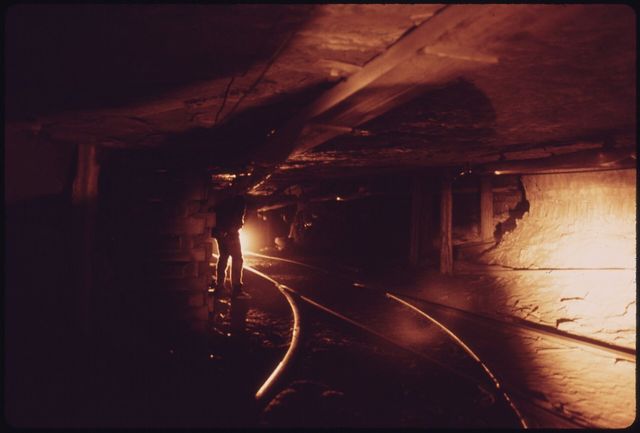
Because cobalt almost never forms deposits of its own, the method of mining is always determined by the primary metal — copper in the Copperbelt, nickel in the sulfide and laterite districts. In the DRC, both open-pit and underground operations are used depending on how close the ore is to the surface. Open-pit mining strips away the overlying rock and soil, called overburden, and excavates the ore in a series of descending benches. Underground mining is used where the ore body extends too deep for an open pit to be economic, requiring shafts, tunnels, and more precise blasting. Both methods generate very large volumes of waste rock — material that is dug out but contains too little metal to process — and this waste must be stored safely near the mine site.

The grade of an ore is the concentration of the target metal within the rock, typically expressed as a percentage or in grams per tonne. In the Copperbelt, cobalt grades in the ore are a fraction of the copper grade — cobalt is the secondary metal, and the economics of mining are driven by copper prices. In magmatic sulfide ores such as those at Norilsk or Sudbury, cobalt grades are lower still, and the operation would not pursue cobalt at all if nickel and copper were not the primary target. This matters because it means cobalt supply is not directly responsive to cobalt prices in the way that supply of a primary-mined metal would be. A fall in cobalt prices does not by itself lead a copper or nickel mine to reduce output; conversely, a rise in cobalt prices cannot easily call forth more supply if the host metal's economics do not justify it. Laterite deposits in Indonesia are typically mined in very large open pits because the ore is soft and deeply weathered, and the cobalt concentrations, while consistent, are low enough that high throughput — processing very large quantities of rock — is necessary to produce meaningful output.

What pulls on it

Two quite different industries consume cobalt in large quantities, and they pull on it for reasons that have almost nothing to do with each other. The battery industry — principally for electric vehicles but also for consumer electronics — uses cobalt as a stabilising element in the cathode, the positive electrode of a lithium-ion cell. Without cobalt, certain cathode chemistries become prone to structural collapse at high charge states, generating heat and reducing the useful life of the cell. The superalloy industry uses cobalt as a binder and strengthening agent in the nickel-based alloys from which jet engine turbine blades and other high-temperature components are made. These alloys must retain their mechanical properties at temperatures where most metals would soften, and cobalt contributes meaningfully to that performance. The two markets are largely independent: a downturn in air travel affects the superalloy demand, while the pace of electric vehicle adoption drives the battery demand.

The battery market has grown considerably faster than the superalloy market over the past decade, and this shift has changed the character of cobalt demand. Consumer electronics — laptops, phones, and portable tools — were an earlier driver of battery cobalt demand, but electric vehicles now represent a larger and faster-growing share. The intensity of cobalt use per vehicle varies according to cathode chemistry. The end-markets table on this page gives one representative figure for a mainstream lithium-ion pack, but the actual range across different chemistries is wide. Demand for cobalt would change sharply if cathode chemistries shifted significantly toward formulations that use less or no cobalt, or if demand for electric vehicles grew faster or slower than current trends suggest — but neither of those paths is certain in either direction, and the pace of technology adoption in this industry has historically been difficult to predict.

The remaining end markets — semiconductors, medicine, and speciality chemicals — are individually smaller but technically important. Cobalt is used as a thin-film liner in semiconductor manufacturing at fine nodes, where it improves electrical contact between layers. Radiotherapy devices use a specific radioactive isotope, cobalt-60, produced in nuclear reactors; this is chemically distinct from the cobalt in batteries or alloys, though it comes from the same elemental supply. Implant alloys for orthopaedic and dental applications use cobalt–chromium formulations valued for their hardness and resistance to corrosion in the body.

Turning ore into product Ebene 3

Getting cobalt from mined ore to a form that a battery maker or alloy producer can use requires several distinct stages, and where those stages happen is as significant as how they happen. The first step after mining is comminution — crushing and grinding the ore to liberate the mineral grains from the surrounding rock. For sulfide ores from the Copperbelt or Sudbury, the ground ore then goes through froth flotation, a process in which air bubbles selectively attach to the target sulfide minerals, carrying them to the surface of a tank as a concentrate. This concentrate, containing perhaps a few tens of per cent copper or nickel alongside a small proportion of cobalt, is the product shipped to a smelter. Hydrometallurgical routes — those using aqueous chemistry rather than heat — are used for the oxide and laterite ores. In the DRC, heterogenite ore is leached with sulfuric acid, dissolving the cobalt and copper into solution; the resulting solution is then cleaned up through solvent extraction, where specific chemical reagents selectively pull the target metals out of the leach liquor, and electrowinning, where an electrical current plates the metal onto cathodes. Laterite ores in Indonesia and elsewhere are commonly treated by high-pressure acid leach, abbreviated HPAL, a process that uses high temperature and pressure to dissolve the metals from the deeply weathered rock.

Refining to battery-grade cobalt sulfate — the form that cathode manufacturers require — is a further chemical step, and it is here that China's processing industry holds a dominant position. Intermediate products from the DRC, Indonesia, and elsewhere flow to refineries in China, where they are converted into the sulfate or other traded forms. The losses and costs in this chain accumulate at each stage: incomplete mineral liberation during grinding, imperfect selectivity in flotation or solvent extraction, and the energy and reagent costs of HPAL and refining all reduce the final yield of contained cobalt relative to what was in the ground. By-product credits — the revenue from copper, nickel, or other metals recovered alongside cobalt — are fundamental to whether any given operation is economic, because cobalt alone rarely justifies the capital and operating expenditure of a large processing plant.

Recovery rates and refinery specifications matter because published production figures are given on a contained-cobalt basis, but the chemical form differs significantly between traded products. Cobalt sulfate, cobalt hydroxide, cobalt cathode, and cobalt powder are not interchangeable without further processing, and buyers in the battery industry have strict purity requirements that exclude material not meeting them. This means that the quoted world production tonnage does not translate directly into material available for any particular application without accounting for the form and specification of what each operation actually produces.

Substitution and recycling Ebene 3

Substitution for cobalt is technically possible in several of its applications but carries real performance penalties in most of them, and the economics of substitution depend heavily on the relative prices of cobalt and the alternatives. In lithium-ion battery cathodes, the principal route away from cobalt is to use chemistries that replace cobalt with additional nickel and manganese, or to use lithium iron phosphate cathodes, which contain no cobalt at all. Lithium iron phosphate cells trade lower energy density — meaning more weight and volume for the same stored energy — for lower cost per unit of capacity and good thermal stability. This makes them attractive for stationary storage and for vehicles where mass and space are less constrained, but less so for applications where energy density is at a premium. High-nickel cathode chemistries retain some cobalt, generally at reduced levels compared to older formulations, because removing cobalt entirely tends to reduce cycle life and thermal performance. The direction of travel in cathode chemistry has been toward less cobalt per kilowatt-hour of storage, but not necessarily toward zero cobalt, and the outcome depends on which performance requirements dominate in the markets being served.

In superalloys, cobalt is harder to displace. The high-temperature mechanical properties it contributes are not easily replicated by other elements without reformulating the entire alloy system, and the qualification process for new alloys in aerospace applications is long and expensive. Some cobalt-containing alloys can be partially substituted with nickel-rich alternatives, but the window for substitution is narrower than in batteries, and the superalloy market has consequently shown more stable cobalt intensity over time. Recycling is a partial answer to primary supply constraints. Cobalt is recoverable from end-of-life batteries, superalloy scrap, and cemented carbide tooling, and the recycled content of some traded cobalt streams is meaningful. Battery recycling in particular is an area of active industrial development, driven both by the economics of recovering lithium, nickel, and cobalt together and by regulatory pressure in several jurisdictions. However, the volume of end-of-life batteries reaching recyclers is still limited by the relative youth of the electric vehicle fleet; most batteries sold in the past decade have not yet reached end of life, so the recycled supply, while growing, represents a small fraction of total demand. Superalloy scrap recycling is more mature, and cobalt recovery from this stream has operated at industrial scale for decades, though the volumes are constrained by the total stock of end-of-life components available.

Die Zahlen richtig lesen. Tonnages are contained cobalt. Most of it is not mined for its own sake. Traded as cobalt sulfate for batteries, and as cathode, briquette or powder for alloys.
A nickel laterite profile
limonite — iron-rich, low nickel, high cobalt saprolite — the nickel ore weathered, partly altered rock fresh ultramafic bedrock (the source) rain surface~30 m
Millions of years of tropical rain dissolve the soluble parts of ultramafic rock and leave the rest behind. Nickel concentrates in the middle of the weathered profile — shallow, soft, and mined with an excavator rather than explosives. Schematic. A full profile is typically 20–40 m from surface to fresh rock. Original diagram, The Materials Atlas.

Wo es im Gestein vorkommt

Alle Erzminerale →

Dies sind die Mineralien, die tatsächlich cobalt. Eine Lagerstätte ist nur dann ein Erzkörper, wenn eines der Minerale ausreichend konzentriert ist, um den Abbau wirtschaftlich zu rechtfertigen.
Mine production

Mine productionmetric tons 2025 (geschätzt) Weltgesamt 310,000 metric tons

USGS Mineral Commodity Summaries 2026 · Tonnages are contained cobalt. Most of it is not mined for its own sake. · Quelle ↗

Tabelle seitwärts scrollen, um die restlichen Spalten zu sehen.

LandProduktion Anteil an der Weltproduktion
Congo (Kinshasa) 230,000 74.2%
Indonesia 44,000 14.2%
Other countries 9,100 2.9%
Russia 7,700 2.5%
Madagascar 3,900 1.3%
Australia 3,700 1.2%
Philippines 3,700 1.2%
Canada 3,500 1.1%
Papua New Guinea 2,800 0.9%
Cuba 2,000 0.6%
China 2,000 0.6%
Turkey 1,900 0.6%
United States 300.0 0.1%
Weltgesamt 310,000100%

„Withheld" bedeutet, dass der USGS den Wert zurückgehalten hat, um keine Rückschlüsse auf Daten einzelner Unternehmen zuzulassen – er bedeutet nicht null. Die Länderwerte addieren sich nicht immer zum Weltgesamt, weil die Quelle jeden Einzelwert unabhängig rundet und eine Zeile „sonstige Länder" nicht immer ausweist.

Wer die Reserven hält

„Reserven" ist ein präziser Begriff. Er bezeichnet den Teil einer bekannten Lagerstätte, der zu aktuellen Preisen und mit heutiger Technologie wirtschaftlich abbaubar wäre – nicht alles, was im Boden vorhanden ist. Reserven wachsen, wenn die Preise steigen oder ein neues Verfahren entwickelt wird, und schrumpfen, wenn sie fallen.

Reserves

Reservesmetric tons 2025

USGS Mineral Commodity Summaries 2026 · Quelle ↗

LandReservenAnteil an der Weltproduktion
Congo (Kinshasa) 6,000,000 50.0%
Australia 1,700,000 14.2%
Russia 800,000 6.7%
Other countries 780,000 6.5%
Indonesia 760,000 6.3%
Cuba 500,000 4.2%
Philippines 260,000 2.2%
Canada 220,000 1.8%
China 160,000 1.3%
Madagascar 100,000 0.8%
Turkey 91,000 0.8%
Papua New Guinea 84,000 0.7%
United States 70,000 0.6%
Weltgesamt 12,000,000100%

Preis

average, dollars per pound: U.S. spot, cathode

Jahresdurchschnittdollars per pound

2021 · 24.21 hoch 30.78 dollars per pound 2025 · 21.00

Grundlage: average, dollars per pound: U.S. spot, cathode. Jahresdurchschnitte gemäß Veröffentlichung in USGS Mineral Commodity Summaries 2026 · Quelle ↗. Dies sind jährliche Referenzdurchschnittswerte, kein Live-Marktpreis.

average, dollars per pound: London Metal Exchange (LME), cash

Jahresdurchschnittdollars per pound

2021 · 23.17 hoch 28.83 dollars per pound 2025 · 15.00

Grundlage: average, dollars per pound: London Metal Exchange (LME), cash. Jahresdurchschnitte gemäß Veröffentlichung in USGS Mineral Commodity Summaries 2026 · Quelle ↗. Dies sind jährliche Referenzdurchschnittswerte, kein Live-Marktpreis.

Bergwerke, die es fördern

Alle Minen →
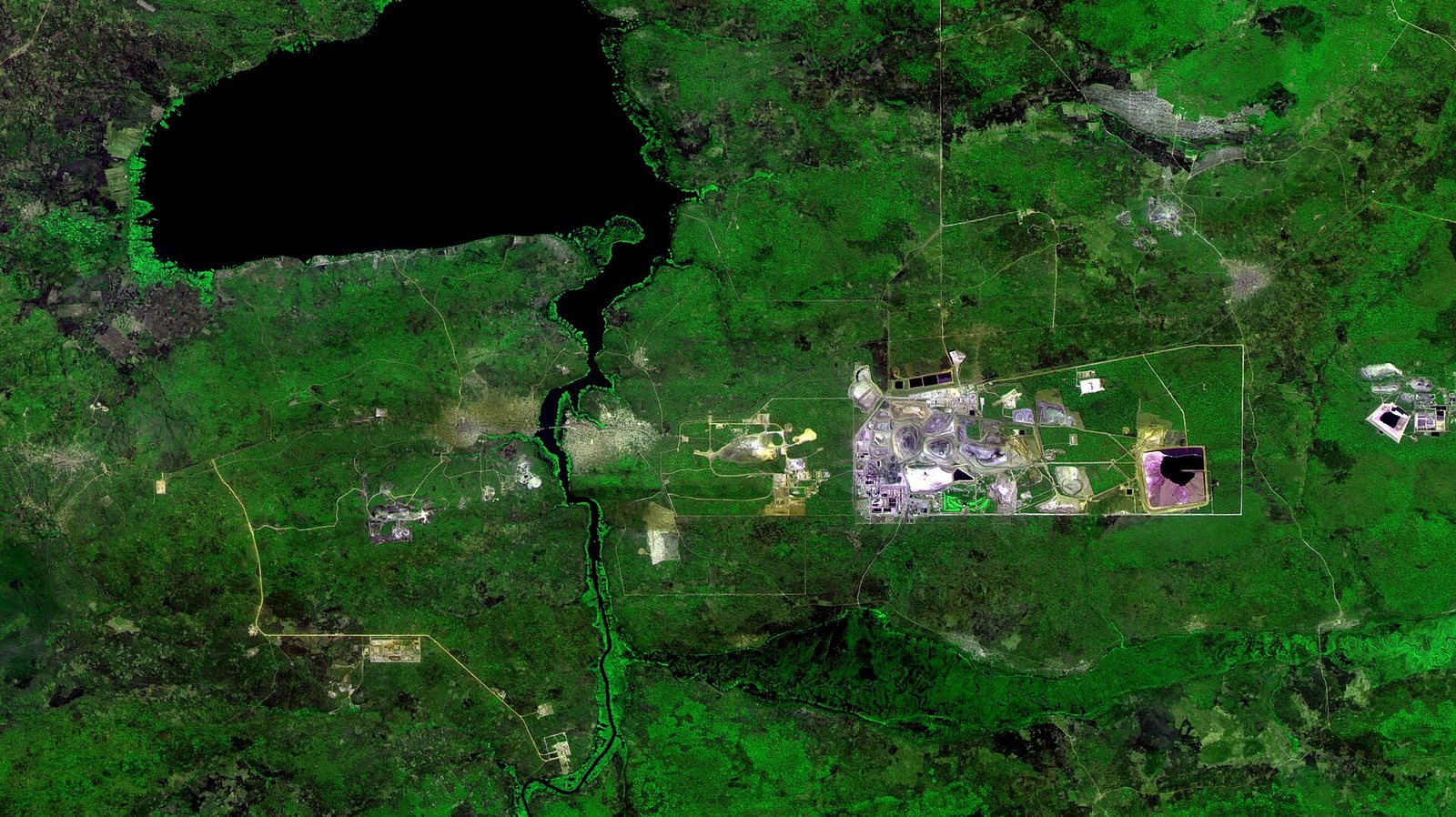
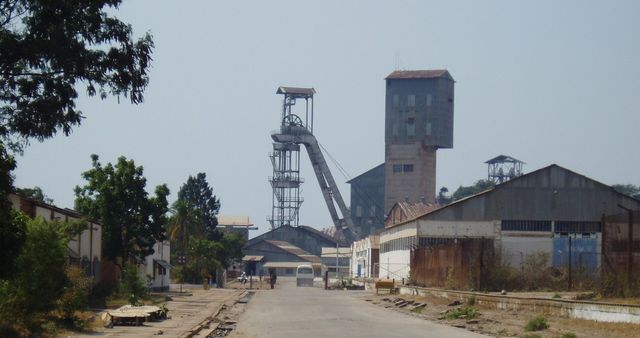
Mutanda
Mutanda, Democratic Republic of the Congo — At times the single largest cobalt mine in the world. Mina de Mutanda na República Democrática do Congo, CC BY-SA 2.0 via Wikimedia Commons

Mutanda →

Wo es aufbereitet und raffiniert wird

AnlageArt StufeLandRolle
Gigafactory Nevada GigafactoryKomponente United StatesInput
TSMC Fab 18, Tainan HalbleiterfertigungKomponente TaiwanInput
Indonesia Morowali Industrial Park HütteAufbereitung IndonesiaAusgabe
Aero-Engine Turbine Plant, Derby FertigungsanlageProdukt United KingdomInput
Huayou Cobalt Refineries ChemieanlageRaffination ChinaInput
Jinchuan Group Smelter-Refinery RaffinerieRaffination ChinaAusgabe

Wofür es verwendet wird

Alle Endmärkte →
EndmarktWas es dort tutBedeutung
Electric Vehicles Keeps the cathode structurally stable Definition
Aerospace & Defence Superalloy binder and magnets Definition
Consumer Electronics High-density battery cathode Definition
Semiconductors Liner and interconnect at small nodes Wichtig
Medicine & Health Radiotherapy sources and implant alloys Wichtig

Wie viel eine Technologie davon benötigt

„Intensität" bezeichnet schlicht, wie viel Material eine Einheit eines Produkts enthält. Die Angaben sind Richtwerte – reale Ausführungen variieren je nach Hersteller und Modelljahr, und sie sinken durchweg, da Ingenieure zunehmend Materialeffizienz erzielen.
TechnologieMenge AngegebenGrundlage
NMC Lithium-Ion Battery Falls sharply as cathodes move from NMC622 to NMC811. 5.00–9.00 kg per 75 kWh packContained cobalt
Single-Crystal Turbine Blade Spur per blade setAlloy matrix

Indicative range compiled from published technology studies and chemistry; verify against a manufacturer specification before use. Diese Zahlen mit beliebiger Skalierung im Materialrechner ausführen →

Exportkontrollen

LandKontrolleGilt für
Congo (Kinshasa)Export quota Cobalt (2025).
NamibiaExport ban Ores and concentrates of cobalt, graphite, lithium, manganese, and rare earths (2023).

USGS Mineral Commodity Summaries 2026, table 4 — controls in effect as of January 2026, excluding controls since lifted.

Grenzenübergreifend verfolgen

Alle Routen →

Wo eine Sendung dieses Materials tatsächlich hingeht — jedes Land, jeder Verwahrer und was bei jedem Schritt zurückbleibt.

Congolese cobalt to a battery cathode A metal almost nobody mines on purpose, carried out of a landlocked country by truck. von Democratic Republic of the Congo · Heterogenite, cobalt oxide ore, recovered alongside… Congolese oxide ore to finished cathode, without a smelter When the ore is oxide, acid will do what a smelter would otherwise have to. von Democratic Republic of the Congo · Oxide and mixed copper ore of the Central African… Indonesian laterite to a battery cathode A country that banned raw ore exports and built the processing industry instead. von Indonesia · Limonite laterite, roughly 1.3% nickel, with…

Materialien

Alle Materialien Kritische Mineralien Seltene Erden Batteriematerialien Erzminerale Periodensystem Screener

Das Gestein

Bergwerke & Lagerstätten Aufbereitung & Raffination Länder Karten

Die Wirtschaft

Verbleibsrouten Lieferketten Endmärkte Technologien Unternehmen Materialrechner

Lernen

LernenGlossar Die Daten befragenKI-Agenten Forschung & DatenOffene API Nachrichten★ Gespeichert

Über uns

Über unsKontakt MethodikDatenquellen Redaktionelle Leitlinien DatenschutzrichtlinieNutzungsbedingungen Haftungsausschluss