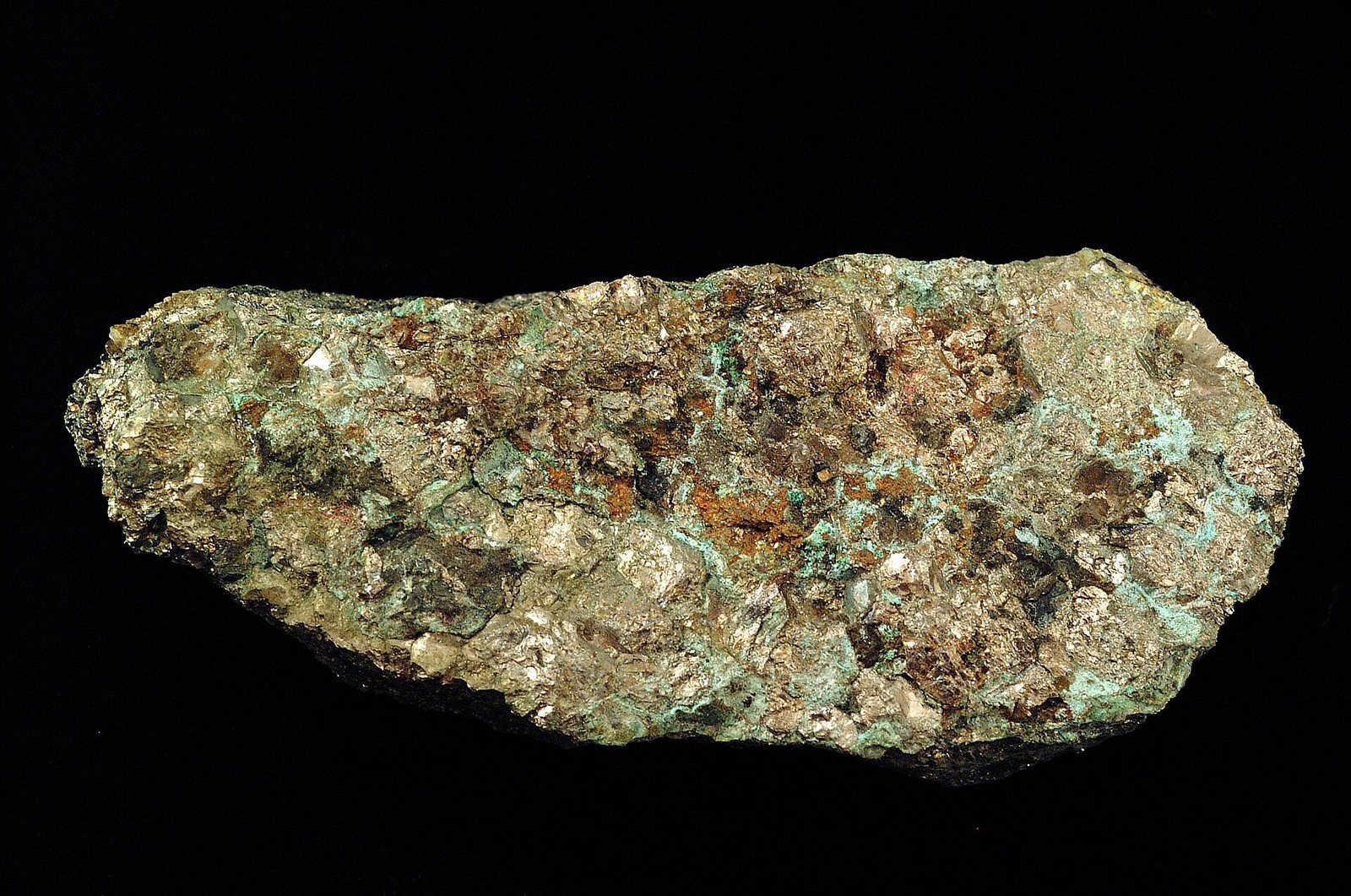
Qu'est-ce que c'est ?
A hard, bluish metal that keeps a battery's cathode stable so it does not overheat, and that holds its strength when red hot.
Pourquoi est-ce important ?
It is the stability ingredient in high-energy batteries and in the superalloy blades of jet engines — and roughly three-quarters of it comes out of one country.
Where it is in the Earth
Cobalt is not found in nature as a pure metal waiting to be scooped up. It concentrates into mineable deposits through a handful of geological processes, and the type of process determines almost everything about where the deposit sits, how rich it is, and how the cobalt is eventually extracted. The three principal settings are sediment-hosted copper–cobalt deposits, magmatic nickel–copper sulfide deposits, and nickel laterites — each formed by very different mechanisms and each producing cobalt in a chemically different form.
The sediment-hosted deposits of the Central African Copperbelt — the geological province that straddles the Democratic Republic of the Congo and Zambia — are by far the world's most important source. These formed when metal-bearing brines migrated through ancient sedimentary basins, roughly a billion years ago, and precipitated copper and cobalt minerals along chemical boundaries in the rock. The principal cobalt mineral in this setting is heterogenite, an oxide or hydroxide of cobalt that sits within or alongside copper-bearing rock. Because the DRC holds the largest and richest portion of this belt, it accounts for half of the world's known reserves and well over half of current annual production.
Magmatic sulfide deposits form through an entirely different process. When certain magmas — rich in iron, nickel, and copper — cool, a separate sulfide liquid can separate out and sink, carrying nickel, copper, cobalt, and platinum-group metals with it. The resulting ore bodies, such as those at Norilsk-Talnakh in Russia and the Sudbury Basin in Canada, contain cobalt locked inside pentlandite, a nickel–iron sulfide. Sudbury's geology has an added curiosity: the basin was shaped by a very large meteorite impact, which melted the crust and helped concentrate the sulfides. Cobalt from these deposits is always a by-product of nickel and copper; it is present at much lower concentrations than in the Copperbelt ores. Nickel laterites, by contrast, form at the surface. Where nickel-bearing rocks are exposed to prolonged tropical weathering, water slowly leaches away certain elements while concentrating others, leaving a layered, reddish residue. Cobalt can accumulate in this weathered profile, and deposits in Indonesia, the Philippines, Madagascar, and Cuba follow this pattern.
Getting it out
Because cobalt almost never forms deposits of its own, the method of mining is always determined by the primary metal — copper in the Copperbelt, nickel in the sulfide and laterite districts. In the DRC, both open-pit and underground operations are used depending on how close the ore is to the surface. Open-pit mining strips away the overlying rock and soil, called overburden, and excavates the ore in a series of descending benches. Underground mining is used where the ore body extends too deep for an open pit to be economic, requiring shafts, tunnels, and more precise blasting. Both methods generate very large volumes of waste rock — material that is dug out but contains too little metal to process — and this waste must be stored safely near the mine site.
The grade of an ore is the concentration of the target metal within the rock, typically expressed as a percentage or in grams per tonne. In the Copperbelt, cobalt grades in the ore are a fraction of the copper grade — cobalt is the secondary metal, and the economics of mining are driven by copper prices. In magmatic sulfide ores such as those at Norilsk or Sudbury, cobalt grades are lower still, and the operation would not pursue cobalt at all if nickel and copper were not the primary target. This matters because it means cobalt supply is not directly responsive to cobalt prices in the way that supply of a primary-mined metal would be. A fall in cobalt prices does not by itself lead a copper or nickel mine to reduce output; conversely, a rise in cobalt prices cannot easily call forth more supply if the host metal's economics do not justify it. Laterite deposits in Indonesia are typically mined in very large open pits because the ore is soft and deeply weathered, and the cobalt concentrations, while consistent, are low enough that high throughput — processing very large quantities of rock — is necessary to produce meaningful output.
What pulls on it
Two quite different industries consume cobalt in large quantities, and they pull on it for reasons that have almost nothing to do with each other. The battery industry — principally for electric vehicles but also for consumer electronics — uses cobalt as a stabilising element in the cathode, the positive electrode of a lithium-ion cell. Without cobalt, certain cathode chemistries become prone to structural collapse at high charge states, generating heat and reducing the useful life of the cell. The superalloy industry uses cobalt as a binder and strengthening agent in the nickel-based alloys from which jet engine turbine blades and other high-temperature components are made. These alloys must retain their mechanical properties at temperatures where most metals would soften, and cobalt contributes meaningfully to that performance. The two markets are largely independent: a downturn in air travel affects the superalloy demand, while the pace of electric vehicle adoption drives the battery demand.
The battery market has grown considerably faster than the superalloy market over the past decade, and this shift has changed the character of cobalt demand. Consumer electronics — laptops, phones, and portable tools — were an earlier driver of battery cobalt demand, but electric vehicles now represent a larger and faster-growing share. The intensity of cobalt use per vehicle varies according to cathode chemistry. The end-markets table on this page gives one representative figure for a mainstream lithium-ion pack, but the actual range across different chemistries is wide. Demand for cobalt would change sharply if cathode chemistries shifted significantly toward formulations that use less or no cobalt, or if demand for electric vehicles grew faster or slower than current trends suggest — but neither of those paths is certain in either direction, and the pace of technology adoption in this industry has historically been difficult to predict.
The remaining end markets — semiconductors, medicine, and speciality chemicals — are individually smaller but technically important. Cobalt is used as a thin-film liner in semiconductor manufacturing at fine nodes, where it improves electrical contact between layers. Radiotherapy devices use a specific radioactive isotope, cobalt-60, produced in nuclear reactors; this is chemically distinct from the cobalt in batteries or alloys, though it comes from the same elemental supply. Implant alloys for orthopaedic and dental applications use cobalt–chromium formulations valued for their hardness and resistance to corrosion in the body.
D'où cela vient dans la roche
Tous les minéraux de minerai →Ce sont les minéraux qui portent réellement cobalt. Un gisement n'est un corps minéralisé que si l'un d'eux est suffisamment concentré pour rentabiliser son extraction.
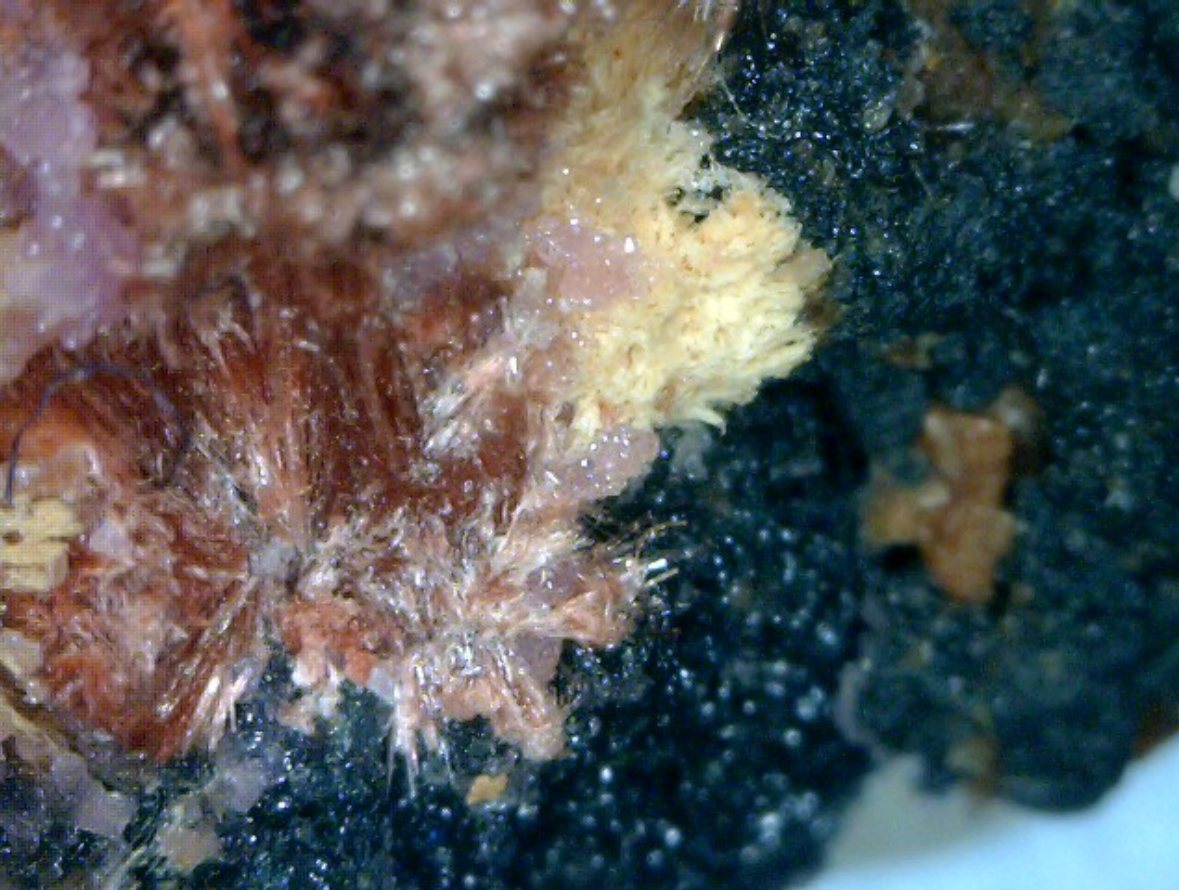
Heterogenite
The oxidised cobalt mineral of the Central African Copperbelt, and the ore most artisanal cobalt mining targets.
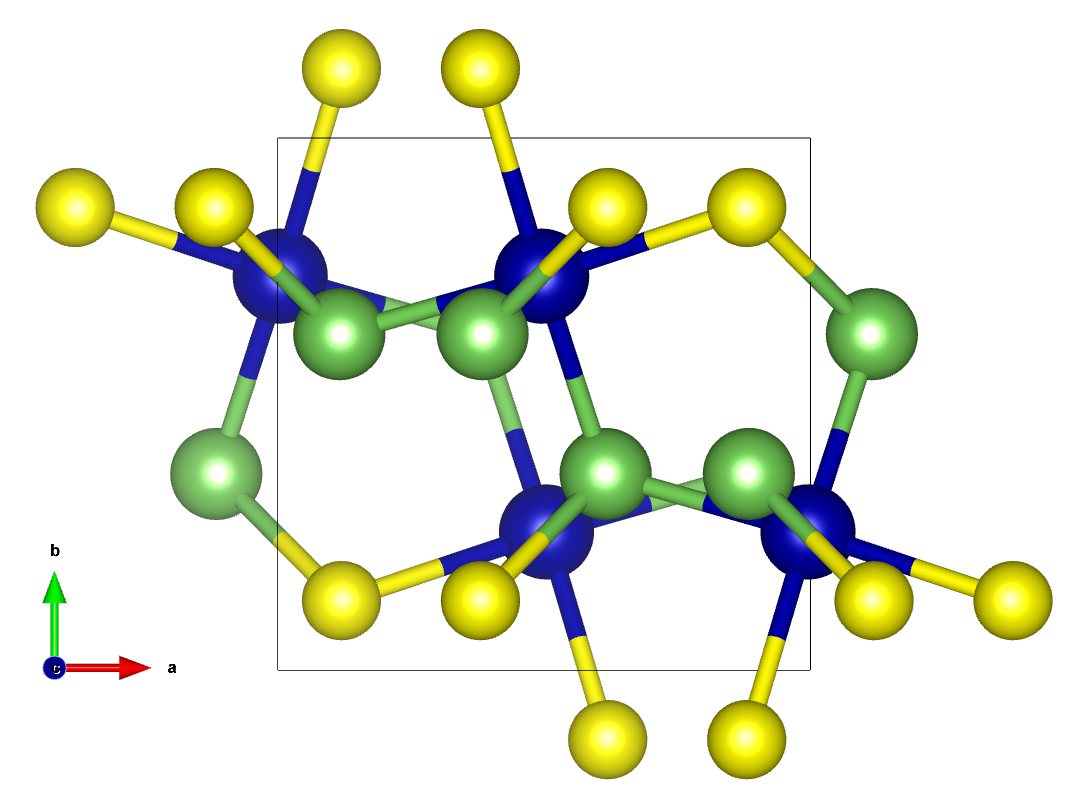
Cobaltite
A primary cobalt mineral, though most cobalt is actually recovered from copper and nickel ores rather than from cobalt…
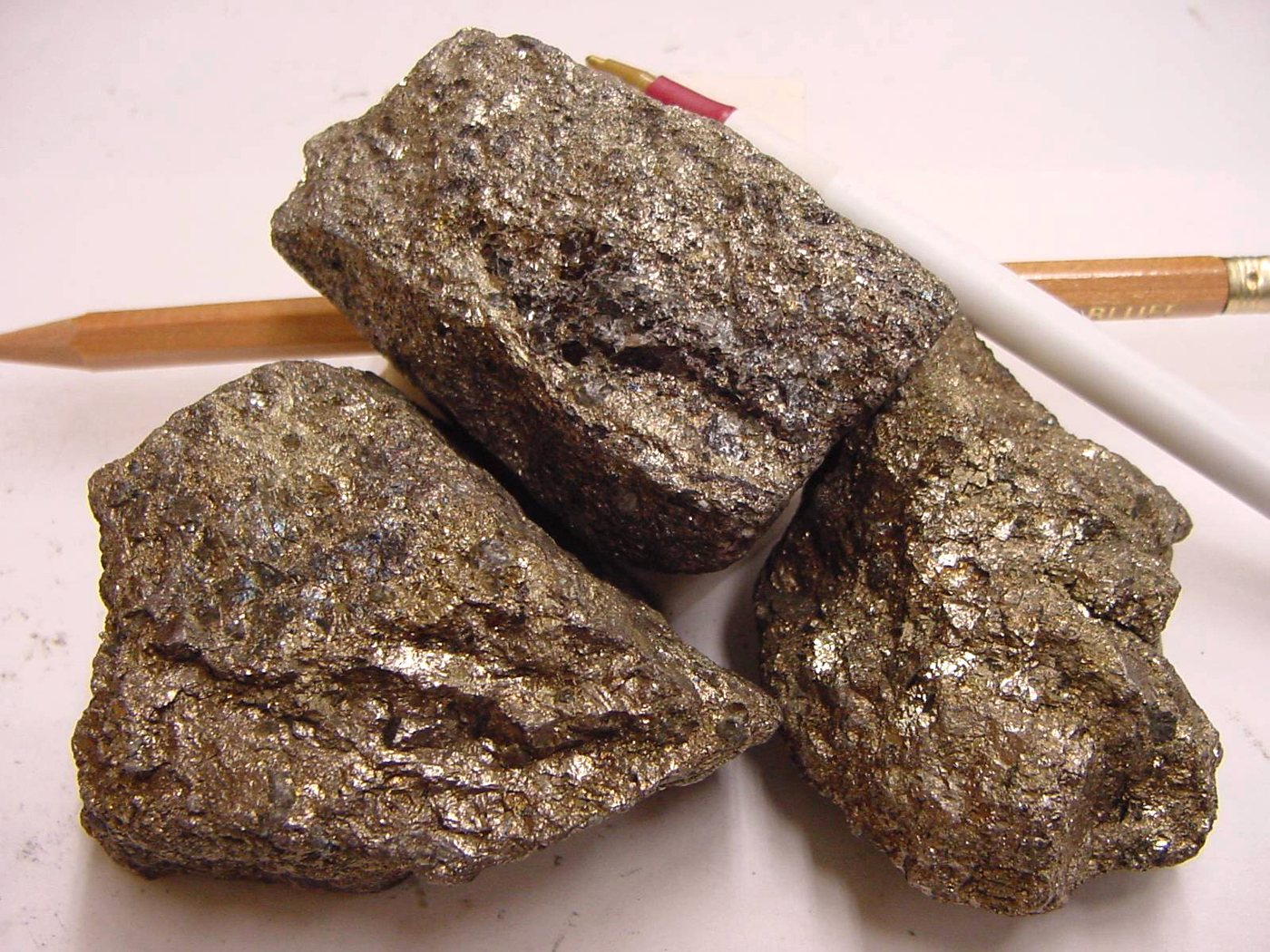
Pentlandite
The main nickel sulfide ore mineral, and the host that also carries most by-product platinum-group metals.
Qui le produit
Voir sur une carte →Mine production
Mine productionmetric tons 2025 (estimé) Total mondial 310,000 metric tons
USGS Mineral Commodity Summaries 2026 · Tonnages are contained cobalt. Most of it is not mined for its own sake. · source ↗
Faire défiler le tableau latéralement pour afficher les colonnes restantes.
| Pays | Production | Part mondiale |
|---|---|---|
| Congo (Kinshasa) | 230,000 | 74.2% |
| Indonesia | 44,000 | 14.2% |
| Other countries | 9,100 | 2.9% |
| Russia | 7,700 | 2.5% |
| Madagascar | 3,900 | 1.3% |
| Philippines | 3,700 | 1.2% |
| Australia | 3,700 | 1.2% |
| Canada | 3,500 | 1.1% |
| Papua New Guinea | 2,800 | 0.9% |
| China | 2,000 | 0.6% |
| Cuba | 2,000 | 0.6% |
| Turkey | 1,900 | 0.6% |
| United States | 300.0 | 0.1% |
| Total mondial | 310,000 | 100% |
« Withheld » signifie que l'USGS a supprimé le chiffre afin de ne pas divulguer les données d'une entreprise individuelle — cela ne signifie pas zéro. La somme des lignes par pays ne correspond pas toujours au total mondial, car la source arrondit chaque chiffre de manière indépendante et ne détaille pas toujours une ligne « autres pays ».
Qui détient les réserves
Reserves
Reservesmetric tons 2025
USGS Mineral Commodity Summaries 2026 · source ↗
| Pays | Réserves | Part mondiale |
|---|---|---|
| Congo (Kinshasa) | 6,000,000 | 50.0% |
| Australia | 1,700,000 | 14.2% |
| Russia | 800,000 | 6.7% |
| Other countries | 780,000 | 6.5% |
| Indonesia | 760,000 | 6.3% |
| Cuba | 500,000 | 4.2% |
| Philippines | 260,000 | 2.2% |
| Canada | 220,000 | 1.8% |
| China | 160,000 | 1.3% |
| Madagascar | 100,000 | 0.8% |
| Turkey | 91,000 | 0.8% |
| Papua New Guinea | 84,000 | 0.7% |
| United States | 70,000 | 0.6% |
| Total mondial | 12,000,000 | 100% |
Prix
average, dollars per pound: U.S. spot, cathode
Moyenne annuelledollars per pound
Base: average, dollars per pound: U.S. spot, cathode. Moyennes annuelles telles que publiées dans USGS Mineral Commodity Summaries 2026 · source ↗. Il s'agit de moyennes annuelles de référence, et non de cotations de marché en temps réel.
average, dollars per pound: London Metal Exchange (LME), cash
Moyenne annuelledollars per pound
Base: average, dollars per pound: London Metal Exchange (LME), cash. Moyennes annuelles telles que publiées dans USGS Mineral Commodity Summaries 2026 · source ↗. Il s'agit de moyennes annuelles de référence, et non de cotations de marché en temps réel.
Mines qui le produisent
Toutes les mines →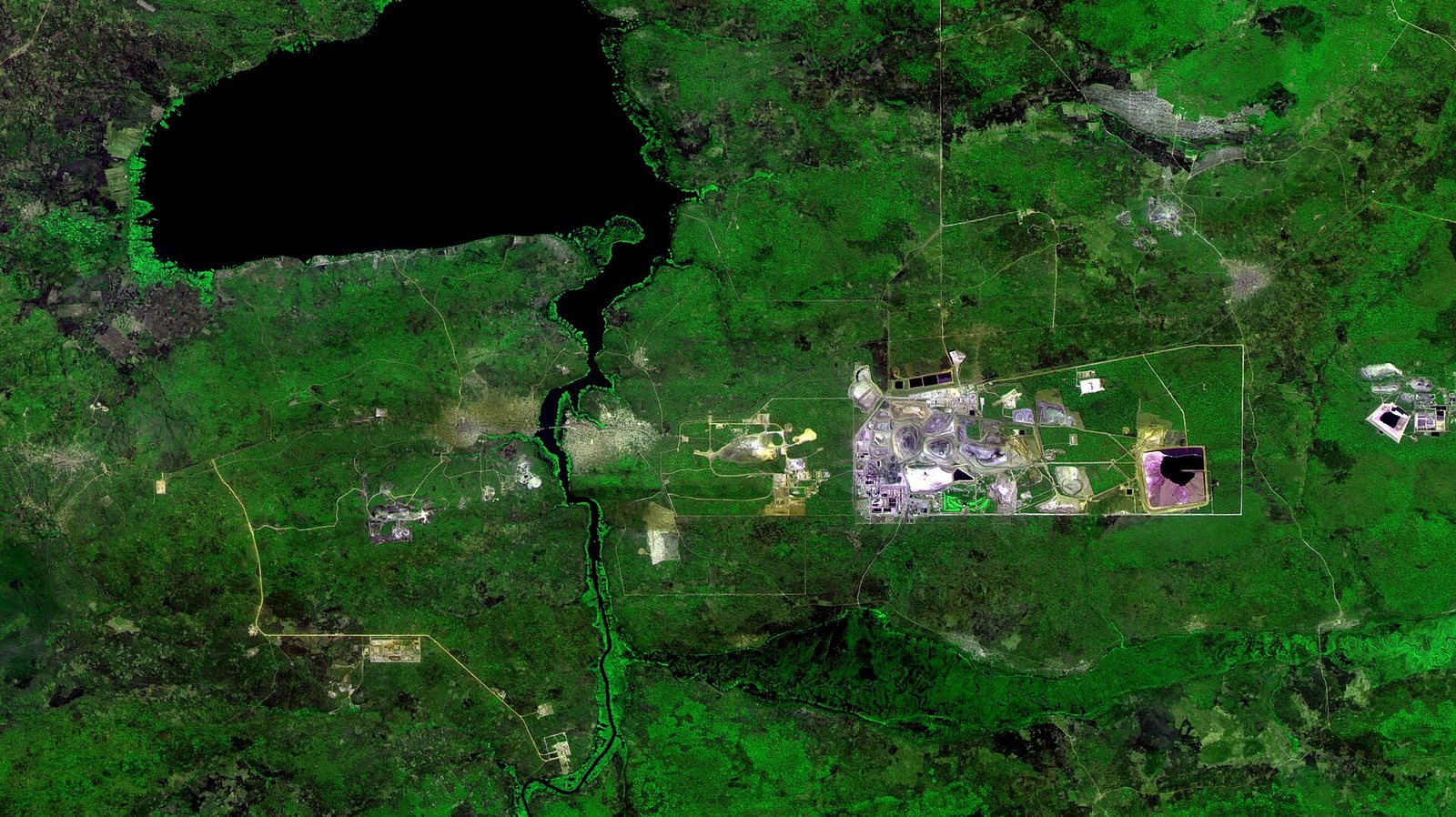
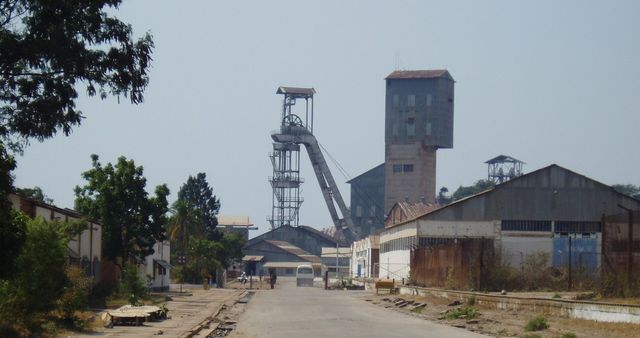
Kamoto (KCC)
Among the world's largest cobalt producers.
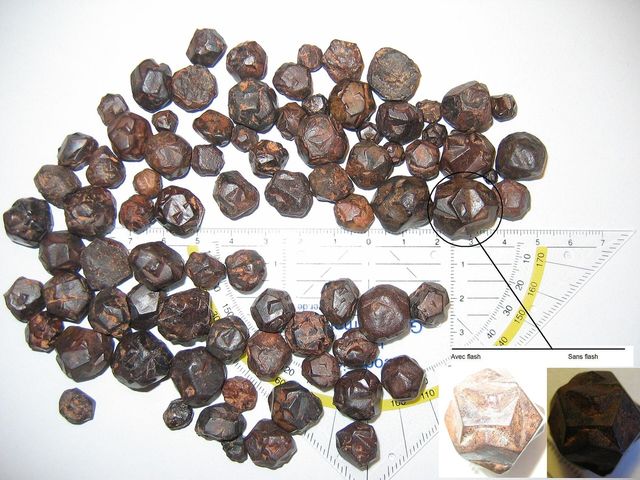
Tenke Fungurume
One of the largest cobalt sources on Earth.
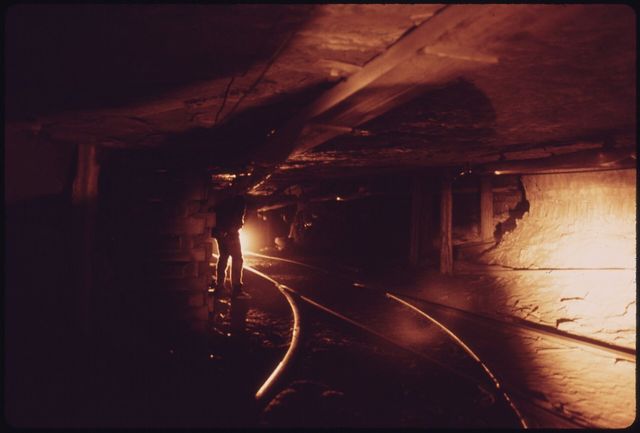
Kamoa-Kakula
One of the highest-grade large copper deposits discovered in decades.
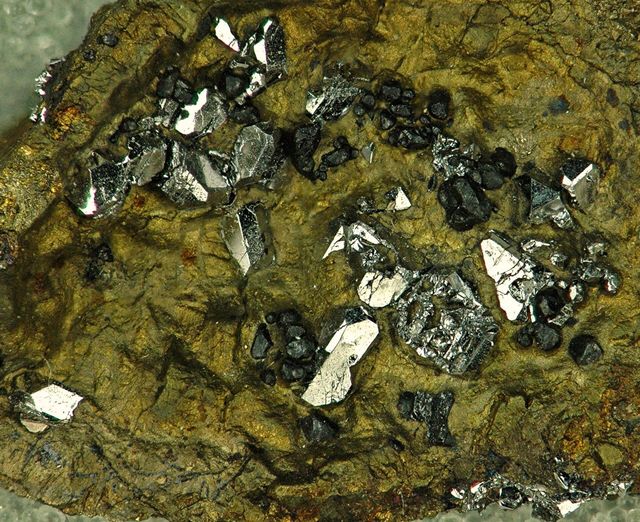
Norilsk-Talnakh
The largest palladium source in the world and a major nickel producer.
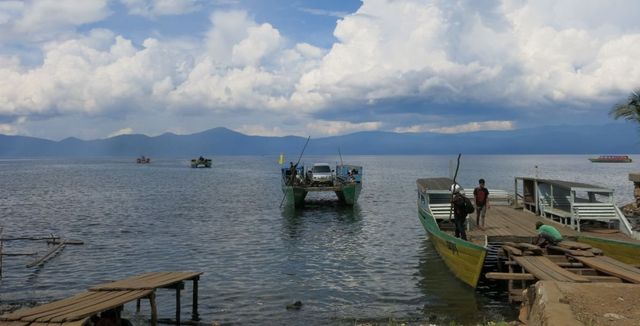
Sorowako
One of Indonesia's long-established integrated nickel operations.
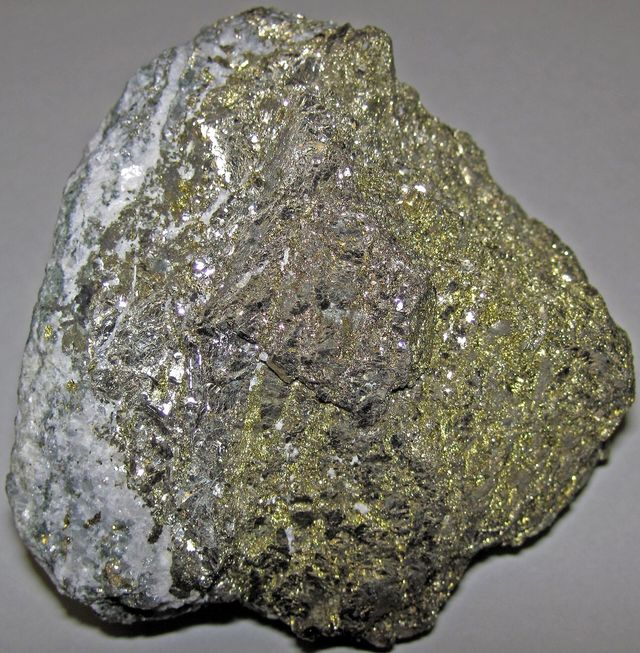
Sudbury Basin
One of the longest-producing nickel districts on Earth.
Où c'est traité et raffiné
| Usine | Type | Étape | Pays | Rôle |
|---|---|---|---|---|
| Gigafactory Nevada | Gigafactory | Composant | United States | Intrant |
| TSMC Fab 18, Tainan | Fab de semiconducteurs | Composant | Taiwan | Intrant |
| Indonesia Morowali Industrial Park | Fonderie | Traitement | Indonesia | Production |
| Aero-Engine Turbine Plant, Derby | Usine de fabrication | Produit | United Kingdom | Intrant |
| Huayou Cobalt Refineries | Usine chimique | Affinage | China | Intrant |
| Jinchuan Group Smelter-Refinery | Affinerie | Affinage | China | Production |
À quoi cela sert
Tous les marchés finaux →| Marché final | Ce qu'il fait là-bas | Importance |
|---|---|---|
| Electric Vehicles | Keeps the cathode structurally stable | Définition de |
| Aerospace & Defence | Superalloy binder and magnets | Définition de |
| Consumer Electronics | High-density battery cathode | Définition de |
| Semiconductors | Liner and interconnect at small nodes | Important |
| Medicine & Health | Radiotherapy sources and implant alloys | Important |
Quelle quantité en nécessite une technologie
| Technologie | Quantité | Coté | Base |
|---|---|---|---|
| NMC Lithium-Ion Battery Falls sharply as cathodes move from NMC622 to NMC811. | 5.00–9.00 kg | per 75 kWh pack | Contained cobalt |
| Single-Crystal Turbine Blade | trace | per blade set | Alloy matrix |
Indicative range compiled from published technology studies and chemistry; verify against a manufacturer specification before use. Appliquer ces chiffres à n'importe quelle échelle dans le calculateur de matériaux →
Contrôles à l'exportation
| Pays | Contrôle | S'applique à |
|---|---|---|
| Congo (Kinshasa) | Export quota | Cobalt (2025). ↗ |
| Namibia | Export ban | Ores and concentrates of cobalt, graphite, lithium, manganese, and rare earths (2023). ↗ |
USGS Mineral Commodity Summaries 2026, table 4 — controls in effect as of January 2026, excluding controls since lifted.
Suivez-le au fil des frontières
Tous les parcours →Où va réellement un lot de ce matériau — chaque pays, chaque dépositaire, et ce qui est perdu à chaque étape.
Congolese cobalt to a battery cathode A metal almost nobody mines on purpose, carried out of a landlocked country by truck. Congolese oxide ore to finished cathode, without a smelter When the ore is oxide, acid will do what a smelter would otherwise have to. Indonesian laterite to a battery cathode A country that banned raw ore exports and built the processing industry instead.