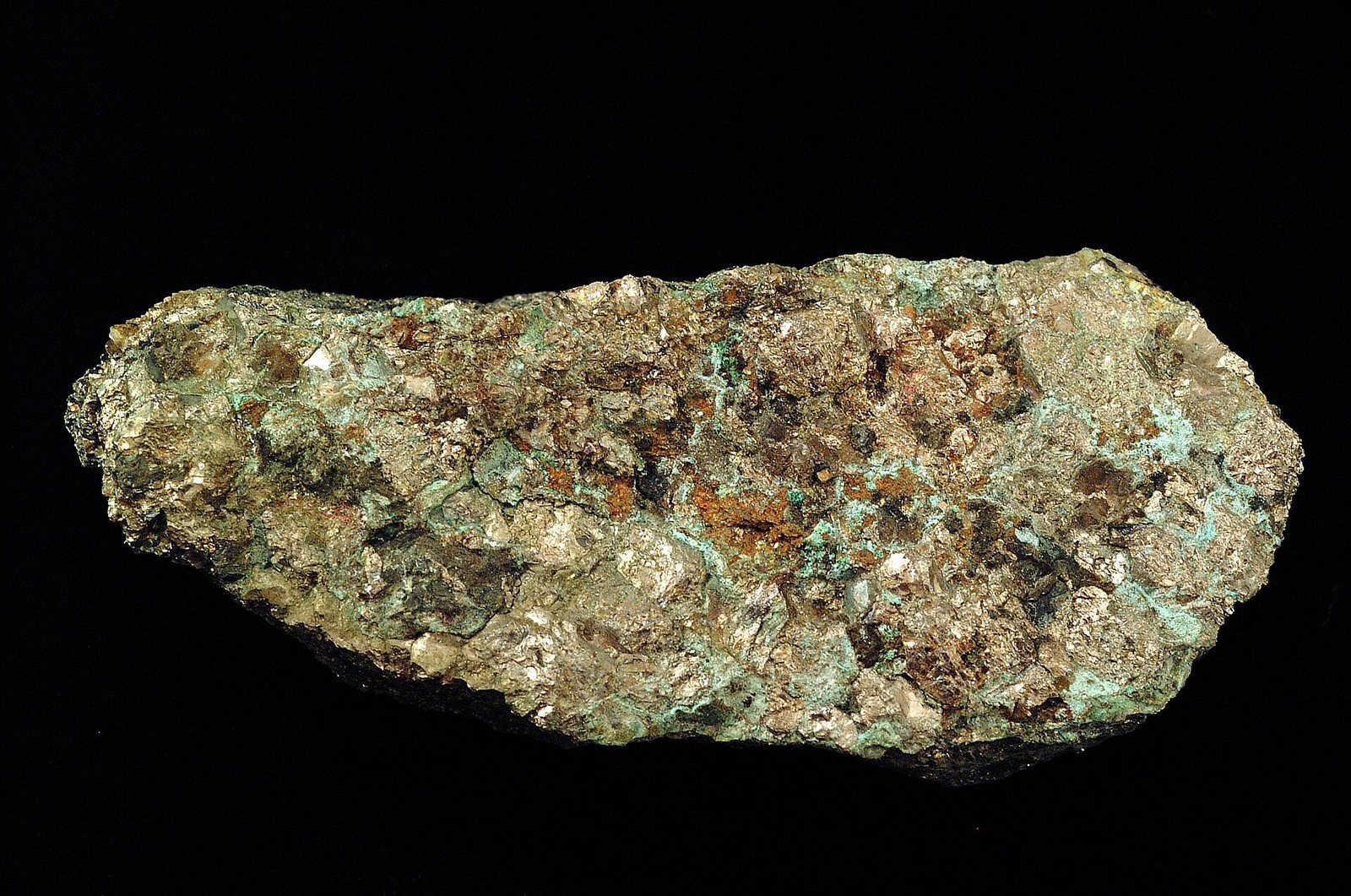
Apa ini?
A hard, bluish metal that keeps a battery's cathode stable so it does not overheat, and that holds its strength when red hot.
Mengapa ini penting?
It is the stability ingredient in high-energy batteries and in the superalloy blades of jet engines — and roughly three-quarters of it comes out of one country.
Where it is in the Earth
Cobalt is not found in nature as a pure metal waiting to be scooped up. It concentrates into mineable deposits through a handful of geological processes, and the type of process determines almost everything about where the deposit sits, how rich it is, and how the cobalt is eventually extracted. The three principal settings are sediment-hosted copper–cobalt deposits, magmatic nickel–copper sulfide deposits, and nickel laterites — each formed by very different mechanisms and each producing cobalt in a chemically different form.
The sediment-hosted deposits of the Central African Copperbelt — the geological province that straddles the Democratic Republic of the Congo and Zambia — are by far the world's most important source. These formed when metal-bearing brines migrated through ancient sedimentary basins, roughly a billion years ago, and precipitated copper and cobalt minerals along chemical boundaries in the rock. The principal cobalt mineral in this setting is heterogenite, an oxide or hydroxide of cobalt that sits within or alongside copper-bearing rock. Because the DRC holds the largest and richest portion of this belt, it accounts for half of the world's known reserves and well over half of current annual production.
Magmatic sulfide deposits form through an entirely different process. When certain magmas — rich in iron, nickel, and copper — cool, a separate sulfide liquid can separate out and sink, carrying nickel, copper, cobalt, and platinum-group metals with it. The resulting ore bodies, such as those at Norilsk-Talnakh in Russia and the Sudbury Basin in Canada, contain cobalt locked inside pentlandite, a nickel–iron sulfide. Sudbury's geology has an added curiosity: the basin was shaped by a very large meteorite impact, which melted the crust and helped concentrate the sulfides. Cobalt from these deposits is always a by-product of nickel and copper; it is present at much lower concentrations than in the Copperbelt ores. Nickel laterites, by contrast, form at the surface. Where nickel-bearing rocks are exposed to prolonged tropical weathering, water slowly leaches away certain elements while concentrating others, leaving a layered, reddish residue. Cobalt can accumulate in this weathered profile, and deposits in Indonesia, the Philippines, Madagascar, and Cuba follow this pattern.
Getting it out
Because cobalt almost never forms deposits of its own, the method of mining is always determined by the primary metal — copper in the Copperbelt, nickel in the sulfide and laterite districts. In the DRC, both open-pit and underground operations are used depending on how close the ore is to the surface. Open-pit mining strips away the overlying rock and soil, called overburden, and excavates the ore in a series of descending benches. Underground mining is used where the ore body extends too deep for an open pit to be economic, requiring shafts, tunnels, and more precise blasting. Both methods generate very large volumes of waste rock — material that is dug out but contains too little metal to process — and this waste must be stored safely near the mine site.
The grade of an ore is the concentration of the target metal within the rock, typically expressed as a percentage or in grams per tonne. In the Copperbelt, cobalt grades in the ore are a fraction of the copper grade — cobalt is the secondary metal, and the economics of mining are driven by copper prices. In magmatic sulfide ores such as those at Norilsk or Sudbury, cobalt grades are lower still, and the operation would not pursue cobalt at all if nickel and copper were not the primary target. This matters because it means cobalt supply is not directly responsive to cobalt prices in the way that supply of a primary-mined metal would be. A fall in cobalt prices does not by itself lead a copper or nickel mine to reduce output; conversely, a rise in cobalt prices cannot easily call forth more supply if the host metal's economics do not justify it. Laterite deposits in Indonesia are typically mined in very large open pits because the ore is soft and deeply weathered, and the cobalt concentrations, while consistent, are low enough that high throughput — processing very large quantities of rock — is necessary to produce meaningful output.
What pulls on it
Two quite different industries consume cobalt in large quantities, and they pull on it for reasons that have almost nothing to do with each other. The battery industry — principally for electric vehicles but also for consumer electronics — uses cobalt as a stabilising element in the cathode, the positive electrode of a lithium-ion cell. Without cobalt, certain cathode chemistries become prone to structural collapse at high charge states, generating heat and reducing the useful life of the cell. The superalloy industry uses cobalt as a binder and strengthening agent in the nickel-based alloys from which jet engine turbine blades and other high-temperature components are made. These alloys must retain their mechanical properties at temperatures where most metals would soften, and cobalt contributes meaningfully to that performance. The two markets are largely independent: a downturn in air travel affects the superalloy demand, while the pace of electric vehicle adoption drives the battery demand.
The battery market has grown considerably faster than the superalloy market over the past decade, and this shift has changed the character of cobalt demand. Consumer electronics — laptops, phones, and portable tools — were an earlier driver of battery cobalt demand, but electric vehicles now represent a larger and faster-growing share. The intensity of cobalt use per vehicle varies according to cathode chemistry. The end-markets table on this page gives one representative figure for a mainstream lithium-ion pack, but the actual range across different chemistries is wide. Demand for cobalt would change sharply if cathode chemistries shifted significantly toward formulations that use less or no cobalt, or if demand for electric vehicles grew faster or slower than current trends suggest — but neither of those paths is certain in either direction, and the pace of technology adoption in this industry has historically been difficult to predict.
The remaining end markets — semiconductors, medicine, and speciality chemicals — are individually smaller but technically important. Cobalt is used as a thin-film liner in semiconductor manufacturing at fine nodes, where it improves electrical contact between layers. Radiotherapy devices use a specific radioactive isotope, cobalt-60, produced in nuclear reactors; this is chemically distinct from the cobalt in batteries or alloys, though it comes from the same elemental supply. Implant alloys for orthopaedic and dental applications use cobalt–chromium formulations valued for their hardness and resistance to corrosion in the body.
Turning ore into product Tingkat 3
Getting cobalt from mined ore to a form that a battery maker or alloy producer can use requires several distinct stages, and where those stages happen is as significant as how they happen. The first step after mining is comminution — crushing and grinding the ore to liberate the mineral grains from the surrounding rock. For sulfide ores from the Copperbelt or Sudbury, the ground ore then goes through froth flotation, a process in which air bubbles selectively attach to the target sulfide minerals, carrying them to the surface of a tank as a concentrate. This concentrate, containing perhaps a few tens of per cent copper or nickel alongside a small proportion of cobalt, is the product shipped to a smelter. Hydrometallurgical routes — those using aqueous chemistry rather than heat — are used for the oxide and laterite ores. In the DRC, heterogenite ore is leached with sulfuric acid, dissolving the cobalt and copper into solution; the resulting solution is then cleaned up through solvent extraction, where specific chemical reagents selectively pull the target metals out of the leach liquor, and electrowinning, where an electrical current plates the metal onto cathodes. Laterite ores in Indonesia and elsewhere are commonly treated by high-pressure acid leach, abbreviated HPAL, a process that uses high temperature and pressure to dissolve the metals from the deeply weathered rock.
Refining to battery-grade cobalt sulfate — the form that cathode manufacturers require — is a further chemical step, and it is here that China's processing industry holds a dominant position. Intermediate products from the DRC, Indonesia, and elsewhere flow to refineries in China, where they are converted into the sulfate or other traded forms. The losses and costs in this chain accumulate at each stage: incomplete mineral liberation during grinding, imperfect selectivity in flotation or solvent extraction, and the energy and reagent costs of HPAL and refining all reduce the final yield of contained cobalt relative to what was in the ground. By-product credits — the revenue from copper, nickel, or other metals recovered alongside cobalt — are fundamental to whether any given operation is economic, because cobalt alone rarely justifies the capital and operating expenditure of a large processing plant.
Recovery rates and refinery specifications matter because published production figures are given on a contained-cobalt basis, but the chemical form differs significantly between traded products. Cobalt sulfate, cobalt hydroxide, cobalt cathode, and cobalt powder are not interchangeable without further processing, and buyers in the battery industry have strict purity requirements that exclude material not meeting them. This means that the quoted world production tonnage does not translate directly into material available for any particular application without accounting for the form and specification of what each operation actually produces.
Substitution and recycling Tingkat 3
Substitution for cobalt is technically possible in several of its applications but carries real performance penalties in most of them, and the economics of substitution depend heavily on the relative prices of cobalt and the alternatives. In lithium-ion battery cathodes, the principal route away from cobalt is to use chemistries that replace cobalt with additional nickel and manganese, or to use lithium iron phosphate cathodes, which contain no cobalt at all. Lithium iron phosphate cells trade lower energy density — meaning more weight and volume for the same stored energy — for lower cost per unit of capacity and good thermal stability. This makes them attractive for stationary storage and for vehicles where mass and space are less constrained, but less so for applications where energy density is at a premium. High-nickel cathode chemistries retain some cobalt, generally at reduced levels compared to older formulations, because removing cobalt entirely tends to reduce cycle life and thermal performance. The direction of travel in cathode chemistry has been toward less cobalt per kilowatt-hour of storage, but not necessarily toward zero cobalt, and the outcome depends on which performance requirements dominate in the markets being served.
In superalloys, cobalt is harder to displace. The high-temperature mechanical properties it contributes are not easily replicated by other elements without reformulating the entire alloy system, and the qualification process for new alloys in aerospace applications is long and expensive. Some cobalt-containing alloys can be partially substituted with nickel-rich alternatives, but the window for substitution is narrower than in batteries, and the superalloy market has consequently shown more stable cobalt intensity over time. Recycling is a partial answer to primary supply constraints. Cobalt is recoverable from end-of-life batteries, superalloy scrap, and cemented carbide tooling, and the recycled content of some traded cobalt streams is meaningful. Battery recycling in particular is an area of active industrial development, driven both by the economics of recovering lithium, nickel, and cobalt together and by regulatory pressure in several jurisdictions. However, the volume of end-of-life batteries reaching recyclers is still limited by the relative youth of the electric vehicle fleet; most batteries sold in the past decade have not yet reached end of life, so the recycled supply, while growing, represents a small fraction of total demand. Superalloy scrap recycling is more mature, and cobalt recovery from this stream has operated at industrial scale for decades, though the volumes are constrained by the total stock of end-of-life components available.
Where the chain is fragile Tingkat 4
The concentration of cobalt supply in a single country is the most commonly cited risk in the supply chain, and the production and reserve figures on this page quantify it plainly. The DRC accounts for the large majority of both current output and reported reserves, and nearly all of that output comes as a by-product of copper mining. This creates a structural dependency: the volume of cobalt reaching the market is set primarily by the economics and operational decisions of the copper industry in one country, not by cobalt demand or cobalt prices. Separately, the intermediate and refined processing stage is heavily concentrated in China, meaning that even material originating outside the DRC typically passes through Chinese refining capacity before it reaches battery manufacturers. A disruption at either node — whether from political instability in the DRC, trade policy changes, or capacity constraints in Chinese refining — has limited short-term alternatives, because processing capacity elsewhere is much smaller and cannot be scaled quickly.
By-product dependence is an underappreciated source of uncertainty in reported figures. Because most cobalt is recovered incidentally during copper or nickel processing, the amount of cobalt that actually reaches the market depends on decisions made for other metals. A copper mine that curtails production because copper prices have fallen will also reduce cobalt output, regardless of where cobalt prices stand. Conversely, when a large new copper project ramps up, it adds cobalt supply whether or not the cobalt market needs it. This asymmetry means that cobalt supply can move in directions that are difficult to anticipate from the cobalt market alone, and it complicates any analysis that treats cobalt as a primary commodity with supply responsive to its own price signal.
Reporting conventions introduce their own uncertainty. World production and reserve figures are compiled from national government reports, company disclosures, and industry surveys, and the definitions of what counts as a reserve — meaning ore that is technically and economically viable to extract under current conditions — vary between jurisdictions and over time. In particular, reserve figures for the DRC are difficult to verify independently, and some analysts treat published figures with caution. The USGS, whose data underlies most of the statistics on this page, notes that its estimates are subject to revision as new information becomes available. Lead times for new mining capacity are long; even a project with identified resources, permits, and financing takes many years from decision to sustained production. This means that structural shortfalls in cobalt supply, if they were to develop, could not be corrected quickly by opening new mines, particularly in jurisdictions where permitting processes are lengthy or infrastructure investment is required alongside the mine itself.
Dari mana asalnya di dalam batuan
Semua mineral bijih →Inilah mineral yang sesungguhnya menjadi pembawa cobalt. Suatu endapan hanya menjadi badan bijih jika salah satunya cukup terkonsentrasi untuk menutup biaya penambangannya.
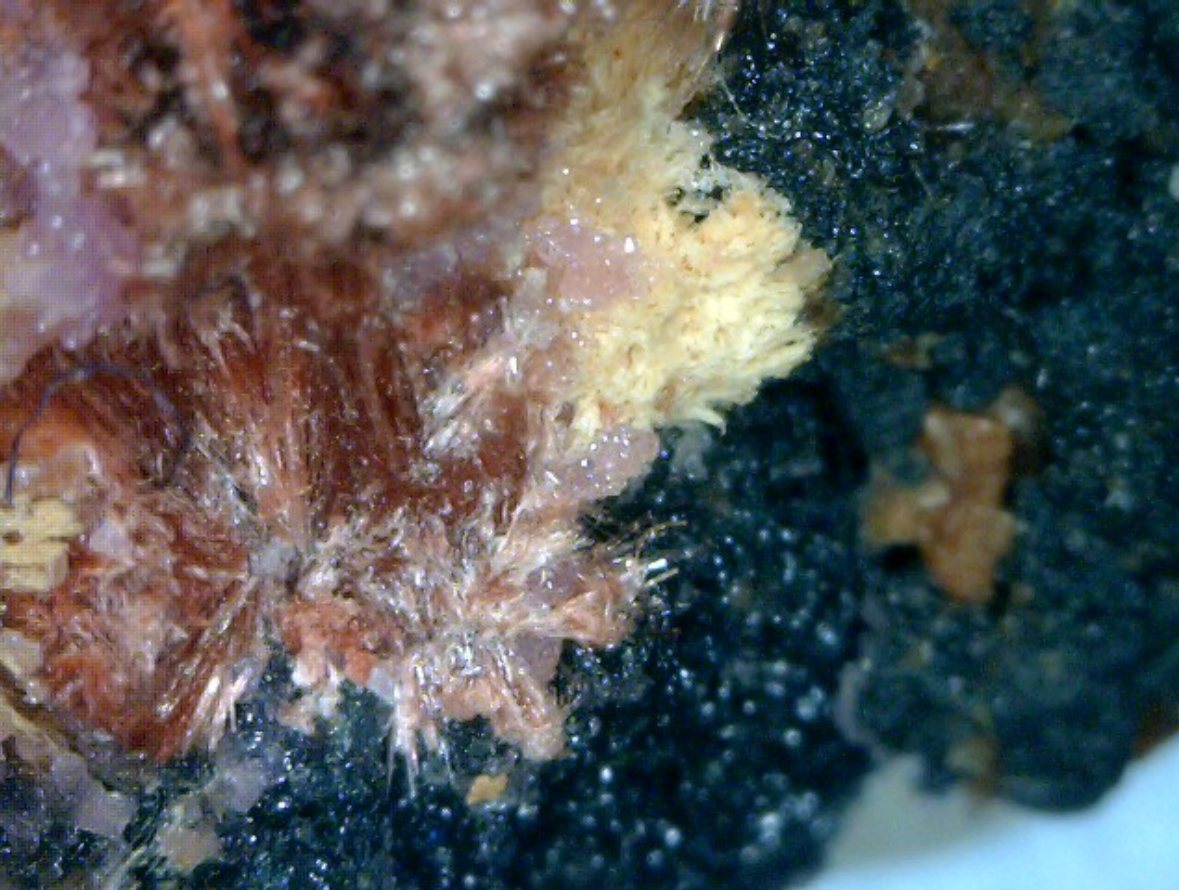
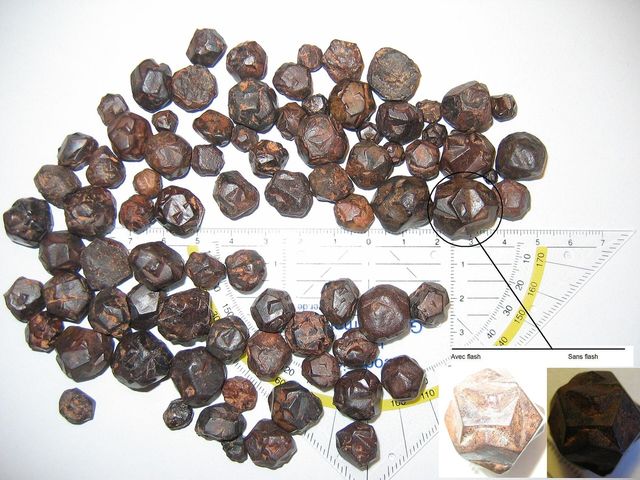
Heterogenite
The oxidised cobalt mineral of the Central African Copperbelt, and the ore most artisanal cobalt mining targets.
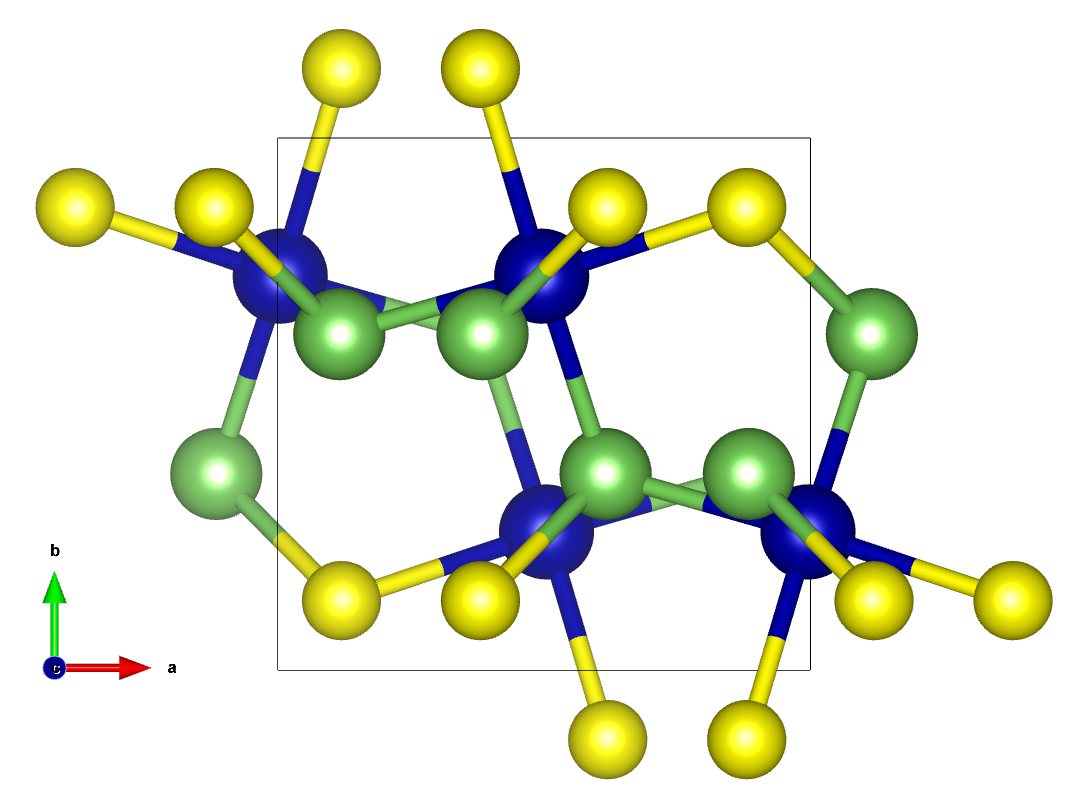
Cobaltite
A primary cobalt mineral, though most cobalt is actually recovered from copper and nickel ores rather than from cobalt…
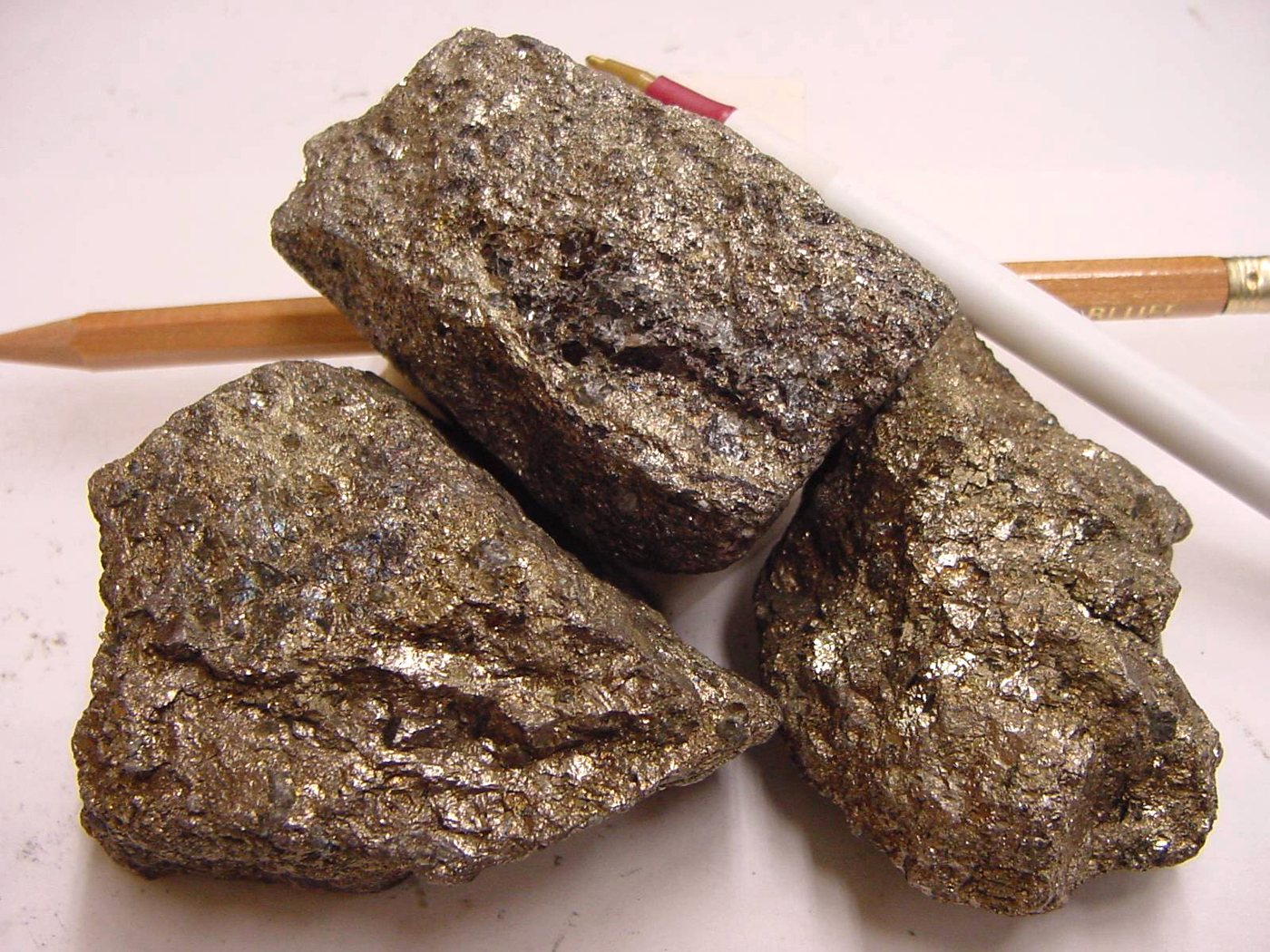
Pentlandite
The main nickel sulfide ore mineral, and the host that also carries most by-product platinum-group metals.
Siapa yang memproduksinya
Lihat di peta →Mine production
Mine productionmetric tons 2025 (estimasi) Total dunia 310,000 metric tons
USGS Mineral Commodity Summaries 2026 · Tonnages are contained cobalt. Most of it is not mined for its own sake. · sumber ↗
Gulir tabel ke samping untuk melihat kolom-kolom yang tersisa.
| Negara | Produksi | Pangsa dunia |
|---|---|---|
| Congo (Kinshasa) | 230,000 | 74.2% |
| Indonesia | 44,000 | 14.2% |
| Other countries | 9,100 | 2.9% |
| Russia | 7,700 | 2.5% |
| Madagascar | 3,900 | 1.3% |
| Philippines | 3,700 | 1.2% |
| Australia | 3,700 | 1.2% |
| Canada | 3,500 | 1.1% |
| Papua New Guinea | 2,800 | 0.9% |
| China | 2,000 | 0.6% |
| Cuba | 2,000 | 0.6% |
| Turkey | 1,900 | 0.6% |
| United States | 300.0 | 0.1% |
| Total dunia | 310,000 | 100% |
"Ditahan" berarti USGS menyembunyikan angka tersebut untuk menghindari pengungkapan data perusahaan tertentu — bukan berarti nol. Baris per negara tidak selalu berjumlah sama dengan total dunia karena sumber membulatkan setiap angka secara independen dan tidak selalu merinci baris "negara lain".
Siapa yang memegang cadangan
Reserves
Reservesmetric tons 2025
USGS Mineral Commodity Summaries 2026 · sumber ↗
| Negara | Cadangan | Pangsa dunia |
|---|---|---|
| Congo (Kinshasa) | 6,000,000 | 50.0% |
| Australia | 1,700,000 | 14.2% |
| Russia | 800,000 | 6.7% |
| Other countries | 780,000 | 6.5% |
| Indonesia | 760,000 | 6.3% |
| Cuba | 500,000 | 4.2% |
| Philippines | 260,000 | 2.2% |
| Canada | 220,000 | 1.8% |
| China | 160,000 | 1.3% |
| Madagascar | 100,000 | 0.8% |
| Turkey | 91,000 | 0.8% |
| Papua New Guinea | 84,000 | 0.7% |
| United States | 70,000 | 0.6% |
| Total dunia | 12,000,000 | 100% |
Harga
average, dollars per pound: U.S. spot, cathode
Rata-rata tahunandollars per pound
Dasar: average, dollars per pound: U.S. spot, cathode. Rata-rata tahunan sebagaimana diterbitkan dalam USGS Mineral Commodity Summaries 2026 · sumber ↗. Ini adalah rata-rata tahunan referensi, bukan kuotasi pasar secara langsung.
average, dollars per pound: London Metal Exchange (LME), cash
Rata-rata tahunandollars per pound
Dasar: average, dollars per pound: London Metal Exchange (LME), cash. Rata-rata tahunan sebagaimana diterbitkan dalam USGS Mineral Commodity Summaries 2026 · sumber ↗. Ini adalah rata-rata tahunan referensi, bukan kuotasi pasar secara langsung.
Tambang yang memproduksinya
Semua tambang →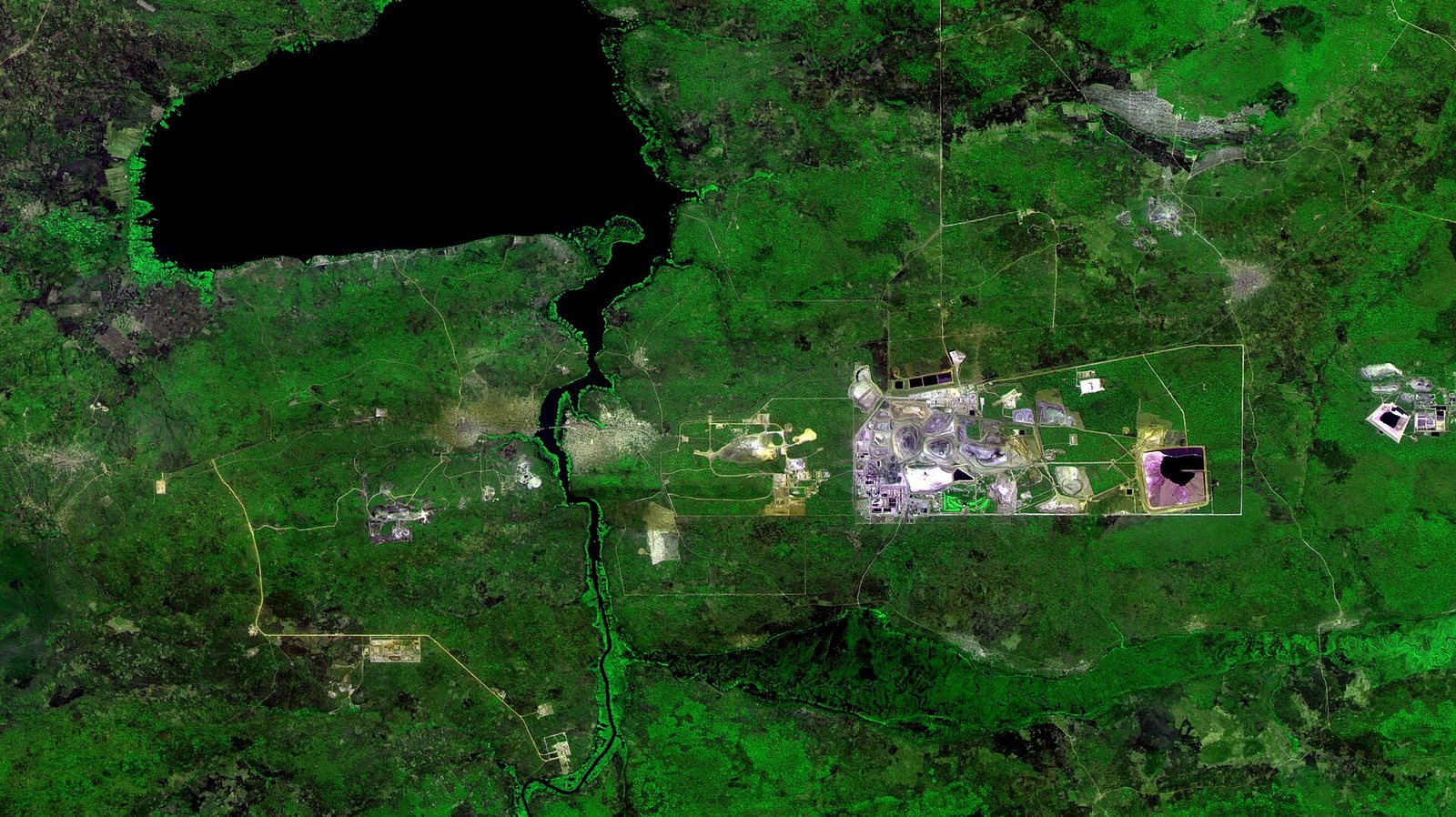
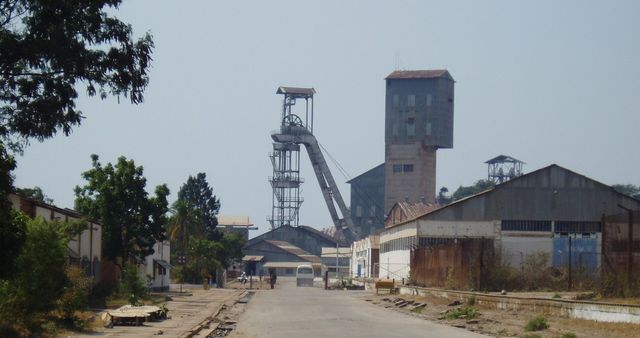
Kamoto (KCC)
Among the world's largest cobalt producers.
Tenke Fungurume
One of the largest cobalt sources on Earth.
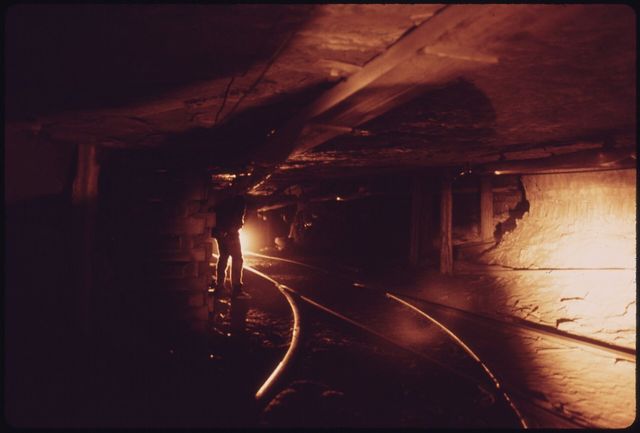
Kamoa-Kakula
One of the highest-grade large copper deposits discovered in decades.
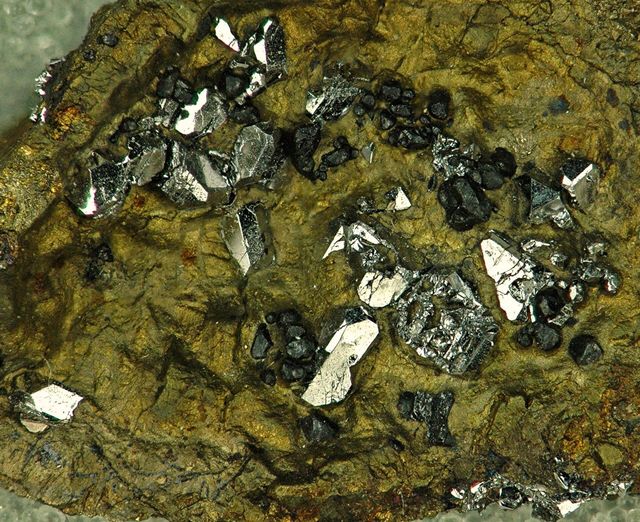
Norilsk-Talnakh
The largest palladium source in the world and a major nickel producer.
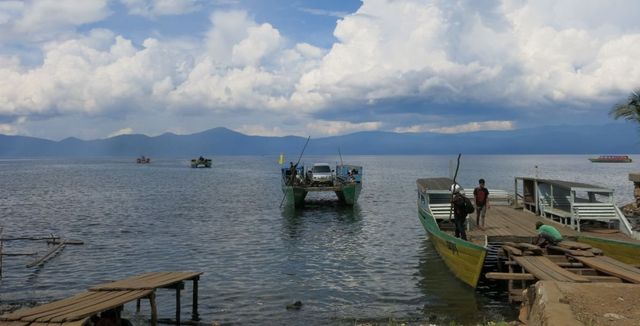
Sorowako
One of Indonesia's long-established integrated nickel operations.
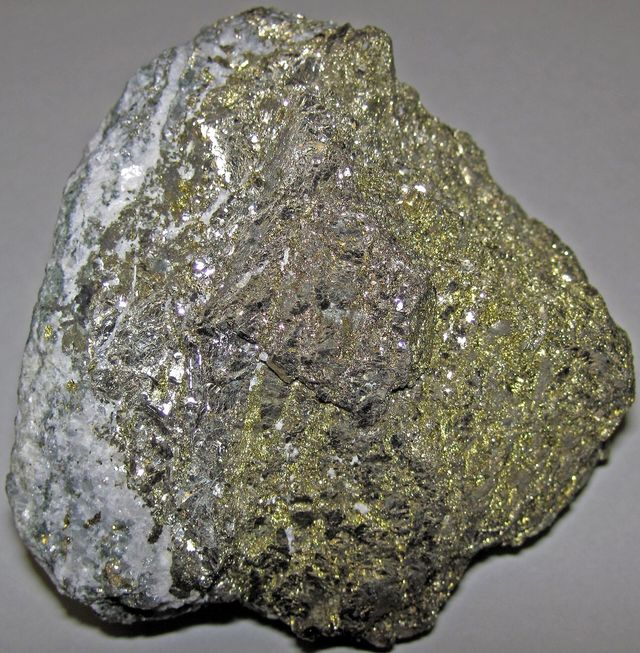
Sudbury Basin
One of the longest-producing nickel districts on Earth.
Di mana material diproses dan dimurnikan
| Fasilitas | Jenis | Tahap | Negara | Peran |
|---|---|---|---|---|
| Gigafactory Nevada | Gigafabrik | Komponen | United States | Masukan |
| TSMC Fab 18, Tainan | Fab semikonduktor | Komponen | Taiwan | Masukan |
| Indonesia Morowali Industrial Park | Smelter | Pemrosesan | Indonesia | Keluaran |
| Aero-Engine Turbine Plant, Derby | Pabrik manufaktur | Produk | United Kingdom | Masukan |
| Huayou Cobalt Refineries | Pabrik kimia | Pemurnian | China | Masukan |
| Jinchuan Group Smelter-Refinery | Kilang | Pemurnian | China | Keluaran |
Untuk apa digunakan
Semua pasar akhir →| Pasar akhir | Apa yang dilakukannya di sana | Kepentingan |
|---|---|---|
| Electric Vehicles | Keeps the cathode structurally stable | Mendefinisikan |
| Aerospace & Defence | Superalloy binder and magnets | Mendefinisikan |
| Consumer Electronics | High-density battery cathode | Mendefinisikan |
| Semiconductors | Liner and interconnect at small nodes | Penting |
| Medicine & Health | Radiotherapy sources and implant alloys | Penting |
Seberapa banyak yang dibutuhkan suatu teknologi
| Teknologi | Kuantitas | Dikutip | Dasar |
|---|---|---|---|
| NMC Lithium-Ion Battery Falls sharply as cathodes move from NMC622 to NMC811. | 5.00–9.00 kg | per 75 kWh pack | Contained cobalt |
| Single-Crystal Turbine Blade | jejak | per blade set | Alloy matrix |
Indicative range compiled from published technology studies and chemistry; verify against a manufacturer specification before use. Jalankan angka-angka ini pada skala berapa pun dalam kalkulator material →
Kontrol ekspor
| Negara | Kontrol | Berlaku untuk |
|---|---|---|
| Congo (Kinshasa) | Export quota | Cobalt (2025). ↗ |
| Namibia | Export ban | Ores and concentrates of cobalt, graphite, lithium, manganese, and rare earths (2023). ↗ |
USGS Mineral Commodity Summaries 2026, table 4 — controls in effect as of January 2026, excluding controls since lifted.
Ikuti melintasi perbatasan
Semua perjalanan →Ke mana kiriman material ini sebenarnya pergi — setiap negara, setiap pengelola, dan apa yang tersisa di setiap langkah.
Congolese cobalt to a battery cathode A metal almost nobody mines on purpose, carried out of a landlocked country by truck. Congolese oxide ore to finished cathode, without a smelter When the ore is oxide, acid will do what a smelter would otherwise have to. Indonesian laterite to a battery cathode A country that banned raw ore exports and built the processing industry instead.