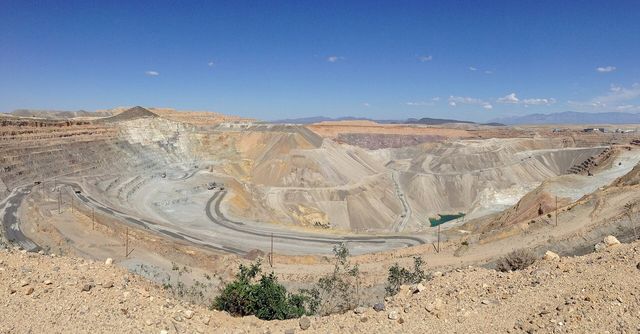
Rock to product, traced
The Materials Atlas
Materials Mines & deposits Processing & refining Custody journeys Supply chains Companies Countries News
Materials by shelf Battery Materials Rare Earth Elements Copper & Electrical Semiconductor Materials Nuclear Materials Aerospace & Defence Precious Metals Steel & Alloy Metals Industrial Minerals Agricultural Minerals Energy Raw Materials Ore minerals Periodic table
Demand End markets Technologies Material calculator Maps Screener
Learn & tools LearnGlossary Ask the DataAI agents Research & dataAPI ★ Saved
About About usMethodology Data sourcesContact Disclaimer
Reading options
🧭 Guided View New to this — ore grades, concentrate, refining, by-products? We explain every term as you browse, in plain English. Same data, with the help built in.
⚡ Expert View You already know the industry. Just the data — clean, fast and compact, with no extra explanations. This is the default view.
Theme
Interface language
Depth Material pages are written at four levels. Pick one on any material page and it is remembered.
★ Saved Research & data
Manganese

Battery Materials

Manganese Mn · 25

A brittle grey metal that steel cannot be made without, and that is now being used to stretch scarce nickel and cobalt further in batteries.

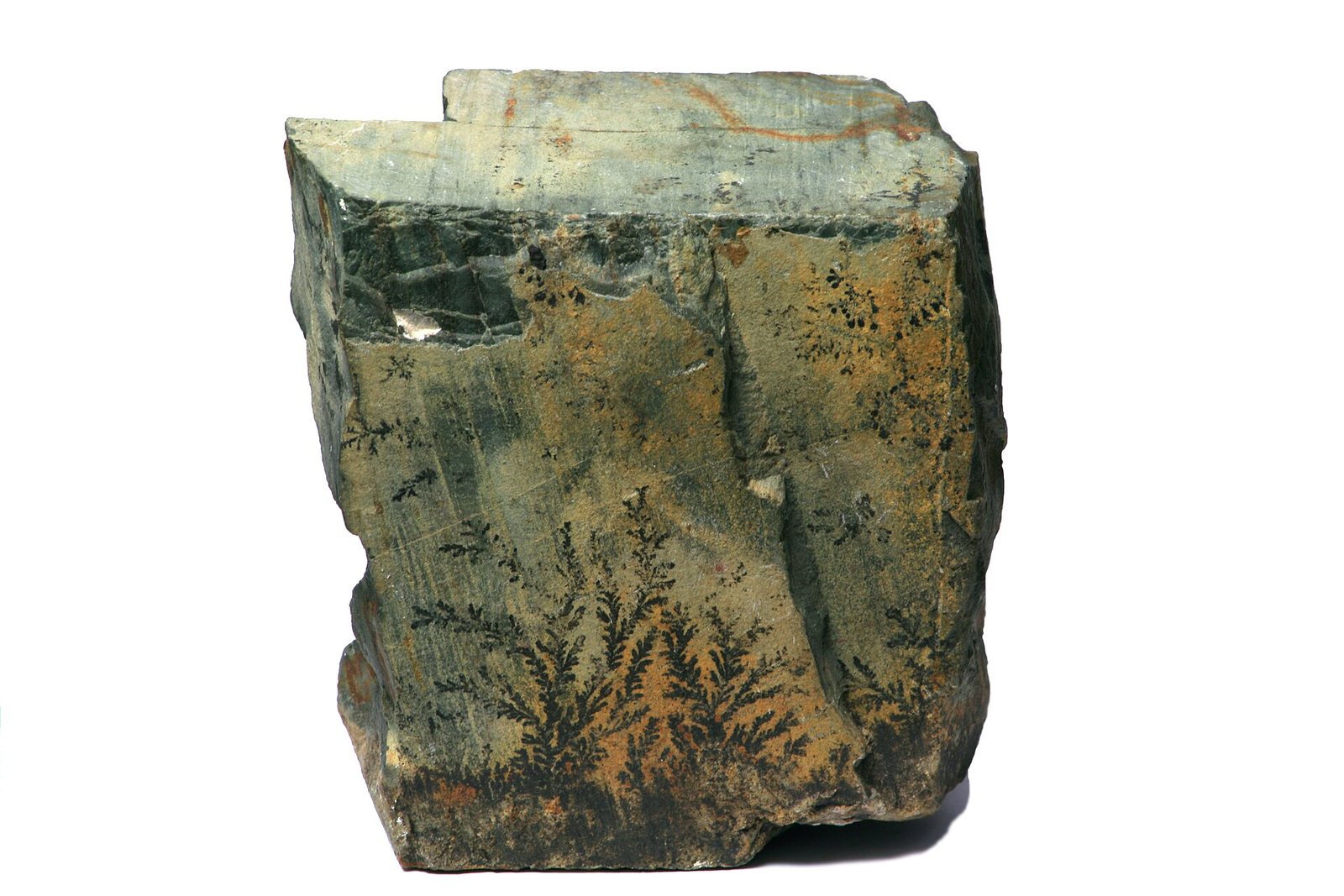
Pyrolusite Mineral with Dendrite Macro Digon3 · “Jonathan Zander ( Digon3 )" · CC BY-SA 3.0 · Wikimedia Commons

What is it?

A brittle grey metal that steel cannot be made without, and that is now being used to stretch scarce nickel and cobalt further in batteries.

Why does it matter?

Around 90% of manganese goes into steel — it removes sulfur and oxygen and adds toughness. There is no substitute in steelmaking at any price.

Where it is in the Earth

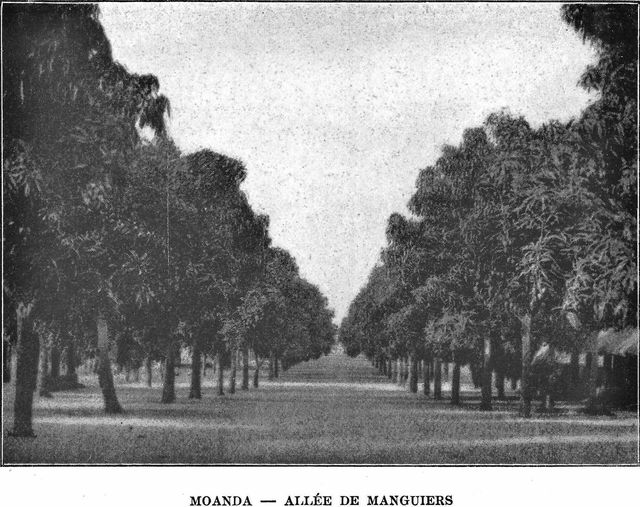
Manganese is the twelfth most abundant element in the Earth's crust, but that abundance is deceptive: the metal is spread so thinly through common rocks that only a handful of geological processes have ever concentrated it enough to be worth mining. The most economically important deposits are sedimentary manganese deposits, formed in ancient shallow seas where dissolved manganese, carried by river water or hydrothermal vents, precipitated out of the water column as oxygen levels changed. Over millions of years these chemical sediments built up into layered beds interbedded with other seafloor material. The great deposits of South Africa's Kalahari basin, Gabon's Moanda plateau, and Australia's Groote Eylandt island all belong to this family, and they account for the overwhelming share of what the world mines today.

A second important geological setting is the banded iron formation, a very ancient rock type in which iron and silica-rich layers alternate in fine bands. In some banded iron formations, later weathering and groundwater movement have leached away much of the iron and silica while leaving manganese behind in enriched concentrations near the surface. The Carajás district of Brazil, operated by Vale, is the most prominent example. A third, much smaller source is deep-sea manganese nodules — potato-sized concretions that grow extremely slowly on the ocean floor, incorporating manganese, nickel, copper and cobalt from seawater. No commercial deep-sea mining operation exists yet, so these remain a geological curiosity with uncertain future relevance.

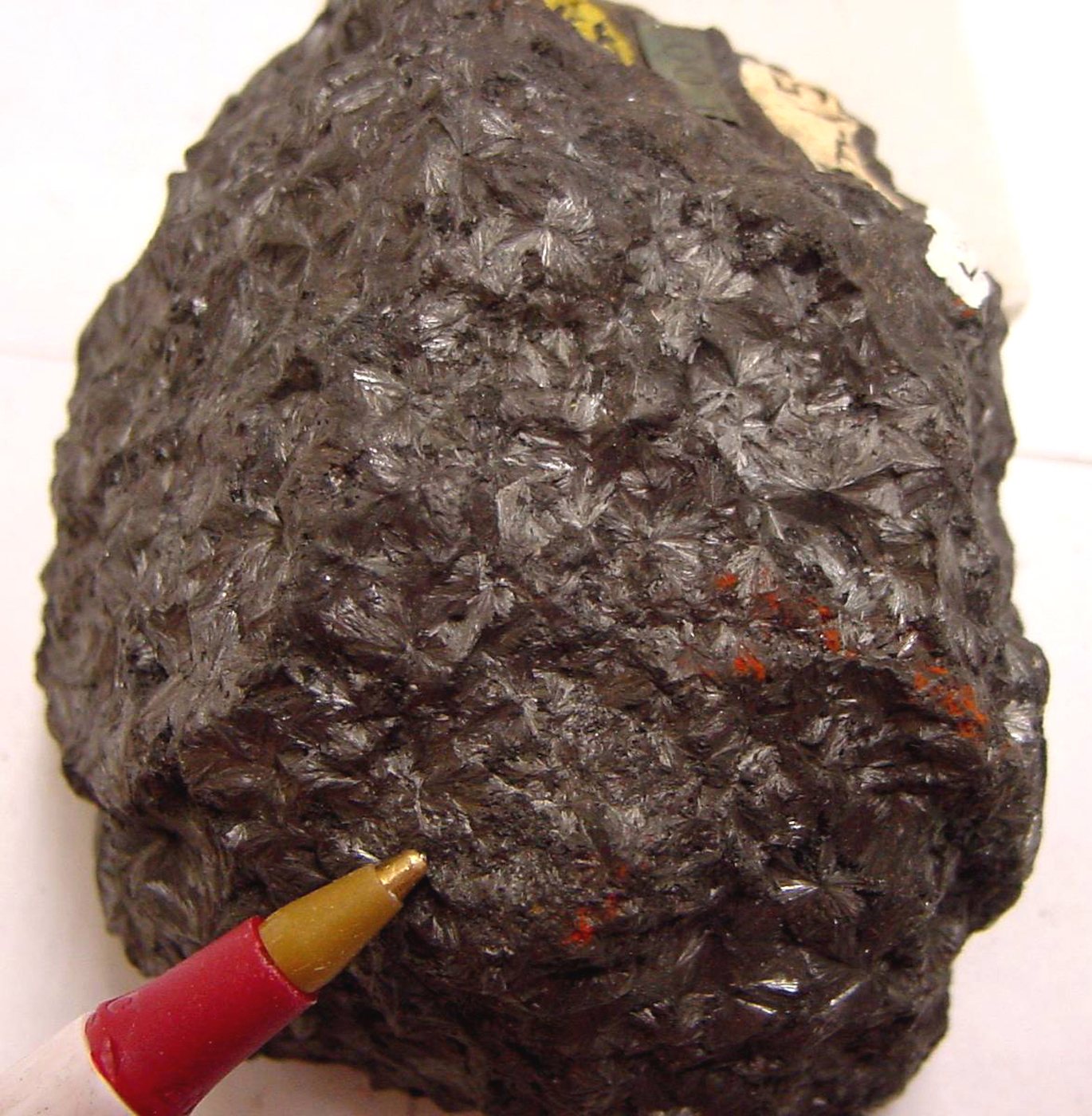
The dominant ore mineral is pyrolusite, a manganese dioxide (MnO₂) mineral with a distinctive black to steel-grey colour. Other oxide minerals — romanèchite, manganite, hausmannite — appear in the same deposits, often alongside one another. Because the best sedimentary deposits formed under specific ocean-chemistry conditions that existed during a relatively narrow window of geological time, the world's high-grade reserves are concentrated in a small number of countries, a pattern that has direct consequences for how the supply chain works.

Getting it out

Almost all primary manganese is extracted by open-pit mining, a method in which overlying rock and soil — called overburden — is stripped away in benches to expose the ore beneath. The geometry suits manganese geology well: sedimentary manganese deposits tend to be broad, relatively flat-lying bodies close to the surface, meaning the ratio of overburden to ore is manageable and the ore can be reached with large excavators and haul trucks rather than the more expensive infrastructure of an underground mine. Groote Eylandt and Moanda are both classic open-pit operations of this kind. The Carajás deposit in Brazil, formed by weathering of banded iron formation, is likewise mined as a large open pit.

The ore grade — the concentration of manganese in the rock being dug — matters enormously to the economics. Grade is typically expressed as a percentage of manganese content by weight. A higher grade means less rock must be moved and processed to produce a given amount of saleable manganese, so it directly affects the cost of every tonne shipped. The USGS, the United States Geological Survey, reports world production figures on a manganese-content basis rather than on a gross ore basis, which is worth remembering when comparing figures across sources, since a low-grade operation produces far more gross ore tonnes for the same content figure. The practical consequence is that mines with naturally higher grades, like those in Gabon and South Africa's Kalahari, can compete on cost even when located far from their customers.

Because the deposits are sedimentary and broadly distributed, the mines are large in areal extent but relatively shallow. This means the volume of waste rock moved is lower than in many hard-rock metal mines, though the softer, sometimes clay-rich overburden at places like Groote Eylandt creates its own handling challenges, particularly in wet seasons. There is no significant manganese production from brine or in-situ leaching methods, which dissolve metals underground before pumping the resulting solution to surface — the chemistry of manganese mineralisation does not lend itself to those approaches.

What pulls on it

Steel is where manganese demand begins and ends for most of the metal that is mined. Roughly 90 percent of manganese consumption goes into steel in one form or another, added as ferromanganese or silicomanganese alloys during steelmaking. The function is partly chemical and partly metallurgical: manganese combines with sulfur in the molten steel, preventing the formation of iron sulfide, which would make the steel brittle along its grain boundaries. It also scavenges dissolved oxygen. Beyond those cleaning functions, manganese adds hardness and toughness to the finished steel, and high-manganese steels are used in applications that face severe abrasion, such as rail crossings, rock-crushing equipment and ground-engaging tools for mining and construction. Because every tonne of steel contains some manganese, demand broadly tracks global steel production, which in turn tracks construction activity and industrial output, particularly in the economies that build the most infrastructure.

The second and faster-growing stream of demand is in batteries. Manganese appears in the cathodes of NMC batteries (lithium nickel manganese cobalt oxide), which are widely used in electric vehicles, and its role is partly to dilute the more expensive and less abundant nickel and cobalt while maintaining acceptable energy density and cycle life. A 75 kWh NMC battery pack contains between 5.0 and 9.0 kg of manganese, according to the data available. More recently, LMFP cathodes (lithium manganese iron phosphate) have attracted attention as a way to use considerably more manganese and less of the metals with more constrained supply. Sodium-ion batteries, which use a layered-oxide cathode that can contain substantial manganese, are estimated to require between 10.0 and 30.0 kg per 75 kWh-equivalent depending on the specific chemistry — a meaningfully higher intensity than current lithium-ion designs. If sodium-ion technology scales significantly, manganese demand from batteries could grow faster than most current expectations assume.

For demand to shift sharply downward from its steel anchor, either global steel production would need to fall or a substitute for manganese in steelmaking would need to emerge. Neither is imminent: steel output has grown steadily with urbanisation and industrialisation across the developing world, and the chemistry of steel desulfurisation and deoxidation genuinely has no cost-competitive alternative. The battery sector, by contrast, is still settling on its preferred chemistries, and a shift toward higher-manganese or manganese-dominant cathodes would represent a meaningful upward demand signal, while a shift toward lithium iron phosphate without manganese would leave battery demand relatively flat.

Read the numbers correctly. USGS world figures are manganese CONTENT of ore, not gross ore tonnes. Ore, then ferromanganese and silicomanganese alloys for steel; high-purity manganese sulfate monohydrate for batteries.
A banded iron formation
enriched hematite ore unenriched banded iron formation: iron oxide alternating with chert weathering leaches the silica out surface
Over two billion years ago, oxygen produced by early life met iron dissolved in the oceans and precipitated it. The result is millimetre-scale bands of iron oxide and chert laid down over hundreds of millions of years. Later weathering leached the silica out of parts of it, leaving almost pure iron ore. Schematic. Enriched zones can be tens of metres thick and hundreds of metres long. Original diagram, The Materials Atlas.

Where it comes from in the rock

All ore minerals →

These are the minerals that actually carry manganese. A deposit is only an orebody if one of them is concentrated enough to pay for digging it up.
Who produces it

See it on a map →

Mine production

Mine productionthousand metric tons 2025 (estimated) World total 20,000 thousand metric tons

USGS Mineral Commodity Summaries 2026 · USGS world figures are manganese CONTENT of ore, not gross ore tonnes. · source ↗

Scroll the table sideways for the remaining columns.

CountryProduction Share of world
South Africa 7,600 38.0%
Gabon 5,000 25.0%
Ghana 2,000 10.0%
Australia 1,600 8.0%
Other countries 1,300 6.5%
Brazil 800.0 4.0%
India 790.0 4.0%
China 700.0 3.5%
Côte d’Ivoire 350.0 1.8%
United States Zero
World total 20,000100%

“Withheld” means the USGS suppressed the figure to avoid disclosing an individual company's data — it does not mean zero. Country rows do not always sum to the world total because the source rounds each figure independently and does not always break out an “other countries” line.

Who holds the reserves

“Reserves” is a strict word. It means the part of a known deposit that could be extracted economically right now, with today’s prices and today’s technology — not everything that exists in the ground. Reserves grow when prices rise or a new process is invented, and shrink when they fall.

Reserves

Reservesthousand metric tons 2025

USGS Mineral Commodity Summaries 2026 · source ↗

CountryReservesShare of world
Australia 580,000 34.1%
South Africa 550,000 32.4%
Brazil 300,000 17.6%
China 260,000 15.3%
Gabon 61,000 3.6%
India 34,000 2.0%
Ghana 13,000 0.8%
United States Zero
Côte d’Ivoire Not applicable
Other countries Small
World total 1,700,000100%

Price

average, manganese content, cost, insurance, and freight, China, dollars per metric ton unit

Annual averagedollars per metric ton

2021 · 5.27 high 5.97 dollars per metric ton 2025 · 4.50

Basis: average, manganese content, cost, insurance, and freight, China, dollars per metric ton unit. Annual averages as published in USGS Mineral Commodity Summaries 2026 · source ↗. These are reference annual averages, not a live market quote.

Mines that produce it

All mines →
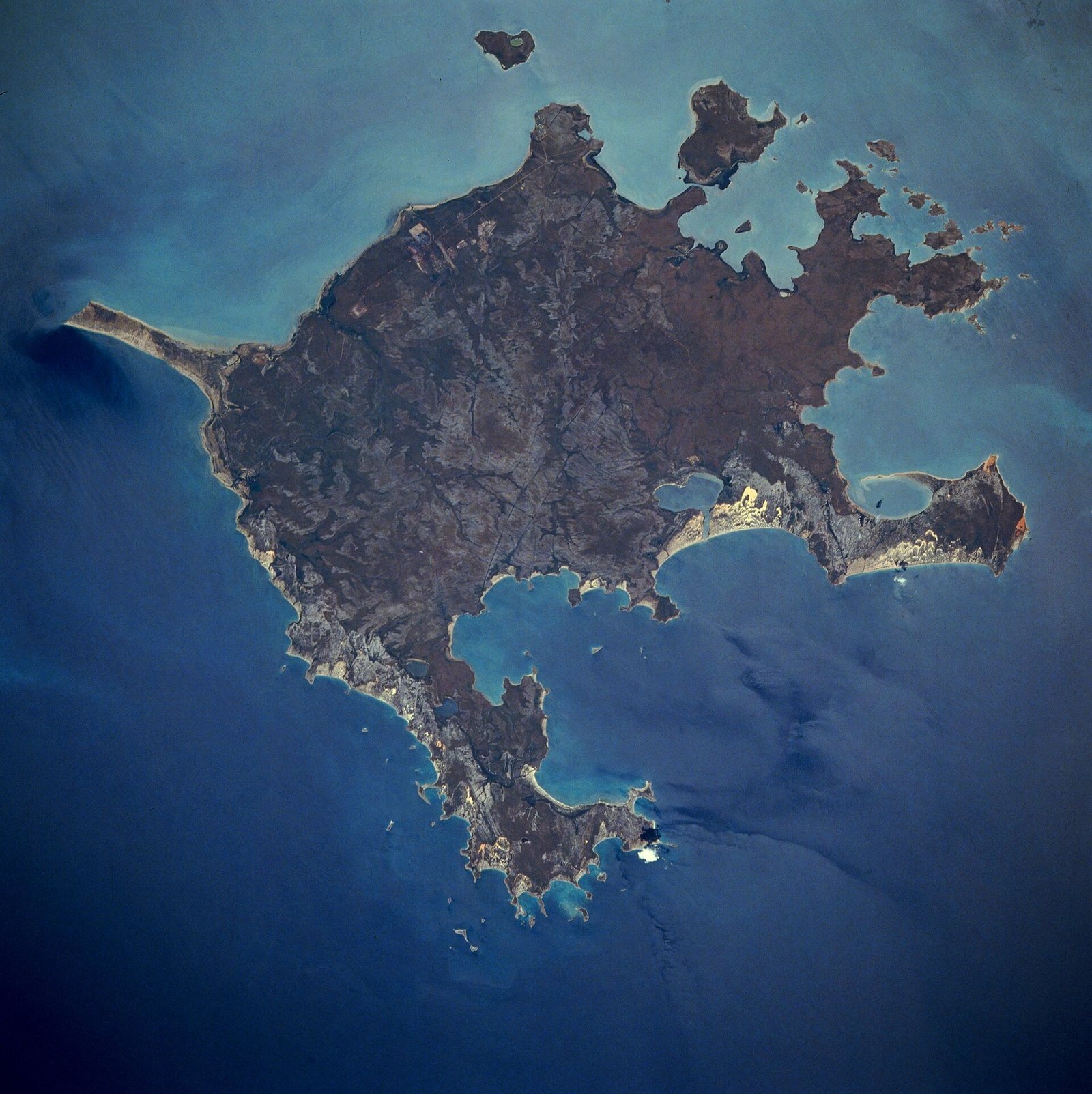
Groote Eylandt (GEMCO)
Groote Eylandt (GEMCO), Australia — One of the largest and highest-grade manganese operations in the world. Groote eylandt, Public domain via Wikimedia Commons

Groote Eylandt (GEMCO) →

What it is used for

All end markets →
End marketWhat it does thereImportance
Construction & Steel In every tonne of steel Defining
Electric Vehicles Cathode component in NMC and LMFP Important
Grid Storage Manganese-based cathodes Important

How much of it a technology needs

“Intensity” just means how much material one unit of something contains. These are indicative ranges — real designs vary by maker and model year, and every one of them is falling as engineers learn to use less.
TechnologyQuantity QuotedBasis
NMC Lithium-Ion Battery 5.00–9.00 kg per 75 kWh packContained manganese
Sodium-Ion Battery 10.00–30.00 kg per 75 kWh equivalentLayered-oxide cathode variants

Indicative range compiled from published technology studies and chemistry; verify against a manufacturer specification before use. Run these numbers at any scale in the material calculator →

Export controls

CountryControlApplies to
NamibiaExport ban Ores and concentrates of cobalt, graphite, lithium, manganese, and rare earths (2023).
VietnamExport ban Raw materials of iron, lead-zinc, chromite, manganese, apatite, and rare earths and deeply processed titanium (2012).

USGS Mineral Commodity Summaries 2026, table 4 — controls in effect as of January 2026, excluding controls since lifted.

Follow it across the borders

All journeys →

Where a consignment of this material actually goes — every country, every custodian, and what is left behind at each step.

Pilbara iron ore to Chinese steel The largest material flow on Earth: dig it, crush it, screen it, and put it on a boat. from Australia · Direct-shipping hematite fines, around 62% iron
Traced supply chains

In the news

More →

US Forest Service signs off on South32 Hermosa’s mine plan in Arizona

MINING.COM02 Sep 2026

Materials

All materials Critical minerals Rare earths Battery materials Ore minerals Periodic table Screener

The ground

Mines & deposits Processing & refining Countries Maps

The economy

Custody journeys Supply chains End markets Technologies Companies Material calculator

Learn

LearnGlossary Ask the DataAI agents Research & dataOpen API News★ Saved

About us

About usContact MethodologyData sources Editorial policy Privacy policyTerms of use Disclaimer