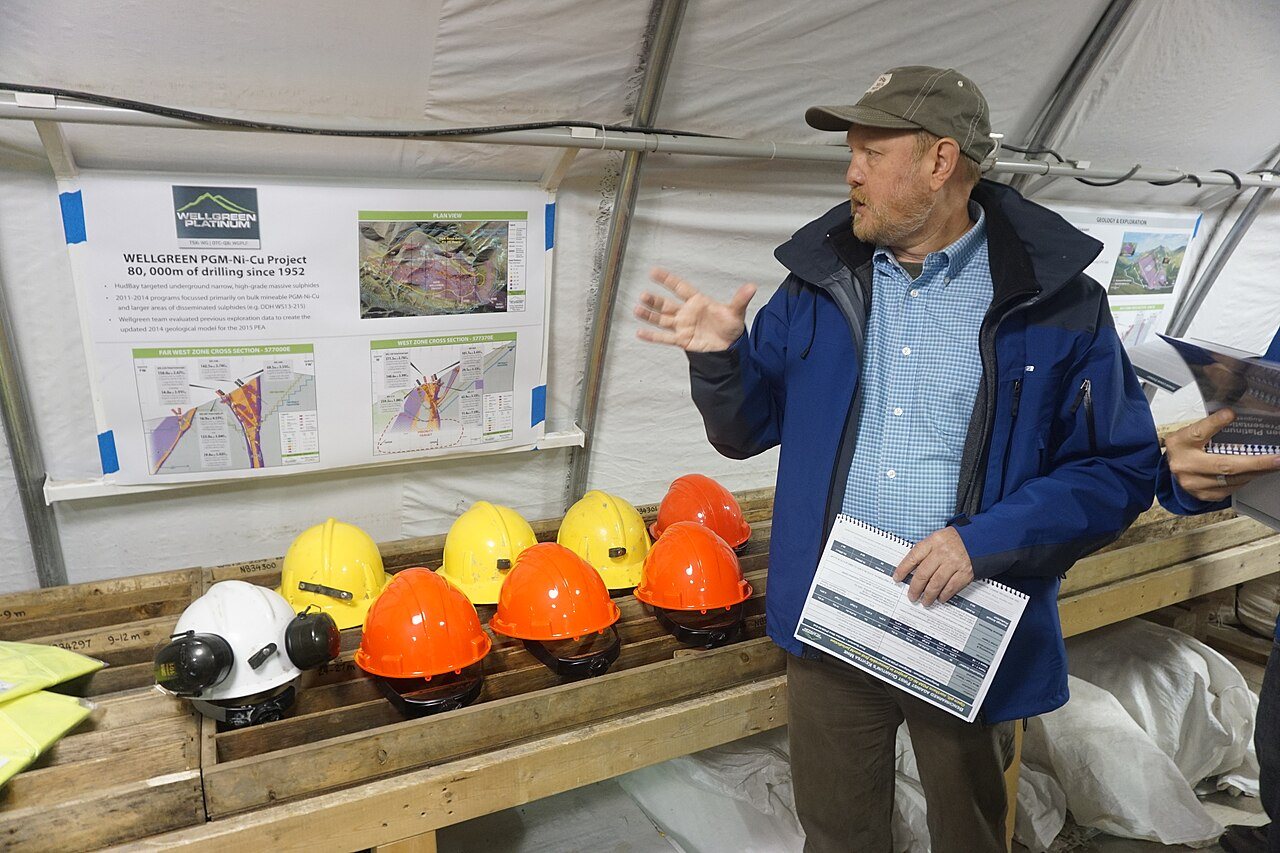
これは何か
A dense, unreactive metal that speeds up chemical reactions without being consumed by them.
なぜ重要なのか
Platinum cleans diesel exhaust, and it is the catalyst on both sides of a hydrogen fuel cell and most electrolysers.
Where it is in the Earth
Platinum belongs to a group of six chemically similar elements — the platinum-group metals, or PGMs — that share an unusual tendency to remain inert under conditions that would corrode or dissolve almost anything else. In the Earth's crust they are extraordinarily rare, and that rarity is not accidental. When the planet was still largely molten, dense metallic elements sank toward the core, carrying most of the world's platinum with them. What remains in the accessible crust is there because of specific geological accidents that concentrated it to workable grades.
The most important of those accidents is the solidification of large bodies of magma — molten rock — inside the Earth. As a magma body cools slowly over millions of years, different minerals crystallise out in sequence. In certain magmas derived from the mantle (the layer beneath the crust), a process called magmatic differentiation allows iron- and nickel-rich sulfide liquids to separate and sink, scavenging platinum and its sister metals as they go. Where those sulfide-rich layers were preserved, the result is a layered mafic intrusion — mafic meaning a rock rich in magnesium and iron. The Bushveld Complex in South Africa is the largest such structure known, and it hosts the Merensky Reef and the UG2 chromite layer, which together account for the majority of the world's known platinum endowment. Zimbabwe's Great Dyke is a narrower but structurally similar feature.
A separate style of deposit forms where magma carrying sulfide droplets cools more rapidly, often near the surface or in conduit-like feeder channels. The Norilsk-Talnakh system in Russia and the Sudbury Basin in Canada represent this type, though Sudbury has the additional distinction of having been reshaped by a large meteorite impact, which redistributed and concentrated the sulfide ore. In all these settings, platinum occurs partly within sulfide minerals such as pentlandite and partly as its own discrete mineral, sperrylite, a platinum arsenide. The grade of these ores is low by the standards of most metals — the metal content is measured in grams per tonne rather than percent — which means that the geological process of concentration, though remarkable, still leaves most of the rock as waste.
Getting it out
Because platinum occurs at such low concentrations, mining it is fundamentally an exercise in moving enormous quantities of rock to recover a small quantity of metal. The method used depends on how the orebody sits in the ground. In the Bushveld Complex, the platinum-bearing reefs are relatively thin, near-horizontal layers that can extend for many kilometres laterally but are only a metre or two thick. Accessing them requires underground mining — sinking shafts and driving tunnels along the reef — because the overburden (the rock above the ore) is too thick for surface excavation to be economical over most of the deposit. The work is labour-intensive and technically demanding, carried out at considerable depth.
Where a reef outcrops at or near the surface, or where a thick, lower-grade zone exists close to the surface as on the Platreef at Mogalakwena, open-pit mining becomes viable. An open pit strips away the overlying rock in benches, exposing the ore below. The ratio of waste rock removed to ore extracted — called the strip ratio — can be high, but the method allows for larger equipment and higher throughput than underground operations. At Mogalakwena this approach makes a lower-grade, thicker body of ore economically workable in a way that conventional narrow-reef underground methods would not.
In Russia, the platinum at Norilsk-Talnakh is recovered underground alongside nickel and copper, which are the primary products of those mines. This means platinum there is inseparable from the economics of nickel and copper production. A mine operator whose revenue depends mostly on nickel will continue operating even when platinum prices fall, and conversely will not expand specifically to produce more platinum. This by-product relationship shapes supply in ways that are quite different from a mine where platinum is the principal product. Wherever platinum is mined, the grade of the ore — that is, the number of grams of platinum contained in each tonne of rock — determines how much material must be dug, crushed, and processed for every kilogram of metal recovered.
What pulls on it
Platinum's dominant use for several decades has been in catalytic converters, devices fitted to vehicle exhaust systems that convert harmful gases — carbon monoxide, unburned hydrocarbons, and nitrogen oxides — into less harmful ones. Platinum is particularly effective in diesel catalytic converters, where operating temperatures and exhaust chemistry differ from petrol engines. As long as large numbers of diesel vehicles remain in service, this demand continues. The concern for producers is that new diesel vehicle sales have been declining in major markets, and the share of battery electric vehicles, which require no exhaust catalyst at all, is growing. Whether this shrinks platinum demand in autocatalysts depends on the pace of fleet turnover, which is slow: vehicles already in service continue to require their catalysts, and the global vehicle fleet is large.
Alongside the established catalyst market, platinum has a structural role in hydrogen technologies. In a proton exchange membrane, or PEM, fuel cell — a device that combines hydrogen and oxygen to generate electricity — platinum is used as a catalyst on both electrodes. In a PEM electrolyser, which splits water into hydrogen and oxygen using electricity, platinum is used on the cathode side. The intensity figures for these applications show a meaningful quantity of platinum per unit of capacity. If hydrogen production and fuel-cell power generation scale substantially, the demand from these uses could become significant relative to current supply. That said, reducing the amount of platinum required per unit of capacity has been an active research direction for years, and actual deployment volumes depend on factors outside the platinum market itself.
Chemical refining and petroleum processing use platinum-containing catalysts to facilitate reactions such as reforming, where lower-value hydrocarbons are converted into higher-value ones. These are continuous industrial processes with long catalyst lifetimes, so demand from this sector is relatively stable and tied to the overall scale of refinery operation. Medical applications, including chemotherapy agents that contain platinum, represent a smaller but consistent slice of demand. A sharp change in overall platinum demand would most plausibly come either from a rapid collapse of the internal combustion engine fleet — faster than historical fleet replacement has occurred — or from a large-scale build-out of PEM electrolysis capacity, both of which would play out over years rather than months.
岩石中の産出箇所
全鉱石鉱物 →実際に以下を担う鉱物 platinum. 鉱床が鉱体となるのは、採掘コストを回収できるほど十分な濃度で鉱石が濃集している場合に限られる。
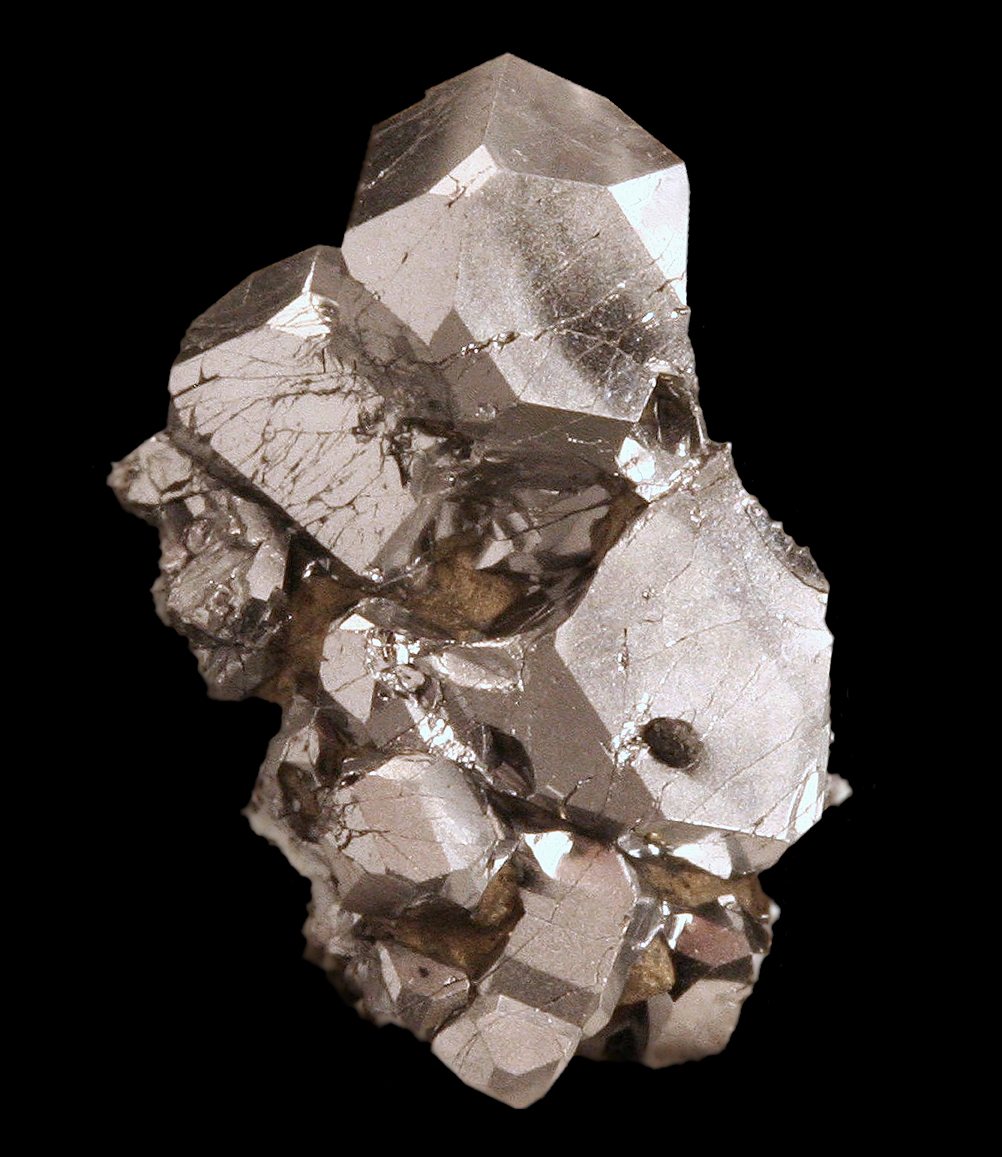
Sperrylite
The most common platinum mineral, a hard arsenide found in nickel-copper sulfide ores.
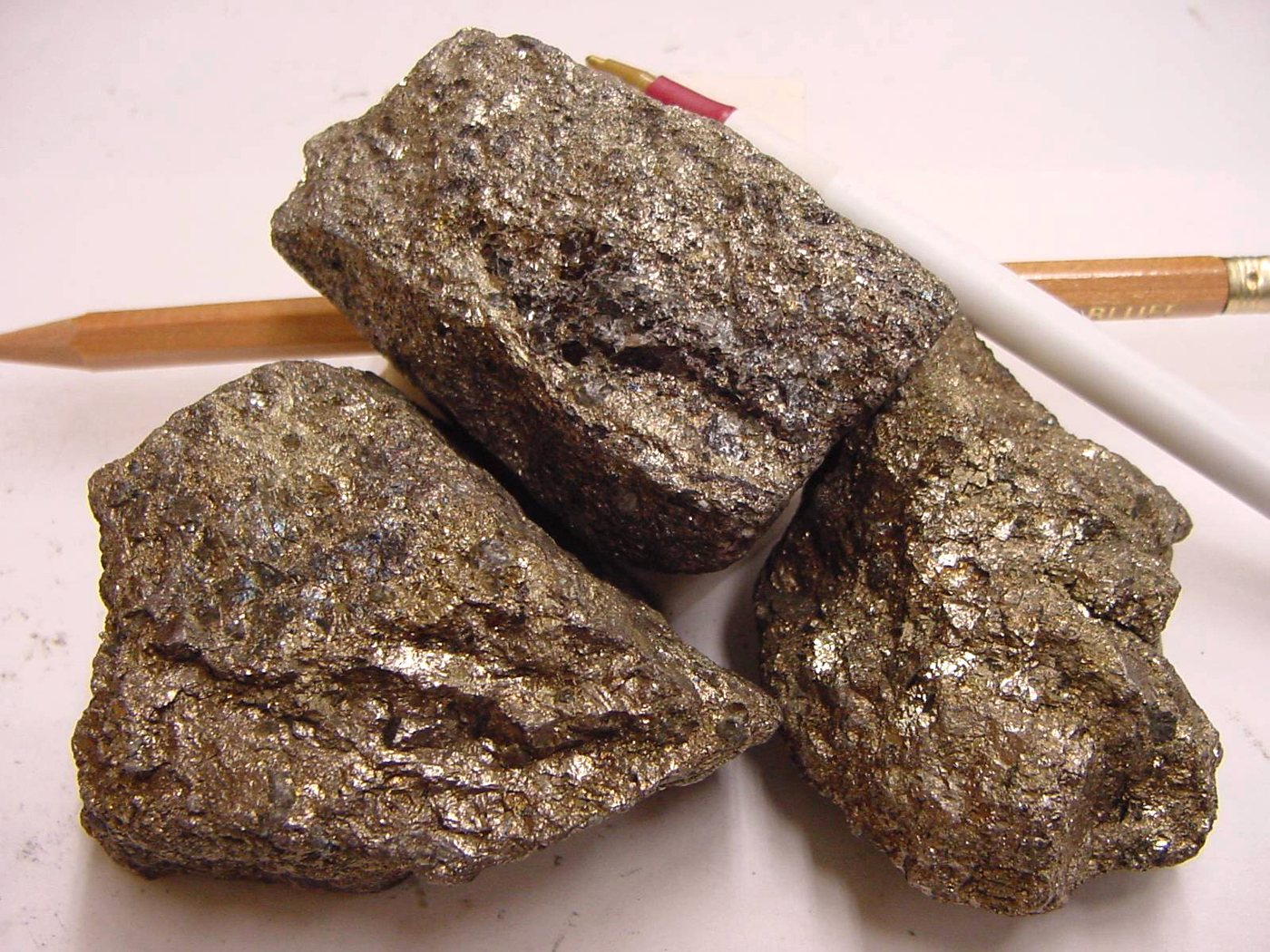
Pentlandite
The main nickel sulfide ore mineral, and the host that also carries most by-product platinum-group metals.
生産者
地図で見る →Mine production: Platinum
Mine production: Platinumkilograms 2025 (推定値)
USGS Mineral Commodity Summaries 2026 · Reported in kilograms of contained platinum; supply is dominated by a small number of orebodies. · 出典 ↗
テーブルを横にスクロールすると残りの列が表示されます。
| 国 | 生産 | 世界に占める割合 |
|---|---|---|
| South Africa | 120,000 | — |
| Russia | 20,000 | — |
| Zimbabwe | 18,000 | — |
| Canada | 5,000 | — |
| Other countries | 3,900 | — |
| United States | 1,800 | — |
Mine production: Platinum, rounded
Mine production: Platinum, roundedkilograms 2025 (推定値) 世界合計 170,000 kilograms
USGS Mineral Commodity Summaries 2026 · Reported in kilograms of contained platinum; supply is dominated by a small number of orebodies. · 出典 ↗
テーブルを横にスクロールすると残りの列が表示されます。
| 国 | 生産 | 世界に占める割合 |
|---|---|---|
| 世界合計 | 170,000 | 100% |
「非開示」とは、個別企業のデータが特定されないようUSGSが数値を公表しなかったことを意味し、ゼロを意味するものではありません。出典が各数値を独立して丸め処理しており、「その他の国」の内訳を常に示しているわけではないため、各国の数値の合計が世界合計と一致しないことがあります。
価格
dollars per troy ounce: Platinum
年間平均dollars per troy ounce
基準: dollars per troy ounce: Platinum. 以下に公表された年間平均値: USGS Mineral Commodity Summaries 2026 · 出典 ↗. これらは参照用の年間平均値であり、リアルタイムの市況相場ではない。
産出鉱山
全鉱山 →
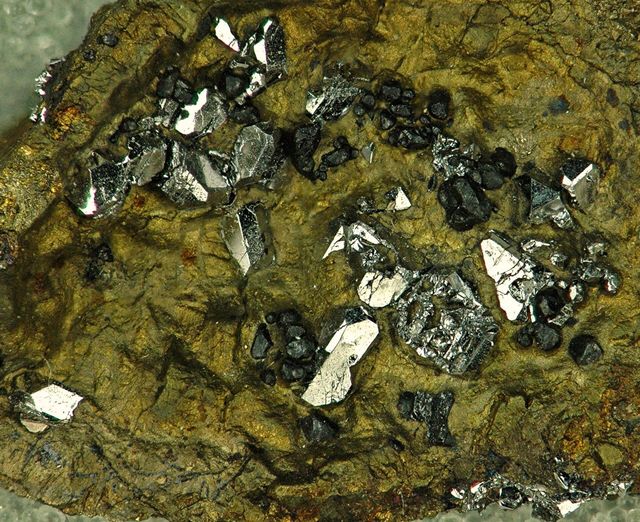
Norilsk-Talnakh
The largest palladium source in the world and a major nickel producer.
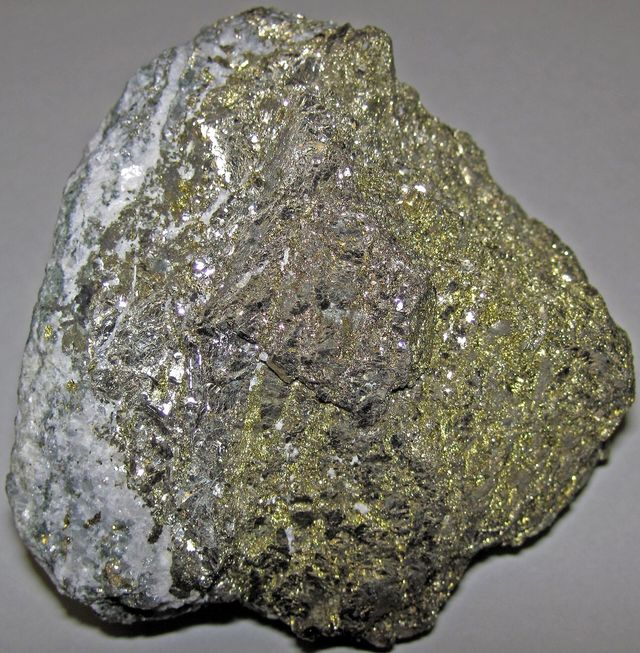
Sudbury Basin
One of the longest-producing nickel districts on Earth.
処理・精製が行われる場所
| プラント | 種別 | ステージ | 国 | 役割 |
|---|---|---|---|---|
| Nadezhda Metallurgical Plant | 製錬所 | 処理 | Russia | 産出物 |
| Jinchuan Group Smelter-Refinery | 精製所 | 精製 | China | 産出物 |
| Rustenburg Base & Precious Metals Refineries | 精製所 | 精製 | South Africa | 産出物 |
用途
全エンドマーケット →| 最終市場 | そこでの機能 | 重要度 |
|---|---|---|
| Hydrogen & Electrolysis | PEM cathode catalyst and fuel cells | 定義 |
| Medicine & Health | Chemotherapy drugs and electrodes | 重要 |
技術が必要とする量
| 技術 | 数量 | 建値 | 基準 |
|---|---|---|---|
| PEM Electrolyser | 0.1–0.3 kg | per MW of capacity | Cathode catalyst |
| Three-Way Catalytic Converter | 0.002–0.008 kg | per vehicle | Coating, mostly diesel |
Indicative range compiled from published technology studies and chemistry; verify against a manufacturer specification before use. 素材計算機で任意の規模に換算して実行 →