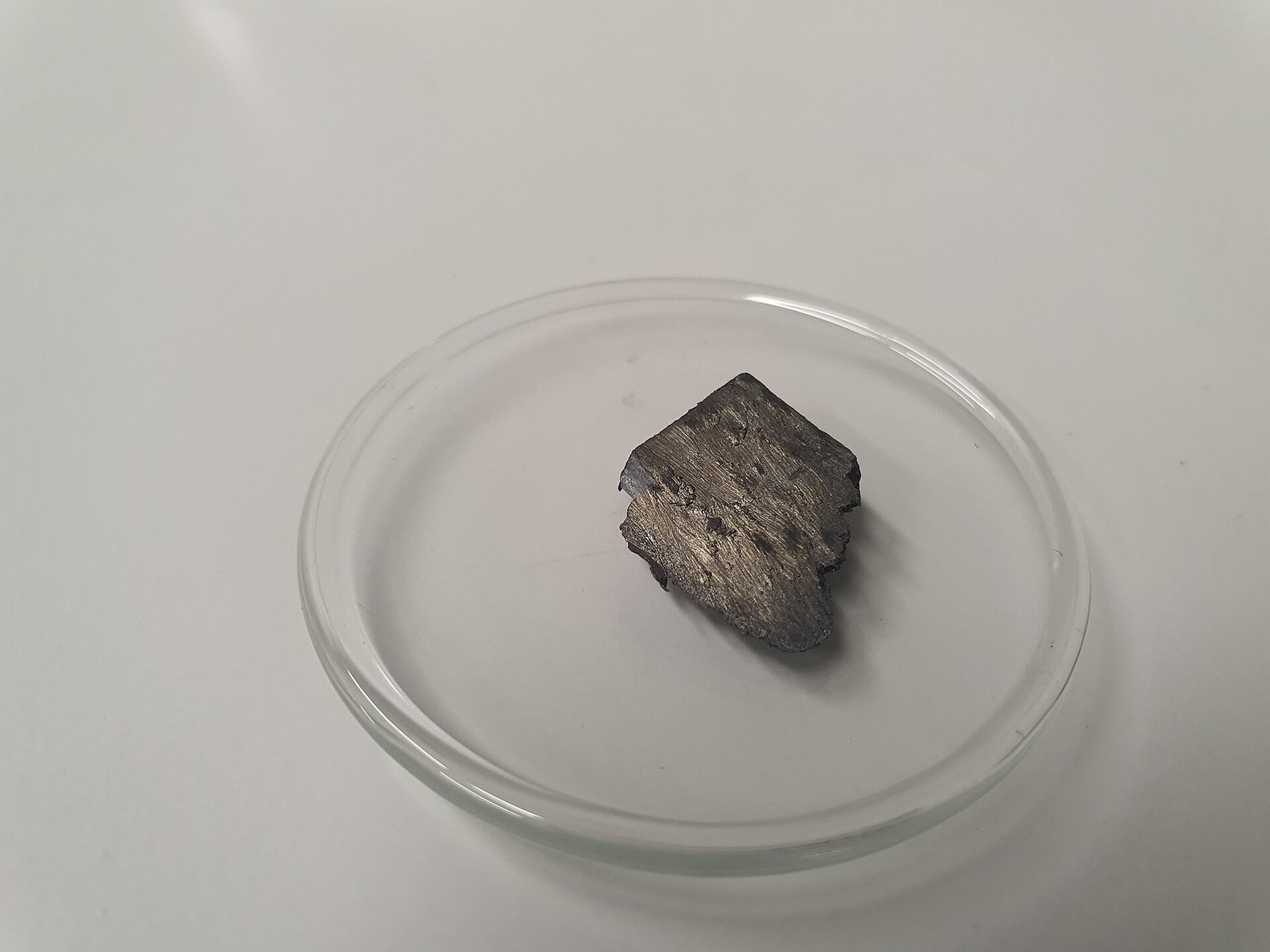
¿Qué es?
The scarcest of the four magnet rare earths, used in tiny quantities to make a magnet survive high temperature.
¿Por qué importa?
Terbium is the tightest single link in the magnet chain: very little is produced, almost all of it from one region, and there is no substitute for the hottest applications.
Where it is in the Earth
Terbium belongs to the heavy rare earth elements, a group that sits toward the right-hand end of the lanthanide series on the periodic table. That distinction matters because the light and heavy rare earths tend to concentrate in different types of rock and in different minerals, which is why they do not always appear together in useful proportions. Terbium is scarcer in the crust than its lighter cousins such as lanthanum or cerium, and that inherent scarcity is compounded by the fact that it does not form its own minerals in any commercially significant way. Instead, it substitutes into the crystal structures of other minerals, riding along as a minor constituent.
The two ore minerals listed for terbium — xenotime and ion-adsorption clays — represent quite different geological stories. Xenotime is a yttrium phosphate mineral that forms in granites and in the heavy-mineral sands that erode from them. Because xenotime preferentially incorporates heavy rare earths, including terbium, it can carry relatively enriched concentrations compared with the more abundant light-rare-earth mineral bastnäsite. Ion-adsorption clays are a different matter entirely. They form when granitic rock weathers slowly under warm, humid conditions over millions of years. As the feldspar and mica in the granite break down, the rare earth ions released from the rock are not washed away entirely; instead they adsorb — that is, they loosely attach to the surface of clay minerals, chiefly kaolinite. This process selectively retains the heavy rare earths, including terbium, dysprosium and yttrium, in proportions that are far more useful industrially than most hard-rock deposits. Southern China's deeply weathered granites, sitting in a humid subtropical climate, produced exactly these conditions over geological time, which is why the region dominates heavy rare earth supply.
The consequence of this geology is that terbium is not found in large, discrete orebodies in the way that copper or iron ore is. It is disseminated at very low concentrations across wide areas of clay-covered granite terrain, or as a minor fraction in hard-rock phosphate ores. Neither setting is naturally amenable to the straightforward bulk mining that underpins most of the metals industry.
Getting it out
Because terbium does not concentrate into thick, high-grade veins, the methods used to recover it are shaped by the nature of the host material rather than by any choice of convenience. In ion-adsorption clay deposits, the ore is not a hard rock at all — it is a soft, weathered material sitting close to or at the surface. The rare earth ions are not locked into a mineral grain but are loosely held on clay surfaces, which means the chemistry of extraction is relatively simple even if the logistics of working across large, low-lying terrain are not. The dominant technique is in-situ leaching, in which a solution — historically ammonium sulfate, more recently other reagents following environmental restrictions — is injected into the ground through drilled holes. The solution displaces the adsorbed rare earth ions from the clay surfaces and carries them downslope or to collection points, where they are precipitated out as a crude mixed rare earth compound. No blasting, no large-scale earth movement of the conventional sort, and no mill are required in the traditional sense, which keeps some costs down while creating a different set of land-disturbance and groundwater-management challenges.
The grade of an ion-adsorption deposit — meaning the concentration of rare earth oxides in the ore — is very low. This is not a setting where the ore stands visually apart from the surrounding rock, and the terbium content is only a fraction of the total rare earth content. What this means in practice is that very large areas of land must be worked, and that the mass of solution pumped through the ground per unit of recovered oxide is large. The ratio of effort to product is high. In xenotime-bearing hard-rock or heavy-mineral sand operations, the mining may be conventional open-pit or dredging, but terbium there is a by-product of yttrium or zircon recovery, so the mining decisions are made on the basis of the primary product, not terbium.
What pulls on it
Terbium's primary use in modern industry is as an additive to NdFeB permanent magnets intended for high-temperature service. NdFeB magnets are the strongest class of permanent magnet available, and they underpin the motors and generators in electric vehicles, wind turbines and a wide range of industrial equipment. The difficulty is that without modification, these magnets lose their magnetic strength — technically, their coercivity drops — as temperature rises. Terbium, added in small quantities to the grain boundaries of a sintered magnet, raises the maximum operating temperature substantially. The intensity of use is low, as the data show: the addition ranges from nothing to around 0.02 kilograms per kilogram of finished magnet, and only the grades intended for the hottest operating environments require it at all. But because the magnet market itself is large, even this small intensity translates into meaningful aggregate demand for an element produced in very small absolute quantities.
Wind turbines that use direct-drive permanent magnet generators, which avoid gearboxes by running the generator at the slow rotational speed of the rotor, tend to require the higher-performance magnet grades and therefore the terbium addition. Electric vehicle traction motors, depending on design and operating temperature targets, may or may not use terbium-containing grades. The other historical use — green phosphors in fluorescent lamps and display screens — has declined substantially as LED lighting displaced fluorescent technology, because LEDs do not use rare earth phosphors in the same way. This shift has changed the shape of terbium demand, making the magnet chain more dominant than it once was. If the penetration of direct-drive wind turbines and thermally demanding motor designs continues to grow, demand for terbium would be expected to grow with it, though the relationship depends on engineering choices that vary by manufacturer and application.
What would cause demand to change sharply is either a broad shift in magnet design — for instance, a widespread move toward motor topologies that run cooler and therefore need less or no terbium — or a breakthrough in substitution chemistry. Neither can be ruled out, but neither has displaced terbium in the highest-performance applications to date. The defence and advanced electronics uses listed in the U.S. statistics are real but represent a smaller fraction of aggregate demand than the magnet chain.
Turning ore into product Nivel 3
For ion-adsorption clay material, the leachate collected from the field contains a mixed solution of rare earth ions alongside calcium, magnesium and other impurities. The first step is precipitation of a mixed rare earth carbonate or hydroxide, which produces a bulky, wet intermediate product sometimes called a mixed rare earth concentrate or, colloquially, a "basket" product. This concentrate must then reach a separation plant — in practice, overwhelmingly the cluster of facilities around Ganzhou in Jiangxi province, China — where the individual rare earths are separated from one another. Separation of the rare earths is chemically difficult because all the lanthanides share very similar ionic radii and chemical behaviour. The dominant industrial method is solvent extraction, a process in which the dissolved metals are selectively transferred between an aqueous phase and an organic solvent phase in a long cascade of mixer-settler stages. Each stage achieves only a small degree of separation, so dozens or hundreds of stages are required to reach the purity specifications — 99.99% minimum in the traded oxide form — that buyers demand. The capital cost of a solvent extraction plant capable of handling the full suite of rare earths is substantial, as is the cost of the organic reagents and the infrastructure for handling large volumes of acidic and organic solutions.
After solvent extraction, terbium oxide of the required purity is calcined — heated to drive off moisture and convert the precipitate to the stable oxide form, Tb₄O₇, which is the unit basis on which production and trade are conventionally reported. Conversion to metal, where required for magnet manufacture, involves reduction of the oxide, typically using calcium or lanthanum as a reducing agent in a sealed vessel. Losses occur at each stage of this chain, and the cumulative recovery from in-situ leachate to separated oxide involves inefficiencies that are not always disclosed by producers. The terbium fraction of a mixed heavy rare earth stream is small, and its value relative to the whole stream means that optimising specifically for terbium recovery may not always govern plant operating decisions. Downstream, terbium metal or an alloy addition is incorporated into neodymium-iron-boron (NdFeB) magnet grain boundaries during sintering to raise the coercivity — that is, the magnet's resistance to demagnetisation at elevated temperature — of the finished magnet.
The concentration of nearly all commercial separation capacity within the Chinese processing cluster means that even ore or concentrate produced outside China has typically needed to enter this system to reach the separated oxide form. This is not a purely technical constraint — the solvent extraction chemistry is well understood — but rather a reflection of the time, capital and accumulated operational knowledge required to build and run a competitive separation facility. Several projects outside China have aimed to replicate this capability, but the lead times involved are measured in years to decades rather than months.
Substitution and recycling Nivel 3
Within NdFeB magnet formulation, dysprosium is the closest functional substitute for terbium as a coercivity-enhancing addition. Both elements work by alloying into the grain boundary phase of the sintered magnet and raising the anisotropy field of that region. Dysprosium requires a higher addition by mass to achieve a comparable effect, which is a cost and supply consideration given that dysprosium is itself a heavy rare earth with a constrained supply base. For the very hottest applications — where maximum coercivity is the primary requirement — terbium is generally more efficient per unit mass than dysprosium, which is why terbium is preferred where performance margins are tight. Blended use of both elements is common in practice, with the ratio adjusted depending on target temperature, available supply and relative price.
More fundamental substitution — replacing the NdFeB magnet itself with a different magnet technology — is possible in principle for some applications. Samarium-cobalt magnets tolerate higher temperatures without rare earth coercivity additives, but they carry their own supply constraints through cobalt dependence and are more expensive to manufacture. Ferrite magnets are cheap and widely used but are far weaker and cannot match NdFeB performance in compact, high-power-density applications. Elimination of the permanent magnet entirely, through wound-rotor or switched-reluctance motor designs, removes terbium demand but involves trade-offs in efficiency, size or system complexity that make it unsuitable for all applications. There is no drop-in substitute for terbium that costs nothing in performance.
Recycling of terbium from end-of-life magnets is technically feasible, and several research programmes and early commercial operations have demonstrated recovery from magnet scrap. In practice, the quantity reaching end-of-life recycling streams is small relative to production, partly because the installed base of high-terbium-grade magnets in long-lived equipment — wind turbines, for instance — has not yet reached the end of its service life at scale, and partly because collection and sorting infrastructure for magnet-containing products remains underdeveloped in most markets. The terbium content of any individual magnet is low enough that its value is rarely the primary economic driver of recycling decisions; those decisions tend to be driven by the neodymium and praseodymium content, with terbium and dysprosium as secondary benefits.
Where the chain is fragile Nivel 4
The published production and reserve data for terbium present an immediate analytical difficulty: the data block for this entry carries no country-level production or reserve figures, reflecting the general problem that major producers report rare earth output in aggregate or in forms that do not allow reliable disaggregation by individual element. Terbium output is reported as an oxide equivalent (Tb₄O₇), but what actually reaches the market is a function of the heavy rare earth fraction of whatever mixed ore is processed, the separation yield at each stage, and commercial decisions about stockpiling and release that are not transparent. This makes independent verification of supply volumes essentially impossible from public sources, and published estimates from different agencies frequently disagree by margins that are not trivial relative to the total market size.
The structural fragility of the terbium supply chain rests on several compounding factors. First, terbium is a by-product of the mining and separation of the broader heavy rare earth suite; no mine is opened specifically for terbium, and production rates are set by the economics of the whole basket, not by terbium demand alone. Second, the ion-adsorption clay deposits that dominate supply are geographically concentrated in southern China, and the separation capacity for heavy rare earths is similarly concentrated, meaning that disruptions — whether from environmental enforcement campaigns, export policy changes, or consolidation among state-owned producers — propagate directly into global availability with little buffer from alternative sources. Third, the permitting and construction timeline for a new separation facility outside China, were it to be built from a greenfield basis, would extend well beyond the planning horizons of most downstream purchasers, creating a structural asymmetry between the pace at which demand can grow and the pace at which supply infrastructure can respond.
The price series in the data illustrates the volatility that results from this structure: the annual average price moved from $1,340 per kilogram in 2021 to $2,050 in 2022, fell to $1,300 in 2023, dropped further to $812 in 2024, then recovered to $1,010 in 2025. A range of that magnitude within four years, with no change in the underlying physical use-case, reflects how tightly terbium pricing is tied to policy signals, inventory cycles and sentiment in a market too small and opaque for the normal self-correcting mechanisms of a commodity market to operate smoothly. Researchers working from price data should note that the basis is 99.99% minimum purity oxide, and that lower-purity or intermediate forms trade on different terms that are generally not reported systematically.
De dónde proviene en la roca
Todos los minerales de mena →Estos son los minerales que realmente contienen terbium. Un yacimiento solo es un cuerpo mineral si uno de ellos está suficientemente concentrado para costear su extracción.
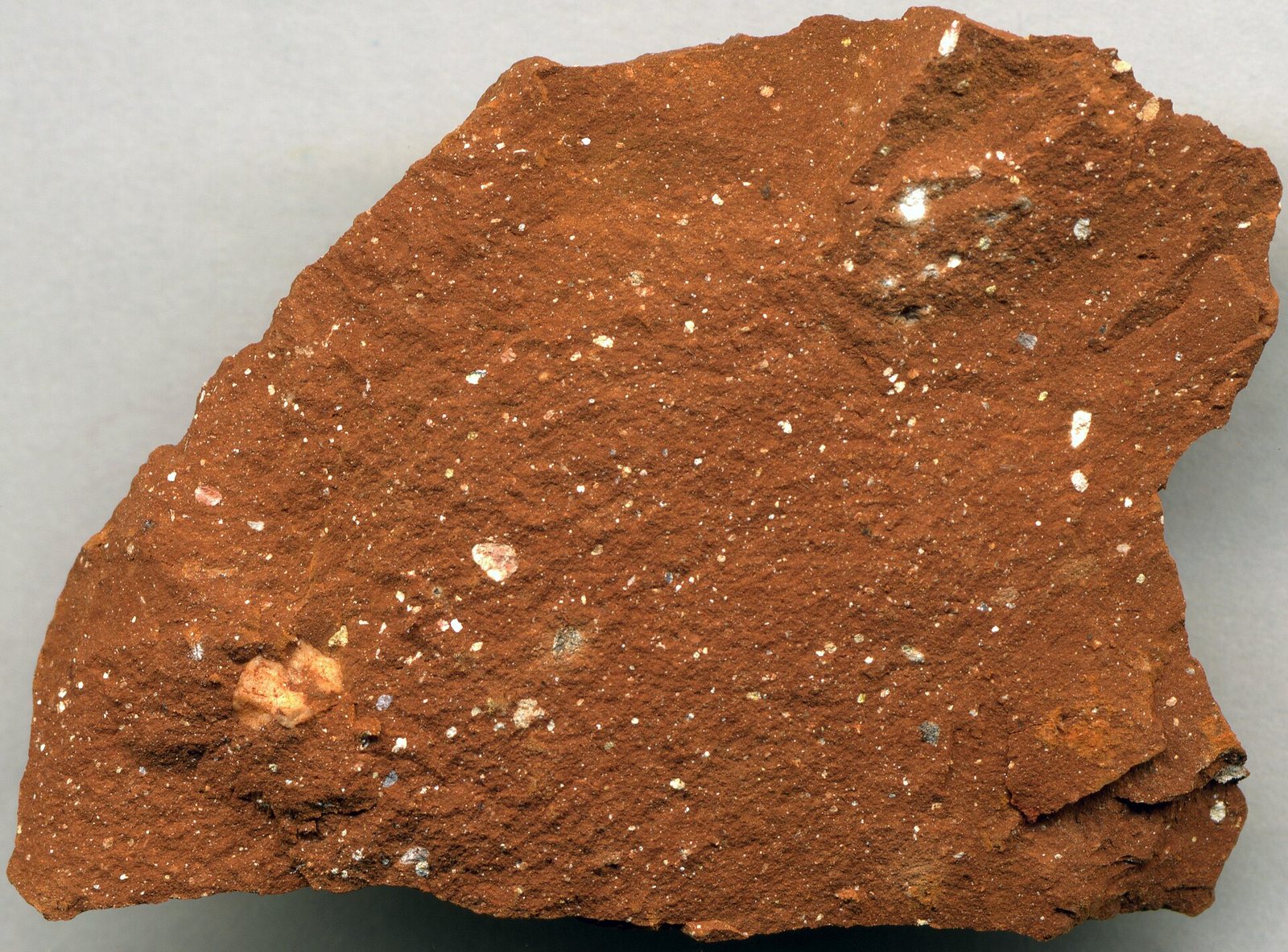
Ion-Adsorption Clay
Weathered granite where rare-earth ions cling loosely to clay surfaces. Grades are very low but the metal washes out…
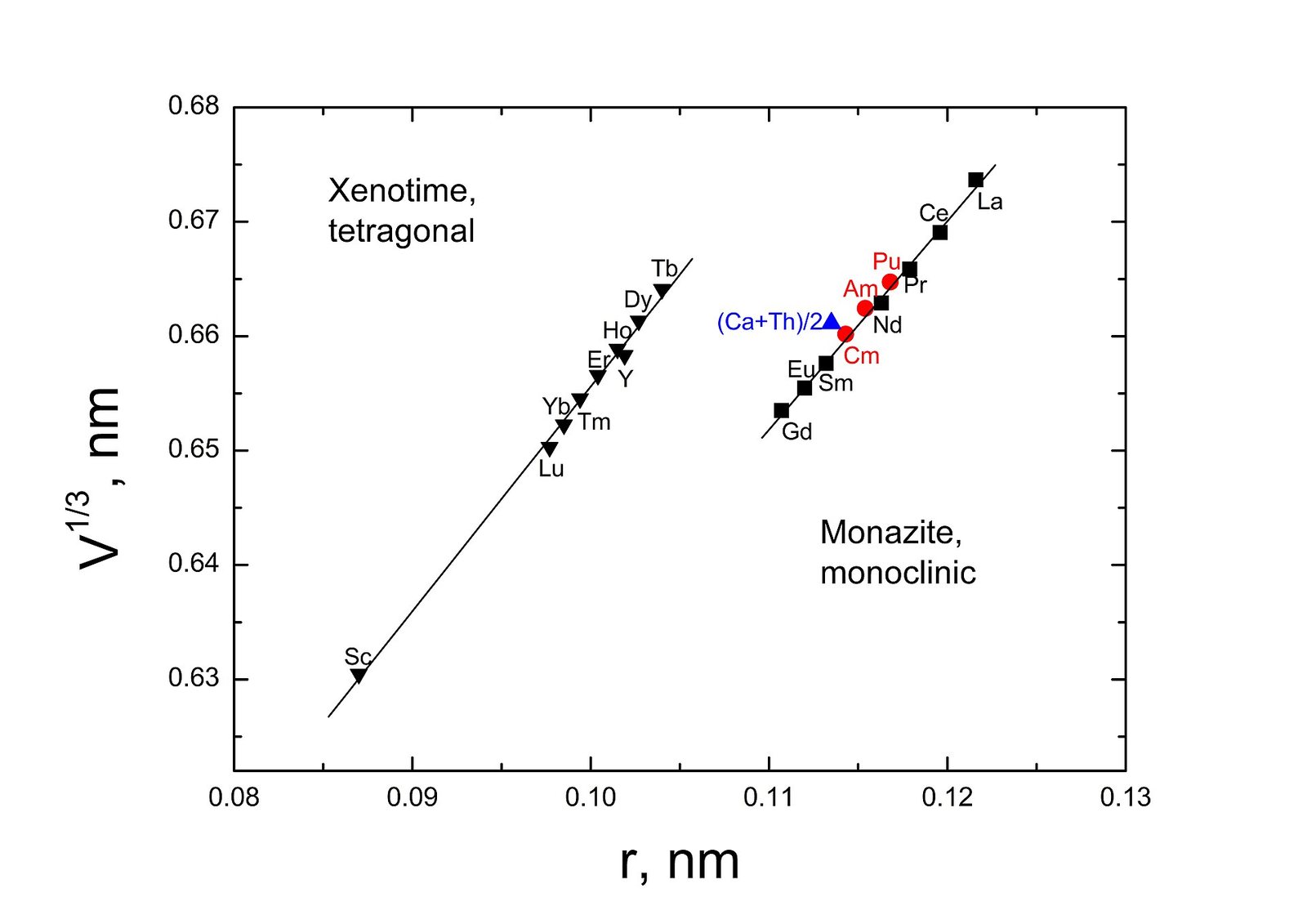
Xenotime
A yttrium phosphate that also carries the heavy rare earths — dysprosium, terbium, erbium — that magnets need.
Precio
average, dollars per kilogram: Terbium oxide, 99.99% minimum
Promedio anualdollars per kilogram
Base: average, dollars per kilogram: Terbium oxide, 99.99% minimum. Promedios anuales publicados en USGS Mineral Commodity Summaries 2026 · fuente ↗. Estos son promedios anuales de referencia, no una cotización de mercado en tiempo real.
Minas que lo producen
Todas las minas →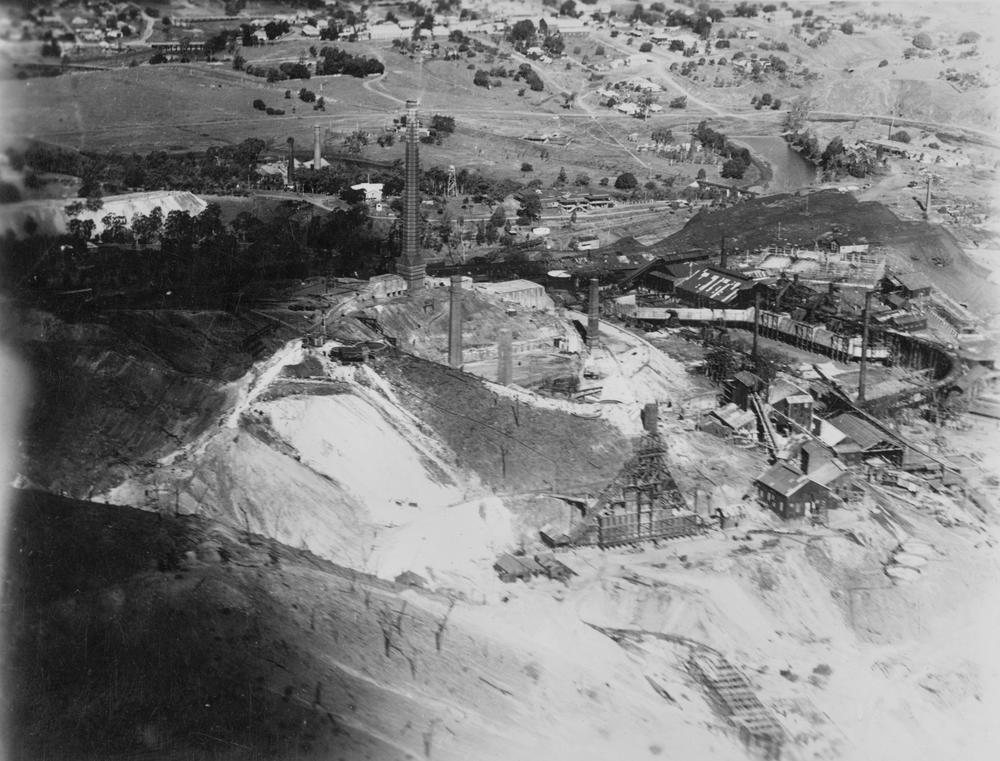
Southern China Ion-Adsorption Clays →
Dónde se procesa y refina
| Planta | Tipo | Etapa | País | Función |
|---|---|---|---|---|
| Chinese NdFeB Magnet Cluster | Planta de imanes | Componente | China | Entrada |
| Ganzhou Rare Earth Cluster | Planta de separación | Refinación | China | Producción |
Para qué se usa
Todos los mercados finales →| Mercado final | Lo que hace allí | Importancia |
|---|---|---|
| Wind Power | Heat resistance in the hottest designs | Importante |
Cuánto necesita una tecnología
| Tecnología | Cantidad | Citado | Base |
|---|---|---|---|
| NdFeB Permanent Magnet | —–0.02 kg | per kg of finished magnet | Added for the hottest grades |
Indicative range compiled from published technology studies and chemistry; verify against a manufacturer specification before use. Ejecute estas cifras a cualquier escala en la calculadora de materiales →