De la roche au produit, tracé
The Materials Atlas
Matériaux Mines et gisements Traitement et affinage Parcours de garde à vue Chaînes d'approvisionnement Entreprises Pays Actualités
Matériaux par rayon Matériaux de batteries Éléments de terres rares Cuivre et électricité Matériaux pour semiconducteurs Matières nucléaires Aérospatiale & Défense Métaux précieux Acier et métaux d'alliage Minéraux industriels Minéraux agricoles Matières premières énergétiques Minéraux menants Tableau périodique
Demande Marchés finaux Technologies Calculateur de matériaux Cartes Filtre de sélection
Apprendre & outils ApprendreGlossaire Interroger les donnéesAgents IA Recherche et donnéesAPI ★ Enregistré
À propos À notre sujetMéthodologie Sources des donnéesContact Avertissement
Options de lecture
🧭 Vue guidée Nouveau dans ce domaine — teneurs en minerai, concentré, affinage, sous-produits ? Nous expliquons chaque terme au fil de votre navigation, en langage clair. Les mêmes données, avec l'aide intégrée.
⚡ Vue expert Vous connaissez déjà le secteur. Uniquement les données — claires, rapides et compactes, sans explications supplémentaires. Il s'agit de l'affichage par défaut.
Thème
Langue de l'interface
Profondeur Les pages matériaux sont rédigées à quatre niveaux. Choisissez-en un sur n'importe quelle page matériau et il est mémorisé.
★ Enregistré Recherche et données
Uranium

Matières nucléaires

Uranium U · 92

A heavy, faintly radioactive metal whose nucleus can be split, releasing about two million times more energy per kilogram than burning coal.

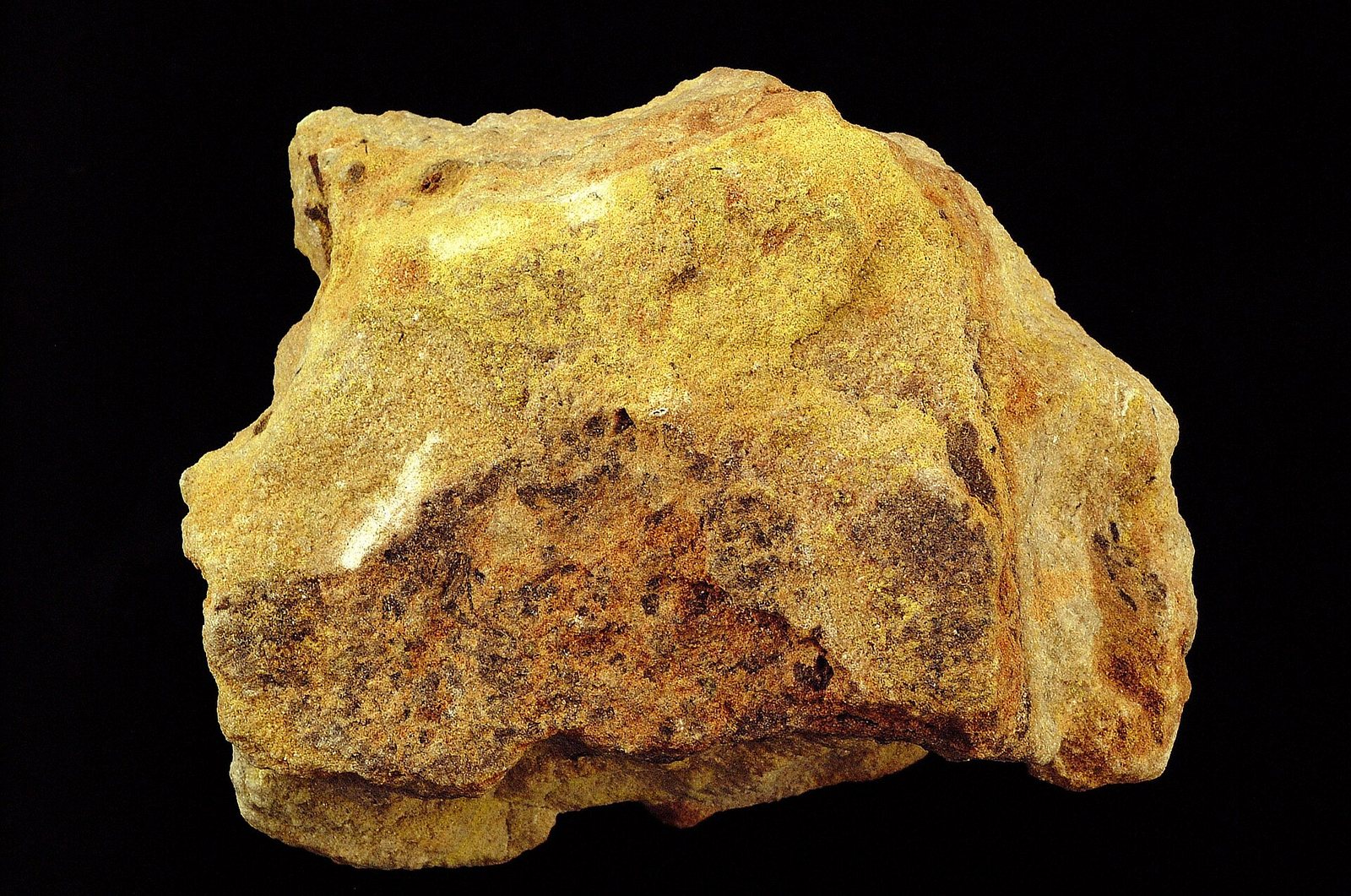
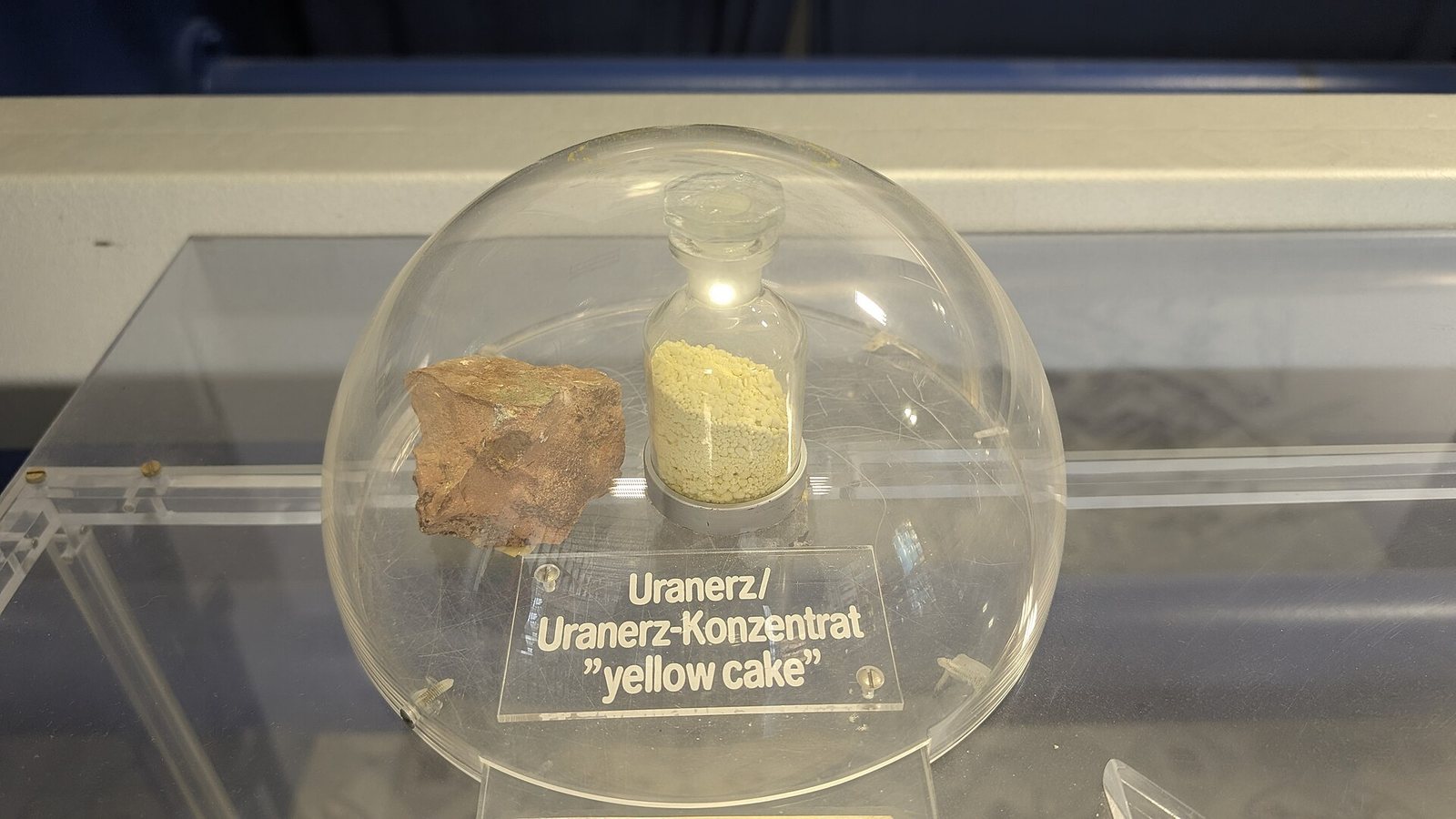
Uranium ore and "yellowcake" uranium concentrate at the Gre… · Siarhei Besarab · CC BY-SA 4.0 · Wikimedia Commons

Qu'est-ce que c'est ?

A heavy, faintly radioactive metal whose nucleus can be split, releasing about two million times more energy per kilogram than burning coal.

Pourquoi est-ce important ?

Nuclear power supplies roughly a tenth of the world's electricity and around a quarter of its low-carbon electricity, all from this one element.

Where it is in the Earth

Uranium is a naturally occurring element, present in small amounts throughout the Earth's crust. It sits at the heavy end of the periodic table, and like most heavy elements it was forged inside dying stars and delivered to the early Earth by asteroid bombardment. In its dispersed state it is actually more abundant in the crust than silver or mercury, but at those background concentrations it cannot be mined economically. What geologists look for is any process that has gathered uranium from a large volume of rock and concentrated it into a much smaller one.

Several quite different geological processes can do this. The most productive, measured by the grades it achieves, is the unconformity-related deposit, formed where ancient, uranium-bearing groundwaters migrated through permeable sandstone and then encountered a sharp chemical boundary — an unconformity, meaning the old erosion surface where one rock sequence rests on a completely different one beneath. The chemical contrast caused dissolved uranium to precipitate as the mineral uraninite, also known as pitchblende, in veins and pods that can reach extraordinary concentrations. The deposits around the Athabasca Basin in northern Canada are the type example, with grades that can exceed fifteen percent uranium, a figure essentially unmatched anywhere else in the world.

Other important deposit styles include sandstone-hosted deposits, where uranium is caught in permeable sedimentary layers by a chemical reducing agent such as organic material or iron sulfide minerals. These are lower grade but often occur in flat-lying sedimentary basins that are well suited to a particular extraction method discussed in the next section. A third style is the iron-oxide copper-gold deposit, or IOCG, of which Olympic Dam in South Australia is the largest known example; uranium there is a secondary product recovered alongside copper, gold and silver from a single enormous orebody deep underground. A fourth occurrence is the ancient Witwatersrand conglomerate reefs of South Africa, where uranium accumulated alongside gold in fossil river gravels more than two billion years ago. Each deposit type reflects a different chapter of geological history, which is why major uranium mines are scattered across geologically distinct terrains rather than concentrated in one belt.

Getting it out

The method used to extract uranium depends almost entirely on the geometry and grade of the deposit and on what lies above it. Where ore is shallow and the ground above it can be economically stripped away, open-pit mining is used: large shovels and haul trucks remove the overlying rock — called overburden — and then work down through the ore. Where ore sits deep or in narrow high-grade veins, underground mining is necessary, which means driving tunnels and extracting rock in enclosed workings. Because uranium ore is radioactive, underground mines require careful ventilation to prevent the accumulation of radon gas, a radioactive decay product.

Cigar Lake in northern Canada illustrates a third approach forced by unusual conditions. The ore there is so rich and the surrounding rock so water-saturated that conventional drilling and blasting would be dangerous. Instead the ground is frozen artificially and ore is cut by a high-pressure water jet — a technique called jet boring — producing a slurry that is pumped to the surface without workers ever entering the ore zone directly. This adds cost but the extraordinary grade of the deposit makes it worthwhile.

A fourth method, and the one that has grown most rapidly in recent decades, is in-situ recovery, sometimes called in-situ leaching or ISL. Rather than physically excavating rock, operators drill a pattern of injection and recovery wells into a permeable uranium-bearing sandstone aquifer. A mildly acidic or alkaline solution is pumped down the injection wells, dissolves the uranium from the surrounding rock, and is then pumped back up through the recovery wells as a uranium-bearing liquid. No ore is brought to surface; no tailings heap is created. This works only in the right kind of sandstone geology, and the long-term behaviour of the underground chemistry requires careful management, but where conditions allow it the cost per tonne of product can be substantially lower than conventional mining. Kazakhstan, the world's largest uranium producer, relies almost entirely on this method.

Grade matters more in uranium mining than in most other extractive industries because uranium ore is handled, transported and processed under radiological controls that add cost regardless of grade. A deposit producing a few hundredths of a percent uranium requires moving large volumes of rock to yield a small amount of metal, whereas the high-grade Canadian unconformity deposits yield many times more product per tonne of ore mined. The ratio of waste rock removed to ore extracted — the strip ratio in open-pit operations — is one of the key numbers that determines whether a deposit can be mined at a profit.

What pulls on it

Effectively all commercial demand for uranium exists because of nuclear power. A nuclear power station burns no fuel in the chemical sense; instead, neutrons cause uranium-235 nuclei to split — a process called fission — releasing heat that drives steam turbines just as coal or gas would. The amount of uranium required to produce a given quantity of electricity is small by mass compared with fossil fuels, but it is not trivial in terms of the specialised processing chain needed to prepare it. A pressurised water reactor, the most common type in service today, requires somewhere between 150 and 250 tonnes of natural uranium per gigawatt of electrical capacity per year of operation, according to the figures this page carries.

Demand is therefore a function of how many reactors are operating, at what capacity, and what kind of fuel cycle they use. Reactors are long-lived assets: once built, a plant may operate for sixty years, requiring a reliable fuel supply for that entire period. Utilities typically hold multi-year contracts and strategic inventories rather than buying uranium on short notice, which means the spot market represents only a fraction of actual transactions and spot prices can move sharply on relatively small volumes of trade.

The direction of demand over the coming decades depends on decisions being made now about new reactor construction. Several countries that reduced nuclear capacity after the Fukushima accident in 2011 are reconsidering those decisions in the context of electricity grid decarbonisation. A number of countries are building new large reactors, and a separate strand of development involves smaller modular reactor designs that have not yet reached commercial deployment at scale. If nuclear capacity grows, uranium demand grows with it; if planned reactors are delayed or cancelled — as has happened repeatedly in different countries over the past four decades — demand growth is correspondingly deferred. There is no significant use of uranium outside nuclear applications that would change the demand picture independently.

Lire correctement les chiffres. Production is quoted as tonnes of uranium metal (tU) or as U3O8; 1 tU = 1.1792 t U3O8. Mixing the two is the classic uranium reporting error. Yellowcake (U3O8) from the mine, then UF6 for enrichment, then UO2 fuel pellets.

D'où cela vient dans la roche

Tous les minéraux de minerai →

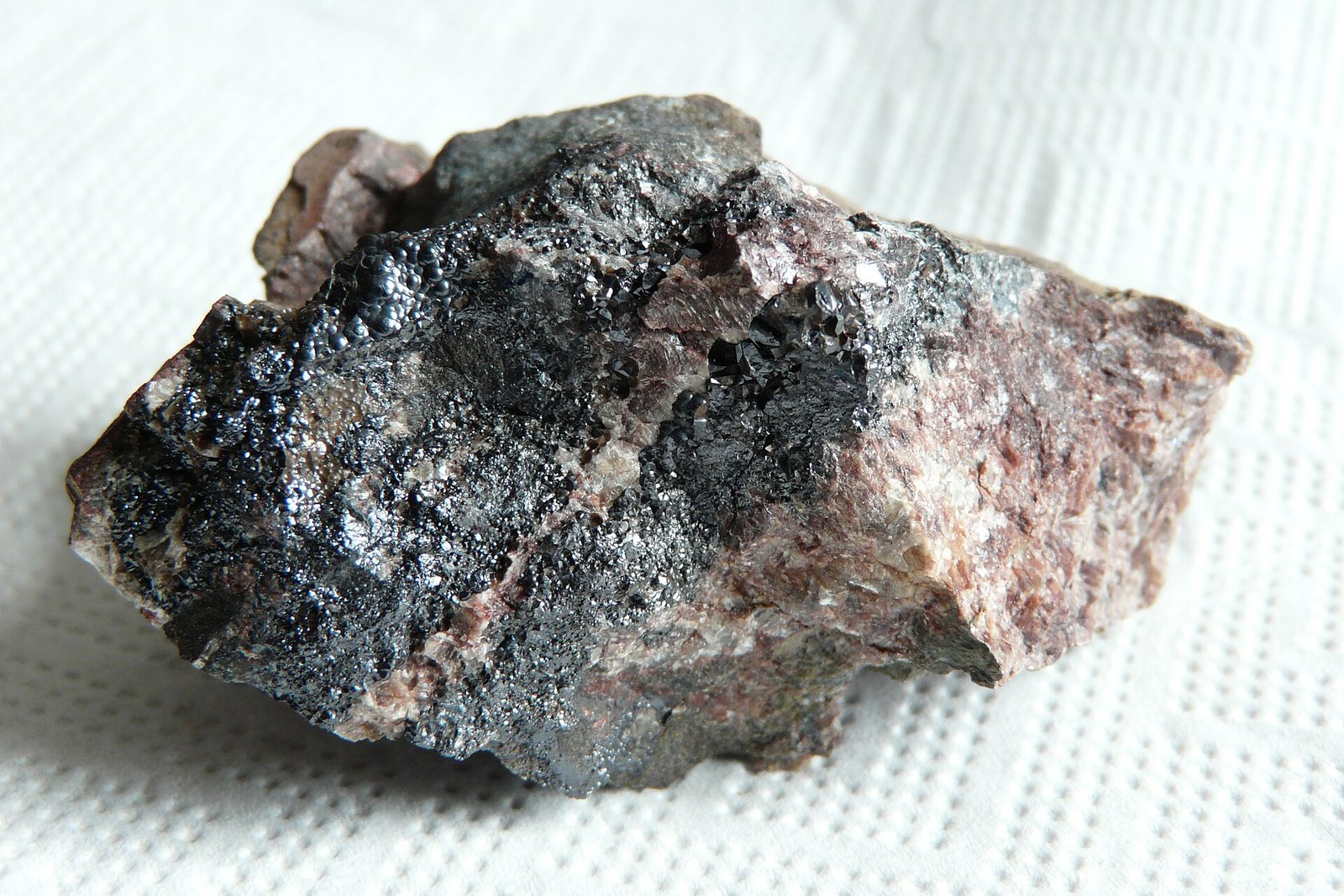
Ce sont les minéraux qui portent réellement uranium. Un gisement n'est un corps minéralisé que si l'un d'eux est suffisamment concentré pour rentabiliser son extraction.
Prix

Uranium, global price

Moyenne annuelleUS$ per pound

1995 · 10.78 élevé 136.2 US$ per pound 2026 · 69.23

Base: IMF global price of uranium — NUEXCO restricted price, U3O8. Moyennes annuelles telles que publiées dans FRED (IMF primary commodity prices) · source ↗. Il s'agit de moyennes annuelles de référence, et non de cotations de marché en temps réel.

Mines qui le produisent

Toutes les mines →
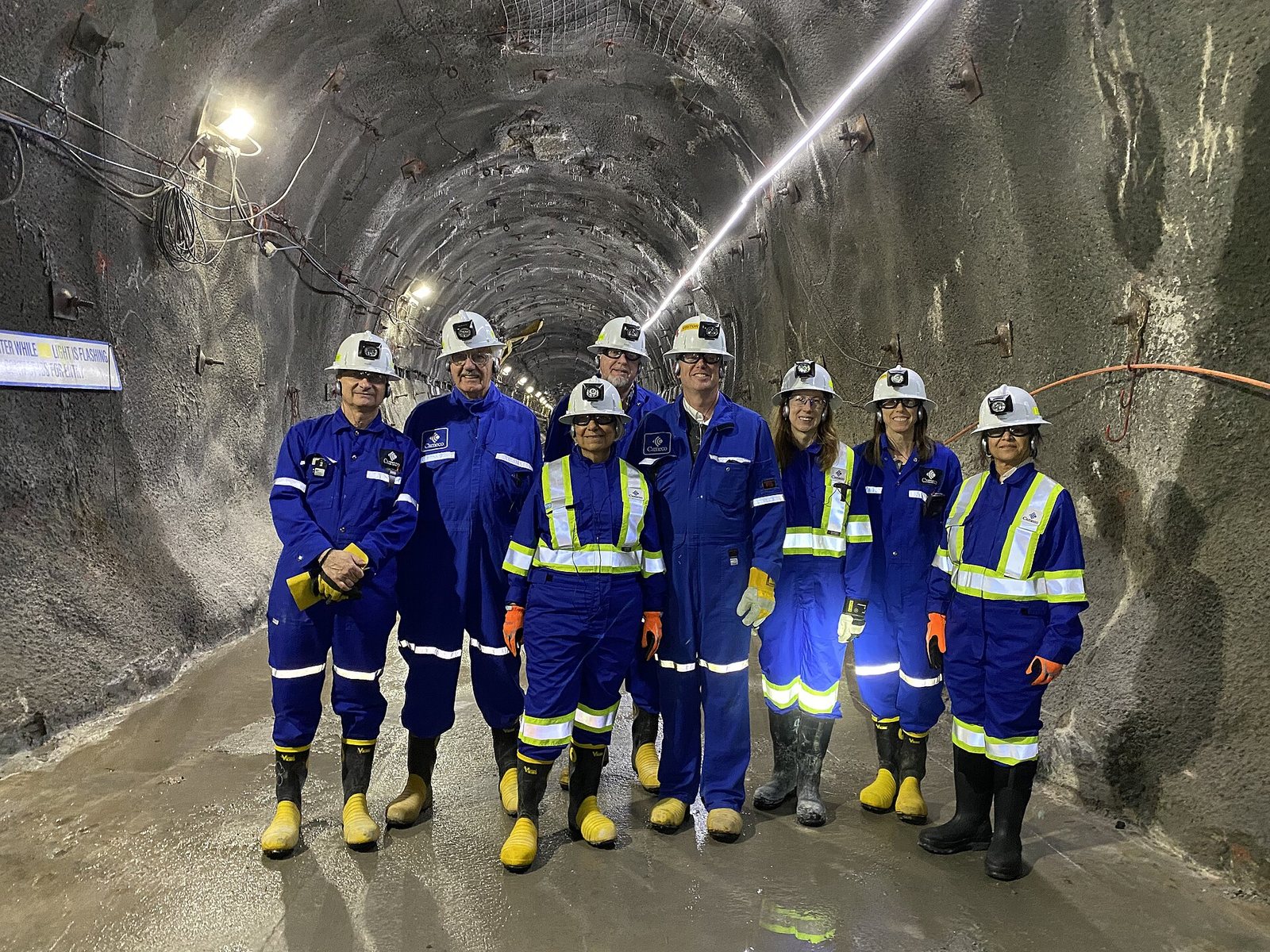
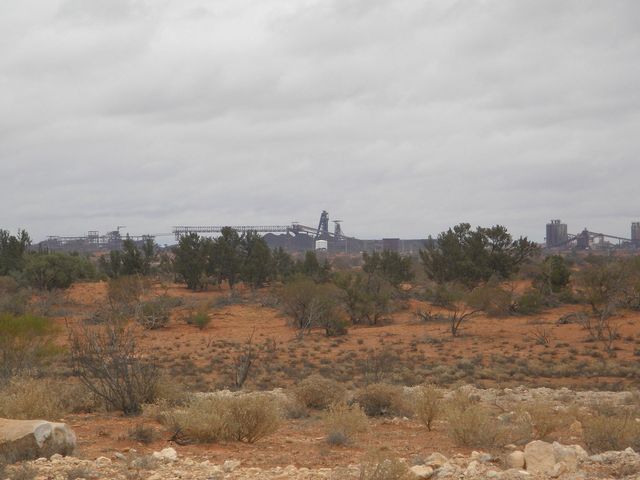
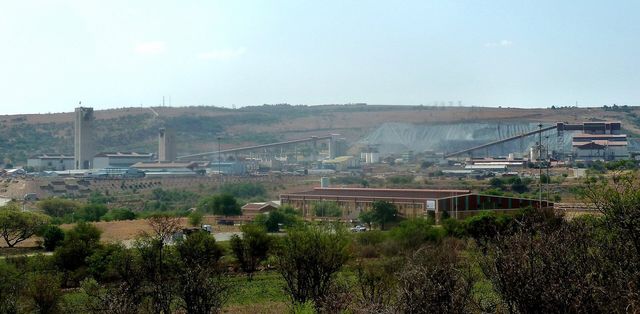
Cigar Lake
Cigar Lake, Canada — The highest-grade large uranium mine in the world. NRC Chair Christopher Hanson Visits the Cigar…, CC BY 2.0 via Wikimedia Commons

Cigar Lake →

Où c'est traité et raffiné

UsineType ÉtapePaysRôle
Georges Besse II Enrichment Plant Usine d'enrichissementAffinage FranceIntrant
Port Hope Conversion Facility Usine chimiqueAffinage CanadaIntrant
Marché finalCe qu'il fait là-basImportance
Nuclear Power The fuel Définition de

Quelle quantité en nécessite une technologie

« Intensité » désigne simplement la quantité de matière que contient une unité d'un produit donné. Les plages indiquées sont indicatives — les conceptions réelles varient selon le fabricant et l'année de modèle, et toutes sont en baisse à mesure que les ingénieurs apprennent à réduire les quantités utilisées.
TechnologieQuantité CotéBase
Pressurised Water Reactor Depends on enrichment level and tails assay; the loaded fuel is far less. 150.0–250.0 t per GW of capacityNatural uranium needed per year of operation

Indicative range compiled from published technology studies and chemistry; verify against a manufacturer specification before use. Appliquer ces chiffres à n'importe quelle échelle dans le calculateur de matériaux →

Contrôles à l'exportation

PaysContrôleS'applique à
RussiaExport ban Steel waste and scrap, tungsten scrap, and enriched uranium (2022).

USGS Mineral Commodity Summaries 2026, table 4 — controls in effect as of January 2026, excluding controls since lifted.

Suivez-le au fil des frontières

Tous les parcours →

Où va réellement un lot de ce matériau — chaque pays, chaque dépositaire, et ce qui est perdu à chaque étape.

Kazakh uranium to a fuel assembly in a reactor The most tightly watched journey in this atlas: every kilogram is accounted for, at every border. de Kazakhstan · Sandstone-hosted uranium recovered in situ, no rock…
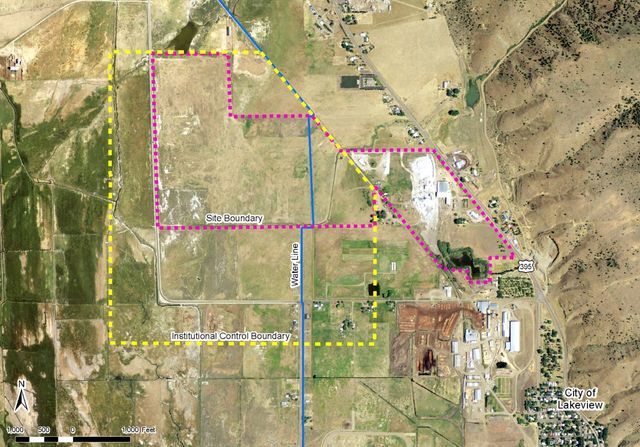
Chaînes d'approvisionnement tracées

Dans l'actualité

Plus →

Why Uranium Stocks Are Falling as U.S. Production Triples

OilPrice.com03 Sep 2026

SW US CEO chat: Energy Fuels pivots to rare earths

The Northern Miner01 Sep 2026

India and Uzbekistan eye uranium deal as ties grow

World Nuclear News01 Sep 2026

U.S. uranium production more than tripled in 2025 and was the highest since 2017

U.S. Energy Information Administration28 Aug 2026

Niger awards Arlit uranium mining permit to state-owned company

World Nuclear News26 Aug 2026

Atomic Eagle reaches agreement on Niger uranium project

World Nuclear News24 Aug 2026

Matériaux

Tous les matériaux Minéraux critiques Terres rares Matériaux de batteries Minéraux menants Tableau périodique Filtre de sélection

Le sous-sol

Mines et gisements Traitement et affinage Pays Cartes

L'économie

Parcours de garde à vue Chaînes d'approvisionnement Marchés finaux Technologies Entreprises Calculateur de matériaux

Apprendre

ApprendreGlossaire Interroger les donnéesAgents IA Recherche et donnéesAPI ouverte Actualités★ Enregistré

À notre sujet

À notre sujetContact MéthodologieSources des données Politique éditoriale Politique de confidentialitéConditions d'utilisation Avertissement