Bu nedir?
A heavy, faintly radioactive metal whose nucleus can be split, releasing about two million times more energy per kilogram than burning coal.
Neden önemli?
Nuclear power supplies roughly a tenth of the world's electricity and around a quarter of its low-carbon electricity, all from this one element.
Where it is in the Earth
Uranium is a naturally occurring element, present in small amounts throughout the Earth's crust. It sits at the heavy end of the periodic table, and like most heavy elements it was forged inside dying stars and delivered to the early Earth by asteroid bombardment. In its dispersed state it is actually more abundant in the crust than silver or mercury, but at those background concentrations it cannot be mined economically. What geologists look for is any process that has gathered uranium from a large volume of rock and concentrated it into a much smaller one.
Several quite different geological processes can do this. The most productive, measured by the grades it achieves, is the unconformity-related deposit, formed where ancient, uranium-bearing groundwaters migrated through permeable sandstone and then encountered a sharp chemical boundary — an unconformity, meaning the old erosion surface where one rock sequence rests on a completely different one beneath. The chemical contrast caused dissolved uranium to precipitate as the mineral uraninite, also known as pitchblende, in veins and pods that can reach extraordinary concentrations. The deposits around the Athabasca Basin in northern Canada are the type example, with grades that can exceed fifteen percent uranium, a figure essentially unmatched anywhere else in the world.
Other important deposit styles include sandstone-hosted deposits, where uranium is caught in permeable sedimentary layers by a chemical reducing agent such as organic material or iron sulfide minerals. These are lower grade but often occur in flat-lying sedimentary basins that are well suited to a particular extraction method discussed in the next section. A third style is the iron-oxide copper-gold deposit, or IOCG, of which Olympic Dam in South Australia is the largest known example; uranium there is a secondary product recovered alongside copper, gold and silver from a single enormous orebody deep underground. A fourth occurrence is the ancient Witwatersrand conglomerate reefs of South Africa, where uranium accumulated alongside gold in fossil river gravels more than two billion years ago. Each deposit type reflects a different chapter of geological history, which is why major uranium mines are scattered across geologically distinct terrains rather than concentrated in one belt.
Getting it out
The method used to extract uranium depends almost entirely on the geometry and grade of the deposit and on what lies above it. Where ore is shallow and the ground above it can be economically stripped away, open-pit mining is used: large shovels and haul trucks remove the overlying rock — called overburden — and then work down through the ore. Where ore sits deep or in narrow high-grade veins, underground mining is necessary, which means driving tunnels and extracting rock in enclosed workings. Because uranium ore is radioactive, underground mines require careful ventilation to prevent the accumulation of radon gas, a radioactive decay product.
Cigar Lake in northern Canada illustrates a third approach forced by unusual conditions. The ore there is so rich and the surrounding rock so water-saturated that conventional drilling and blasting would be dangerous. Instead the ground is frozen artificially and ore is cut by a high-pressure water jet — a technique called jet boring — producing a slurry that is pumped to the surface without workers ever entering the ore zone directly. This adds cost but the extraordinary grade of the deposit makes it worthwhile.
A fourth method, and the one that has grown most rapidly in recent decades, is in-situ recovery, sometimes called in-situ leaching or ISL. Rather than physically excavating rock, operators drill a pattern of injection and recovery wells into a permeable uranium-bearing sandstone aquifer. A mildly acidic or alkaline solution is pumped down the injection wells, dissolves the uranium from the surrounding rock, and is then pumped back up through the recovery wells as a uranium-bearing liquid. No ore is brought to surface; no tailings heap is created. This works only in the right kind of sandstone geology, and the long-term behaviour of the underground chemistry requires careful management, but where conditions allow it the cost per tonne of product can be substantially lower than conventional mining. Kazakhstan, the world's largest uranium producer, relies almost entirely on this method.
Grade matters more in uranium mining than in most other extractive industries because uranium ore is handled, transported and processed under radiological controls that add cost regardless of grade. A deposit producing a few hundredths of a percent uranium requires moving large volumes of rock to yield a small amount of metal, whereas the high-grade Canadian unconformity deposits yield many times more product per tonne of ore mined. The ratio of waste rock removed to ore extracted — the strip ratio in open-pit operations — is one of the key numbers that determines whether a deposit can be mined at a profit.
What pulls on it
Effectively all commercial demand for uranium exists because of nuclear power. A nuclear power station burns no fuel in the chemical sense; instead, neutrons cause uranium-235 nuclei to split — a process called fission — releasing heat that drives steam turbines just as coal or gas would. The amount of uranium required to produce a given quantity of electricity is small by mass compared with fossil fuels, but it is not trivial in terms of the specialised processing chain needed to prepare it. A pressurised water reactor, the most common type in service today, requires somewhere between 150 and 250 tonnes of natural uranium per gigawatt of electrical capacity per year of operation, according to the figures this page carries.
Demand is therefore a function of how many reactors are operating, at what capacity, and what kind of fuel cycle they use. Reactors are long-lived assets: once built, a plant may operate for sixty years, requiring a reliable fuel supply for that entire period. Utilities typically hold multi-year contracts and strategic inventories rather than buying uranium on short notice, which means the spot market represents only a fraction of actual transactions and spot prices can move sharply on relatively small volumes of trade.
The direction of demand over the coming decades depends on decisions being made now about new reactor construction. Several countries that reduced nuclear capacity after the Fukushima accident in 2011 are reconsidering those decisions in the context of electricity grid decarbonisation. A number of countries are building new large reactors, and a separate strand of development involves smaller modular reactor designs that have not yet reached commercial deployment at scale. If nuclear capacity grows, uranium demand grows with it; if planned reactors are delayed or cancelled — as has happened repeatedly in different countries over the past four decades — demand growth is correspondingly deferred. There is no significant use of uranium outside nuclear applications that would change the demand picture independently.
Turning ore into product Seviye 3
Uranium ore, once at surface, is crushed and ground in a process called comminution to break down the rock structure and expose the uranium minerals to chemical attack. The ground ore is then leached — dissolved — using either sulfuric acid in acidic circuits or a sodium carbonate solution in alkaline ones. The choice depends on the mineralogy of the host rock: carbonate-rich rocks consume acid rapidly, making alkaline leaching more economic despite its slower kinetics. In-situ recovery operations skip the comminution entirely because leaching happens underground, but the chemistry of the recovery solution follows the same logic.
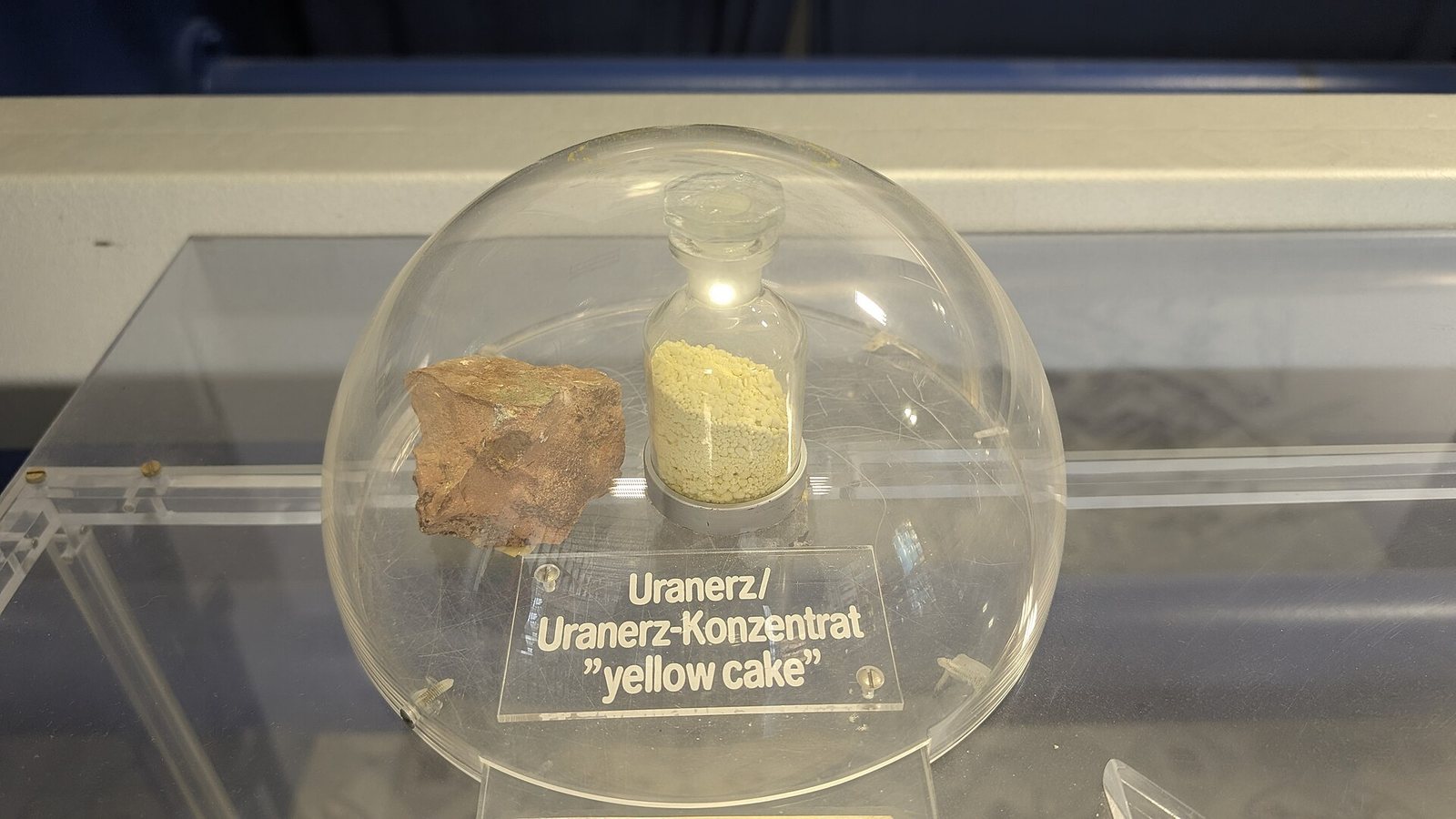
After leaching, the uranium-bearing solution is separated from the solid residue by counter-current decantation or filtration, then purified using solvent extraction or ion exchange — processes that selectively strip uranium from solution while leaving most impurities behind. The purified uranium is then precipitated, typically as a mixed uranium oxide, dried and packaged. The resulting product is yellowcake, nominally U₃O₈, which is the form in which uranium is traded from mine sites. The colour and exact composition vary depending on the precipitation reagent used; not all yellowcake is literally yellow.
Yellowcake is not yet reactor fuel. It must first be converted to uranium hexafluoride (UF₆) at a dedicated conversion facility — Port Hope in Canada is one of the few outside Russia or China — and then enriched. Natural uranium contains only a small fraction of the fissile isotope uranium-235; most light-water reactors require fuel in which that fraction has been increased several-fold, a process called enrichment carried out in large centrifuge cascades such as those at the Georges Besse II plant in France. After enrichment, UF₆ is converted again to uranium dioxide (UO₂) powder, pressed into ceramic pellets and sintered at high temperature to form the fuel pellets loaded into reactor fuel rods. Each conversion step is a potential bottleneck: conversion and enrichment capacity is concentrated in a small number of facilities and a small number of countries, and expanding that capacity takes years of engineering and regulatory work.
Substitution and recycling Seviye 3
Within a given reactor design, there is no substitute for uranium as the fissile material. Some reactor designs can use thorium as a fertile material — meaning neutron bombardment converts it to fissile uranium-233, which then sustains the chain reaction — but thorium reactors remain at the research and demonstration stage and would not displace uranium demand in the near term. Mixed oxide fuel, or MOX, blends plutonium recovered from used reactor fuel with uranium dioxide; this extends the energy extracted from a given amount of mined uranium and reduces the amount of fresh uranium needed, but it does not eliminate it. MOX fabrication capacity is small relative to the total fuel market.
The more meaningful substitution question at the system level is whether other low-carbon electricity sources — solar photovoltaic, wind, hydropower — reduce the number of nuclear plants built and therefore the total uranium demand. This is a question about energy policy rather than materials chemistry, and the answer varies by country and grid characteristics. At the level of an individual reactor already in service, the economics strongly favour continued operation because the capital cost is sunk and uranium fuel is a relatively modest fraction of total running cost; substitution risk applies mainly to the decision whether to build new capacity.
Recycling of uranium is technically possible and practised in some countries. Used reactor fuel contains unburned uranium that can be chemically separated — a process called reprocessing — and reused as reactor fuel, sometimes after re-enrichment. France reprocesses a significant portion of its used fuel. However, reprocessing is politically contentious in some countries because the same chemical process separates plutonium, which has weapons relevance, and the economics of reprocessing are sensitive to the prevailing price of freshly mined uranium. When mined uranium is inexpensive, reprocessing is harder to justify on cost grounds alone. The result is that the contribution of recycled uranium to total supply varies considerably by country and by the prevailing market conditions, without eliminating dependence on primary mining.
Where the chain is fragile Seviye 4
The uranium supply chain contains several distinct points of concentration that do not appear in the headline production figures. Mining is geographically concentrated: a small number of countries account for the large majority of output, and within those countries production is often dominated by a single basin or a handful of operating mines. Kazakhstan's dominance through in-situ recovery, and Canada's through its high-grade unconformity deposits, means that disruptions in either country — whether from regulatory decisions, flooding, or geopolitical developments — propagate quickly to global availability. The world_production data on this page, though withheld in detail, reflects this structure, and analysts watching the market monitor individual mine operating rates rather than national aggregates.
Conversion and enrichment represent a further layer of concentration that is often underappreciated. Uranium must pass through both steps before it becomes reactor fuel, and the number of facilities capable of each step is small. Russia's state nuclear enterprise operates a large share of global enrichment capacity, a fact that became acutely visible to European utilities after 2022. Replacing that capacity requires building centrifuge plants — a capital-intensive and time-consuming undertaking, subject to non-proliferation treaty obligations and export controls that add regulatory lead time on top of engineering lead time. The Port Hope conversion facility in Canada and the Georges Besse II enrichment plant in France represent part of the non-Russian capacity, but the overall picture is one where the processing steps downstream of the mine are at least as concentrated as mining itself.
A further reporting complication affects how supply figures are compiled and compared. Production can be expressed in tonnes of uranium metal or in tonnes of U₃O₈, and the conversion factor — one tonne of uranium metal equals approximately 1.1792 tonnes of U₃O₈ — is not always applied consistently across sources. The NUEXCO restricted price series, which underlies the IMF price data shown on this page, is quoted in US dollars per pound of U₃O₈, a unit convention inherited from the early American uranium industry that persists in trade documentation even though the rest of the industry has largely moved to metric tonnes. Researchers comparing price series, production data and reserve estimates from different sources must verify the unit basis of each figure before drawing conclusions; mixing tonne-uranium and tonne-U₃O₈ figures is, as the unit notes on this page flag explicitly, the most common arithmetic error in uranium market analysis. Reserve estimates carry a further layer of uncertainty because they depend on assumed future prices — resources that are sub-economic at today's prices are not counted as reserves, so published reserve totals change with the price cycle even when the physical geology has not changed at all.
Kayada nereden gelir
Tüm cevher mineralleri →Bunlar gerçekten taşıyan mineraller uranium. Bir yatak, ancak içindeki minerallerden biri çıkarma maliyetini karşılayacak kadar yüksek tenörde olduğunda cevher kütlesi sayılır.
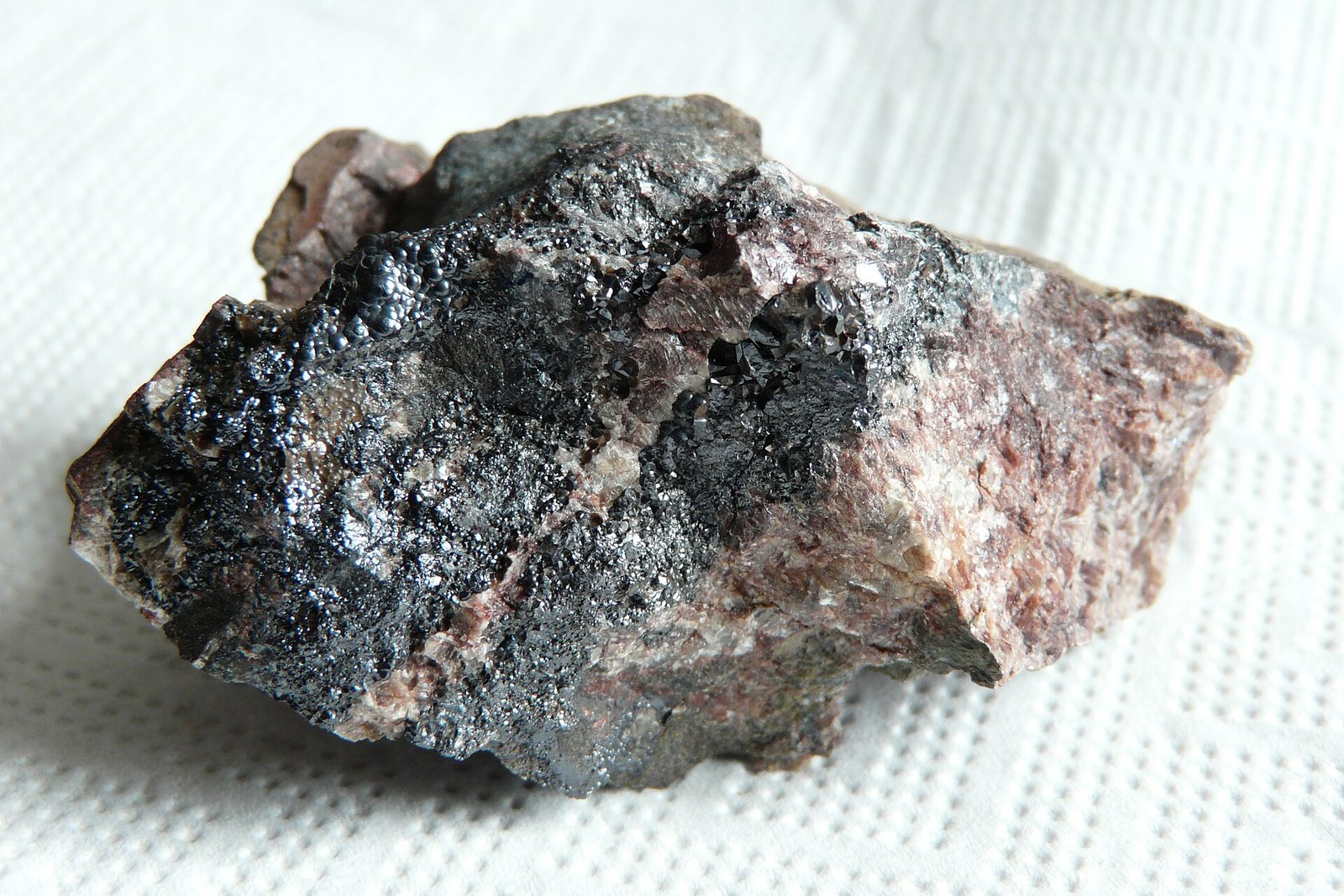
Uraninite (pitchblende)
The main uranium ore. The Athabasca Basin's unconformity deposits reach grades over 15% U — a hundred times typical.
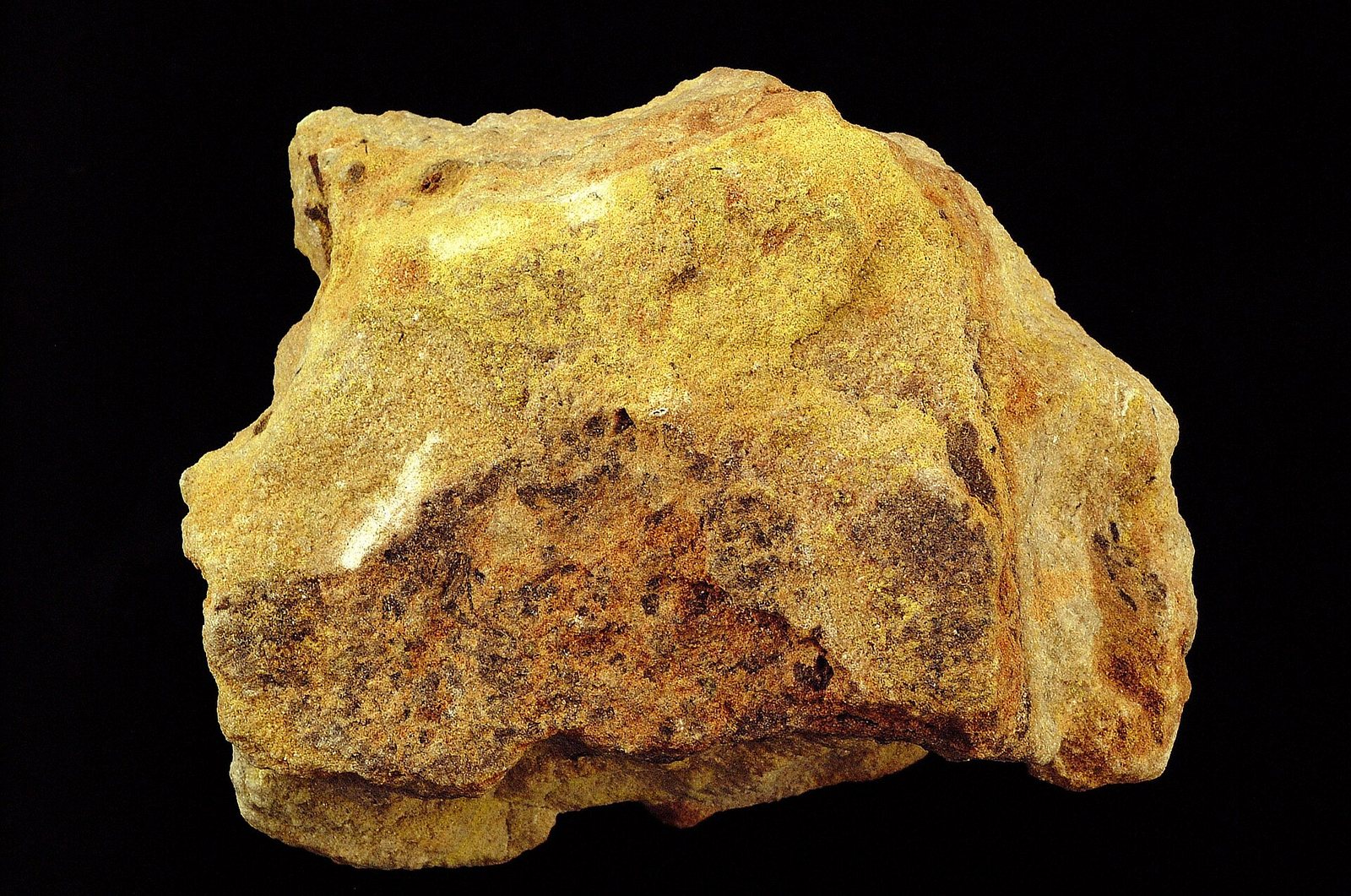
Carnotite
A secondary uranium-vanadium mineral of sandstone deposits; the classic in-situ recovery target.
Fiyat
Uranium, global price
Yıllık ortalamaUS$ per pound
Dayanak: IMF global price of uranium — NUEXCO restricted price, U3O8. Şurada yayımlanan yıllık ortalamalar: FRED (IMF primary commodity prices) · kaynak ↗. Bunlar referans yıllık ortalamalar olup canlı piyasa fiyatı değildir.
Bu materyali üreten madenler
Tüm madenler →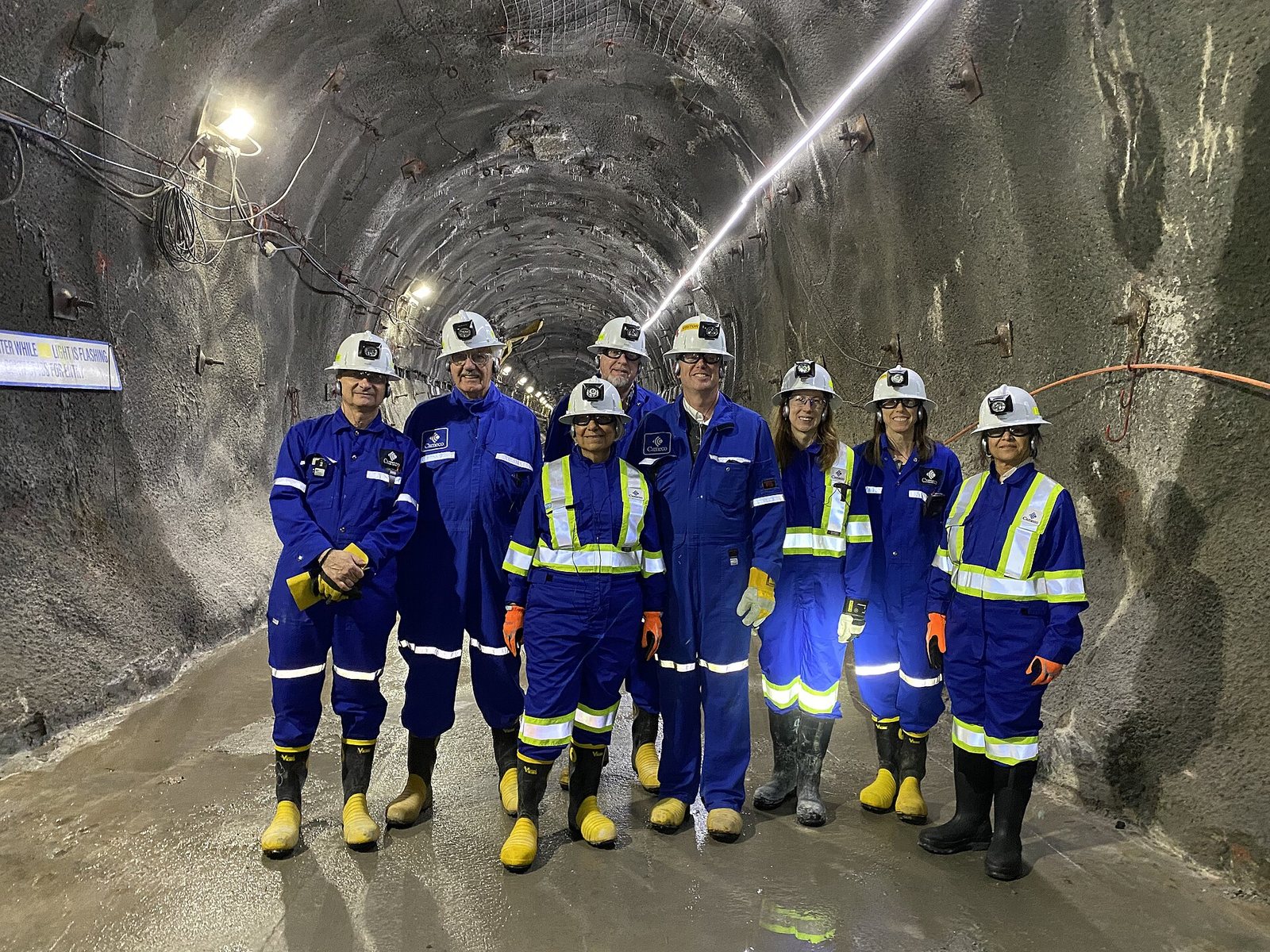
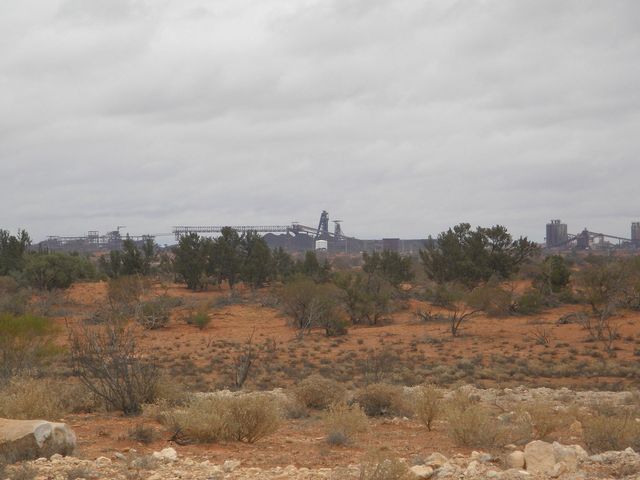
Olympic Dam
One of the largest single orebodies of any kind, holding copper, uranium, gold and silver together.
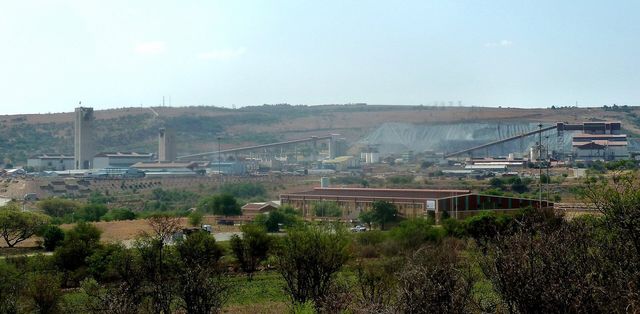
Mponeng
The deepest mine on Earth, working below 4 km.
Nerede işlenir ve rafine edilir
| Tesis | Tür | Aşama | Ülke | Rol |
|---|---|---|---|---|
| Georges Besse II Enrichment Plant | Zenginleştirme tesisi | Rafinasyon | France | Girdi |
| Port Hope Conversion Facility | Kimya tesisi | Rafinasyon | Canada | Girdi |
Ne için kullanılır
Tüm son kullanım piyasaları →| Son pazar | Orada ne işe yarar | Önem |
|---|---|---|
| Nuclear Power | The fuel | Tanımlama |
Bir teknolojinin ne kadar ihtiyaç duyduğu
| Teknoloji | Miktar | Kote edilen | Dayanak |
|---|---|---|---|
| Pressurised Water Reactor Depends on enrichment level and tails assay; the loaded fuel is far less. | 150.0–250.0 t | per GW of capacity | Natural uranium needed per year of operation |
Indicative range compiled from published technology studies and chemistry; verify against a manufacturer specification before use. Bu rakamları malzeme hesaplayıcısında istediğiniz ölçekte çalıştırın →
İhracat kontrolleri
| Ülke | Kontrol | Uygulandığı kapsam |
|---|---|---|
| Russia | Export ban | Steel waste and scrap, tungsten scrap, and enriched uranium (2022). ↗ |
USGS Mineral Commodity Summaries 2026, table 4 — controls in effect as of January 2026, excluding controls since lifted.
Sınırlar boyunca takip edin
Tüm güzergâhlar →Bu malzemenin bir partisinin gerçekte nereye gittiği — her ülke, her vasi ve her adımda geride ne bırakıldığı.
Kazakh uranium to a fuel assembly in a reactor The most tightly watched journey covered here: every kilogram is accounted for, at every border.