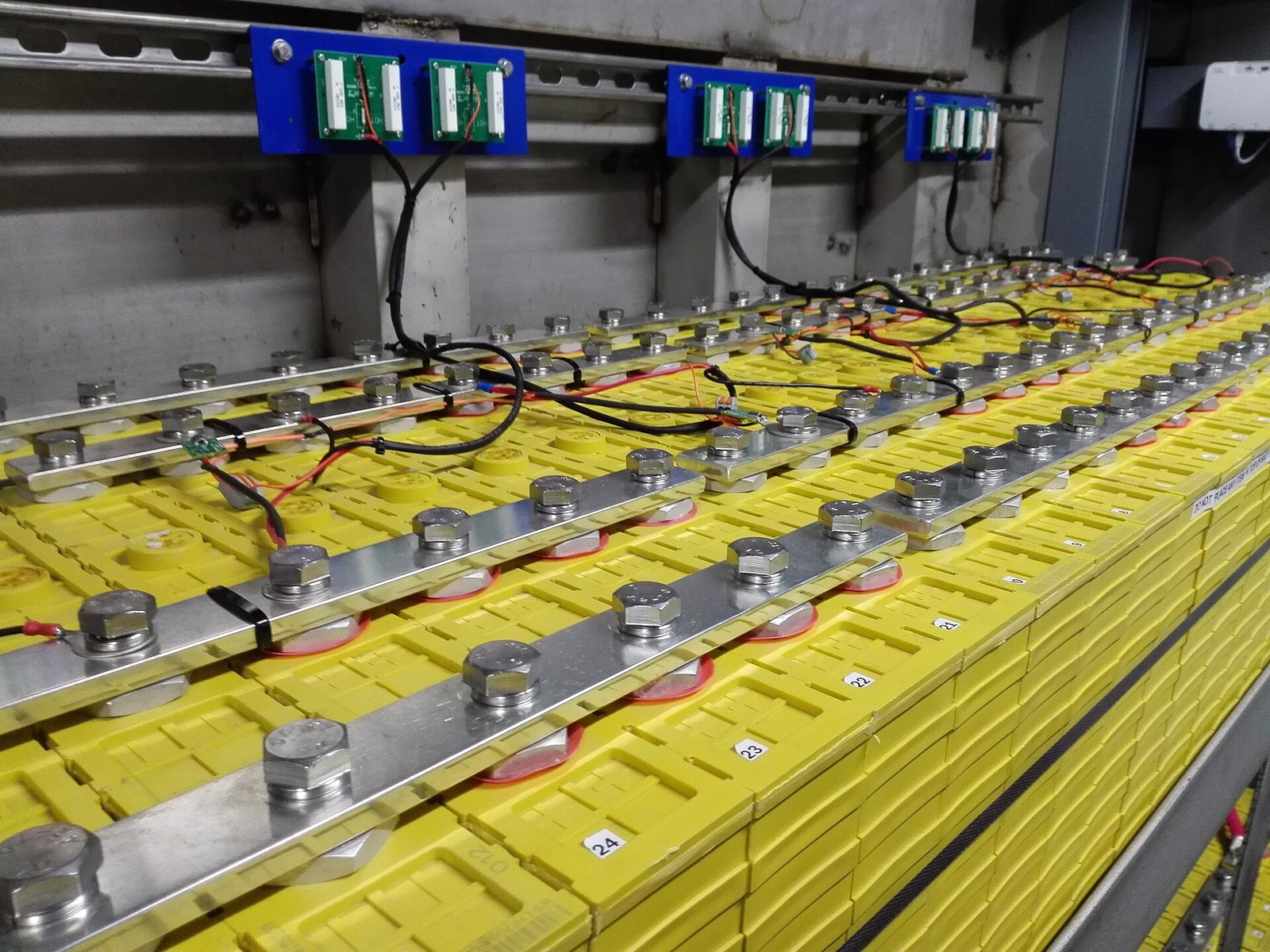
Ce que c'est
LFP gave up about a fifth of its energy density and in return removed nickel and cobalt from the bill entirely. Once pack engineering compensated for the weight, it took the majority of new cells worldwide.
Le bilan matière
Changer d'échelle →Les quantités sont per 75 kWh packfourchette indicative
| Matériau | Faible | Élevé | Unité | Base |
|---|---|---|---|---|
| Graphite critique | 55.00 | 85.00 | kg | Anode active material |
| Iron Ore | 25.00 | 45.00 | kg | Iron in the cathode |
| Phosphate Rock critique | 25.00 | 45.00 | kg | As phosphate in the cathode |
| Copper critique | 15.00 | 25.00 | kg | Foil and busbars |
| Lithium critique About 0.09 kg Li per kWh. | 5.50 | 8.00 | kg contained lithium | Contained metal |
Indicative range compiled from published technology studies and chemistry; verify against a manufacturer specification before use. Les lignes marquées « trace » contiennent la matière en quantités trop faibles pour être exprimées utilement en masse — la contrainte est alors la pureté ou le nombre de fournisseurs, non le tonnage.
Les alternatives
La substitution est la force la plus sous-estimée dans le domaine des matériaux. Lorsqu'un métal devient coûteux ou politiquement difficile, les ingénieurs le contournent dans leurs conceptions — et la demande pour toute une mine peut s'évaporer.
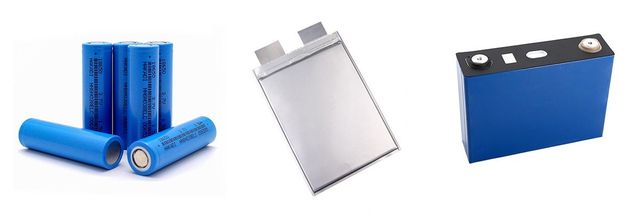
NMC Lithium-Ion Battery
The high-energy chemistry — nickel, manganese and cobalt in the cathode — used where range matters most.
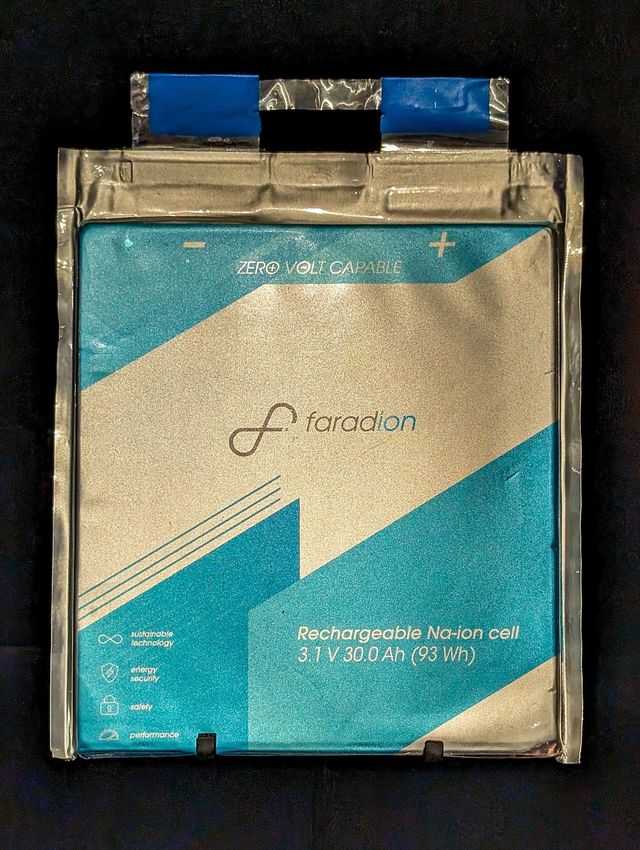
Sodium-Ion Battery
A cell that uses sodium — from ordinary salt — instead of lithium, at the cost of energy density.
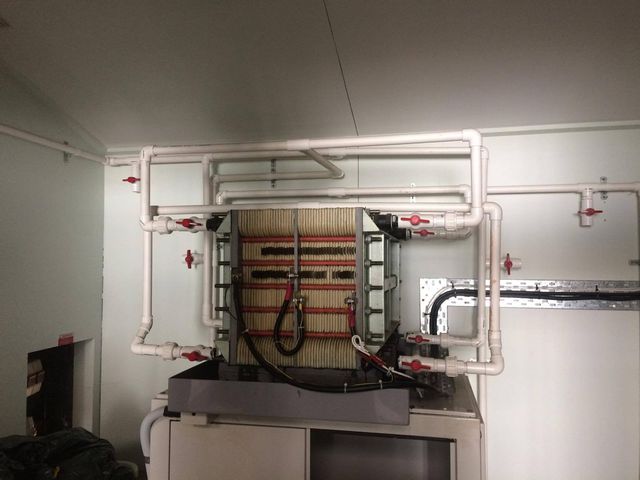
Vanadium Redox Flow Battery
A battery that stores its energy in two tanks of dissolved vanadium, so power and capacity scale separately.