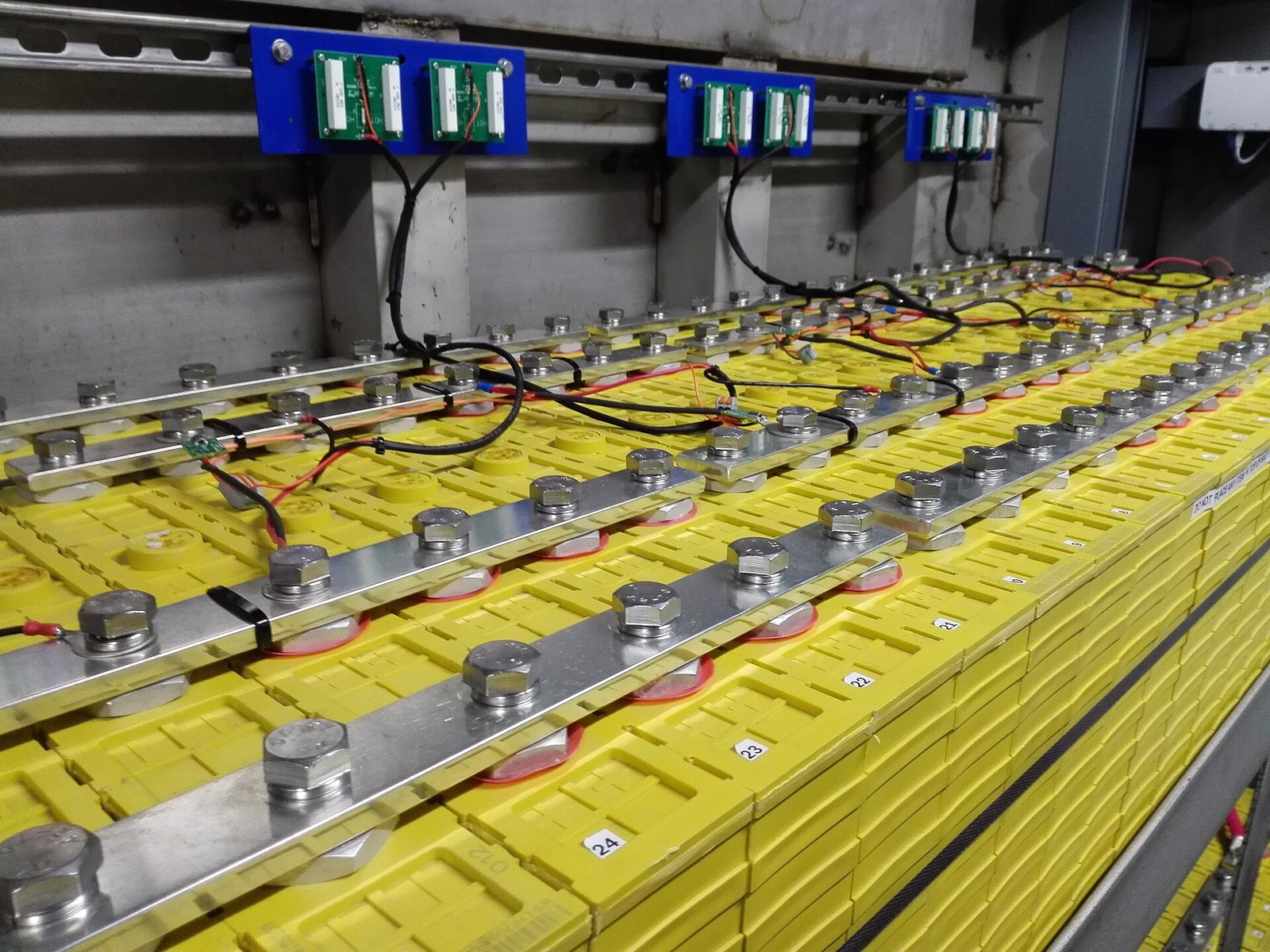
Wat het is
LFP gave up about a fifth of its energy density and in return removed nickel and cobalt from the bill entirely. Once pack engineering compensated for the weight, it took the majority of new cells worldwide.
De materiaalrekening
Schaal het op →Hoeveelheden zijn per 75 kWh packindicatieve bandbreedte
| Materiaal | Laag | Hoog | Eenheid | Grondslag |
|---|---|---|---|---|
| Graphite kritiek | 55.00 | 85.00 | kg | Anode active material |
| Iron Ore | 25.00 | 45.00 | kg | Iron in the cathode |
| Phosphate Rock kritiek | 25.00 | 45.00 | kg | As phosphate in the cathode |
| Copper kritiek | 15.00 | 25.00 | kg | Foil and busbars |
| Lithium kritiek About 0.09 kg Li per kWh. | 5.50 | 8.00 | kg contained lithium | Contained metal |
Indicative range compiled from published technology studies and chemistry; verify against a manufacturer specification before use. Rijen gemarkeerd als "spoor" bevatten het materiaal in hoeveelheden die te klein zijn om zinvol als massa te vermelden — de beperking is daar zuiverheid of het aantal leveranciers, niet tonnage.
De alternatieven
Substitutie is de meest onderschatte kracht in de materialenwereld. Wanneer een metaal duur of politiek lastig wordt, ontwerpen ingenieurs eromheen — en de vraag naar een hele mijn kan verdampen.
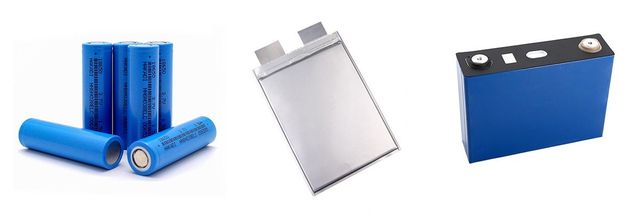
NMC Lithium-Ion Battery
The high-energy chemistry — nickel, manganese and cobalt in the cathode — used where range matters most.
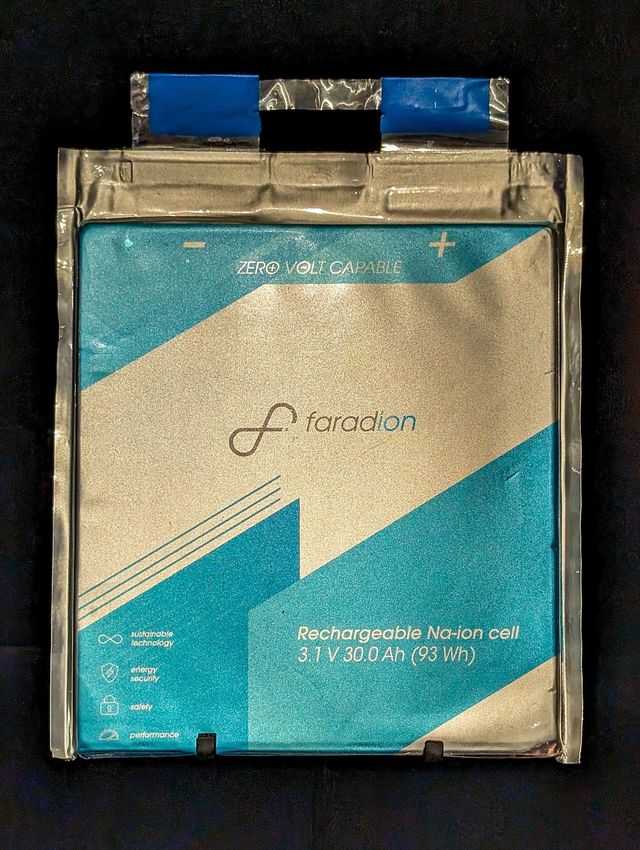
Sodium-Ion Battery
A cell that uses sodium — from ordinary salt — instead of lithium, at the cost of energy density.
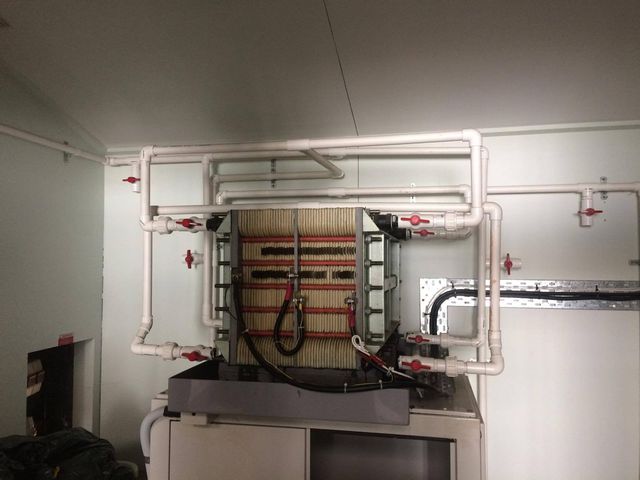
Vanadium Redox Flow Battery
A battery that stores its energy in two tanks of dissolved vanadium, so power and capacity scale separately.