Rock to product, traced
The Materials Atlas
Materials Mines & deposits Processing & refining Custody journeys Supply chains Companies Countries News
Materials by shelf Battery Materials Rare Earth Elements Copper & Electrical Semiconductor Materials Nuclear Materials Aerospace & Defence Precious Metals Steel & Alloy Metals Industrial Minerals Agricultural Minerals Energy Raw Materials Ore minerals Periodic table
Demand End markets Technologies Material calculator Maps Screener
Learn & tools LearnGlossary Ask the DataAI agents Research & dataAPI ★ Saved
About About usMethodology Data sourcesContact Disclaimer
Reading options
🧭 Guided View New to this — ore grades, concentrate, refining, by-products? We explain every term as you browse, in plain English. Same data, with the help built in.
⚡ Expert View You already know the industry. Just the data — clean, fast and compact, with no extra explanations. This is the default view.
Theme
Interface language
Depth Material pages are written at four levels. Pick one on any material page and it is remembered.
★ Saved Research & data
Lithium to Electric Vehicle

Supply chain

Lithium to Electric Vehicle

From a salt flat or a granite pegmatite to the pack under a car floor.

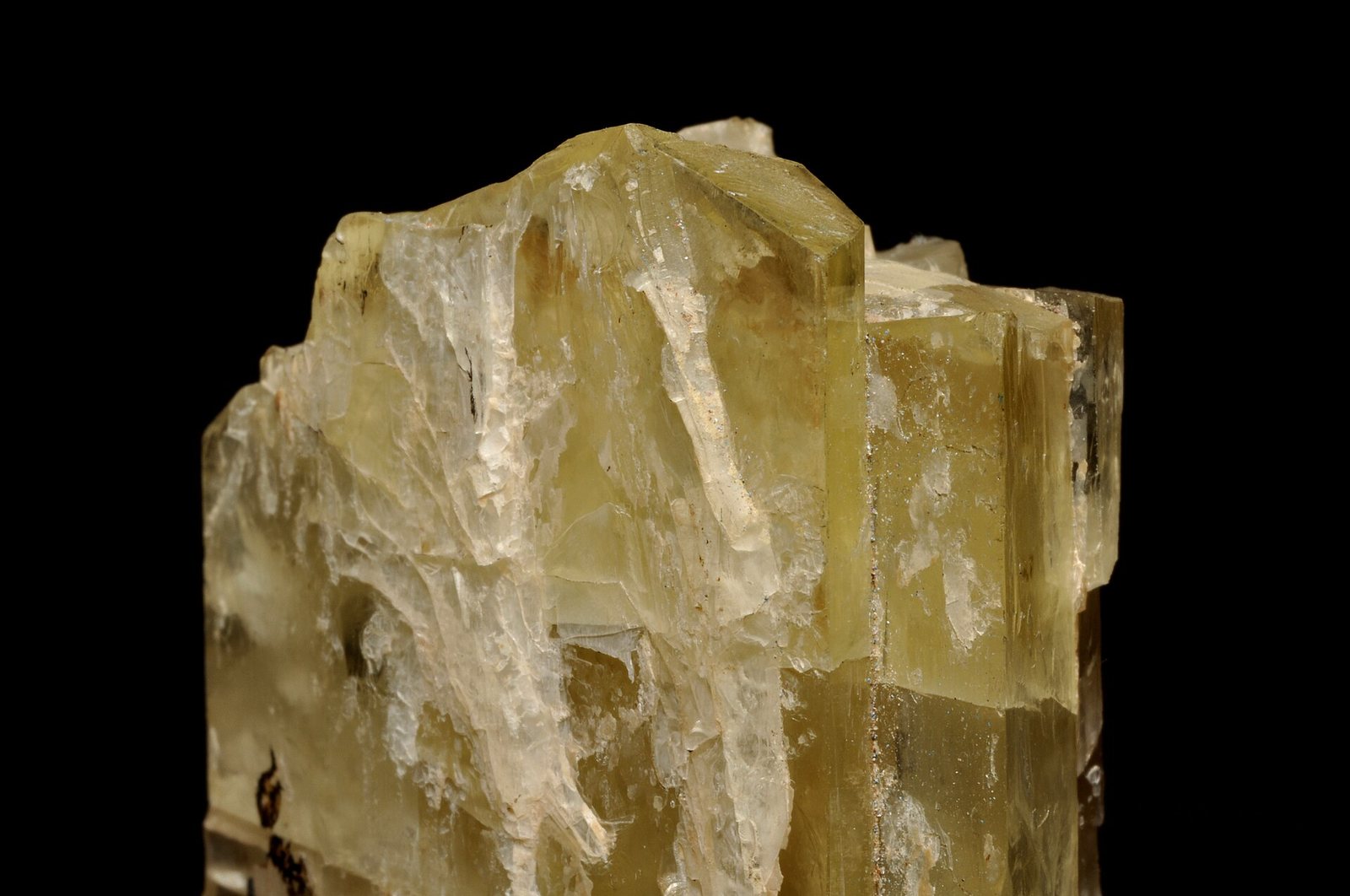
Spodumene 11 · Géry PARENT · Public domain · Wikimedia Commons

The short version

Lithium reaches a car by two completely different routes that converge at the chemical plant. Brine is pumped and evaporated for a year; hard rock is blasted, crushed and floated into concentrate. Both become carbonate or hydroxide, then cathode powder, then a cell, then a pack.

The narrowest link. The tightest link is not the mine. It is chemical conversion and cathode manufacture, which are heavily concentrated in one country.

Stage by stage

01Deposit

Salar brine or LCT pegmatite

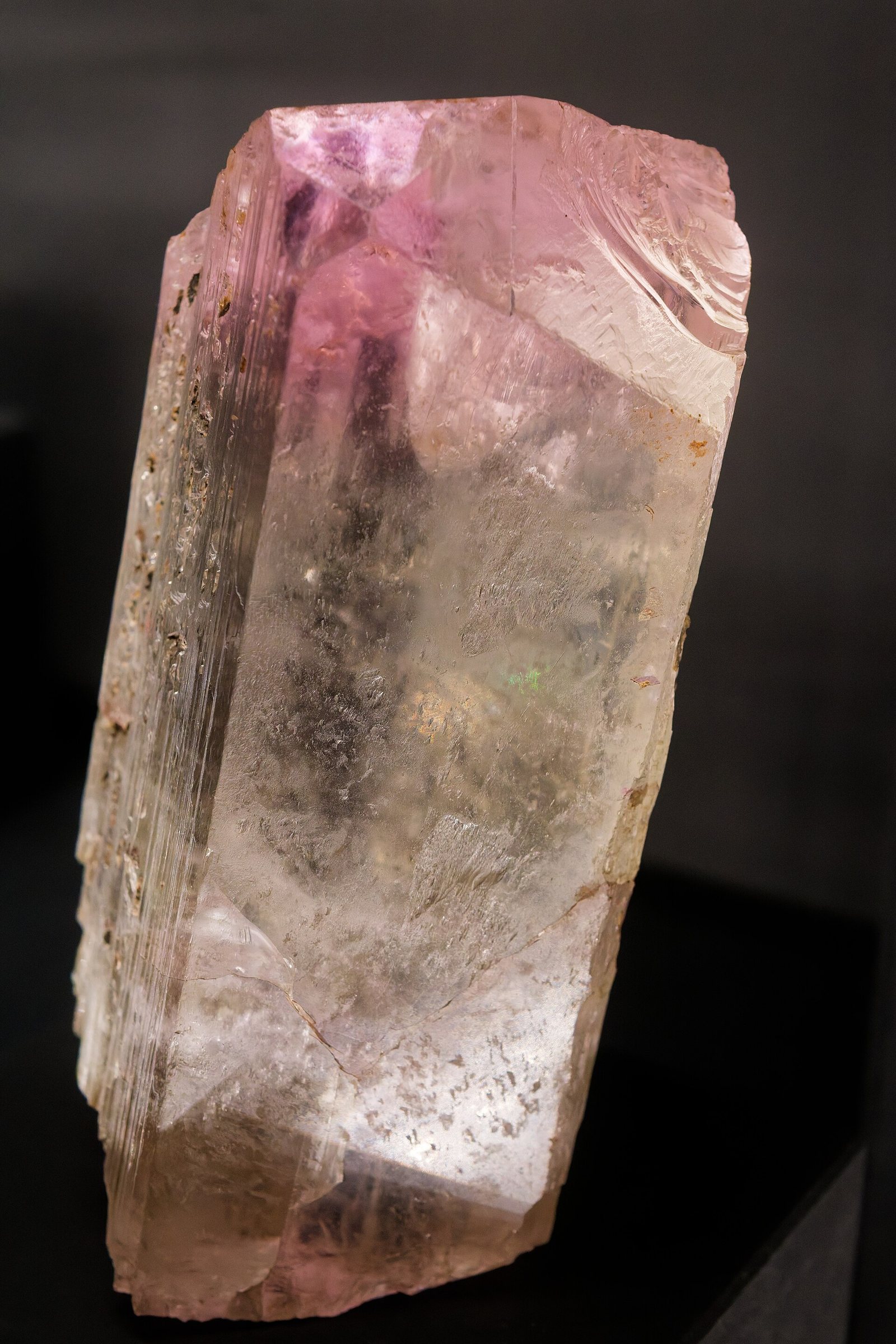
Lithium is concentrated either in ancient closed-basin brines beneath salt flats or in coarse granitic pegmatites where it sits in spodumene crystals.
Lithium →

Lithium
Spodumene Nuristan Créer le cristal · CC BY 4.0 via Wikimedia Commons
02Mine

Greenbushes or Salar de Atacama

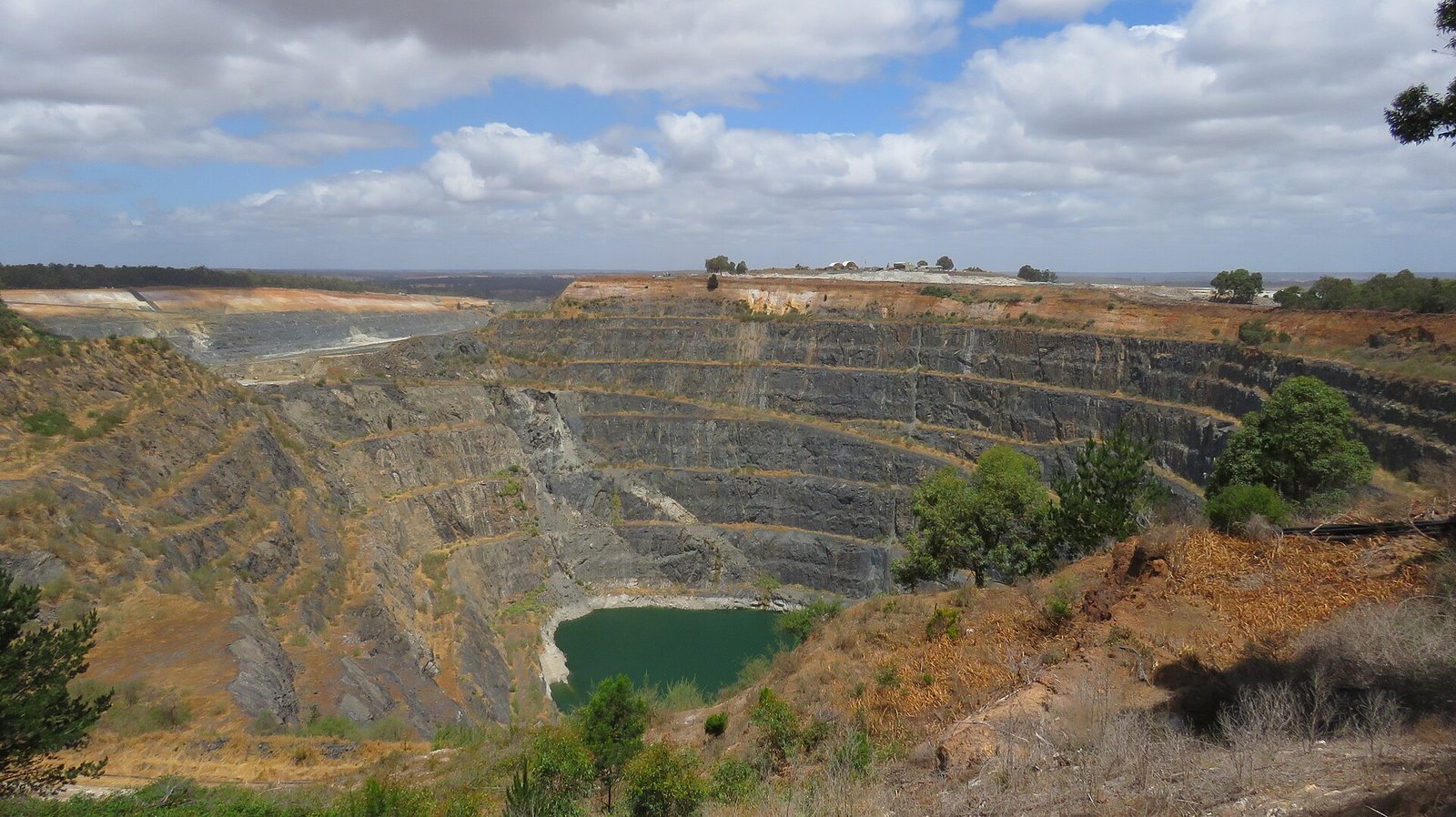
Hard rock is drilled, blasted and floated to a 6% Li2O concentrate. Brine is pumped into evaporation ponds and left to the sun for 12-24 months.

Note: Roughly 250 tonnes of hard-rock ore, or millions of litres of brine, per tonne of lithium metal equivalent.
Greenbushes →

Greenbushes
Open pit of the Greenbushes mine, January 2023 07 · CC BY-SA 4.0 via Wikimedia Commons
03Processing

Concentrate or concentrated brine

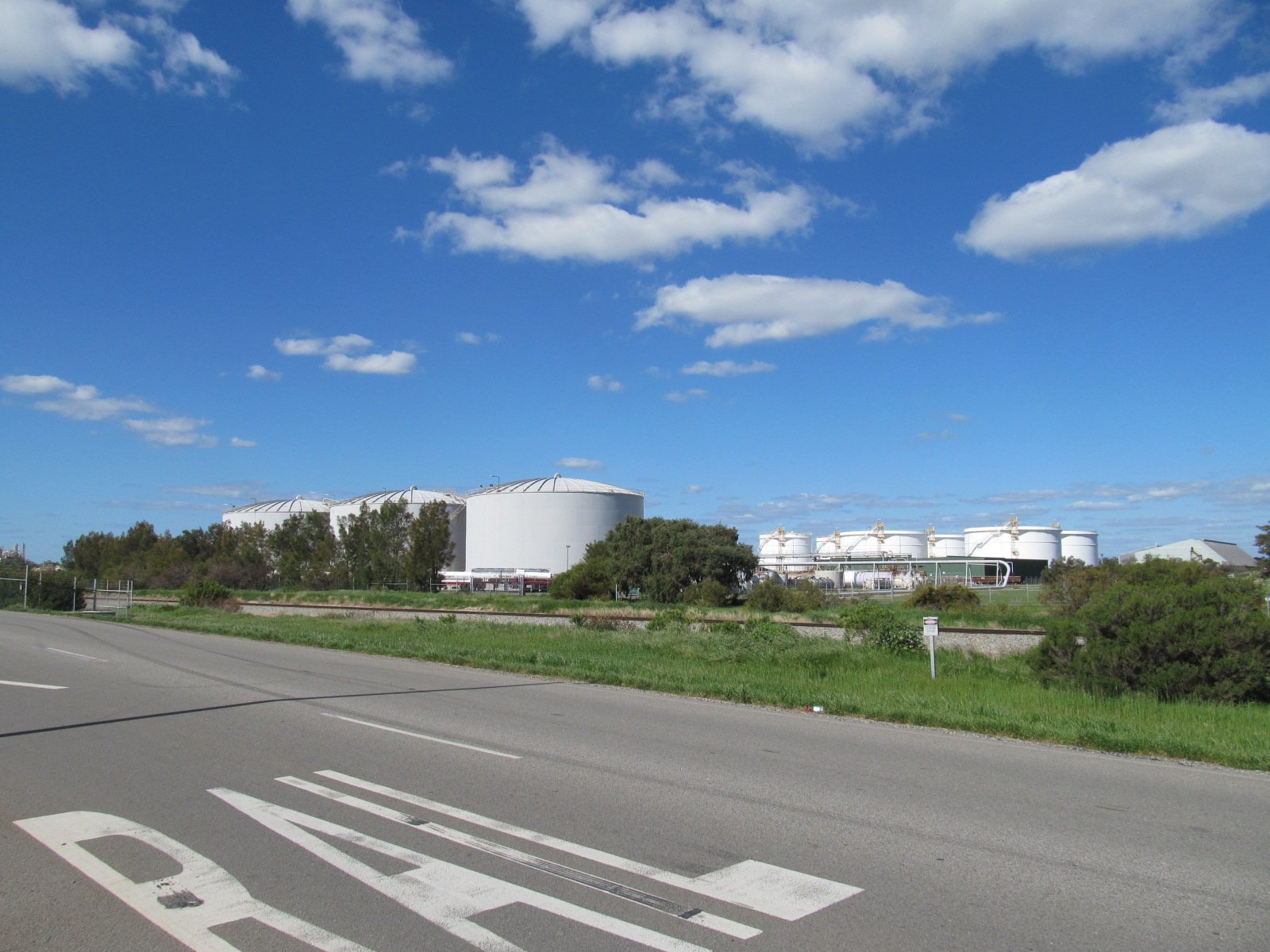
Spodumene is roasted at 1,000 C to change its crystal structure before acid can attack it. Brine is purified of magnesium and boron.
Kwinana Lithium Hydroxide Plant →

Kwinana Lithium Hydroxide Plant
Kwinana Beach Rd looking NE to Coogee · CC BY-SA 3.0 via Wikimedia Commons
04Refining

Lithium carbonate or hydroxide

Conversion to battery grade — 99.5% purity with tight limits on sodium, magnesium and iron.

Note: Hydroxide is preferred for high-nickel cathodes; carbonate for LFP.
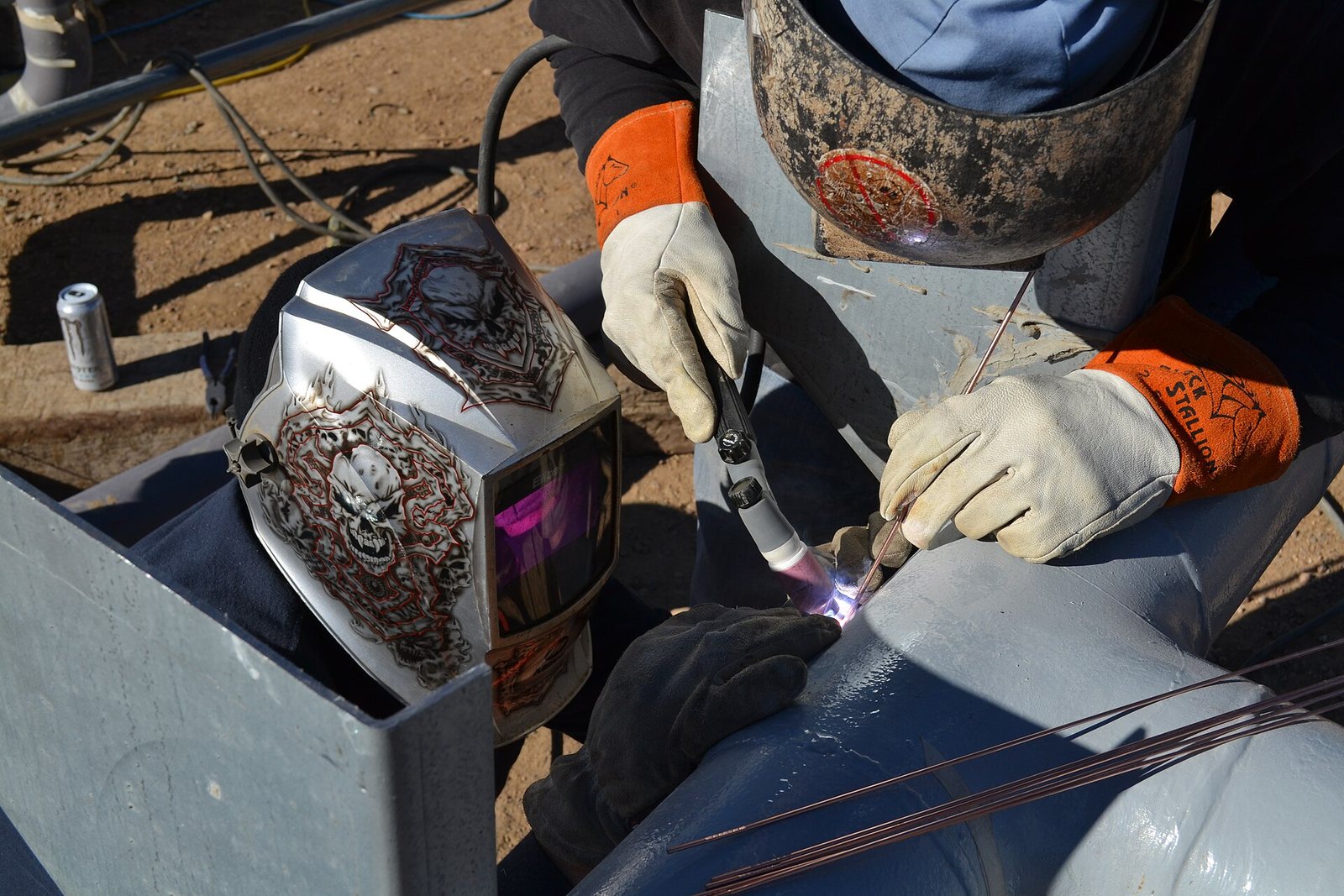
Qinghai & Sichuan Lithium Chemical Cluster →

Qinghai & Sichuan Lithium Chemical Cluster
Pueblo Chemical Agent-Destruction Pilot Plant… · CC BY 2.0 via Wikimedia Commons
05Component

Cathode active material

Lithium is combined with nickel-manganese-cobalt or with iron phosphate and calcined into a powder.
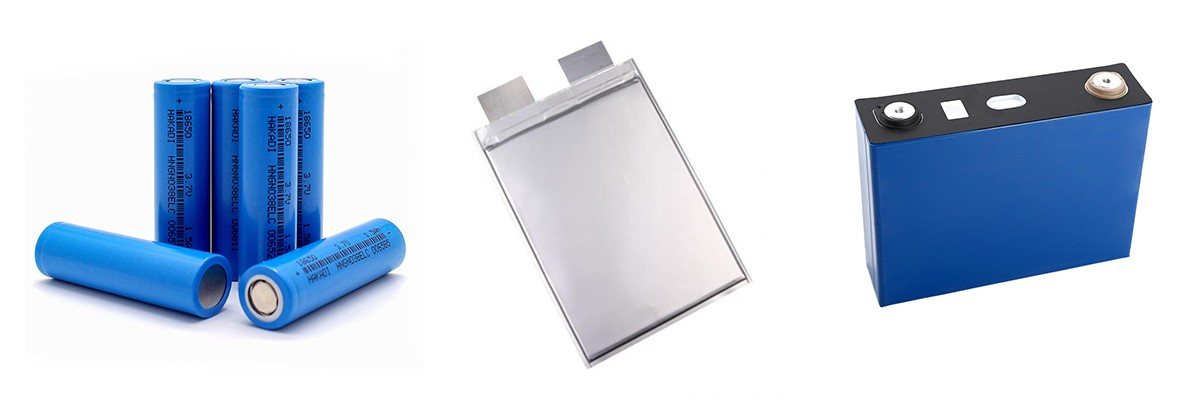
NMC Lithium-Ion Battery →

NMC Lithium-Ion Battery
Lithium Ion Battery Cell - Cylindrical Cell, … · CC BY-SA 4.0 via Wikimedia Commons
06Component

Cell and pack

Cathode and graphite anode are coated onto foil, wound or stacked, filled with electrolyte and sealed.
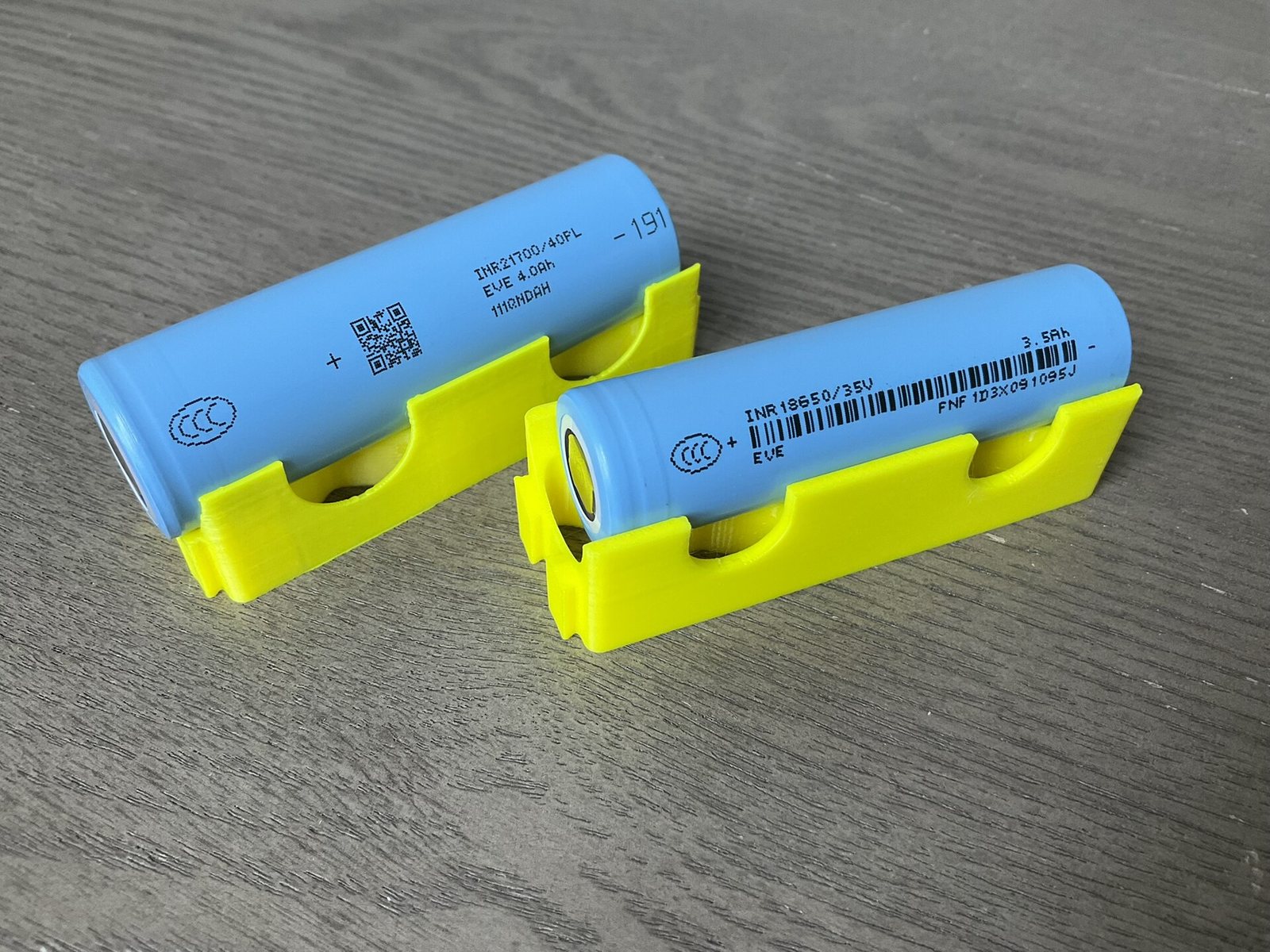
CATL Ningde Plants →

07End market

Electric vehicle

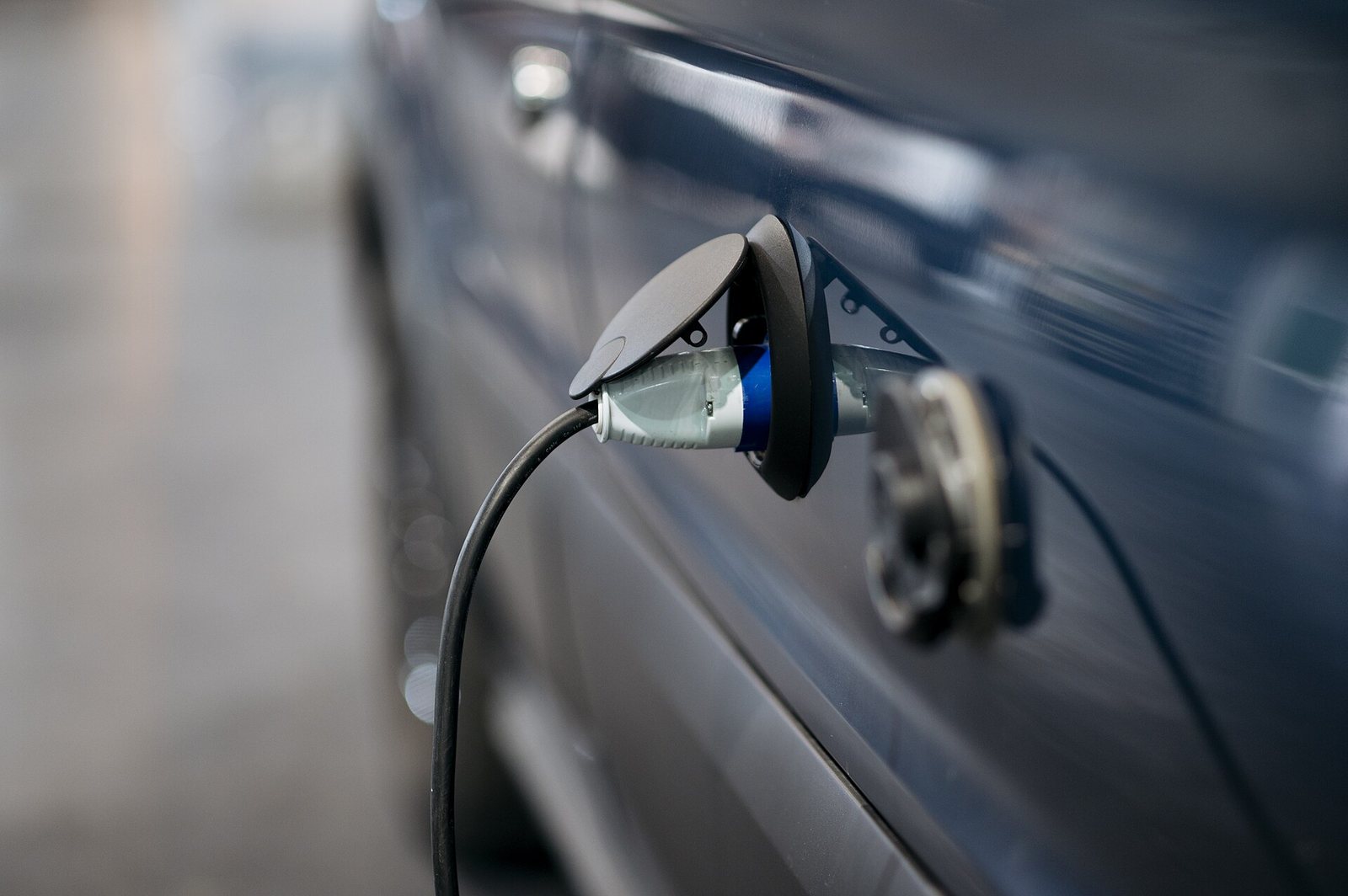
A 75 kWh pack contains roughly 6-9 kg of contained lithium.

Electric Vehicles →

Electric Vehicles
Electric car charging at a station during the… · CC BY 2.0 via Wikimedia Commons

Materials

All materials Critical minerals Rare earths Battery materials Ore minerals Periodic table Screener

The ground

Mines & deposits Processing & refining Countries Maps

The economy

Custody journeys Supply chains End markets Technologies Companies Material calculator

Learn

LearnGlossary Ask the DataAI agents Research & dataOpen API News★ Saved

About us

About usContact MethodologyData sources Editorial policy Privacy policyTerms of use Disclaimer