Rock to product, traced
Commodity Education
★
Commodity Education
Materials Mines & deposits Processing & refining Custody journeys Supply chains Companies Countries News
Materials by shelf Battery Materials Rare Earth Elements Copper & Electrical Semiconductor Materials Nuclear Materials Aerospace & Defence Precious Metals Steel & Alloy Metals Industrial Minerals Agricultural Minerals Energy Raw Materials Ore minerals Periodic table
Demand End markets Technologies Material calculator Maps Screener
Learn & tools LearnGlossary Courses Identify the Commodity Ask the DataAI agents Research & dataAPI ★ Saved
About About usMethodology Data sourcesContact Disclaimer
Reading options
Guided View New to ore grades, concentrate, refining and by-products? We explain every term as you browse, in plain English. Same data, with the help built in.
Expert View You already know the industry. Just the data: clean, fast and compact, with no extra explanations. This is the default view.
Theme
Interface language
Depth Material pages are written at four levels. Pick one on any material page and it is remembered.
★ Saved Research & data
Sawdust to power station

Supply chain

Sawdust to power station

How a disposal problem at a sawmill became an internationally shipped energy commodity, and why policy is the whole market.

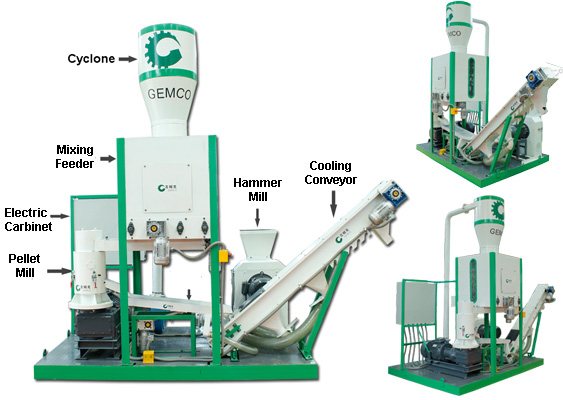
Small-biomass-pellet-plant · Agico Group · CC BY-SA 3.0 · Wikimedia Commons

The short version

Pellets exist because sawmills produce more residue than they can use and because renewable energy rules in Europe and Asia count biomass as low-carbon. Compressing sawdust raises its energy density enough to justify ocean freight.

The narrowest link. The demand side is regulatory, not physical. A change in how biomass is counted towards a renewable target can remove a national market, which is a risk no sawmill faces on its lumber.

Stage by stage

01Raw material

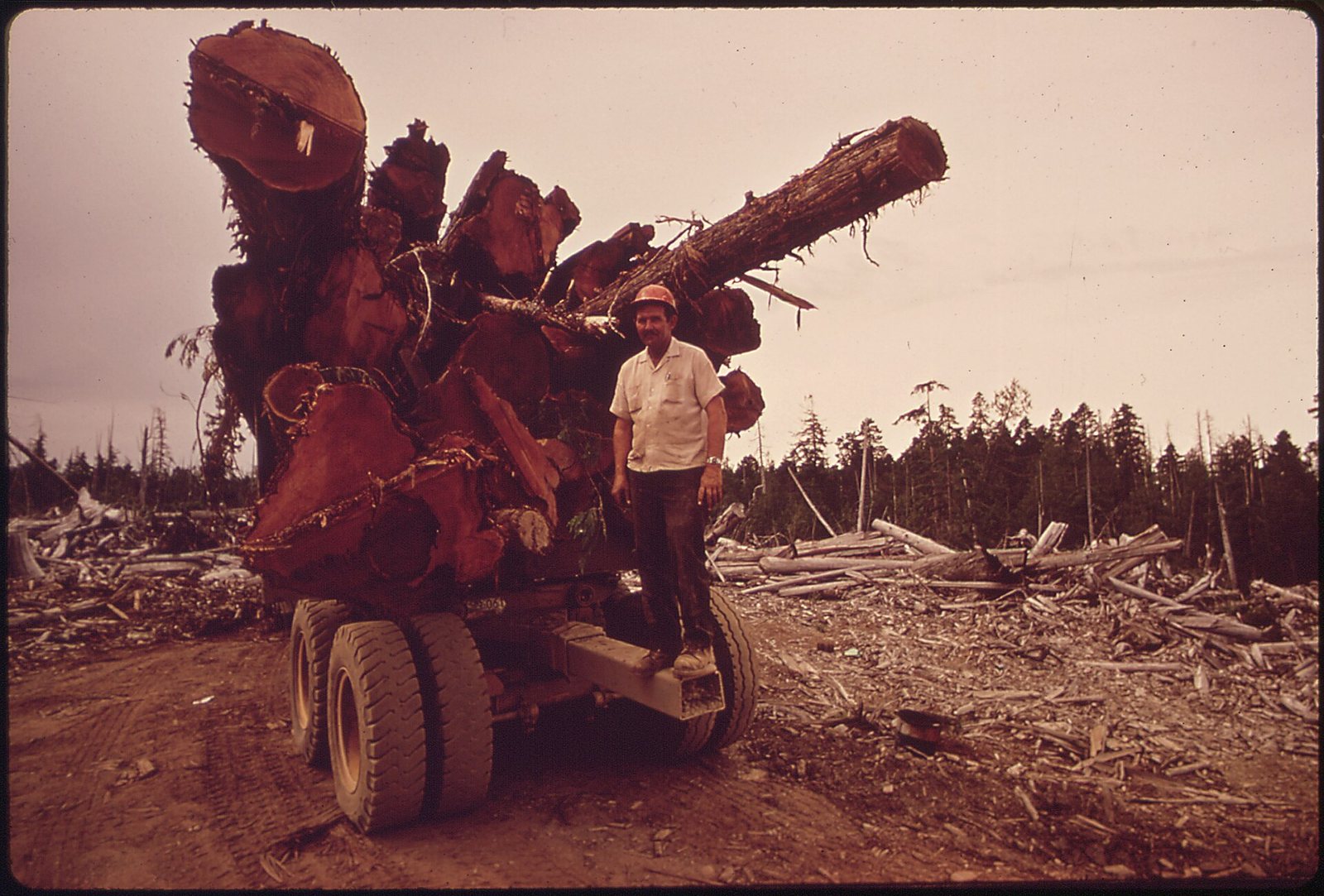
Mill residue

Sawdust, shavings and chips from the saw and planer lines, plus low-grade roundwood where residue alone is not enough.
Industrial Roundwood →

Industrial Roundwood
LOGGING TRUCK LOADED WITH CEDAR IN A CLEARCUT… · Public domain via Wikimedia Commons
02Processing

Drying

Residue arrives wet and must be dried before it will pellet. Drying is the largest energy cost in the plant and the main source of its own emissions.

Note: Moisture driven off as water vapour.
Wood Fuel →

Wood Fuel
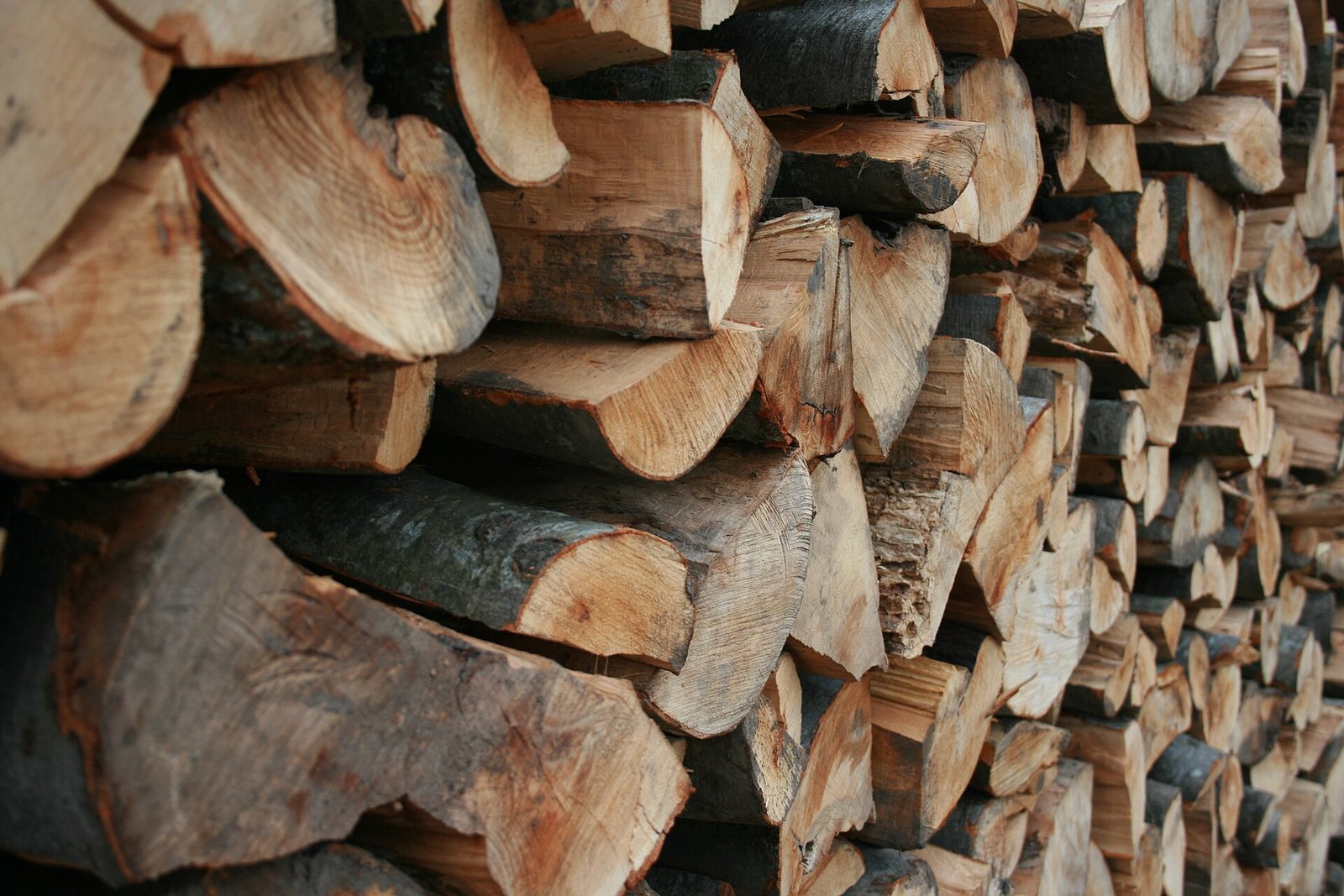
Firewood stacked up · CC BY 3.0 via Wikimedia Commons
03Refining

Pelletising

Forced through a die under pressure; the wood's own lignin softens and binds the pellet. Graded on diameter, durability, ash and chloride.
Wood Pellets →

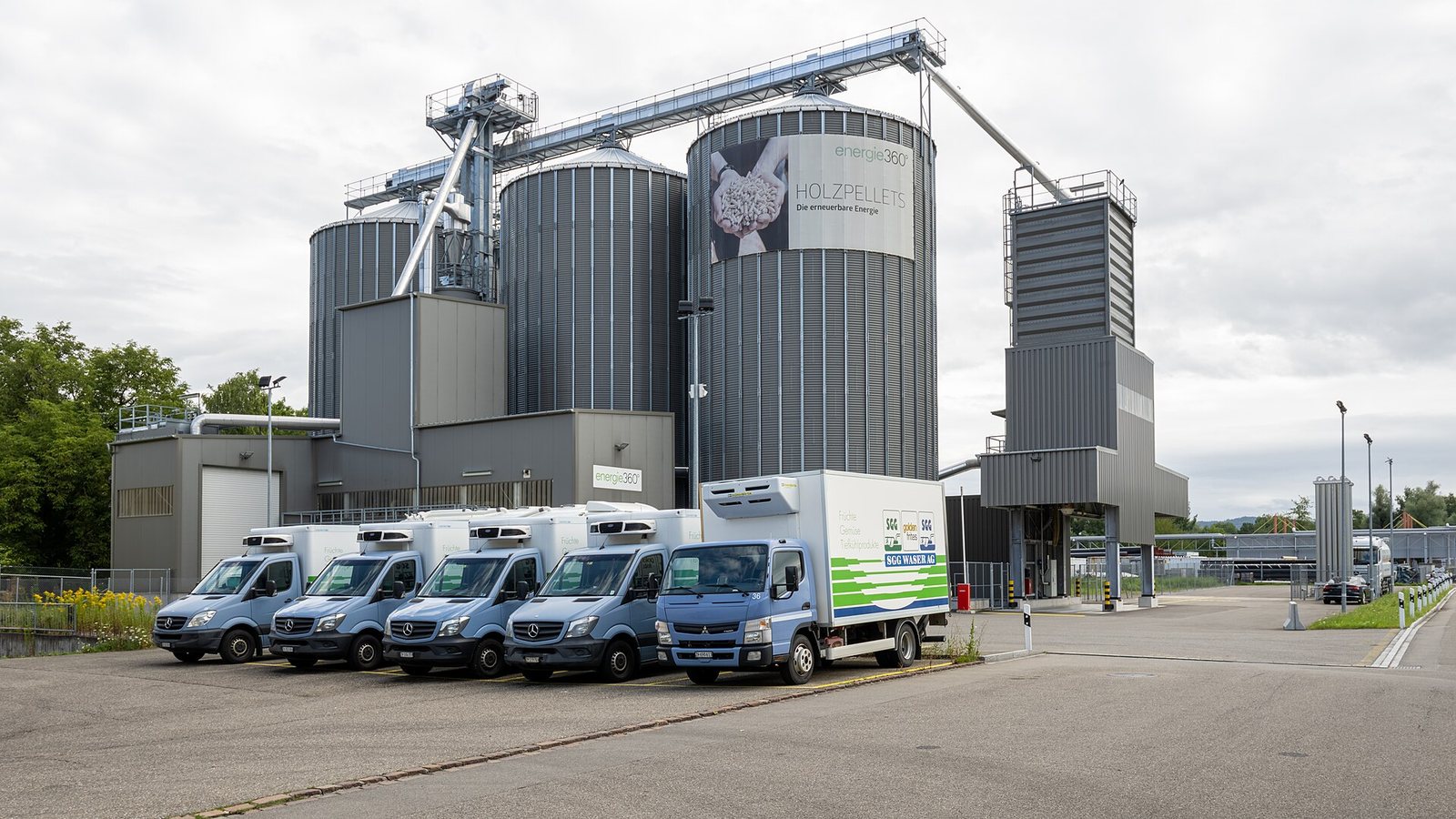
Bulk wood pellets in a storage facility
Holzpelletslager Schlieren der energie 360° A… · CC BY-SA 4.0 via Wikimedia Commons
04Product

Industrial pellets

Loaded in bulk at purpose-built port terminals and shipped, mostly from North America and the Baltic to Europe, Japan and South Korea.

Wood Pellets →

05End market

Bioenergy and heating

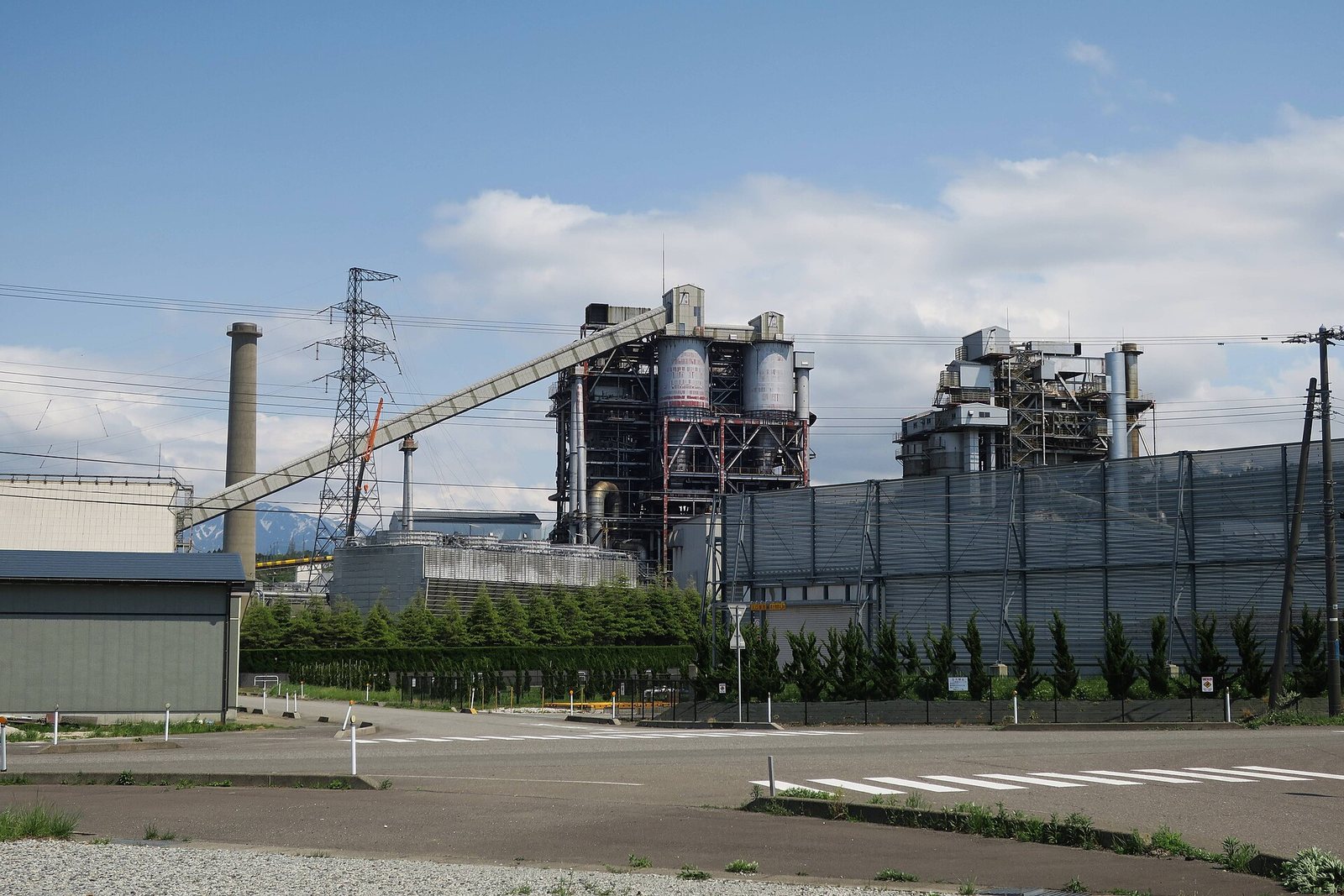
Burned in converted coal units and dedicated biomass plants under renewable obligations, and in domestic stoves at the premium end.
Bioenergy & Heating →

Bioenergy & Heating
Itoigawa Coal-fired Power Station and Itoigaw… · CC BY-SA 4.0 via Wikimedia Commons

Materials

All materials Critical minerals Rare earths Battery materials Ore minerals Periodic table Screener

The ground

Mines & deposits Processing & refining Countries Maps

The economy

Custody journeys Supply chains End markets Technologies Companies Material calculator

Learn

LearnGlossary Ask the DataAI agents Research & dataOpen API News★ Saved

About us

About usContact MethodologyData sources Editorial policy Privacy policyTerms of use Disclaimer