Từ quặng đến sản phẩm, có truy xuất nguồn gốc
Commodity Education
★
Commodity Education
Vật liệu Mỏ & mỏ quặng Chế biến & tinh luyện Các hành trình quyền sở hữu Các chuỗi cung ứng Công ty Quốc gia Tin tức
Vật liệu theo kệ Vật liệu pin Nguyên tố đất hiếm Đồng & Điện Vật liệu bán dẫn Vật liệu hạt nhân Hàng không vũ trụ & Quốc phòng Kim loại quý Thép & Kim loại hợp kim Khoáng vật công nghiệp Khoáng sản nông nghiệp Nguyên liệu thô năng lượng Các khoáng vật quặng Bảng tuần hoàn
Nhu cầu Các thị trường đầu ra Công nghệ Máy tính vật liệu Bản đồ Bộ lọc
Tìm hiểu & công cụ Tìm hiểuBảng thuật ngữ Courses Identify the Commodity Hỏi dữ liệuTác nhân AI Nghiên cứu & dữ liệuAPI ★ Đã lưu
Giới thiệu Về chúng tôiPhương pháp luận Nguồn dữ liệuLiên hệ Tuyên bố miễn trách nhiệm
Tùy chọn đọc
Chế độ xem có hướng dẫn Chưa quen với hàm lượng quặng, tinh quặng, tinh luyện và sản phẩm phụ? Chúng tôi giải thích từng thuật ngữ ngay khi bạn duyệt, bằng ngôn ngữ dễ hiểu. Cùng một dữ liệu, kèm theo phần hỗ trợ tích hợp sẵn.
Chế độ xem chuyên gia Bạn đã quen với ngành. Chỉ có dữ liệu: rõ ràng, nhanh và súc tích, không có giải thích thêm. Đây là chế độ xem mặc định.
Chủ đề
Ngôn ngữ giao diện
Độ sâu Các trang vật liệu được biên soạn ở bốn cấp độ. Chọn một cấp độ trên bất kỳ trang vật liệu nào và lựa chọn đó sẽ được ghi nhớ.
★ Đã lưu Nghiên cứu & dữ liệu
Sawdust to power station

Chuỗi cung ứng

Sawdust to power station

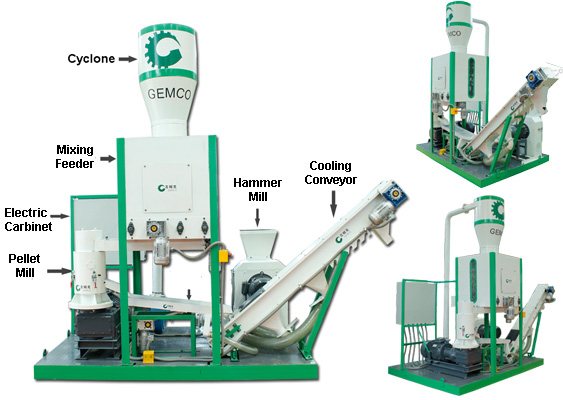
How a disposal problem at a sawmill became an internationally shipped energy commodity, and why policy is the whole market.

Small-biomass-pellet-plant · Agico Group · CC BY-SA 3.0 · Wikimedia Commons

Phiên bản rút gọn

Pellets exist because sawmills produce more residue than they can use and because renewable energy rules in Europe and Asia count biomass as low-carbon. Compressing sawdust raises its energy density enough to justify ocean freight.

Mắt xích hẹp nhất. The demand side is regulatory, not physical. A change in how biomass is counted towards a renewable target can remove a national market, which is a risk no sawmill faces on its lumber.

Từng giai đoạn một

01Raw material

Mill residue

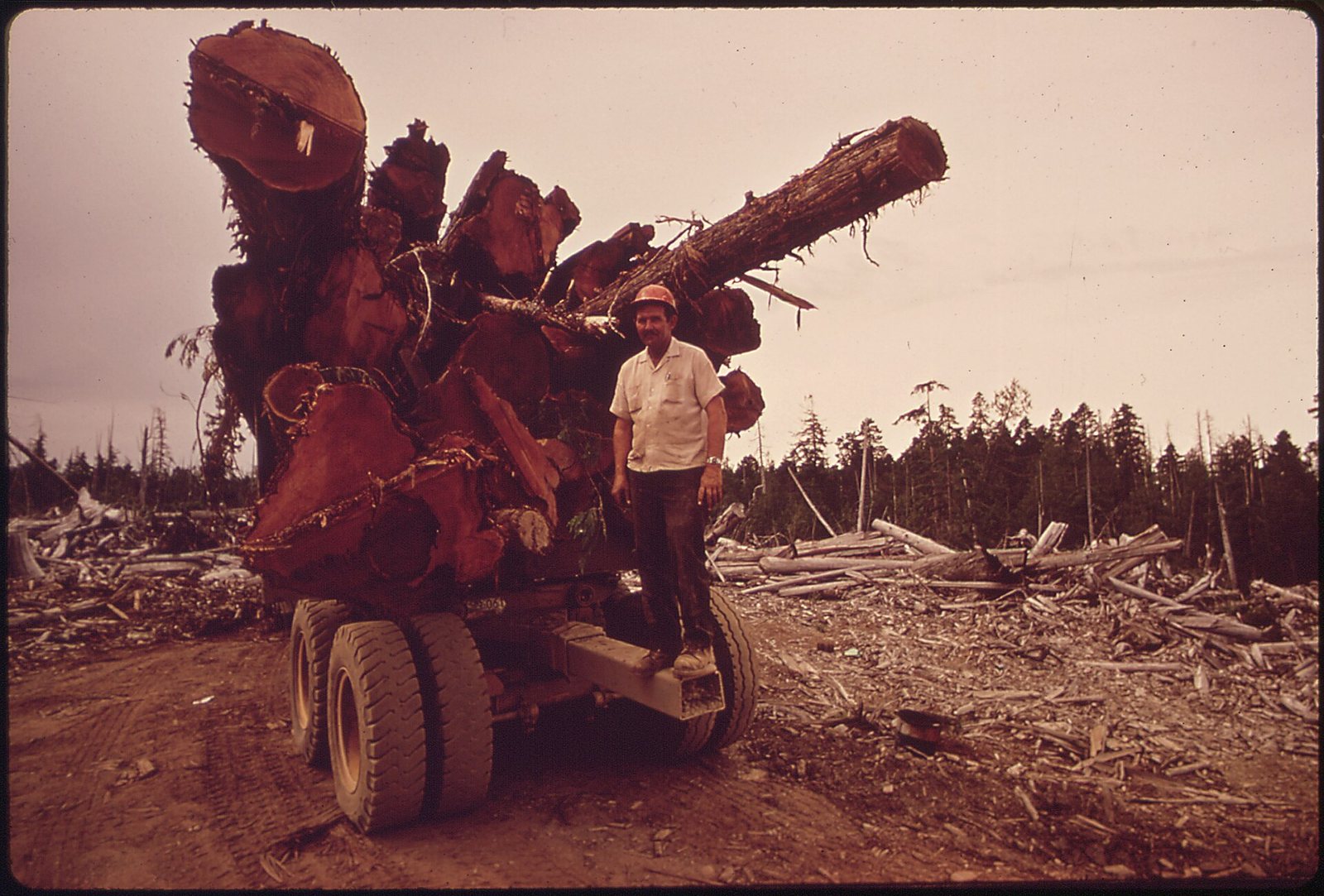
Sawdust, shavings and chips from the saw and planer lines, plus low-grade roundwood where residue alone is not enough.
Industrial Roundwood →

Industrial Roundwood
LOGGING TRUCK LOADED WITH CEDAR IN A CLEARCUT… · Public domain via Wikimedia Commons
02Processing

Drying

Residue arrives wet and must be dried before it will pellet. Drying is the largest energy cost in the plant and the main source of its own emissions.

Lưu ý: Moisture driven off as water vapour.
Wood Fuel →

Wood Fuel
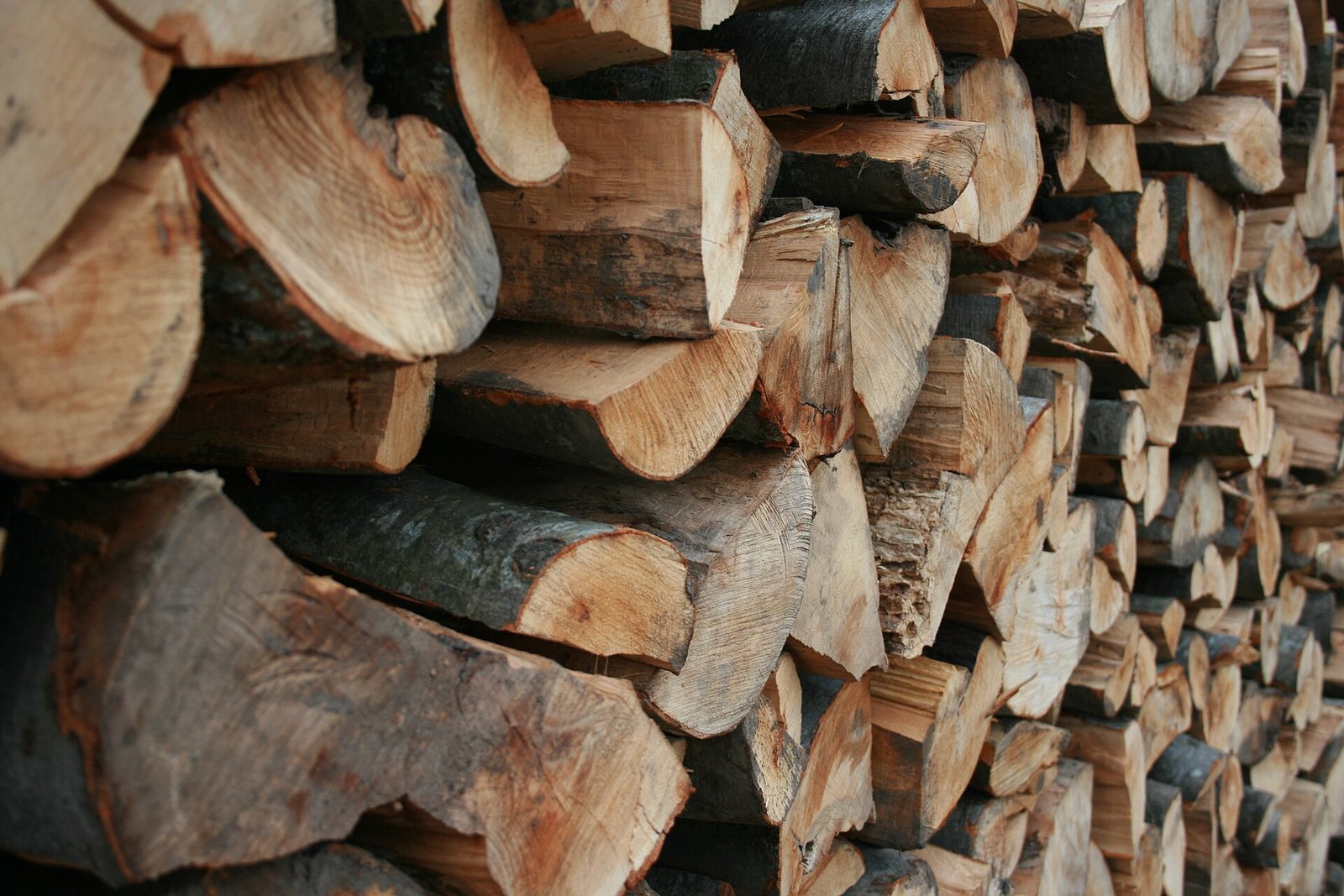
Firewood stacked up · CC BY 3.0 via Wikimedia Commons
03Refining

Pelletising

Forced through a die under pressure; the wood's own lignin softens and binds the pellet. Graded on diameter, durability, ash and chloride.
Wood Pellets →

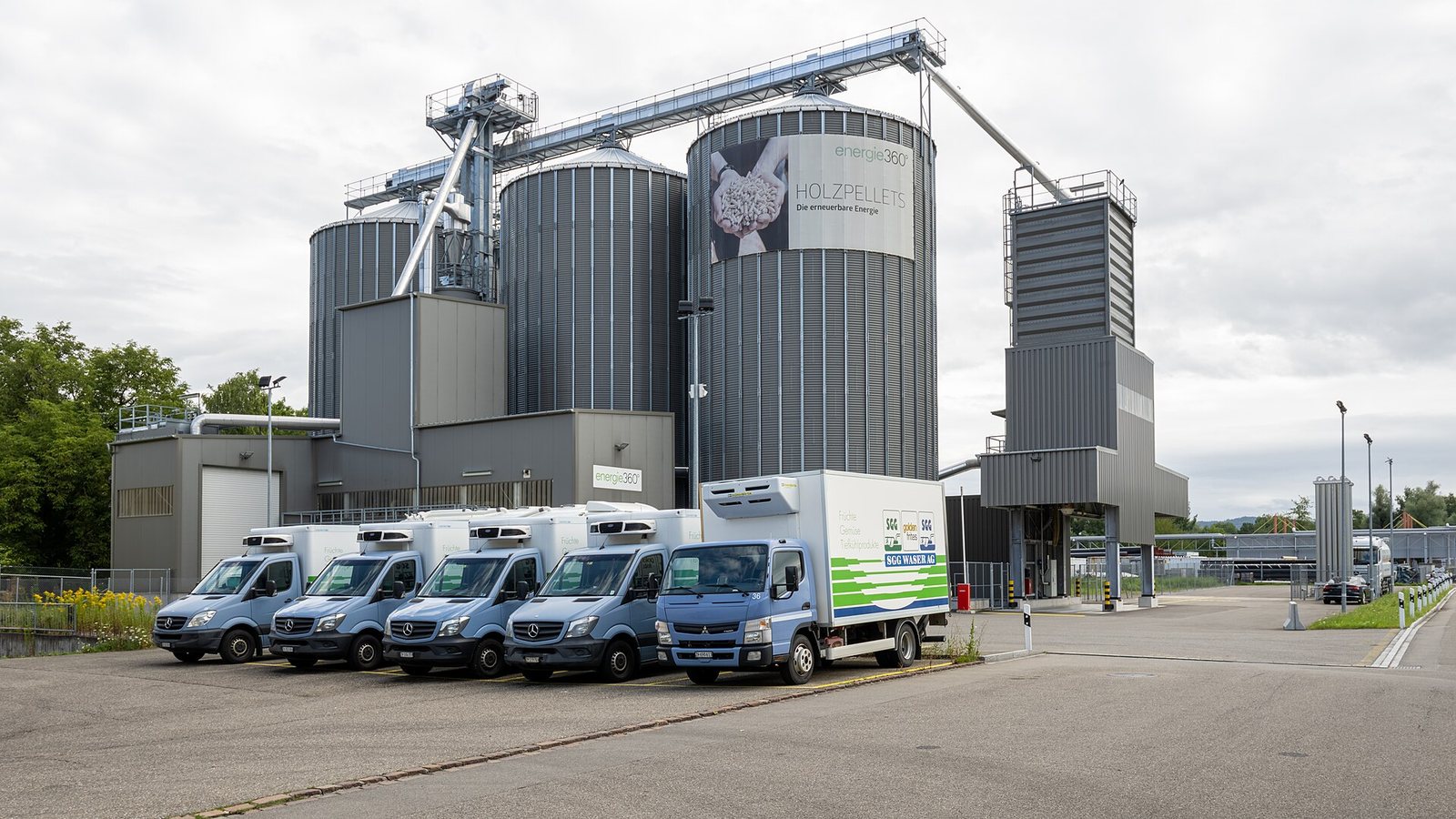
Bulk wood pellets in a storage facility
Holzpelletslager Schlieren der energie 360° A… · CC BY-SA 4.0 via Wikimedia Commons
04Product

Industrial pellets

Loaded in bulk at purpose-built port terminals and shipped, mostly from North America and the Baltic to Europe, Japan and South Korea.

Wood Pellets →

05End market

Bioenergy and heating

Burned in converted coal units and dedicated biomass plants under renewable obligations, and in domestic stoves at the premium end.
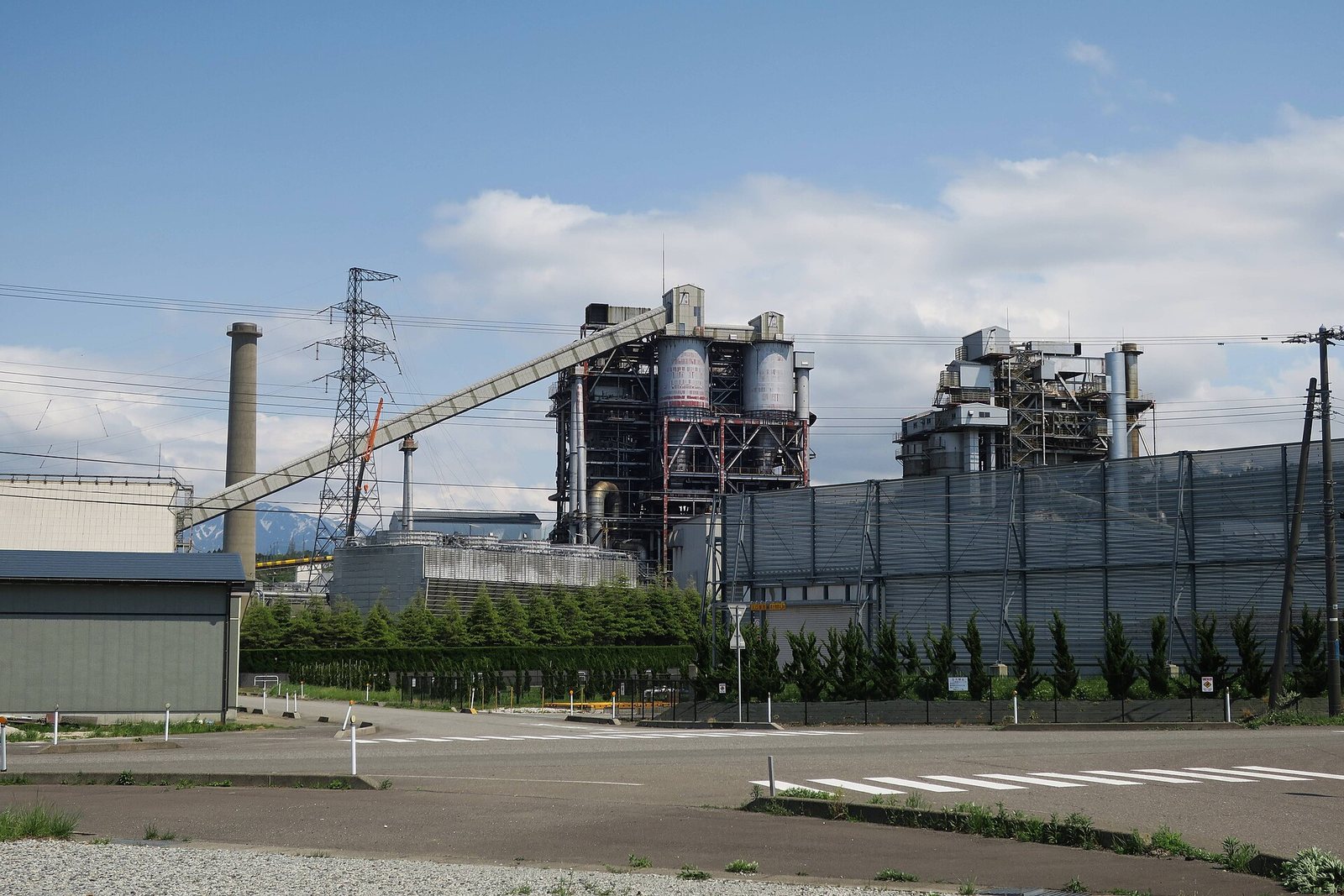
Bioenergy & Heating →

Bioenergy & Heating
Itoigawa Coal-fired Power Station and Itoigaw… · CC BY-SA 4.0 via Wikimedia Commons

Vật liệu

Tất cả vật liệu Khoáng sản thiết yếu Đất hiếm Vật liệu pin Các khoáng vật quặng Bảng tuần hoàn Bộ lọc

Lòng đất

Mỏ & mỏ quặng Chế biến & tinh luyện Quốc gia Bản đồ

Nền kinh tế

Các hành trình quyền sở hữu Các chuỗi cung ứng Các thị trường đầu ra Công nghệ Công ty Máy tính vật liệu

Tìm hiểu

Tìm hiểuBảng thuật ngữ Hỏi dữ liệuTác nhân AI Nghiên cứu & dữ liệuAPI mở Tin tức★ Đã lưu

Về chúng tôi

Về chúng tôiLiên hệ Phương pháp luậnNguồn dữ liệu Chính sách biên tập Chính sách bảo mậtĐiều khoản sử dụng Tuyên bố miễn trách nhiệm