Rock to product, traced
The Materials Atlas
Materials Mines & deposits Processing & refining Custody journeys Supply chains Companies Countries News
Materials by shelf Battery Materials Rare Earth Elements Copper & Electrical Semiconductor Materials Nuclear Materials Aerospace & Defence Precious Metals Steel & Alloy Metals Industrial Minerals Agricultural Minerals Energy Raw Materials Ore minerals Periodic table
Demand End markets Technologies Material calculator Maps Screener
Learn & tools LearnGlossary Ask the DataAI agents Research & dataAPI ★ Saved
About About usMethodology Data sourcesContact Disclaimer
Reading options
🧭 Guided View New to this — ore grades, concentrate, refining, by-products? We explain every term as you browse, in plain English. Same data, with the help built in.
⚡ Expert View You already know the industry. Just the data — clean, fast and compact, with no extra explanations. This is the default view.
Theme
Interface language
Depth Material pages are written at four levels. Pick one on any material page and it is remembered.
★ Saved Research & data
Sand to Semiconductor

Supply chain

Sand to Semiconductor

Ordinary quartz to a crystal so pure that one stray atom in a billion is a defect.

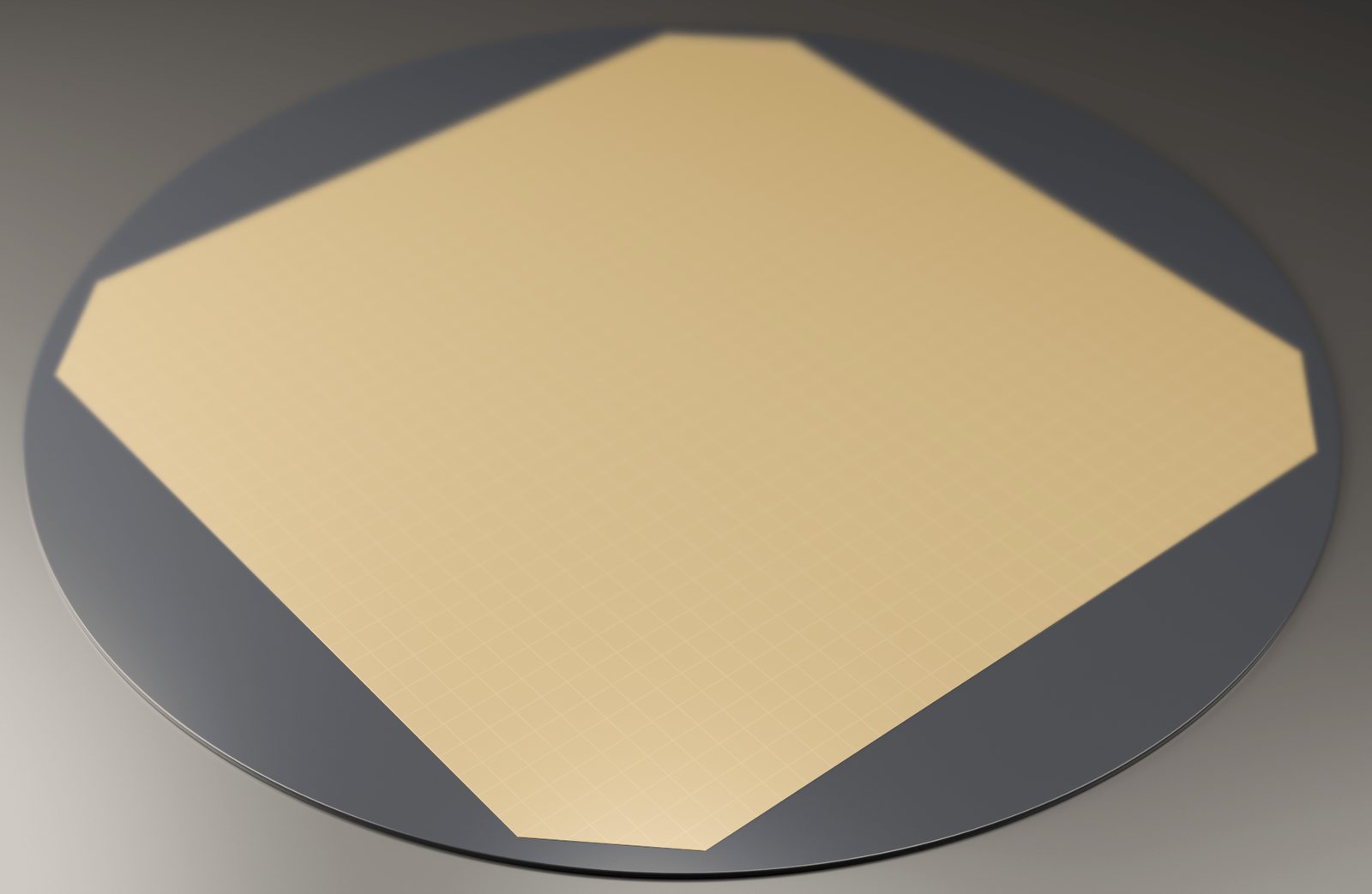
Wafer-scale integrated circuit.png · Wikideas1 · CC0 · Wikimedia Commons

The short version

No other chain multiplies value like this one. Quartz worth tens of dollars a tonne becomes polysilicon worth tens of dollars a kilogram, then a wafer, then a chip whose value per gram exceeds almost anything else manufactured.

The narrowest link. The chokepoints are purity and equipment: polysilicon, ultra-pure crucible quartz, and the single supplier of EUV lithography machines.

Stage by stage

01Deposit

Quartz and quartzite

Silicon dioxide is the most common compound in the crust, but deposits pure enough for crucibles are rare and closely held.
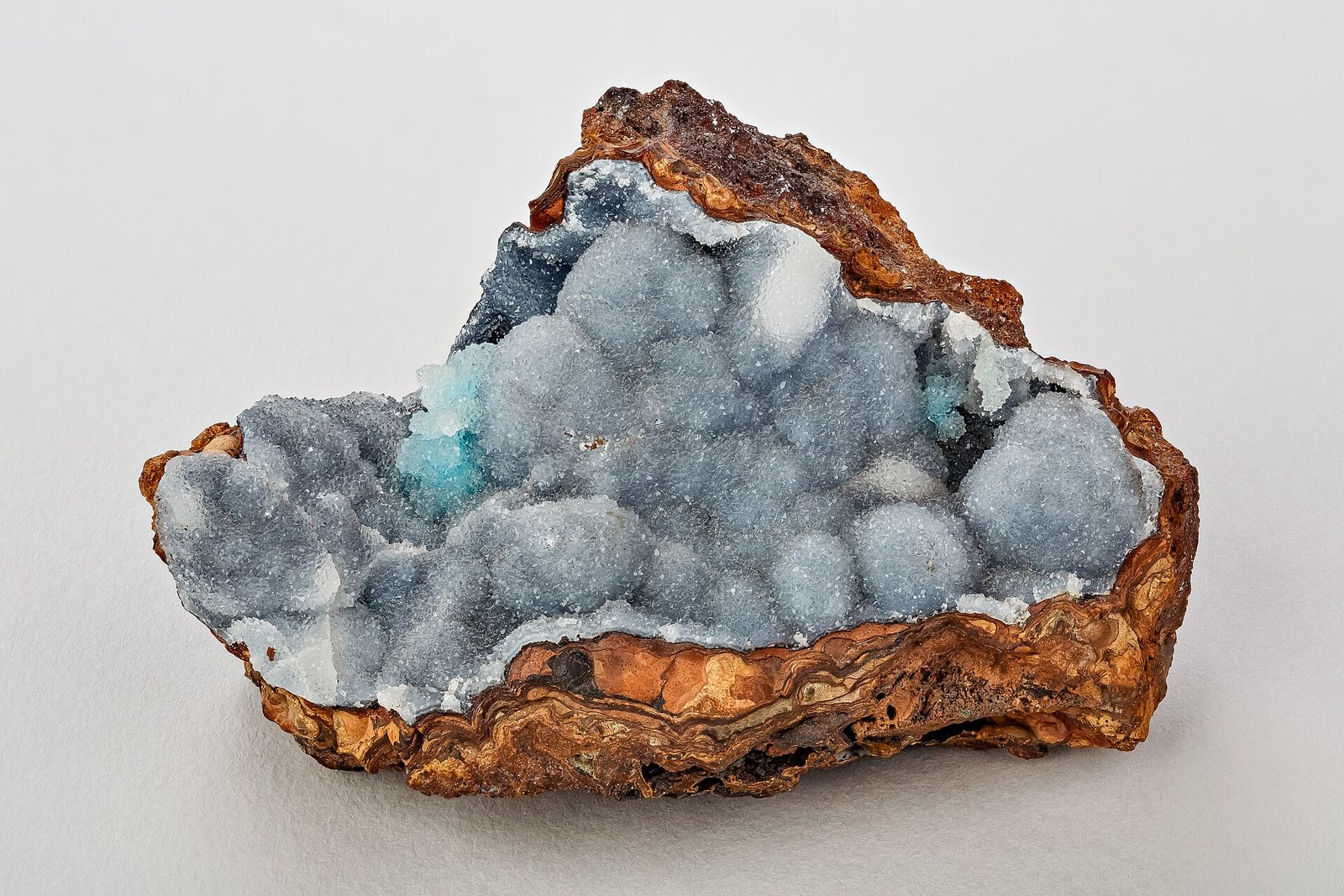
High-Purity Quartz →

High-Purity Quartz
Geode-with-encrustation-of-quartz-crystals-on… · CC BY-SA 4.0 via Wikimedia Commons
02Processing

Carbothermic reduction

Quartz and carbon are heated in an arc furnace to about 2,000 C, producing metallurgical-grade silicon at roughly 99%.
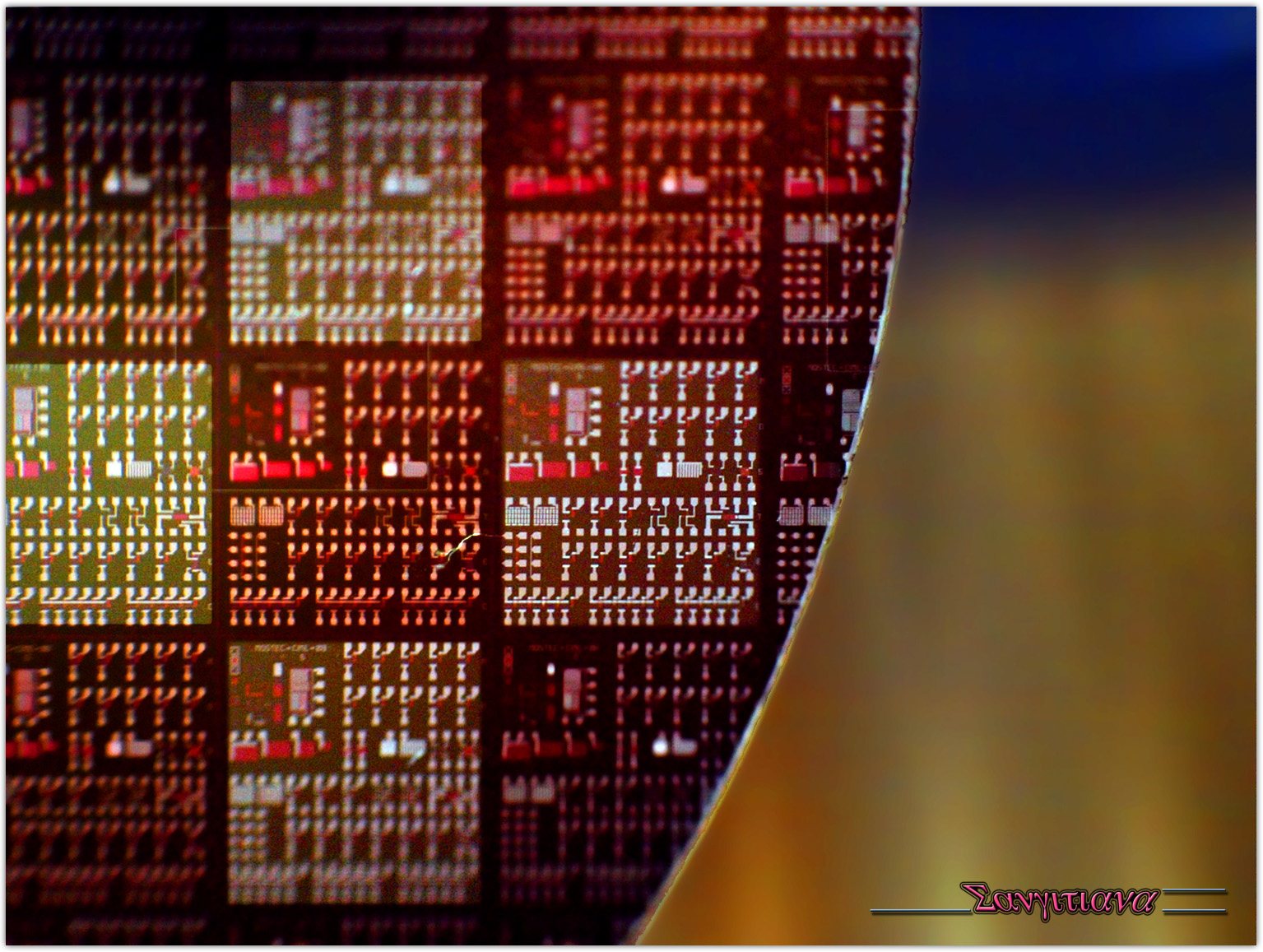
Silicon →

Silicon
Wafer 20110212 · CC BY-SA 2.0 via Wikimedia Commons
03Refining

Polysilicon

The Siemens process converts silicon to trichlorosilane, distils it and redeposits it — reaching eleven nines for semiconductors.

Note: This step is essentially electricity turned into purity.
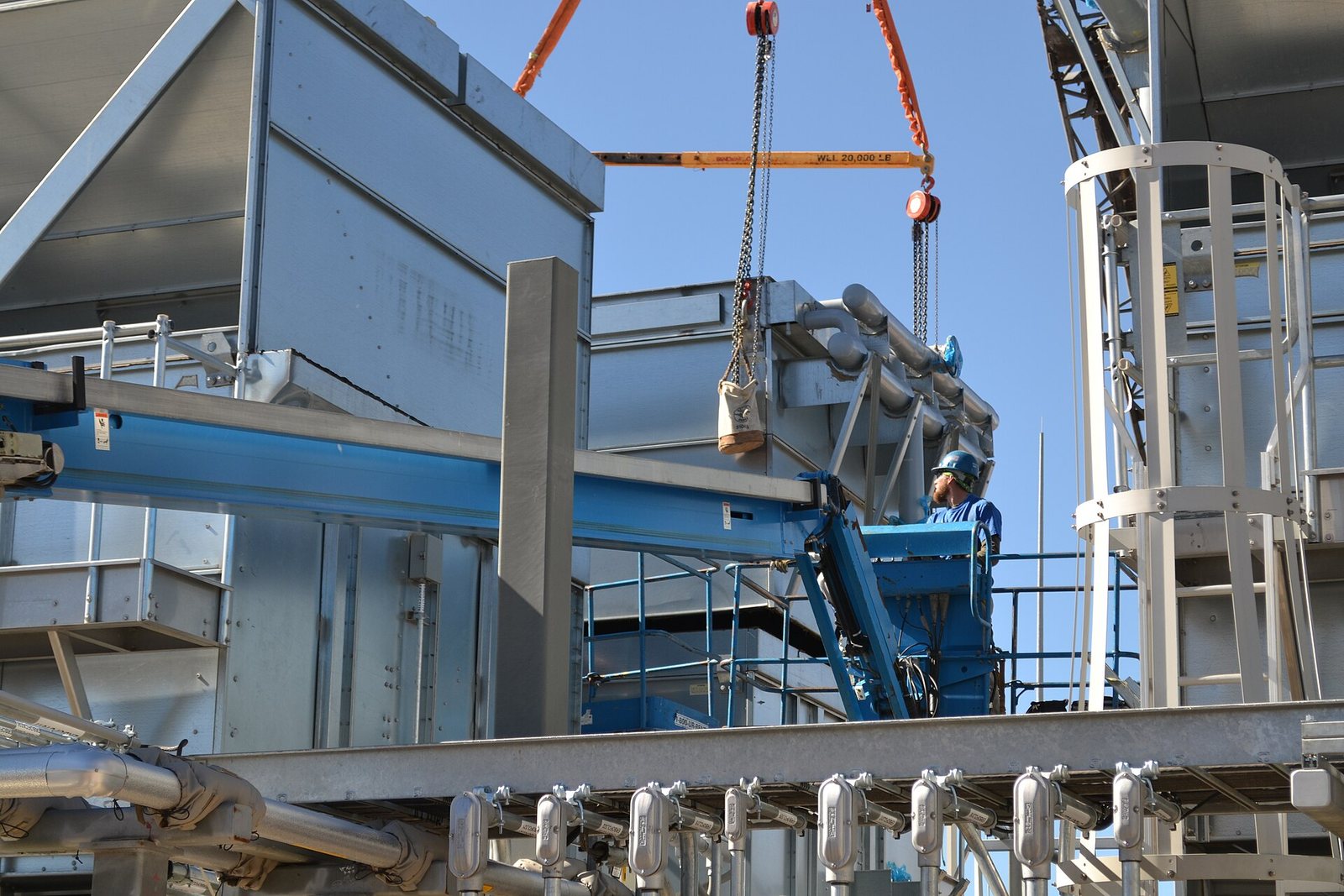
Hemlock Semiconductor Polysilicon Plant →

Hemlock Semiconductor Polysilicon Plant
Pueblo Chemical Agent-Destruction Pilot Plant… · CC BY 2.0 via Wikimedia Commons
04Component

Monocrystalline ingot and wafer

A seed crystal is pulled slowly from a melt held in a high-purity quartz crucible, then sliced and polished.

Note: The crucible is consumed each time — which is what makes crucible-grade quartz strategic.
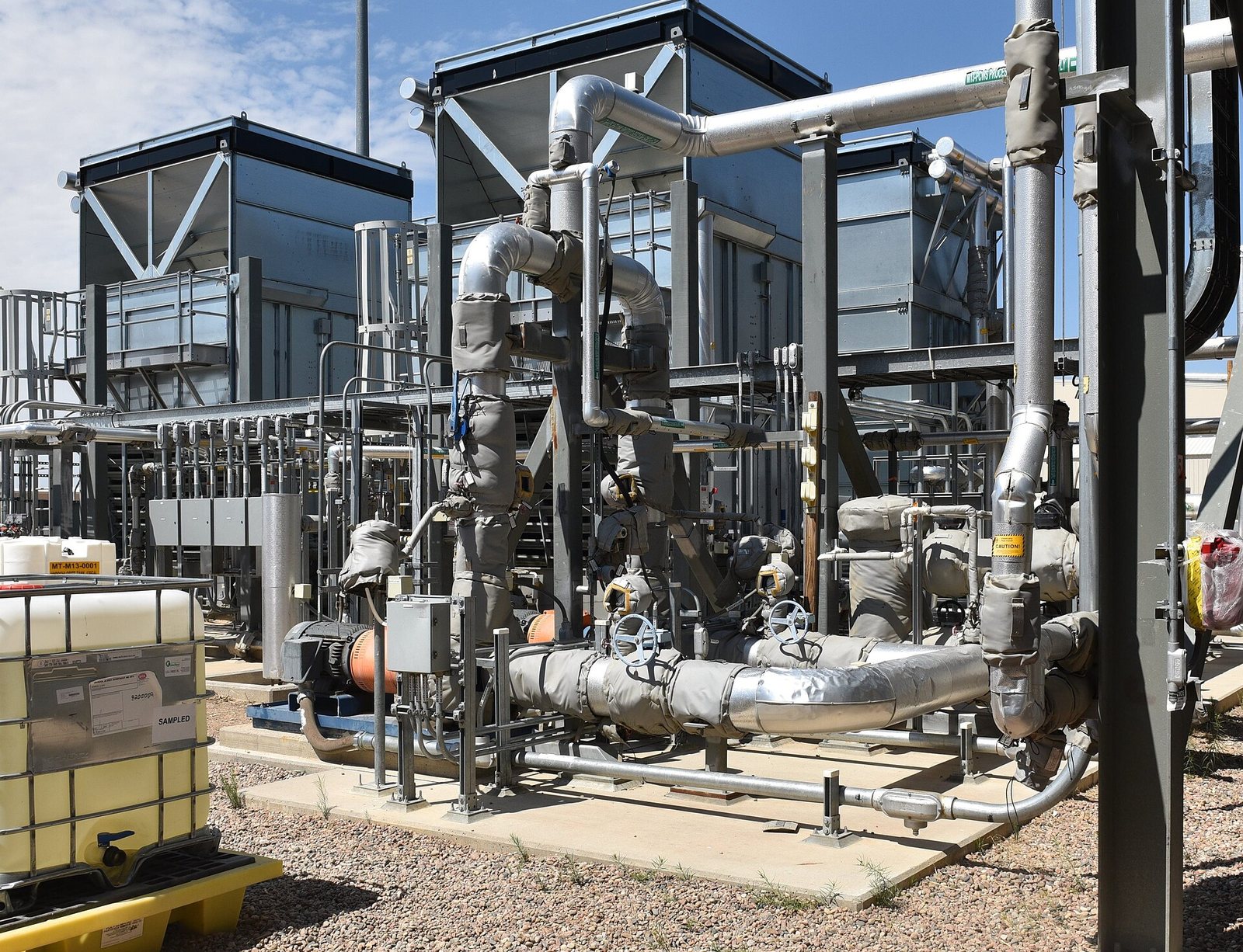
Xinjiang & Inner Mongolia Polysilicon Cluster →

Xinjiang & Inner Mongolia Polysilicon Cluster
Pueblo Chemical Agent-Destruction Pilot Plant… · CC BY 2.0 via Wikimedia Commons
05Component

Fabricated chip

Hundreds of deposition, lithography and etch steps build transistors and copper wiring on the wafer.
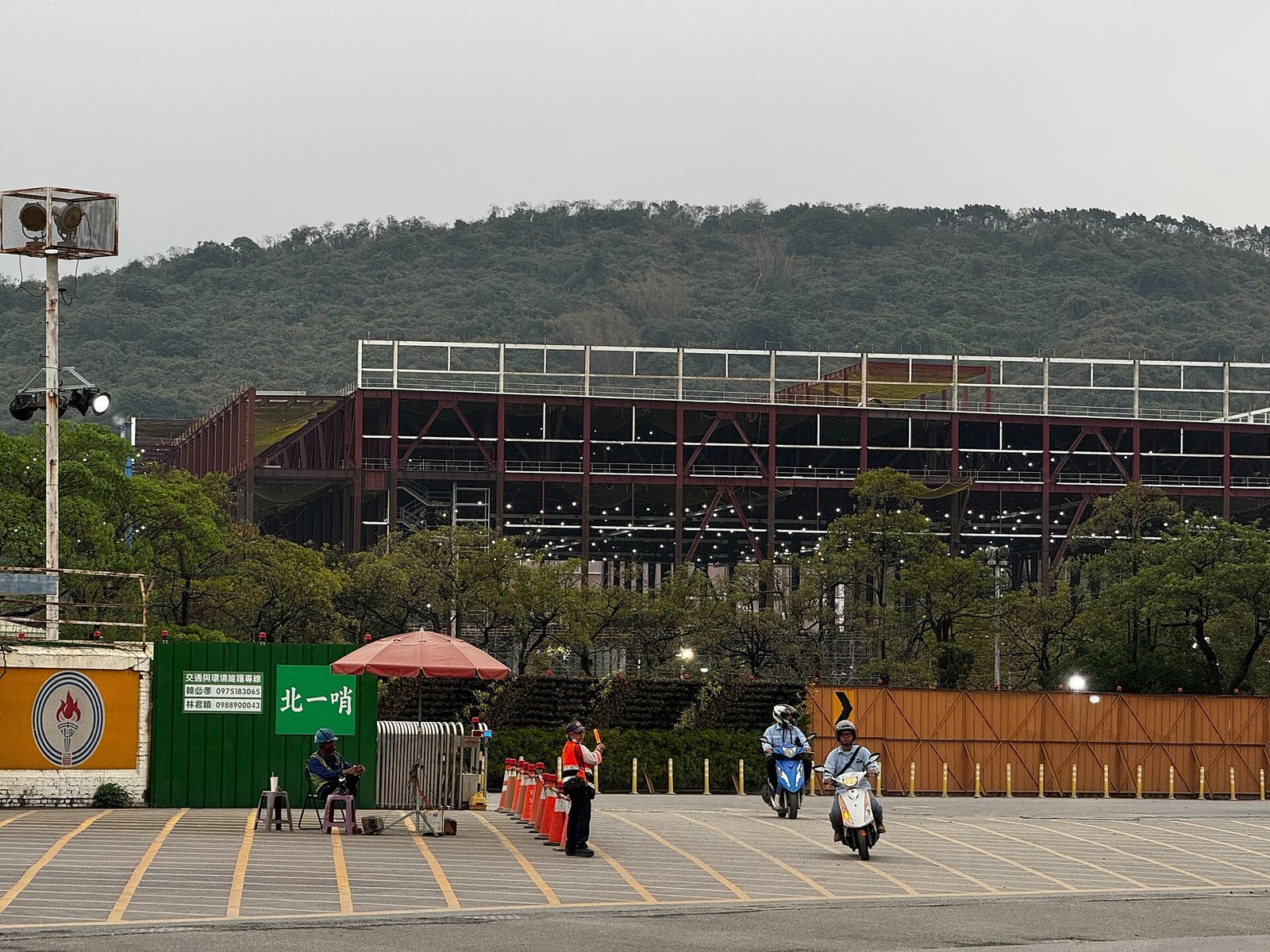
TSMC Fab 18, Tainan →

06End market

Everything electronic

Semiconductors →

Semiconductors
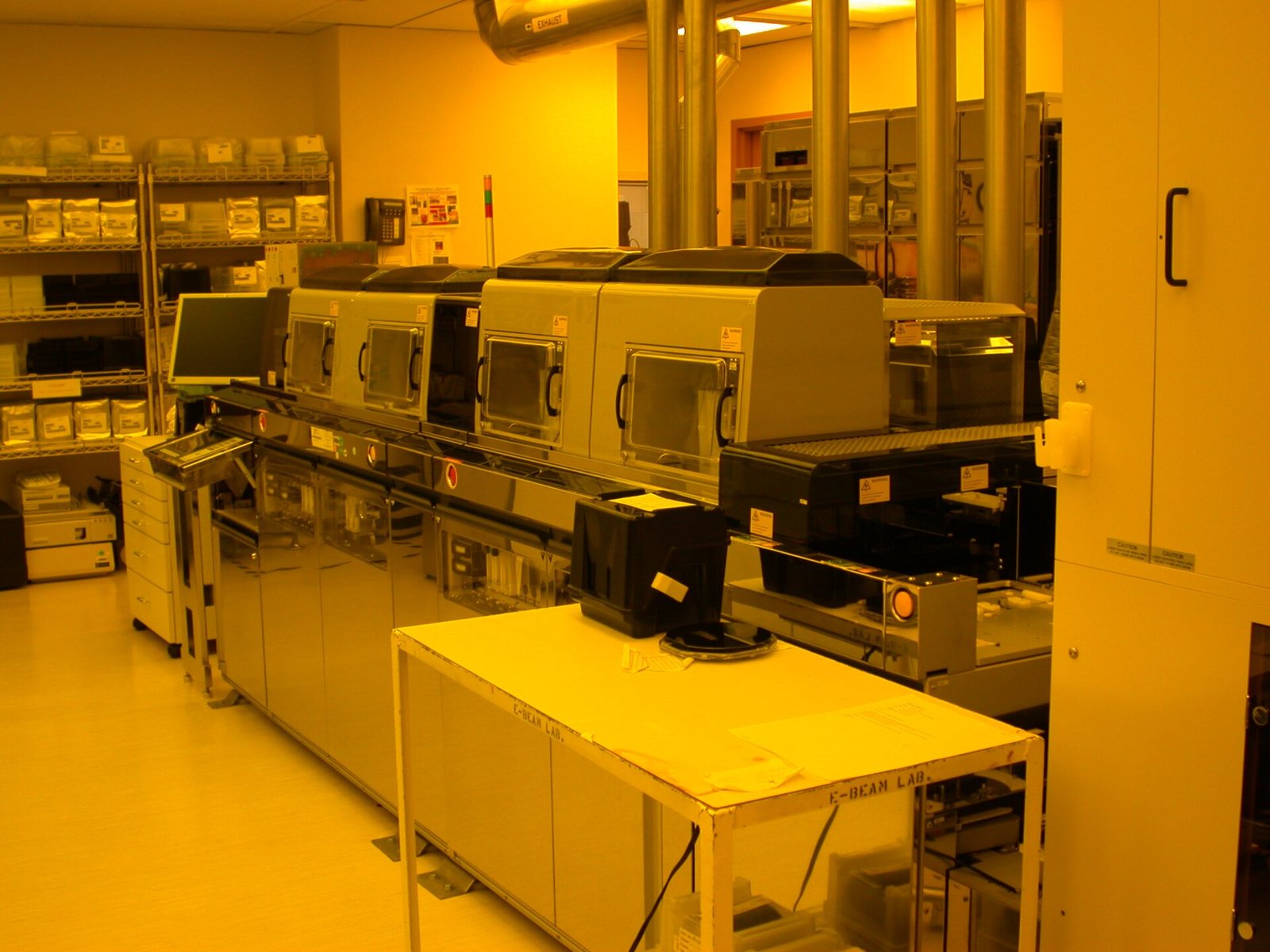
Wafertraksystem · CC BY-SA 3.0 via Wikimedia Commons

Materials

All materials Critical minerals Rare earths Battery materials Ore minerals Periodic table Screener

The ground

Mines & deposits Processing & refining Countries Maps

The economy

Custody journeys Supply chains End markets Technologies Companies Material calculator

Learn

LearnGlossary Ask the DataAI agents Research & dataOpen API News★ Saved

About us

About usContact MethodologyData sources Editorial policy Privacy policyTerms of use Disclaimer