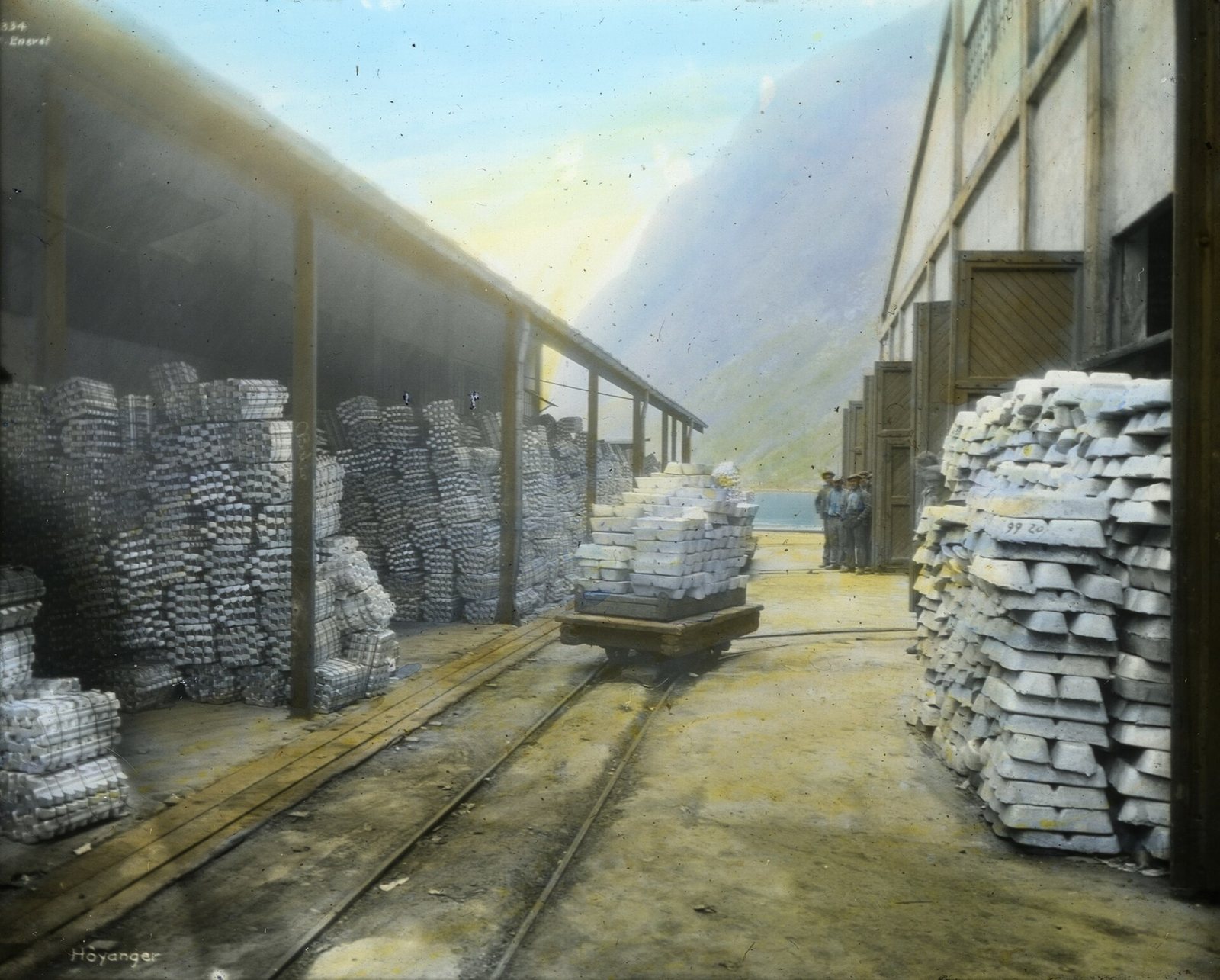
What is it?
A light silvery metal made by passing an enormous electric current through dissolved bauxite — which is why people call it solid electricity.
Why does it matter?
It is the second-most-used metal after steel, the metal of overhead power lines and drink cans, and one of the largest single industrial consumers of electricity on Earth.
Deeper written sections for this material have not been published yet. Everything below is drawn straight from the source datasets and is complete.
Where it comes from in the rock
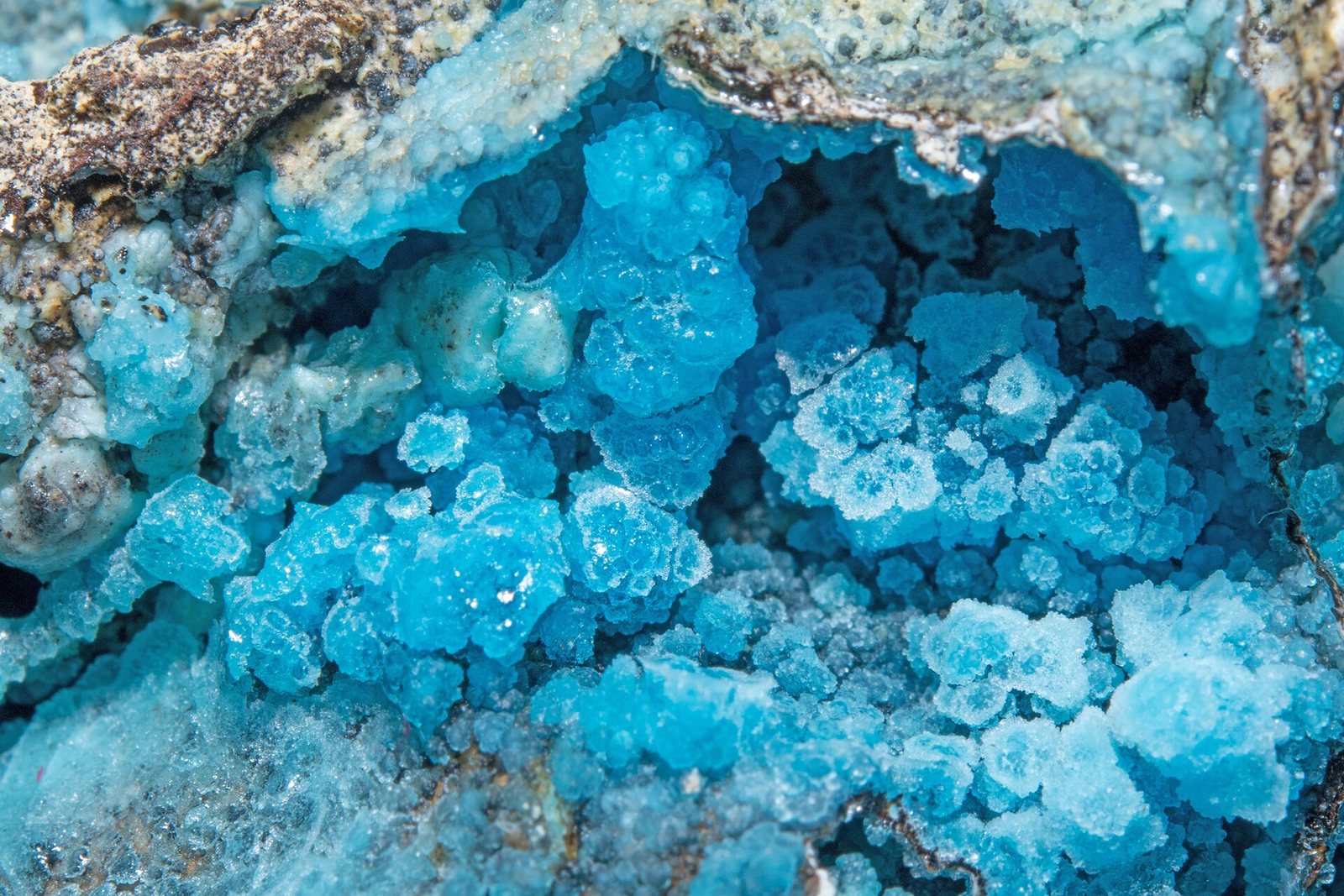
All ore minerals →These are the minerals that actually carry aluminium. A deposit is only an orebody if one of them is concentrated enough to pay for digging it up.
Who produces it
See it on a map →Smelter production
Smelter productionthousand metric tons 2025 (estimated) World total 74,000 thousand metric tons
USGS Mineral Commodity Summaries 2026 · Primary smelter production only; recycled (secondary) metal is counted separately and is a large share of supply. · source ↗
Scroll the table sideways for the remaining columns.
| Country | Production | Share of world |
|---|---|---|
| China | 45,000 | 60.8% |
| Other countries | 7,000 | 9.5% |
| India | 4,200 | 5.7% |
| Russia | 3,900 | 5.3% |
| Canada | 3,300 | 4.5% |
| United Arab Emirates | 2,700 | 3.6% |
| Bahrain | 1,600 | 2.2% |
| Australia | 1,500 | 2.0% |
| Norway | 1,300 | 1.8% |
| Brazil | 1,200 | 1.6% |
| Malaysia | 1,100 | 1.5% |
| Iceland | 750.0 | 1.0% |
| United States | 660.0 | 0.9% |
| World total | 74,000 | 100% |
“Withheld” means the USGS suppressed the figure to avoid disclosing an individual company's data — it does not mean zero. Country rows do not always sum to the world total because the source rounds each figure independently and does not always break out an “other countries” line.
Price
Aluminium, global price
Annual averageUS$ per tonne
Basis: IMF global price of aluminium — 99.5% minimum purity, LME spot. Annual averages as published in FRED (IMF primary commodity prices) · source ↗. These are reference annual averages, not a live market quote.
ingot, average U.S. market (spot), cents per pound
Annual averagecents per pound
Basis: ingot, average U.S. market (spot), cents per pound. Annual averages as published in USGS Mineral Commodity Summaries 2026 · source ↗. These are reference annual averages, not a live market quote.
Where it is processed and refined
| Plant | Kind | Stage | Country | Role |
|---|---|---|---|---|
| Gigafactory Nevada | Gigafactory | Component | United States | Input |
What it is used for
All end markets →| End market | What it does there | Importance |
|---|---|---|
| Power Grids | Overhead lines and some cable cores | Defining |
| Solar Power | Frames and mounting | Defining |
| Aerospace & Defence | Airframe skin and structure | Defining |
| Electric Vehicles | Body, cathode foil and pack casing | Important |
| Data Centres & AI | Racks, heat sinks and structure | Important |
| Construction & Steel | Facades, windows and structure | Important |
| Robotics & Automation | Structure and housings | Important |
| Grid Storage | Enclosures and collectors | Important |
| Wind Power | Nacelle components and cabling | Present |
How much of it a technology needs
| Technology | Quantity | Quoted | Basis |
|---|---|---|---|
| Cadmium Telluride Thin-Film Module | 3,000–7,000 kg | per MW of capacity | Mounting |
| Crystalline Silicon Solar Module | 5,000–9,000 kg | per MW of capacity | Frames and mounting |
| HVDC Transmission Cable | 15.00–60.00 t | per km of circuit | Conductor in overhead and some cable designs |
| NMC Lithium-Ion Battery | 20.00–35.00 kg | per 75 kWh pack | Cathode foil, cell cans and pack casing |
| Sodium-Ion Battery Removes the copper foil entirely. | 25.00–45.00 kg | per 75 kWh equivalent | Both current collectors can be aluminium |
Indicative range compiled from published technology studies and chemistry; verify against a manufacturer specification before use. Run these numbers at any scale in the material calculator →
Follow it across the borders
All journeys →Where a consignment of this material actually goes — every country, every custodian, and what is left behind at each step.
Venezuelan extra-heavy crude to diesel, asphalt and aluminium anodes Oil so thick it will not flow down a pipe, and cannot be refined by most refineries on Earth.