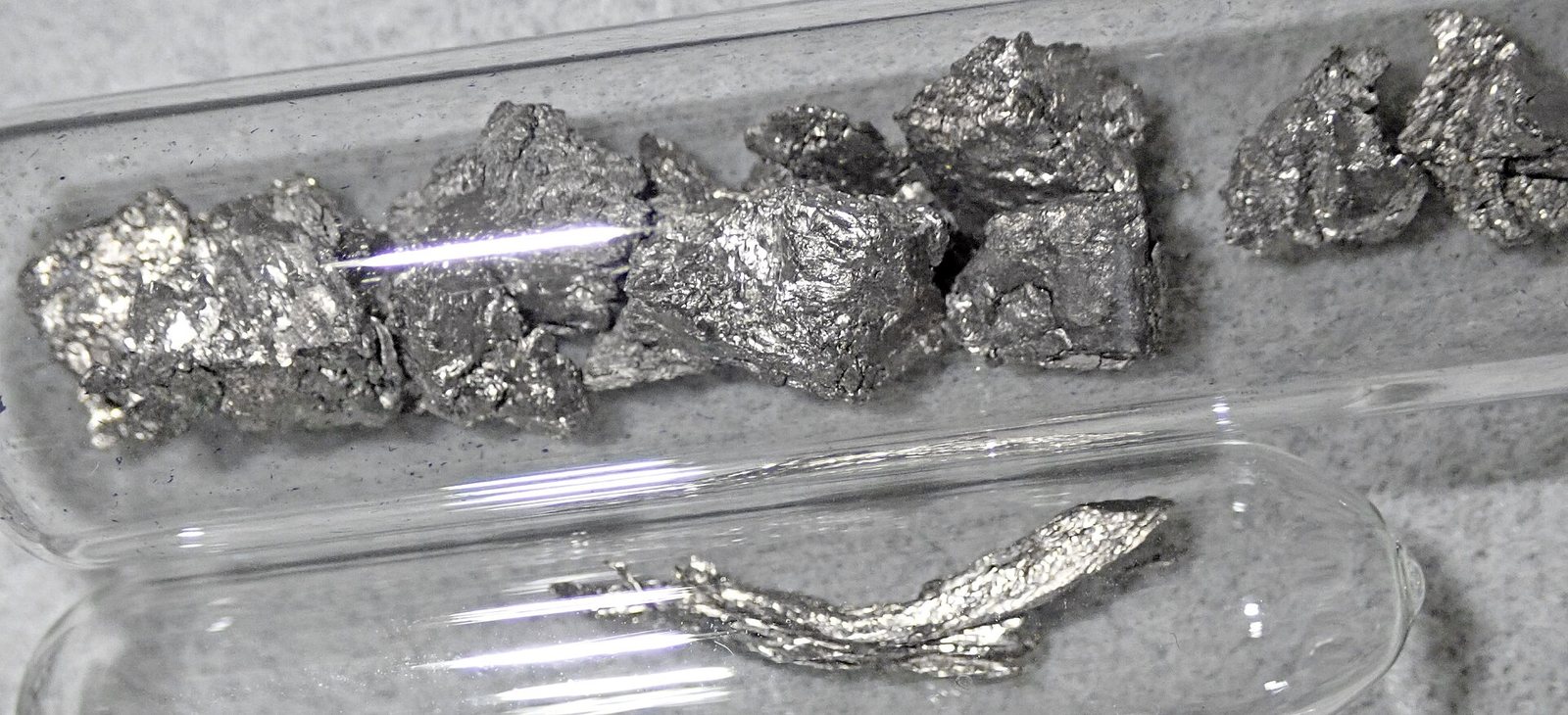
Che cos'è?
A heavy rare earth added in small amounts to magnets so they keep working when they get hot.
Perché è importante?
Without dysprosium a neodymium magnet starts losing strength around 80 C. A traction motor or a turbine nacelle routinely runs hotter than that.
Where it is in the Earth
Dysprosium belongs to the heavy rare earth elements, a group that behaves chemically in ways subtly different from the lighter members of the rare earth family. That chemical difference governs where it ends up in the Earth's crust. Rare earth elements are not, despite the name, particularly scarce in absolute terms; what is rare is finding them concentrated enough to mine economically. Dysprosium forms alongside other heavy rare earths in two quite different geological settings, and understanding those settings explains almost everything about where the world's supply comes from.
The first setting is a phosphate mineral called xenotime, which has the formula YPO4. Xenotime crystallises inside certain granites and pegmatites — coarse-grained igneous rocks that form when the last, fluid-rich fraction of a cooling magma body solidifies slowly. Because dysprosium and the other heavy rare earths fit comfortably into xenotime's crystal structure, they become concentrated there as the melt cools. Xenotime grains can persist through erosion and be reworked into river and beach placer deposits, where they accumulate alongside other dense, chemically resistant minerals such as zircon and ilmenite.
The second and currently more consequential setting is the ion-adsorption clay deposit of southern China. Here the geological process is not igneous but weathering. Granite bedrock naturally enriched in rare earths breaks down over millions of years under the warm, wet conditions of a subtropical climate. As the feldspar minerals in the granite decompose to kaolinite clay, the rare earth ions released from the original minerals are not washed away entirely; instead, they adsorb loosely onto the surfaces of the clay particles. Heavy rare earths, including dysprosium, are disproportionately concentrated in these clay profiles compared with the original rock, because the weathering process partitions them differently from the light rare earths. The result is a shallow, low-grade deposit with a flat, diffuse geometry — nothing like the hard-rock ore bodies most people picture when they think of mining.
Getting it out
The way dysprosium is extracted depends almost entirely on which type of deposit is being worked. Xenotime recovered from hard-rock deposits or placers is mined by conventional open-pit methods or dredging, exactly as one would mine for any dense mineral in a sand or gravel deposit. The xenotime grains are then separated from the other minerals by physical and gravity-based techniques before any chemistry is applied. This is a well-understood process, but xenotime is a relatively minor contributor to global dysprosium supply.
The dominant source is the ion-adsorption clay deposit, and the mining method there is fundamentally different. Because the rare earth ions are not locked inside a hard mineral grain but are instead loosely attached to clay surfaces, they can be released by flushing the ground with a dilute salt solution — ammonium sulfate has historically been used. This approach is called in-situ leaching: rather than digging up the clay and transporting it to a processing plant, the solution is injected through boreholes into the weathered profile and collected at the base of the deposit as a weak rare-earth-bearing liquid. The ground is disturbed but not removed in the way conventional mining removes it. Grade in this context means very little material per tonne of clay, and the processing chain begins in the ground itself rather than at a mill.
The environmental footprint of in-situ leaching is a subject of ongoing scrutiny. Ammonia from leaching solutions has historically migrated beyond the intended recovery zone, affecting groundwater and nearby agricultural land. Chinese regulators have applied progressively stricter controls on this, which affects both the cost and the pace at which these deposits can be worked. A reader looking at production statistics should bear in mind that officially reported output from these mines reflects a regulated, partially consolidated industry rather than a straightforwardly free market.
What pulls on it
Dysprosium's role is narrow but not easily replaced. A neodymium-iron-boron magnet — the strongest type of permanent magnet available — begins to lose its magnetism at elevated temperature through a process called thermal demagnetisation. The temperature at which this becomes a problem is well below the operating temperature of an electric vehicle traction motor or a wind turbine generator. Adding dysprosium to the magnet's alloy raises the threshold at which demagnetisation occurs, a property measured as coercivity. The more demanding the thermal environment, the more dysprosium the design requires.
This explains the pattern visible in the intensity table. A magnet used in a relatively cool application may need no dysprosium at all, or only a small fraction of a kilogram per kilogram of finished magnet. A traction motor, which runs hot and must not lose torque unpredictably, sits higher in the range. A large direct-drive offshore wind turbine — which uses a permanent magnet generator rather than a gearbox, because gearboxes are a maintenance liability offshore — requires a substantial quantity per megawatt of capacity. As offshore wind capacity expands and as the vehicle fleet electrifies, these two end markets are the main drivers pulling on dysprosium supply. Robotics and automation add further demand as factories deploy more servo motors with demanding duty cycles.
What would have to change for demand to shift sharply? The principal scenario is a change in magnet design. If motor designers could move to magnet grades with lower dysprosium content without sacrificing performance, or if non-rare-earth motor technologies such as wound-field synchronous motors or induction motors displaced permanent-magnet designs in large applications, demand growth would slow. Neither change is costless: alternative motor types involve trade-offs in weight, efficiency, or complexity. The data storage application listed in the US statistics represents an older demand category — dysprosium was used in certain magneto-optical recording media — that is less prominent in current discussions of supply risk.
Turning ore into product Livello 3
The leach solution collected from an ion-adsorption clay deposit is a dilute mixture of rare earth ions in water. The first step is precipitation: adjusting the chemistry of the solution so that the rare earths drop out as a mixed hydroxide or carbonate solid. This solid, often called a mixed rare earth concentrate or carbonate, is the feedstock for the next stage. At this point dysprosium is still mixed with all the other rare earths that were present in the clay — principally the other heavy rare earths such as terbium, holmium, erbium, and yttrium, plus smaller amounts of light rare earths.
Separating dysprosium from its neighbours is done by solvent extraction, a process in which the mixed rare earth solution is brought into contact with an organic solvent that preferentially pulls certain elements out of the aqueous phase. Because adjacent rare earth elements are chemically almost identical — differing only very slightly in ionic radius — the separation factors between them are small. Achieving high-purity dysprosium oxide, the traded form reported in the price data, requires many repeated extraction stages run in a counter-current cascade. This is capital-intensive equipment to build and requires significant chemical inputs, particularly the organic extractants and the acids used to strip them. The Ganzhou cluster in Jiangxi province, China, is the principal location where this separation capacity exists at commercial scale. Losses occur at each stage of the cascade, and the rare earths that are not dysprosium become co-products or by-products, some of which have markets and some of which are more difficult to place.
Once separated, dysprosium oxide can be reduced to metal by reacting it with calcium or by molten-salt electrolysis. The metal is the form used when dysprosium is alloyed directly into a neodymium-iron-boron magnet melt. Increasingly, however, producers apply dysprosium not by bulk alloying but by a technique called grain-boundary diffusion, in which dysprosium or terbium compounds are coated onto the surface of a finished or partly sintered magnet and diffused inward at high temperature. This concentrates the dysprosium precisely where it is most needed — at the boundaries between the magnetic grains — and can achieve comparable coercivity improvement with a smaller total quantity of dysprosium. That shift in application method matters for understanding the material-intensity figures in the table: the range reflects both the older bulk-addition approach and the more efficient diffusion approach.
Substitution and recycling Livello 3
Within the neodymium-iron-boron magnet system, terbium is the closest functional substitute for dysprosium as a coercivity-enhancing additive. It is more effective per unit mass, meaning less terbium is needed to achieve the same thermal stability, but terbium is itself a heavy rare earth with a concentrated and similarly constrained supply. Switching between them is not so much a substitution out of scarcity as a cost and availability optimisation within a family of materials that share the same geological and geopolitical constraints. A manufacturer choosing between dysprosium and terbium is managing within the heavy rare earth supply problem, not escaping it.
At a higher level, motor designers can substitute away from permanent-magnet machines entirely. Induction motors and wound-field synchronous motors require no rare earth magnets at all. These designs were the standard in industrial and automotive applications before neodymium magnets became widely available, and they remain in use. The trade-off is typically in power density — permanent-magnet motors deliver more power for a given size and weight — which matters more in some applications than others. A vehicle drivetrain or a direct-drive wind turbine is more constrained by weight and volume than a pump or a compressor, so the substitution penalty varies considerably by application.
Recycling of dysprosium from end-of-life magnets is technically feasible but commercially limited. The chief barriers are collection — magnets are embedded in complex assemblies and are rarely removed intact at end of life — and the economics of reprocessing small, mixed, and often corroded magnet scrap. Grain-boundary diffusion has complicated the picture further because the dysprosium distribution within a treated magnet is non-uniform, which affects how it behaves in a remelting or hydrometallurgical recovery process. The recycling rate for rare earths from magnets remains low relative to the amounts consumed, and closing that loop would require coordinated collection infrastructure, processing investment, and sufficient price signals to justify both.
Where the chain is fragile Livello 4
The supply picture for dysprosium is concentrated to a degree that is unusual even among critical minerals. World production and reserve figures are not reported in the data available to this entry, but the structural picture is clear from the mines and processing plants listed: ion-adsorption clay deposits in southern China are the principal source, and separation and refining capacity is concentrated in the Ganzhou cluster. This means that mine-level disruption, regulatory change, export policy, or processing bottlenecks at a single national location propagate directly to global availability. There is no meaningful second-tier supply base that could compensate at short notice.
A complication specific to dysprosium is that it cannot be mined for its own sake in most deposits. It is a minor constituent of a mixed rare earth ore, and its production is governed by the economics and output decisions of mines targeting the broader rare earth mix. This by-product dependence means that even if dysprosium prices were to rise substantially, producers cannot simply increase dysprosium output without also producing more of the other heavy rare earths, some of which have weaker markets. The quantities in which the rare earths occur in the ore are fixed by geology; only the downstream separation can change which elements are recovered and sold.
Reporting conventions introduce a further layer of uncertainty. Dysprosium output is reported as oxide equivalent — that is, as Dy2O3 — which is the standard unit basis noted in the data, but how individual countries aggregate production statistics, whether they report run-of-mine output, separated oxide, or metal, and how much small-scale or informal mining is captured in official figures all affect comparability. Chinese ion-adsorption clay production has historically been subject to official quotas, and production outside those quotas — which has existed — may or may not appear in reported totals. Analysts comparing published production figures across sources will find disagreements that reflect these definitional and reporting differences rather than simply measurement error. Any estimate of global reserves in this deposit type also carries inherent geological uncertainty: the diffuse, near-surface geometry of ion-adsorption clays makes resource estimation by conventional drilling less reliable than for a well-defined hard-rock ore body, and classifications shift as deposit boundaries are re-evaluated.
Da dove proviene nella roccia
Tutti i minerali mena →Questi sono i minerali che contengono effettivamente dysprosium. Un giacimento è un corpo minerario solo se uno di essi è sufficientemente concentrato da giustificare il costo dell'estrazione.
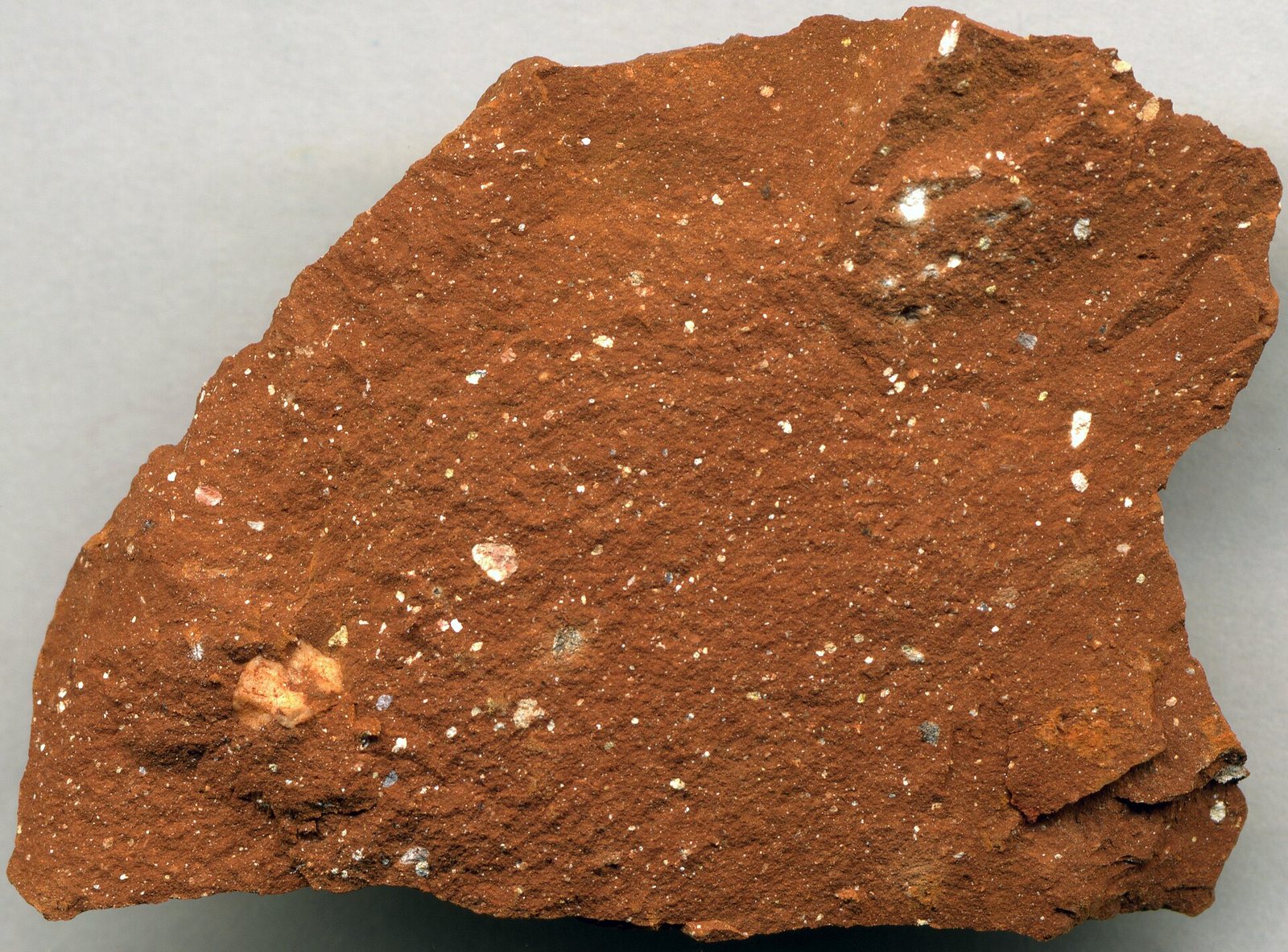
Ion-Adsorption Clay
Weathered granite where rare-earth ions cling loosely to clay surfaces. Grades are very low but the metal washes out…
Xenotime
A yttrium phosphate that also carries the heavy rare earths — dysprosium, terbium, erbium — that magnets need.
Prezzo
average, dollars per kilogram: Dysprosium oxide, 99.5% minimum
Media annualedollars per kilogram
Base: average, dollars per kilogram: Dysprosium oxide, 99.5% minimum. Medie annuali pubblicate in USGS Mineral Commodity Summaries 2026 · fonte ↗. Queste sono medie annuali di riferimento, non quotazioni di mercato in tempo reale.
Miniere che lo producono
Tutte le miniere →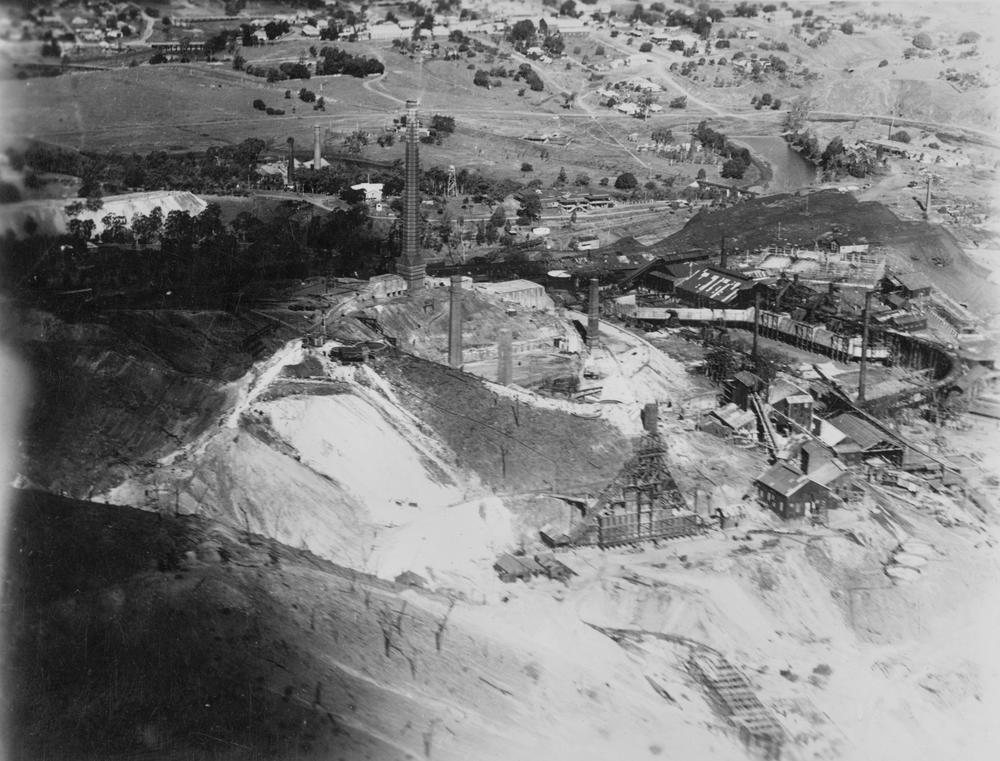
Southern China Ion-Adsorption Clays →
Dove viene lavorato e raffinato
| Impianto | Tipo | Fase | Paese | Ruolo |
|---|---|---|---|---|
| Chinese NdFeB Magnet Cluster | Impianto per magneti | Componente | China | Input |
| Wind Turbine Nacelle & Blade Plants, Jutland | Impianto di produzione | Prodotto | Denmark | Input |
| Ganzhou Rare Earth Cluster | Impianto di separazione | Raffinazione | China | Output |
A cosa serve
Tutti i mercati finali →| Mercato finale | Cosa fa lì | Importanza |
|---|---|---|
| Wind Power | Heat resistance in those magnets | Definizione di |
| Electric Vehicles | Keeps those magnets working hot | Importante |
| Robotics & Automation | Magnet heat resistance | Importante |
Quanto ne richiede una tecnologia
| Tecnologia | Quantità | Quotato | Base |
|---|---|---|---|
| Direct-Drive Offshore Wind Turbine | 5.00–20.00 kg | per MW of capacity | Heat and demagnetisation resistance |
| EV Traction Motor | 0.02–0.1 kg | per motor | Heat resistance |
| NdFeB Permanent Magnet Grain-boundary diffusion cuts this sharply. | —–0.06 kg | per kg of finished magnet | Added for heat resistance |
Indicative range compiled from published technology studies and chemistry; verify against a manufacturer specification before use. Eseguire questi calcoli a qualsiasi scala nel calcolatore dei materiali →
Seguilo attraverso i confini
Tutti i percorsi →Dove va effettivamente un lotto di questo materiale — ogni paese, ogni custode e cosa rimane indietro a ogni tappa.
Southern Chinese clay to the dysprosium that lets a magnet run hot Grades under a tenth of a percent, and almost the only heavy rare earths on the market.