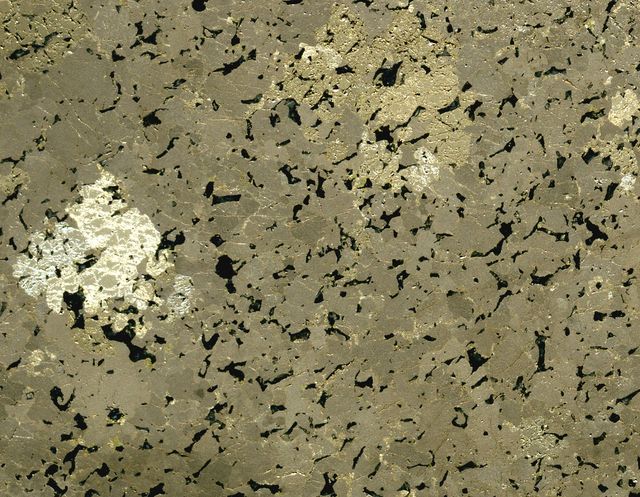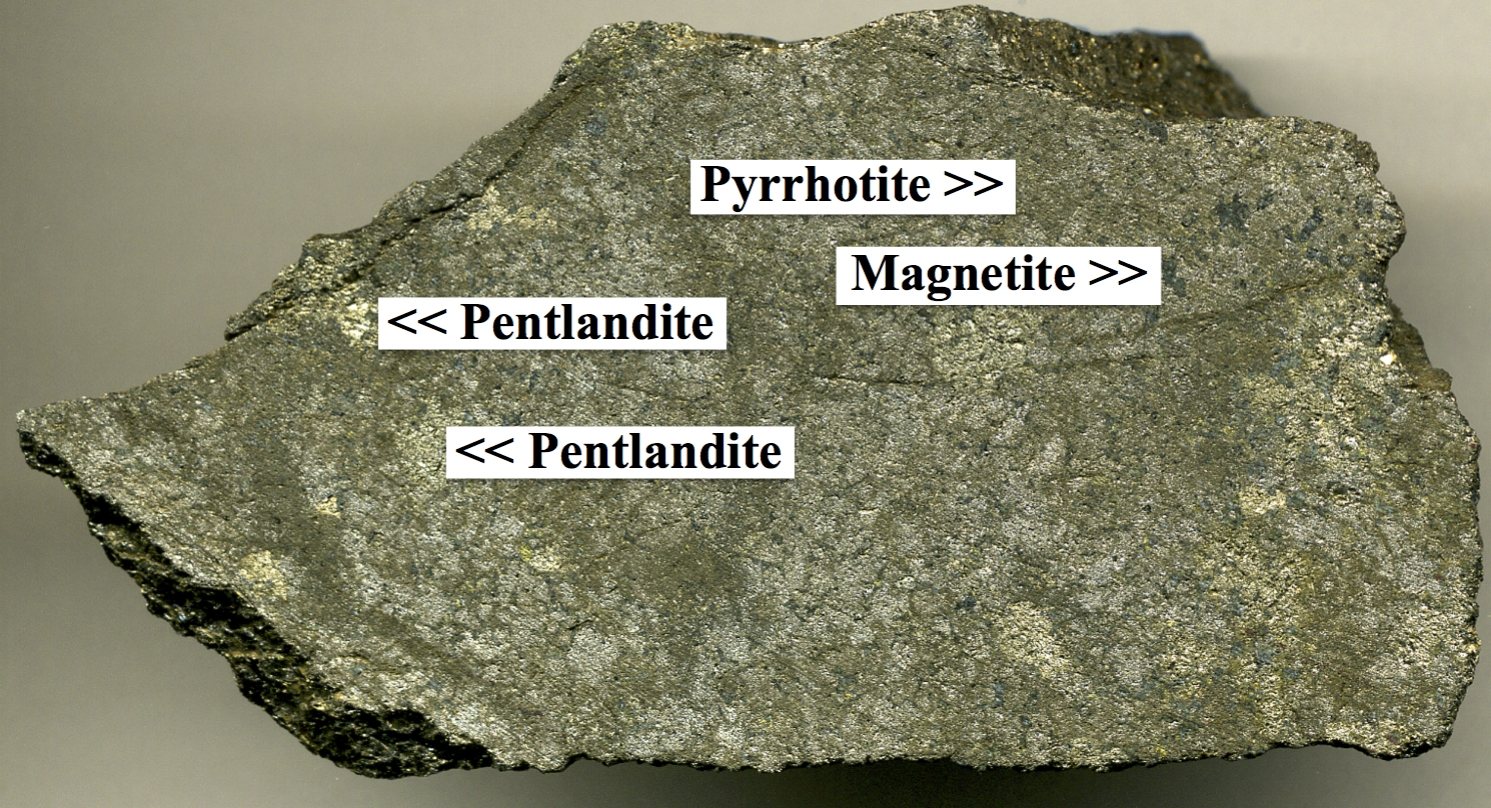
What is it?
A silvery metal that resists rust, which is why it goes into stainless steel — and, more recently, into the cathodes that give an EV its range.
Why does it matter?
Two-thirds of nickel still goes into stainless steel, but the battery share is what moved the market: raising nickel in a cathode raises the energy the cell can hold.
Deeper written sections for this material have not been published yet. Everything below is drawn straight from the source datasets and is complete.
Where it comes from in the rock
All ore minerals →These are the minerals that actually carry nickel. A deposit is only an orebody if one of them is concentrated enough to pay for digging it up.
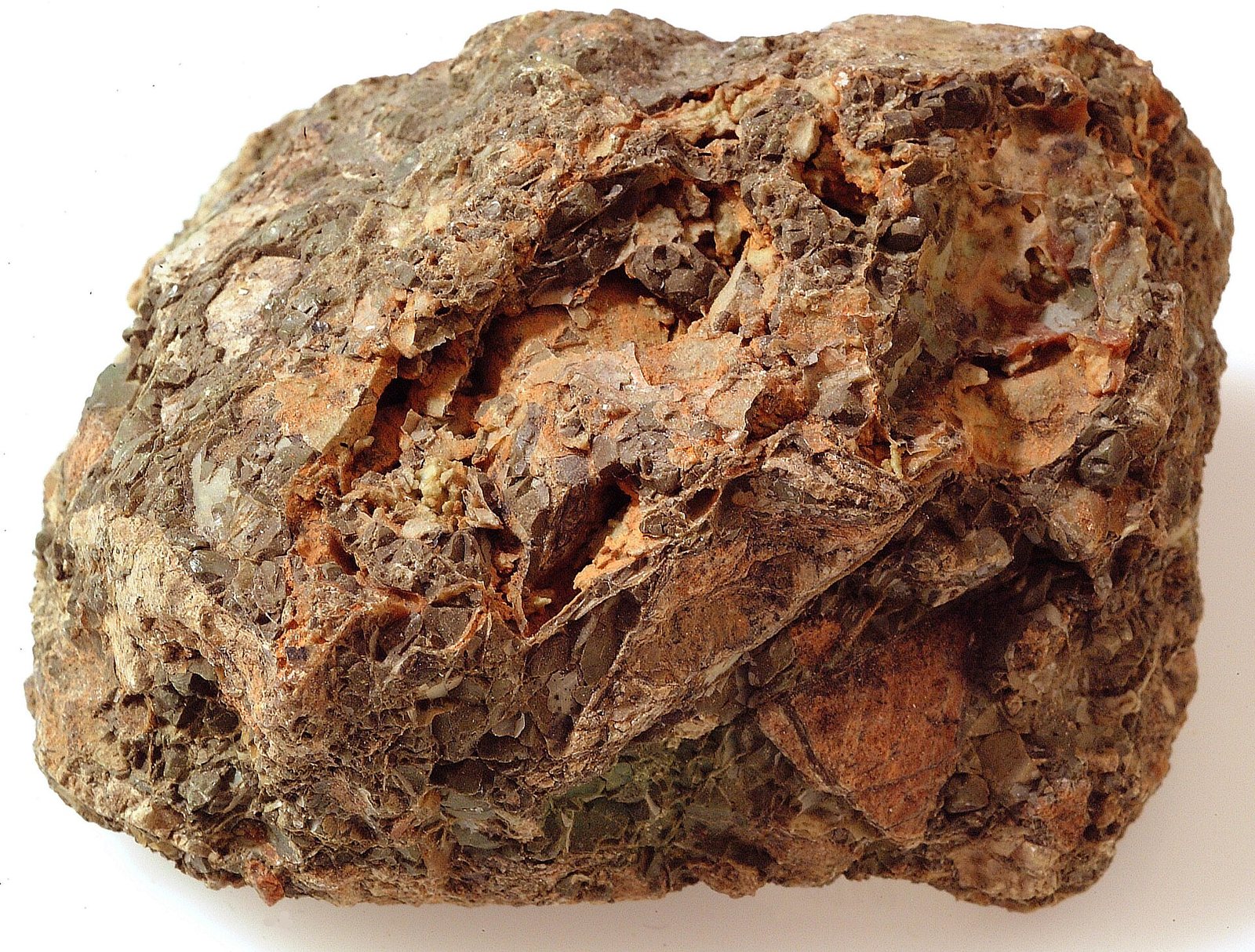
Garnierite (nickel laterite)
A green nickel silicate from tropically weathered rock. Laterite ore is soft and shallow but needs high-pressure acid…
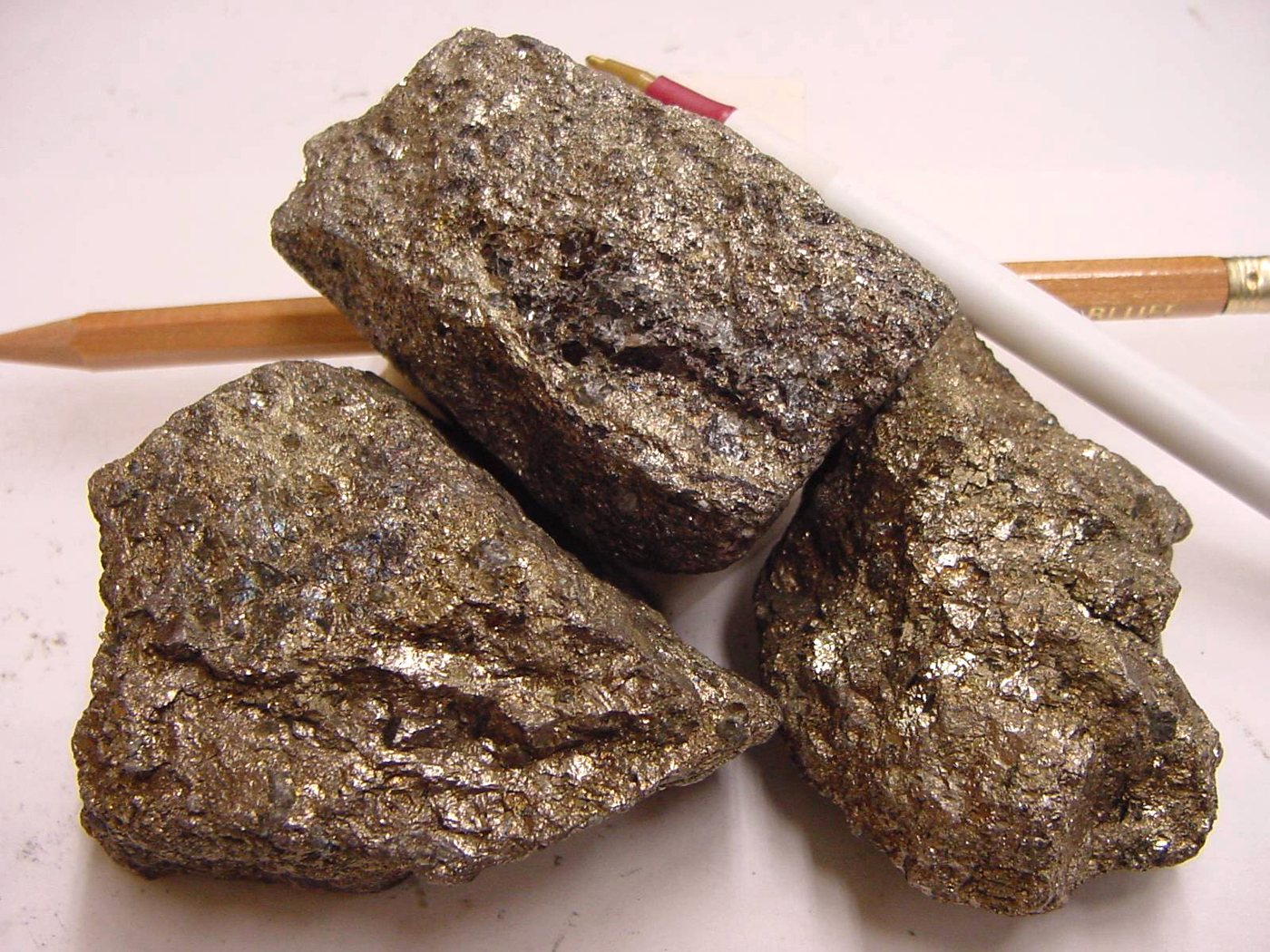
Pentlandite
The main nickel sulfide ore mineral, and the host that also carries most by-product platinum-group metals.
Who produces it
See it on a map →Mine production
Mine productionmetric tons 2025 (estimated) World total 3,900,000 metric tons
USGS Mineral Commodity Summaries 2026 · Tonnages are contained nickel. Grades differ enormously: sulfide ore may run 1-2% Ni, laterite ore under 1.5%. · source ↗
Scroll the table sideways for the remaining columns.
| Country | Production | Share of world |
|---|---|---|
| Indonesia | 2,600,000 | 66.7% |
| Other countries | 290,000 | 7.4% |
| Philippines | 270,000 | 6.9% |
| Russia | 200,000 | 5.1% |
| Canada | 140,000 | 3.6% |
| New Caledonia | 140,000 | 3.6% |
| China | 120,000 | 3.1% |
| Brazil | 70,000 | 1.8% |
| Australia | 45,000 | 1.2% |
| United States | 10,000 | 0.3% |
| World total | 3,900,000 | 100% |
“Withheld” means the USGS suppressed the figure to avoid disclosing an individual company's data — it does not mean zero. Country rows do not always sum to the world total because the source rounds each figure independently and does not always break out an “other countries” line.
Who holds the reserves
Reserves
Reservesmetric tons 2025
USGS Mineral Commodity Summaries 2026 · source ↗
| Country | Reserves | Share of world |
|---|---|---|
| Indonesia | 62,000,000 | 44.3% |
| Australia | 25,000,000 | 17.9% |
| Brazil | 16,000,000 | 11.4% |
| Other countries | >9,100,000 | 6.5% |
| Russia | 8,300,000 | 5.9% |
| New Caledonia | 7,100,000 | 5.1% |
| Philippines | 4,800,000 | 3.4% |
| China | 4,400,000 | 3.1% |
| Canada | 2,200,000 | 1.6% |
| United States | 340,000 | 0.2% |
| World total | >140,000,000 | 100% |
The source publishes this world total as a bound rather than a point figure, so the shares in the last column are themselves bounds.
Price
Nickel, global price
Annual averageUS$ per tonne
Basis: IMF global price of nickel — melting grade, LME spot. Annual averages as published in FRED (IMF primary commodity prices) · source ↗. These are reference annual averages, not a live market quote.
average annual, London Metal Exchange (LME), cash: Dollars per metric ton
Annual averagedollars per metric ton
Basis: average annual, London Metal Exchange (LME), cash: Dollars per metric ton. Annual averages as published in USGS Mineral Commodity Summaries 2026 · source ↗. These are reference annual averages, not a live market quote.
average annual, London Metal Exchange (LME), cash: Dollars per pound
Annual averagedollars per pound
Basis: average annual, London Metal Exchange (LME), cash: Dollars per pound. Annual averages as published in USGS Mineral Commodity Summaries 2026 · source ↗. These are reference annual averages, not a live market quote.
Mines that produce it
All mines →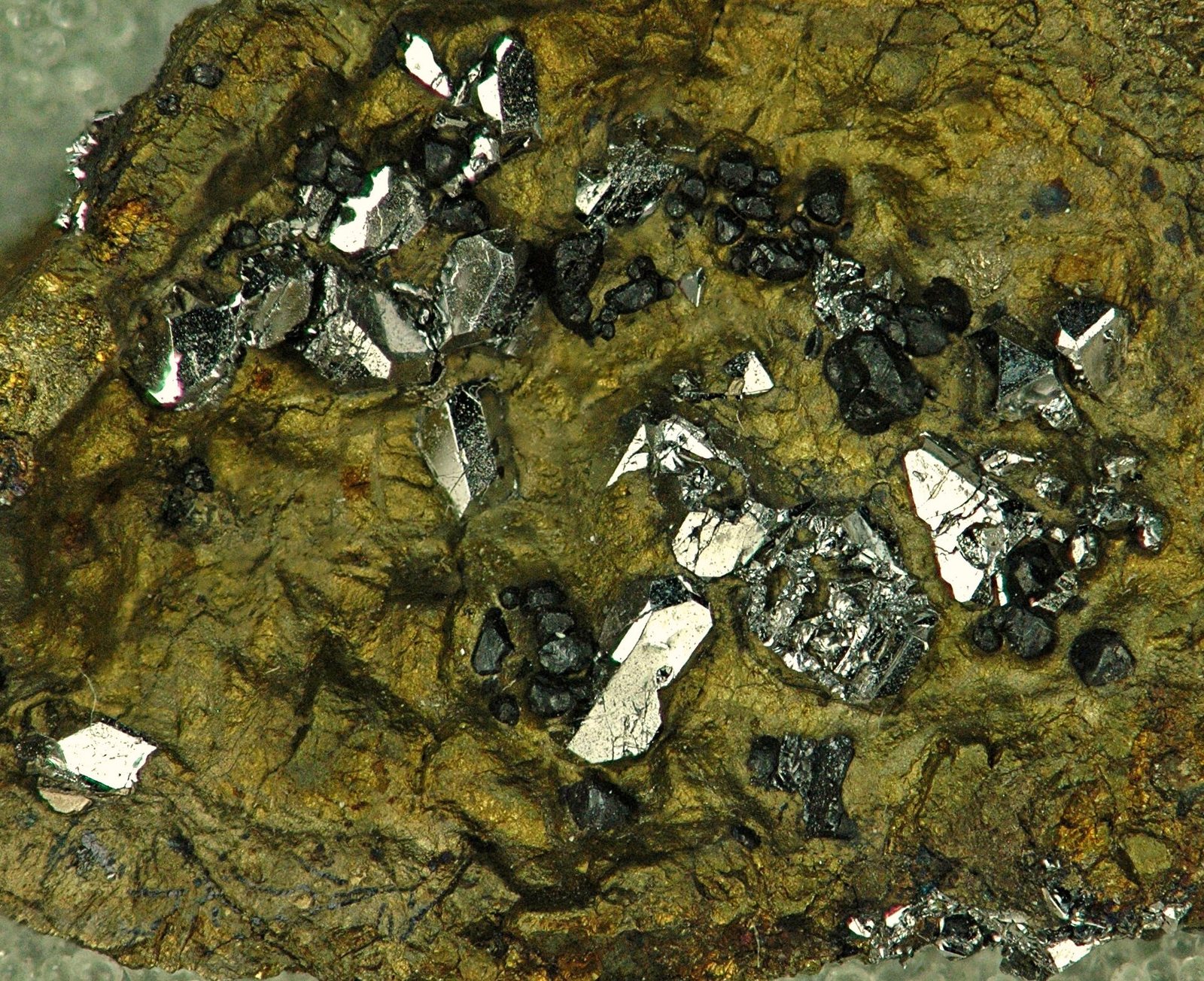
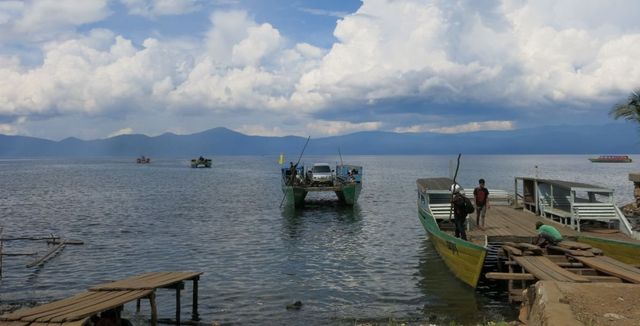
Sorowako
One of Indonesia's long-established integrated nickel operations.
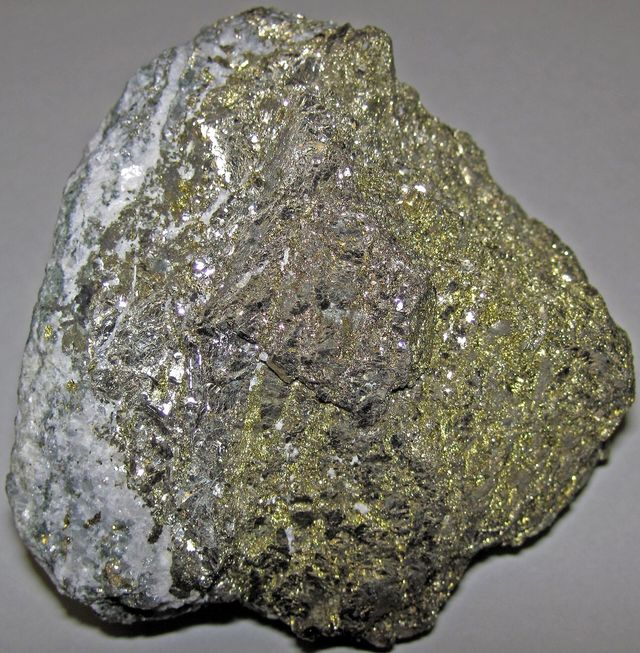
Sudbury Basin
One of the longest-producing nickel districts on Earth.
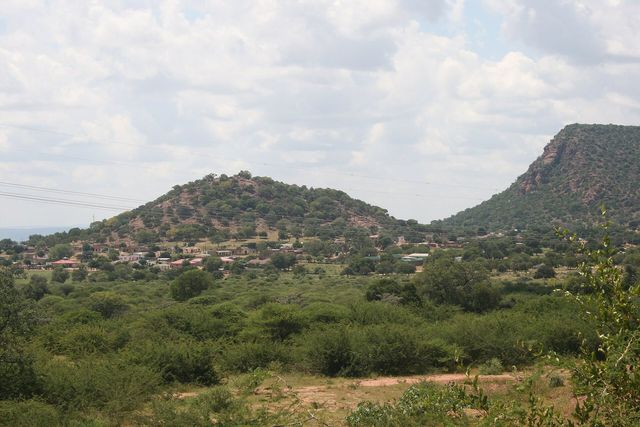
Mogalakwena
The largest open-pit platinum-group metals mine in the world.
Where it is processed and refined
| Plant | Kind | Stage | Country | Role |
|---|---|---|---|---|
| Gigafactory Nevada | Gigafactory | Component | United States | Input |
| Indonesia Morowali Industrial Park | Smelter | Processing | Indonesia | Output |
| Nadezhda Metallurgical Plant | Smelter | Processing | Russia | Output |
| Aero-Engine Turbine Plant, Derby | Manufacturing plant | Product | United Kingdom | Input |
| Huayou Cobalt Refineries | Chemical plant | Refining | China | Input |
| Jinchuan Group Smelter-Refinery | Refinery | Refining | China | Output |
| Rustenburg Base & Precious Metals Refineries | Refinery | Refining | South Africa | Input |
What it is used for
All end markets →| End market | What it does there | Importance |
|---|---|---|
| Electric Vehicles | Raises the energy the cathode can hold | Defining |
| Aerospace & Defence | Superalloy for hot sections | Defining |
| Hydrogen & Electrolysis | Alkaline electrolyser electrodes | Defining |
| Nuclear Power | Alloys for steam generators | Important |
How much of it a technology needs
| Technology | Quantity | Quoted | Basis |
|---|---|---|---|
| Alkaline Electrolyser | 300.0–800.0 kg | per MW of capacity | Electrodes and catalyst coatings |
| NMC Lithium-Ion Battery NMC811 cathode is roughly 0.7 kg Ni per kWh. | 40.00–60.00 kg | per 75 kWh pack | Contained nickel |
| Pressurised Water Reactor | 500.0–1,500 t | per GW of capacity | Steam generators and alloy components |
| Single-Crystal Turbine Blade Typically 60% or more of the alloy. | trace | per blade set | Superalloy base |
Indicative range compiled from published technology studies and chemistry; verify against a manufacturer specification before use. Run these numbers at any scale in the material calculator →
Export controls
| Country | Control | Applies to |
|---|---|---|
| Indonesia | Export ban | Bauxite (2023), copper concentrates (2023), and nickel ore (2020). ↗ |
| Laos | Export ban | Raw minerals, including copper, gold, iron, nickel, potassium, silver, and zinc (2024). ↗ |
| Tanzania | Export ban | Ore concentrates of copper, gold, nickel, and silver (2017). ↗ |
USGS Mineral Commodity Summaries 2026, table 4 — controls in effect as of January 2026, excluding controls since lifted.
Follow it across the borders
All journeys →Where a consignment of this material actually goes — every country, every custodian, and what is left behind at each step.
Indonesian laterite to a battery cathode A country that banned raw ore exports and built the processing industry instead. New Caledonian laterite to stainless steel An island that smelts its own ore, and pays for it with the most expensive electricity in the industry.