De la roca al producto, trazado
The Materials Atlas
Materiales Minas y yacimientos Procesamiento y refinación Recorridos de custodia Cadenas de suministro Empresas Países Noticias
Materiales por categoría Materiales para baterías Elementos de tierras raras Cobre y electricidad Materiales para semiconductores Materiales nucleares Aeroespacial y Defensa Metales preciosos Acero y metales de aleación Minerales industriales Minerales Agrícolas Materias primas energéticas Minerales mena Tabla periódica
Demanda Mercados finales Tecnologías Calculadora de materiales Mapas Clasificador
Aprender y herramientas AprenderGlosario Consultar los datosAgentes de IA Investigación y datosAPI ★ Guardado
Acerca de Quiénes somosMetodología Fuentes de datosContacto Aviso legal
Opciones de lectura
🧭 Vista guiada ¿Es nuevo en esto: leyes de mena, concentrado, refinación, subproductos? Explicamos cada término mientras navega, en lenguaje claro. Los mismos datos, con la ayuda integrada.
⚡ Vista de experto Usted ya conoce el sector. Solo los datos: limpios, rápidos y compactos, sin explicaciones adicionales. Esta es la vista predeterminada.
Tema
Idioma de la interfaz
Profundidad Las páginas de materiales están redactadas en cuatro niveles. Seleccione uno en cualquier página de material y se recordará.
★ Guardado Investigación y datos
Nickel

Materiales para baterías

Nickel Ni · 28

A silvery metal that resists rust, which is why it goes into stainless steel — and, more recently, into the cathodes that give an EV its range.

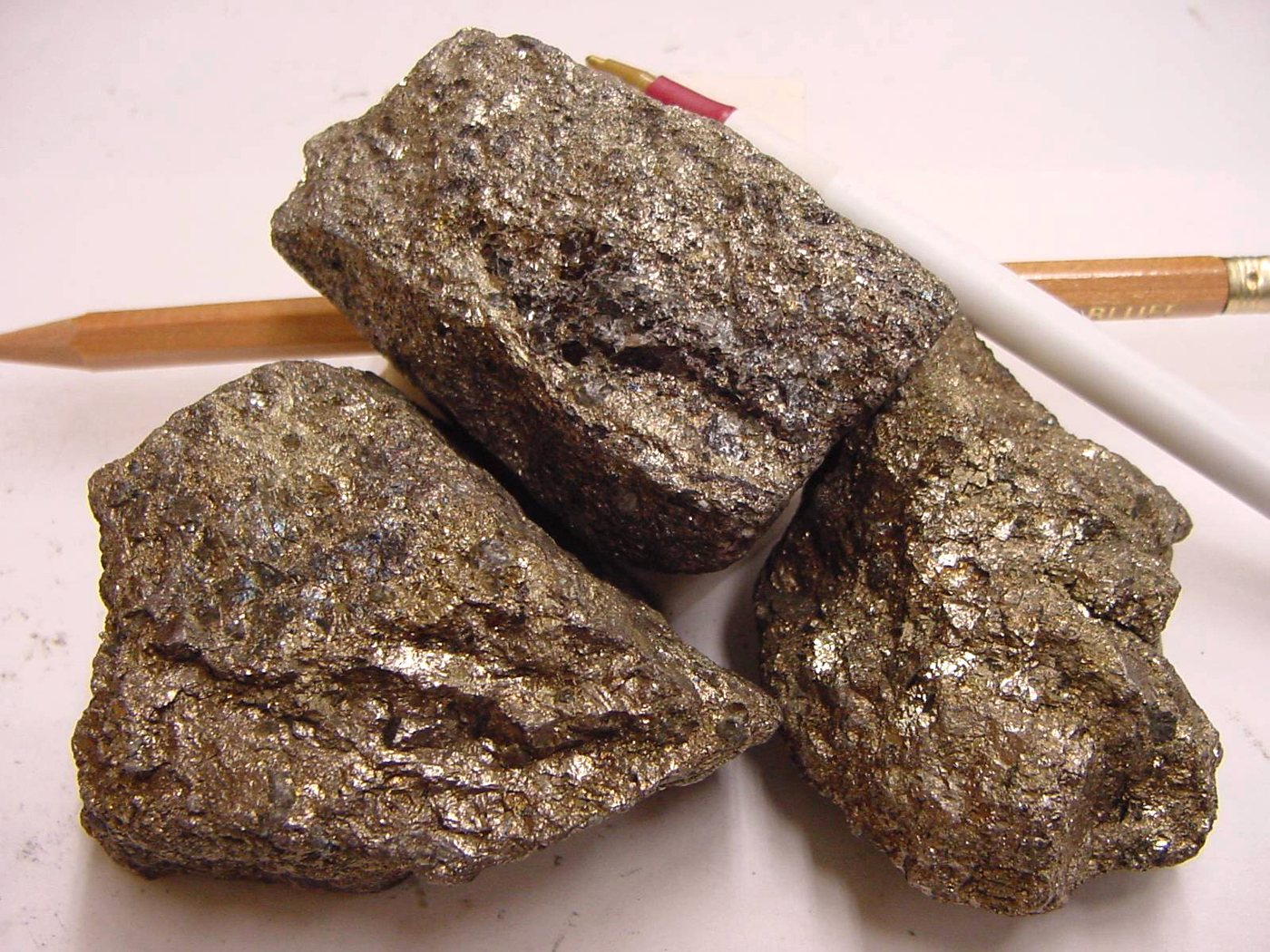
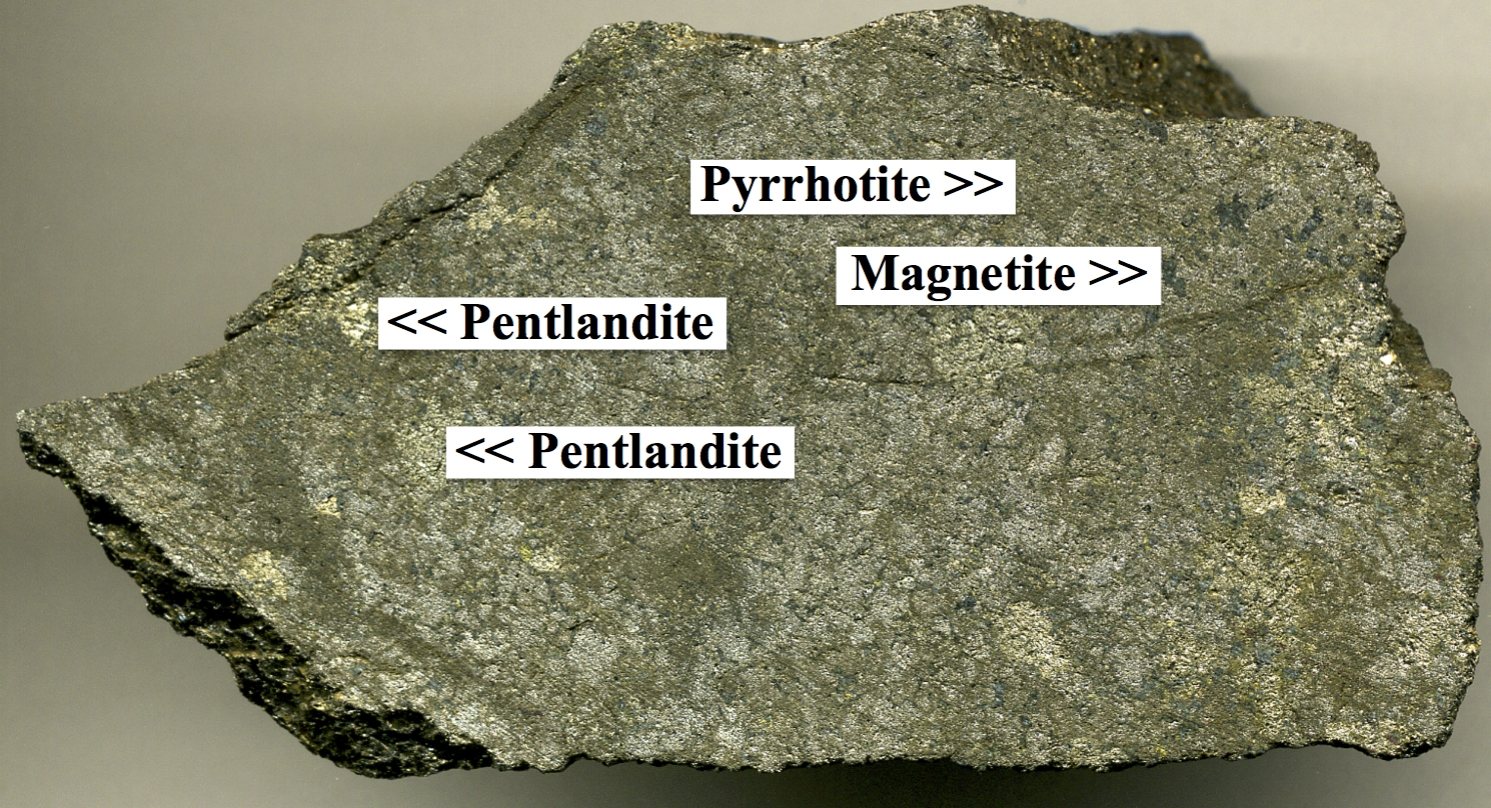
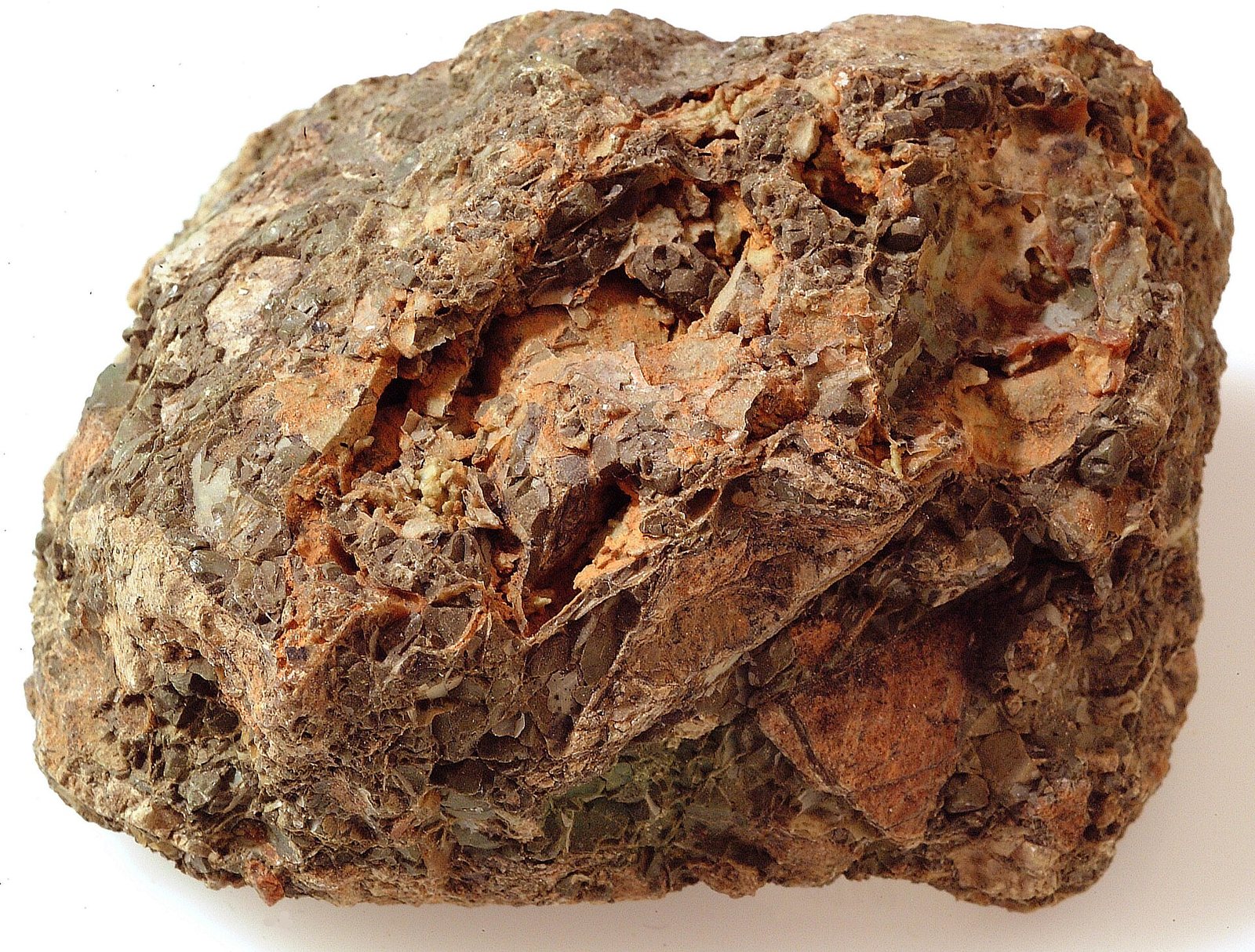
Pyrrhotite with pentlandite (late Paleoproterozoic, 1.85 Ga… · James St. John · CC BY 2.0 · Wikimedia Commons

¿Qué es?

A silvery metal that resists rust, which is why it goes into stainless steel — and, more recently, into the cathodes that give an EV its range.

¿Por qué importa?

Two-thirds of nickel still goes into stainless steel, but the battery share is what moved the market: raising nickel in a cathode raises the energy the cell can hold.

Where it is in the Earth

Nickel reaches minable concentrations through two quite different geological processes, which is why the deposits look nothing like each other and require very different methods to extract. The first process is magmatic: when molten rock rich in iron, magnesium and sulfur cools slowly deep in the crust, nickel tends to follow sulfur and iron into droplets of liquid sulfide that sink through the magma and pool at the base of the intrusion. When that melt eventually solidifies, the result is a sulfide ore body — rock threaded with the mineral pentlandite — carrying nickel grades that the data here put at roughly one to three percent by weight. The great sulfide camps of Sudbury in Canada and Norilsk-Talnakh in Russia formed this way, though Sudbury has the additional distinction of having been shaped or at least reprocessed by a meteorite impact, which concentrated the sulfides further.

The second process is entirely at the surface. When ancient ultramafic rocks — the same iron- and magnesium-rich rock types that host sulfide deposits — are exposed to prolonged tropical weathering over millions of years, water slowly dissolves and carries away much of the magnesium and silica. Nickel, being less mobile, is left behind and gradually enriches in the remaining clay and oxide minerals near the surface. The result is a laterite deposit: a broad, shallow blanket of reddish or greenish saprolite and limonite that can extend over a large area but carries nickel in a fundamentally different mineralogical form, mainly in the silicate garnierite or locked into iron oxide minerals. Indonesia sits on one of the world's largest accumulations of these laterised ultramafic rocks, which is why it now accounts for so large a share of world output.

The distinction between sulfide and laterite is not merely geological curiosity. Sulfide ores tend to occur at depth and in discrete bodies, making them amenable to selective underground mining and relatively straightforward concentration by flotation. Laterite ores are widespread, near-surface and fine-grained, which makes them harder to concentrate by physical means and generally requires either smelting or hydrometallurgical leaching — processes that consume considerably more energy per tonne of nickel produced. Where a deposit sits on the geological spectrum between these two end-members shapes almost every subsequent decision in the supply chain.

Getting it out

Sulfide nickel deposits are typically mined underground, because the ore bodies are narrow, steeply dipping and located at considerable depth. Miners drive tunnels to reach the ore zone and use methods such as cut-and-fill or blasthole stoping — essentially carving out large underground chambers — to extract the rock. The ore grades associated with sulfide deposits, running around one to two percent nickel, sound low, but because so much of the unwanted rock (called gangue) can be left underground or managed as tailings after milling, the economics can work well. The Norilsk-Talnakh complex in Russia and the Sudbury Basin in Canada are the canonical examples of this type.

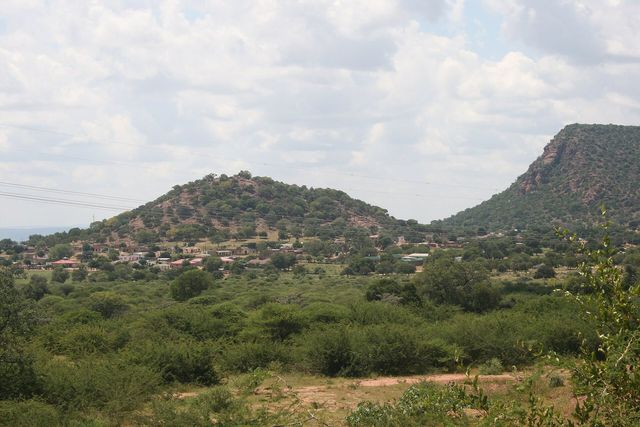
Laterite deposits are a different matter. Because the enriched material forms a near-surface blanket, it is usually stripped by open-pit methods: overburden is removed, and the ore is excavated in horizontal benches. The Sorowako operation in Indonesia follows this pattern. The trade-off is that laterite ore is bulky and low-grade relative to the energy needed to process it, so very large volumes of material move through the system for each tonne of nickel recovered. There is no clean separation step equivalent to flotation: the nickel is dispersed through the clay and oxide minerals in a way that only heat or acid can release.

Grade matters in practice because it determines the ratio of waste to product at every stage. A mine processing ore at one percent nickel must handle a hundred tonnes of rock to obtain one tonne of contained metal, and most of those hundred tonnes must be moved, crushed, processed and disposed of. For laterite operations, the processing waste — whether slag from a smelter or tailings from a pressure-acid-leach plant — is substantial in volume and must be managed carefully to prevent environmental contamination, particularly because laterite processing often involves strong acids or high-pressure steam.

What pulls on it

Nickel's demand story has two quite separate chapters that are sometimes conflated. The older and larger chapter is stainless steel. Stainless steel is an alloy of iron, chromium and nickel in which the nickel stabilises a particular crystalline structure (the austenite phase) that gives the steel its combination of formability and corrosion resistance. Around two-thirds of all nickel consumed goes into this application, and that fraction has remained broadly stable for decades. Stainless steel production tends to follow construction activity, industrial output and consumer goods manufacturing, so nickel demand from this sector tracks general economic conditions rather than any specific technology transition.

The newer chapter is batteries. Nickel-manganese-cobalt (NMC) cathode chemistries, which dominate much of the electric vehicle market, use nickel as the primary active material. Raising the nickel share of the cathode increases the energy density — the amount of electricity the cell can store per kilogram — which in turn extends the range a vehicle can travel on a single charge. This is why battery manufacturers have progressively moved towards higher-nickel formulations. The intensity figures in the table on this page quantify what that means in practice: an NMC pack of the size typical for a mid-range electric vehicle contains between 40 and 60 kilograms of contained nickel. Multiply that by the number of vehicles being produced and the arithmetic makes clear why battery demand has become the part of the nickel market that attracts the most attention.

Beyond steel and batteries, nickel appears in superalloys used in the hot sections of aircraft engines, in alloys for nuclear steam generators, and in the electrodes of alkaline electrolysers used to produce hydrogen. These are smaller in volume than stainless steel but often require high-purity material and are less price-sensitive, so they carry disproportionate weight in discussions of supply adequacy. What would have to change for demand to shift sharply? On the battery side, a sustained move toward lithium iron phosphate (LFP) cathode chemistry — which contains no nickel at all — would reduce growth in battery demand. On the stainless side, a prolonged slowdown in global industrial output would reduce the base load. Neither of these is a certainty; they are simply the main variables that would alter the trajectory.

Turning ore into product Nivel 3

The processing route for nickel diverges sharply depending on whether the feed is sulfide or laterite, and this divergence has direct consequences for what product emerges at the end and who can use it. Sulfide ores are first crushed and ground (comminution) to liberate the pentlandite grains from the surrounding silicate rock, then concentrated by froth flotation — a process in which air bubbles selectively carry sulfide minerals to the surface of an agitated slurry, leaving gangue behind. The resulting concentrate, carrying perhaps ten to thirty percent nickel alongside copper, cobalt and platinum-group elements, is then smelted to produce a matte: a molten mixture of nickel and copper sulfides from which the silica and iron have been removed as slag. Further converting oxidises away more sulfur, and the resulting high-grade matte goes to a refinery where electrolytic or chemical processes separate nickel from copper, cobalt and the platinum-group metals. The output is Class 1 nickel — metal of at least 99.8% purity — suitable for battery applications or for forming into the briquettes and rounds traded on the London Metal Exchange.

Laterite ores cannot follow this route because flotation does not work on clay-hosted or oxide-hosted nickel. Two main alternatives exist. The first is pyrometallurgical: ore is dried and smelted in an electric furnace to produce ferronickel (an iron-nickel alloy typically running around twenty to forty percent nickel) or, in a more energy-intensive reduction process, nickel pig iron — a lower-grade ferronickel developed in China and Indonesia as a cheaper feed for stainless steel. These products are Class 2 materials: useful for stainless steel production but not readily upgradeable to the purity needed for battery cathode chemistry. The second route is hydrometallurgical: ore is dissolved in hot sulfuric acid under pressure (high-pressure acid leach, or HPAL), and the resulting solution is purified through solvent extraction and precipitation to recover nickel and cobalt as mixed hydroxide precipitate or sulfate. HPAL plants are technically demanding and capital-intensive, but they produce an intermediate that can be refined to battery-grade nickel sulfate. The Indonesia Morowali Industrial Park represents the large-scale integration of these laterite smelting and refining steps within a single industrial zone.

The critical point for anyone reading the production statistics is that Class 1 and Class 2 nickel are not interchangeable in all end uses. The rapid growth of nickel pig iron and ferronickel output from Indonesia has increased the total tonnage of contained nickel produced globally, but that material flows almost entirely into stainless steel. Battery manufacturers require Class 1 material or HPAL-derived intermediates, and the capacity to produce those from laterite feedstock — while growing — has been constrained by the capital cost and technical difficulty of HPAL. Losses accumulate at several points in both routes: smelter slag retains some nickel, tailings from flotation carry some away, and each hydrometallurgical purification step involves imperfect recovery. Where the losses are highest matters for both the economics and the environmental footprint of the operation.

Substitution and recycling Nivel 3

In stainless steel, the most direct substitute for nickel is manganese, sometimes combined with nitrogen, which can partially stabilise the austenite structure that nickel provides. Manganese-substituted stainless grades exist and are used where cost pressure is acute, but they sacrifice some corrosion resistance and formability compared with nickel-bearing grades, which limits their acceptance in demanding applications such as food-processing equipment, medical instruments and marine environments. Nickel can also be avoided altogether by using ferritic or martensitic stainless steels, which contain chromium but little or no nickel; these are widely used in cutlery, automotive trim and some structural applications, though again with trade-offs in toughness and weldability.

In battery cathodes, the main alternative to high-nickel NMC is lithium iron phosphate, which contains no nickel, cobalt or manganese. LFP cells have lower energy density — meaning a heavier battery for the same range — but they are less expensive per kilowatt-hour of capacity, tolerate a wider range of charging conditions, and have a longer cycle life. The balance between LFP and NMC varies significantly by geography and vehicle segment, and the competitive position of each chemistry shifts as manufacturing scale and raw material prices move. For applications where weight and volume are less constrained, LFP can serve adequately without any nickel at all.

Recycling returns nickel to the supply chain through two main streams. Stainless steel scrap is the larger: stainless production has relied on a high scrap fraction for decades, and the nickel in that scrap is largely recovered in the electric arc furnace melt. Battery recycling is younger and more complicated. The three main processes — pyrometallurgical smelting, hydrometallurgical dissolution, and direct recycling of cathode material — each recover nickel at different efficiencies and produce it in different forms. Collection rates for end-of-life batteries remain modest because the infrastructure is still being established and because many batteries currently reaching end-of-life came from early, smaller packs that are harder to process economically. As the volume of spent EV batteries grows, the economics of collection and processing will improve, but the timeline for that to represent a substantial fraction of supply depends on how quickly the vehicle fleet turns over.

Where the chain is fragile Nivel 4

The single most discussed structural feature of the nickel supply chain is the speed and scale of Indonesia's rise. The data shown on this page put Indonesia at 67% of world production as of 2025. That degree of concentration in one jurisdiction would be notable for any commodity; for a material whose importance to energy transition supply chains is growing, it invites serious scrutiny. The Indonesian expansion has been driven almost entirely by the conversion of laterite ore to nickel pig iron and ferronickel for stainless steel, with a more recent push into HPAL for battery intermediates. The regulatory and fiscal terms under which this expansion has occurred — including export restrictions on unprocessed ore — have reshaped global trade flows and forced processing capacity onshore, but the concentration of physical production remains.

A second structural fragility is the Class 1 versus Class 2 bifurcation described in the processing section. The published nickel production figures aggregate all contained nickel regardless of product form, but a tonne of nickel pig iron is not equivalent to a tonne of electrolytic nickel from the perspective of a battery manufacturer. Capacity to produce battery-suitable material — whether through sulfide smelting and refining or through HPAL — is more constrained than total nickel production figures suggest. HPAL plants have a history of technical difficulty and cost overruns during commissioning; several projects in different countries have experienced substantial delays. This means that even if global nickel supply appears adequate in aggregate, a shortage of the specific product forms required by battery cathode manufacturers is possible without any shortage appearing in the headline production numbers.

Reporting conventions add a further layer of uncertainty that researchers should track carefully. The USGS and the International Nickel Study Group (INSG) both publish production and consumption data, but they use different definitions of what counts as primary nickel, treat nickel in stainless steel scrap differently, and have historically disagreed on Chinese production figures because a portion of Chinese output — particularly nickel pig iron — was not reported through standard channels until relatively recently. Grades reported by mining companies follow JORC, NI 43-101 or PERC codes with differing requirements for what must be disclosed, and laterite deposits in particular show high spatial variability in grade that makes resource estimates sensitive to the interpolation method used. Where figures from different sources diverge, the explanation usually lies in one of these definitional differences rather than in a factual error by either party.

Interprete correctamente las cifras. Tonnages are contained nickel. Grades differ enormously: sulfide ore may run 1-2% Ni, laterite ore under 1.5%. Class 1 nickel (99.8%+, briquettes/powder) can be dissolved for battery sulfate. Class 2 (ferronickel, nickel pig iron) goes to stainless steel and cannot easily be upgraded.
A nickel laterite profile
limonite — iron-rich, low nickel, high cobalt saprolite — the nickel ore weathered, partly altered rock fresh ultramafic bedrock (the source) rain surface~30 m
Millions of years of tropical rain dissolve the soluble parts of ultramafic rock and leave the rest behind. Nickel concentrates in the middle of the weathered profile — shallow, soft, and mined with an excavator rather than explosives. Schematic. A full profile is typically 20–40 m from surface to fresh rock. Original diagram, The Materials Atlas.

De dónde proviene en la roca

Todos los minerales de mena →

Estos son los minerales que realmente contienen nickel. Un yacimiento solo es un cuerpo mineral si uno de ellos está suficientemente concentrado para costear su extracción.
Quién lo produce

Verlo en un mapa →

Mine production

Mine productionmetric tons 2025 (estimado) Total mundial 3,900,000 metric tons

USGS Mineral Commodity Summaries 2026 · Tonnages are contained nickel. Grades differ enormously: sulfide ore may run 1-2% Ni, laterite ore under 1.5%. · fuente ↗

Desplace la tabla lateralmente para ver las columnas restantes.

PaísProducción Cuota mundial
Indonesia 2,600,000 66.7%
Other countries 290,000 7.4%
Philippines 270,000 6.9%
Russia 200,000 5.1%
Canada 140,000 3.6%
New Caledonia 140,000 3.6%
China 120,000 3.1%
Brazil 70,000 1.8%
Australia 45,000 1.2%
United States 10,000 0.3%
Total mundial 3,900,000100%

«Withheld» significa que el USGS suprimió el dato para evitar revelar información de una empresa concreta — no equivale a cero. Las filas por país no siempre suman el total mundial porque la fuente redondea cada cifra de forma independiente y no siempre desglosa una línea de «otros países».

Quién posee las reservas

«Reservas» es un término preciso. Designa la parte de un yacimiento conocido que podría extraerse económicamente en este momento, con los precios y la tecnología actuales — no todo lo que existe en el subsuelo. Las reservas aumentan cuando suben los precios o se inventa un nuevo proceso, y disminuyen cuando bajan.

Reserves

Reservesmetric tons 2025

USGS Mineral Commodity Summaries 2026 · fuente ↗

PaísReservasCuota mundial
Indonesia 62,000,000 44.3%
Australia 25,000,000 17.9%
Brazil 16,000,000 11.4%
Other countries >9,100,000 6.5%
Russia 8,300,000 5.9%
New Caledonia 7,100,000 5.1%
Philippines 4,800,000 3.4%
China 4,400,000 3.1%
Canada 2,200,000 1.6%
United States 340,000 0.2%
Total mundial >140,000,000100%

La fuente publica este total mundial como un valor acotado y no como una cifra puntual, por lo que las cuotas de la última columna son también valores acotados.

Precio

Nickel, global price

Promedio anualUS$ per tonne

1995 · 9,596 alto 51,783 US$ per tonne 2026 · 16,632

Base: IMF global price of nickel — melting grade, LME spot. Promedios anuales publicados en FRED (IMF primary commodity prices) · fuente ↗. Estos son promedios anuales de referencia, no una cotización de mercado en tiempo real.

average annual, London Metal Exchange (LME), cash: Dollars per metric ton

Promedio anualdollars per metric ton

2021 · 18,476 alto 25,815 dollars per metric ton 2025 · 15,000

Base: average annual, London Metal Exchange (LME), cash: Dollars per metric ton. Promedios anuales publicados en USGS Mineral Commodity Summaries 2026 · fuente ↗. Estos son promedios anuales de referencia, no una cotización de mercado en tiempo real.

average annual, London Metal Exchange (LME), cash: Dollars per pound

Promedio anualdollars per pound

2021 · 8.38 alto 11.71 dollars per pound 2025 · 6.90

Base: average annual, London Metal Exchange (LME), cash: Dollars per pound. Promedios anuales publicados en USGS Mineral Commodity Summaries 2026 · fuente ↗. Estos son promedios anuales de referencia, no una cotización de mercado en tiempo real.

Minas que lo producen

Todas las minas →
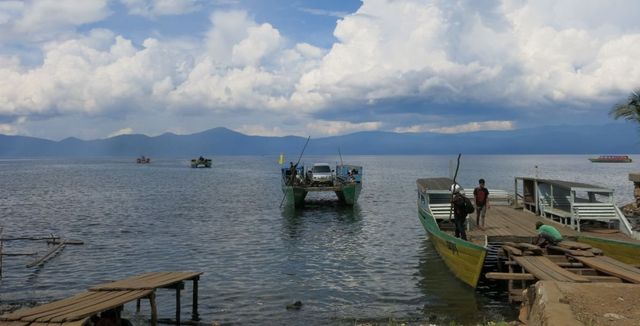
Norilsk-Talnakh
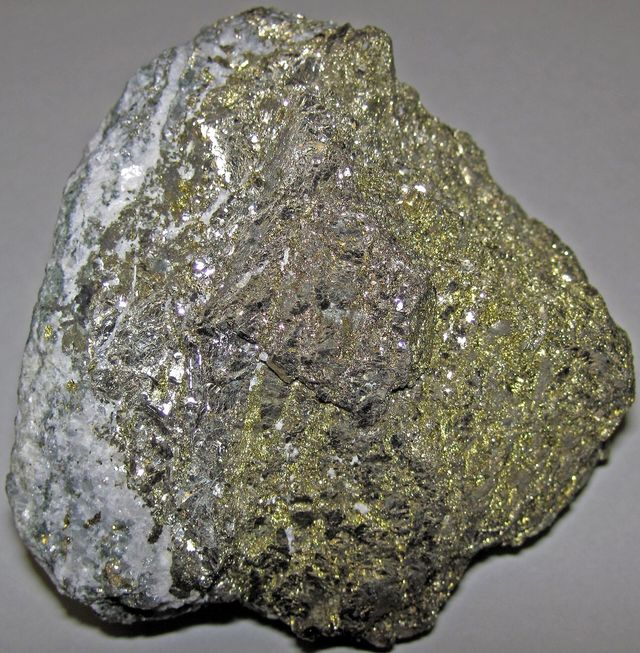
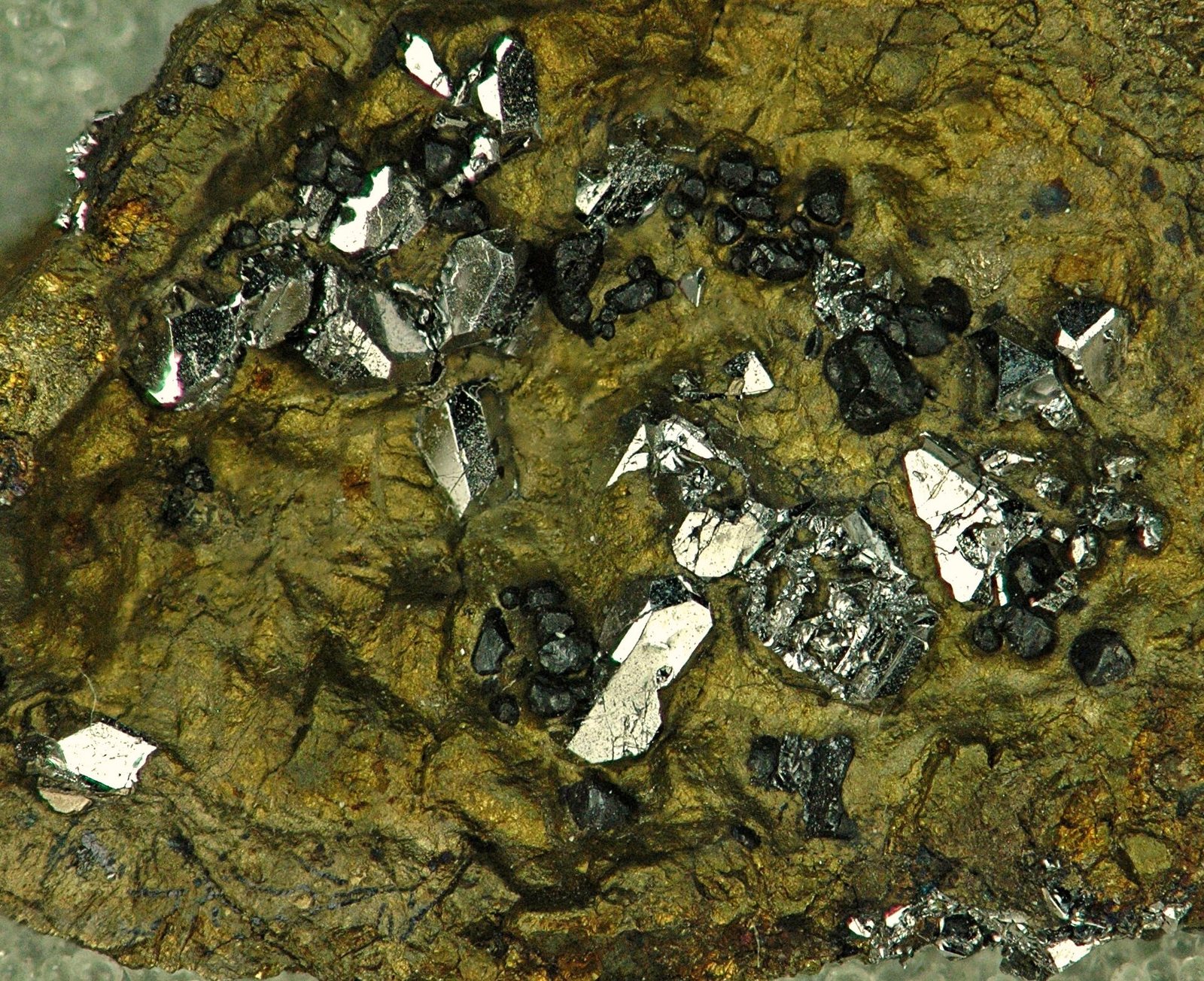
Norilsk-Talnakh, Russia — The largest palladium source in the world and a major nickel producer. Sperrylite in platinum-copper ore (Permian-Tr…, CC BY 2.0 via Wikimedia Commons

Norilsk-Talnakh →

Dónde se procesa y refina

PlantaTipo EtapaPaísFunción
Gigafactory Nevada GigafábricaComponente United StatesEntrada
Indonesia Morowali Industrial Park FundiciónProcesamiento IndonesiaProducción
Nadezhda Metallurgical Plant FundiciónProcesamiento RussiaProducción
Aero-Engine Turbine Plant, Derby Planta de fabricaciónProducto United KingdomEntrada
Huayou Cobalt Refineries Planta químicaRefinación ChinaEntrada
Jinchuan Group Smelter-Refinery RefineríaRefinación ChinaProducción
Rustenburg Base & Precious Metals Refineries RefineríaRefinación South AfricaEntrada
Mercado finalLo que hace allíImportancia
Electric Vehicles Raises the energy the cathode can hold Definición de
Aerospace & Defence Superalloy for hot sections Definición de
Hydrogen & Electrolysis Alkaline electrolyser electrodes Definición de
Nuclear Power Alloys for steam generators Importante

Cuánto necesita una tecnología

«Intensidad» significa simplemente cuánto material contiene una unidad de algo. Estos son rangos indicativos — los diseños reales varían según el fabricante y el año del modelo, y todos ellos están disminuyendo a medida que los ingenieros aprenden a utilizar menos.
TecnologíaCantidad CitadoBase
Alkaline Electrolyser 300.0–800.0 kg per MW of capacityElectrodes and catalyst coatings
NMC Lithium-Ion Battery NMC811 cathode is roughly 0.7 kg Ni per kWh. 40.00–60.00 kg per 75 kWh packContained nickel
Pressurised Water Reactor 500.0–1,500 t per GW of capacitySteam generators and alloy components
Single-Crystal Turbine Blade Typically 60% or more of the alloy. traza per blade setSuperalloy base

Indicative range compiled from published technology studies and chemistry; verify against a manufacturer specification before use. Ejecute estas cifras a cualquier escala en la calculadora de materiales →

Controles de exportación

PaísControlSe aplica a
IndonesiaExport ban Bauxite (2023), copper concentrates (2023), and nickel ore (2020).
LaosExport ban Raw minerals, including copper, gold, iron, nickel, potassium, silver, and zinc (2024).
TanzaniaExport ban Ore concentrates of copper, gold, nickel, and silver (2017).

USGS Mineral Commodity Summaries 2026, table 4 — controls in effect as of January 2026, excluding controls since lifted.

Síguelo a través de las fronteras

Todos los recorridos →

Adónde va realmente una partida de este material: cada país, cada custodio y qué queda atrás en cada paso.

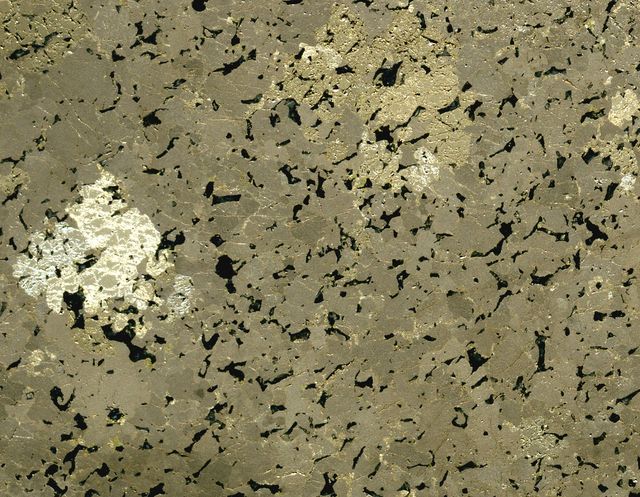
Indonesian laterite to a battery cathode A country that banned raw ore exports and built the processing industry instead. de Indonesia · Limonite laterite, roughly 1.3% nickel, with… New Caledonian laterite to stainless steel An island that smelts its own ore, and pays for it with the most expensive electricity in the industry. de New Caledonia · Saprolite laterite ore, roughly 2% nickel, low cobalt
Cadenas de suministro trazadas

Materiales

Todos los materiales Minerales críticos Tierras raras Materiales para baterías Minerales mena Tabla periódica Clasificador

El subsuelo

Minas y yacimientos Procesamiento y refinación Países Mapas

La economía

Recorridos de custodia Cadenas de suministro Mercados finales Tecnologías Empresas Calculadora de materiales

Aprender

AprenderGlosario Consultar los datosAgentes de IA Investigación y datosAPI abierta Noticias★ Guardado

Quiénes somos

Quiénes somosContacto MetodologíaFuentes de datos Política editorial Política de privacidadCondiciones de uso Aviso legal