암석에서 제품까지, 추적
The Materials Atlas
소재 광산 및 광상 가공 및 정제 인수인계 여정들 공급망 기업 국가 뉴스
분류별 소재 배터리 소재 희토류 원소 구리 및 전기 반도체 소재 핵 물질 항공우주 및 방위 귀금속 철강 및 합금 금속 산업용 광물 농업용 광물 에너지 원자재 광석 광물 주기율표
수요 최종 시장 기술 소재 계산기 지도 스크리너
학습 및 도구 학습용어집 데이터에 묻기AI 에이전트 조사 및 데이터API ★ 저장됨
소개 소개방법론 데이터 출처문의 면책 조항
읽기 옵션
🧭 안내 보기 광석 품위, 정광, 정제, 부산물 등의 용어가 생소하신가요? 탐색하는 동안 모든 용어를 쉬운 말로 설명해드립니다. 동일한 데이터에 도움말이 내장되어 있습니다.
⚡ 전문가 보기 업계 사정에 익숙한 이용자를 위한 뷰. 데이터만, 군더더기 없이, 빠르고 간결하게, 추가 설명 없이 제공된다. 기본 보기로 설정되어 있다.
테마
인터페이스 언어
심도 소재 페이지는 네 가지 수준으로 작성되어 있습니다. 소재 페이지에서 수준을 선택하면 해당 설정이 기억됩니다.
★ 저장됨 조사 및 데이터
Nickel

배터리 소재

Nickel Ni · 28

A silvery metal that resists rust, which is why it goes into stainless steel — and, more recently, into the cathodes that give an EV its range.

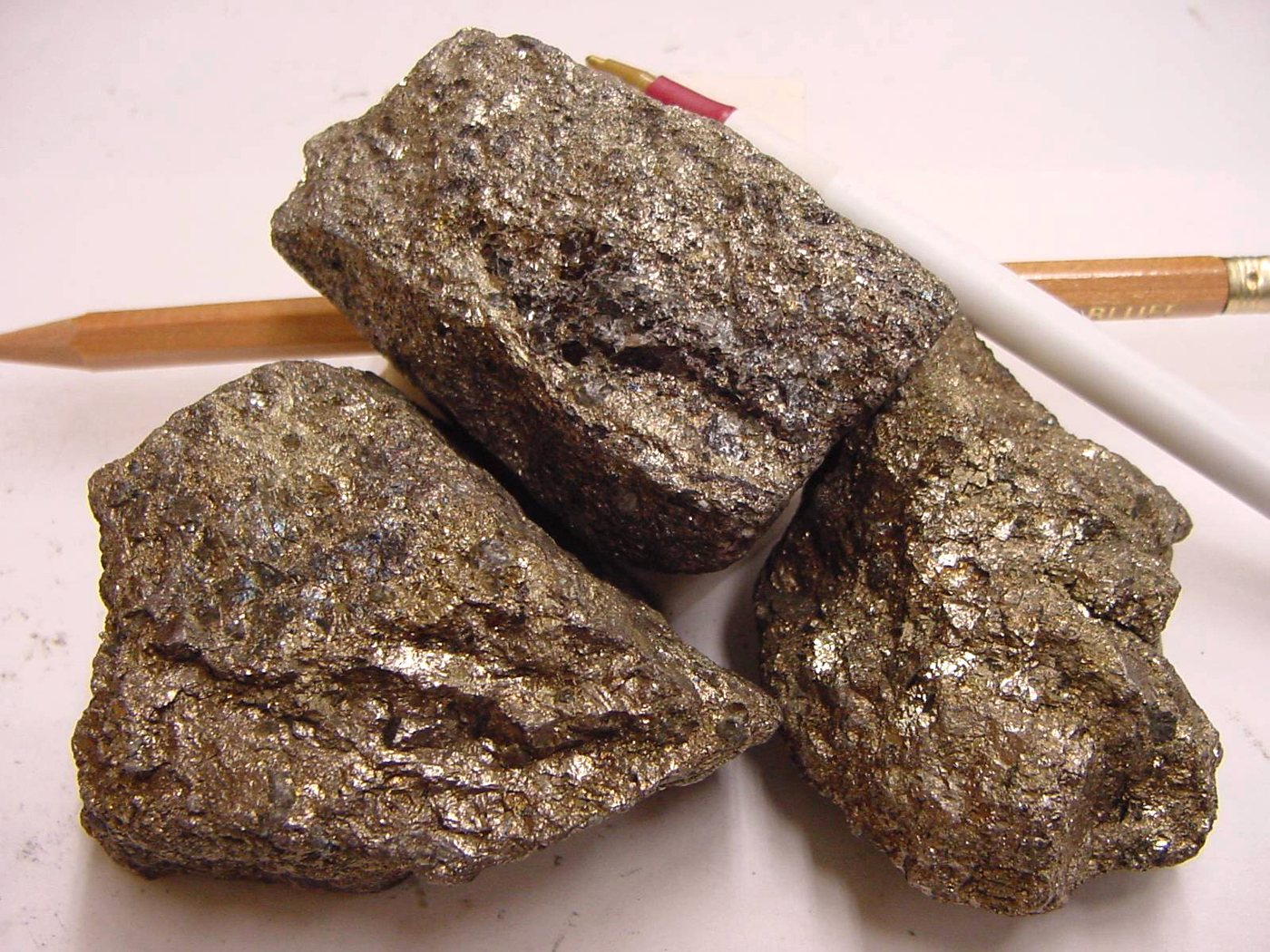
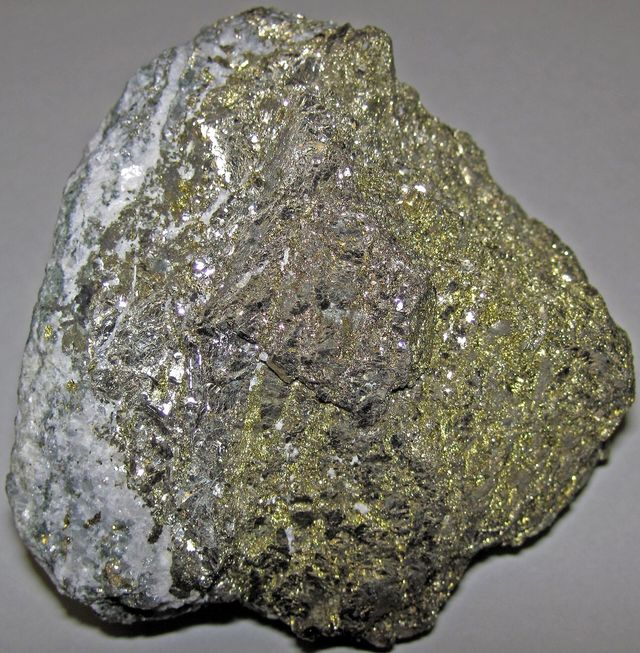
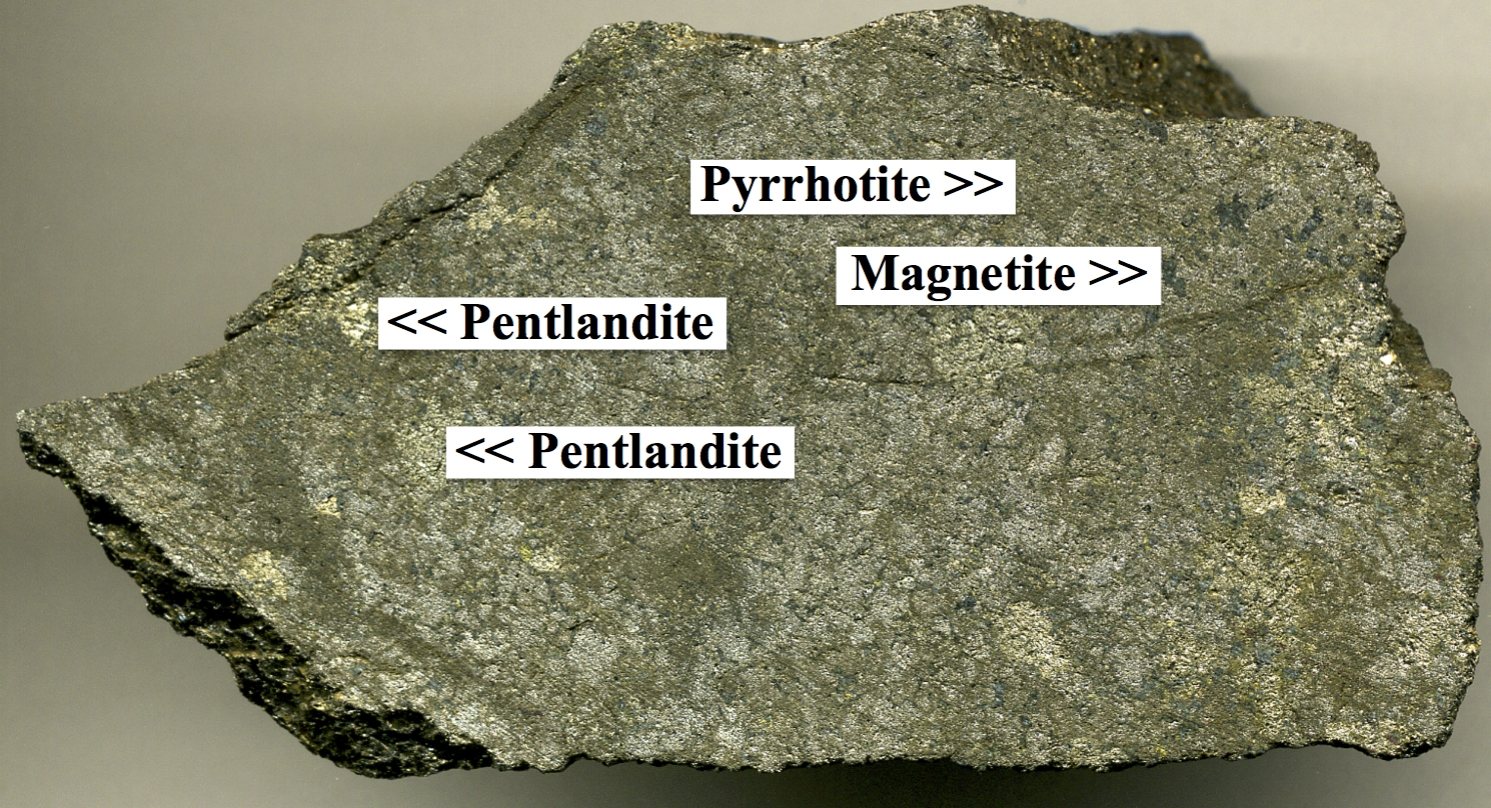
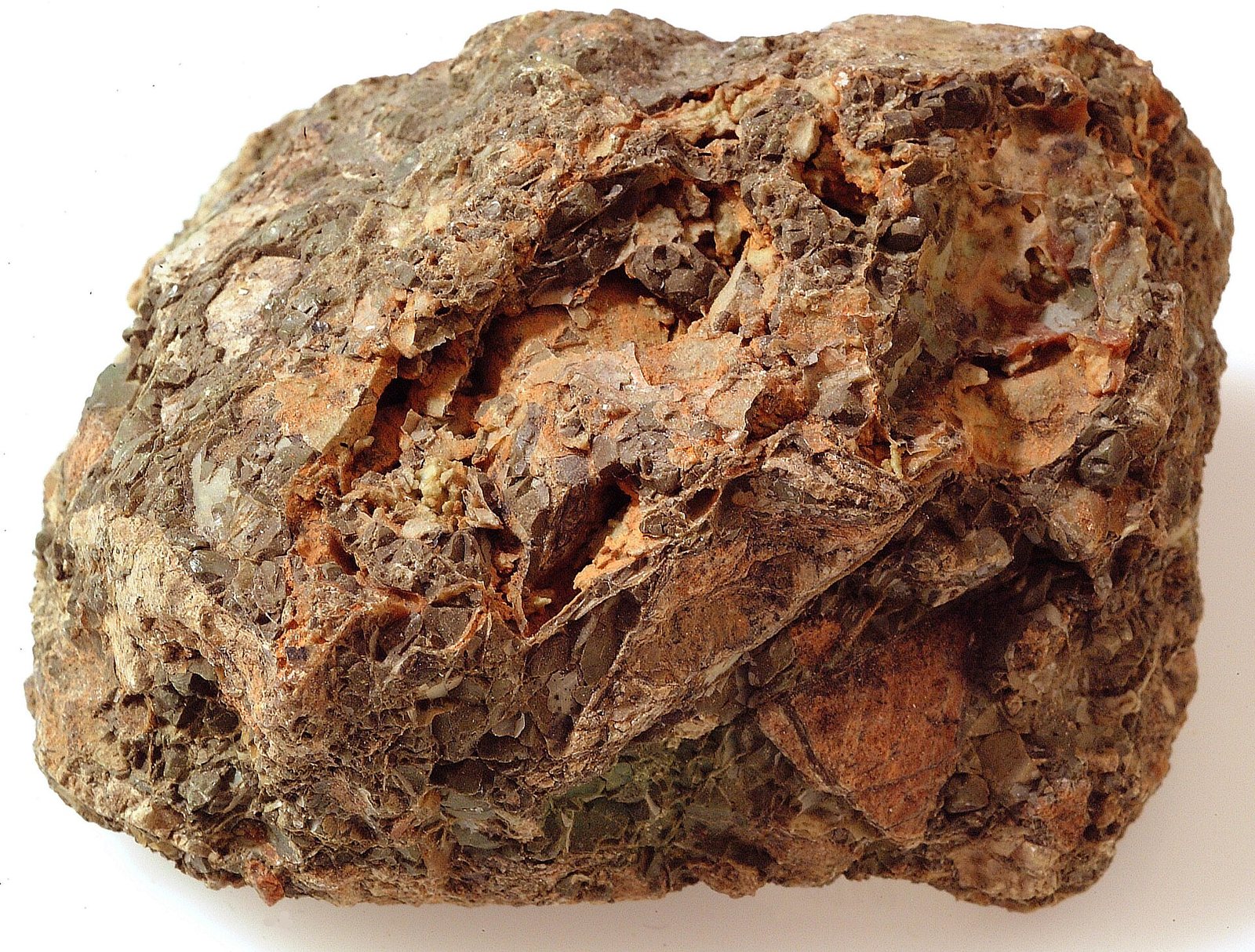
Pyrrhotite with pentlandite (late Paleoproterozoic, 1.85 Ga… · James St. John · CC BY 2.0 · Wikimedia Commons

이것은 무엇인가?

A silvery metal that resists rust, which is why it goes into stainless steel — and, more recently, into the cathodes that give an EV its range.

왜 중요한가?

Two-thirds of nickel still goes into stainless steel, but the battery share is what moved the market: raising nickel in a cathode raises the energy the cell can hold.

Where it is in the Earth

Nickel reaches minable concentrations through two quite different geological processes, which is why the deposits look nothing like each other and require very different methods to extract. The first process is magmatic: when molten rock rich in iron, magnesium and sulfur cools slowly deep in the crust, nickel tends to follow sulfur and iron into droplets of liquid sulfide that sink through the magma and pool at the base of the intrusion. When that melt eventually solidifies, the result is a sulfide ore body — rock threaded with the mineral pentlandite — carrying nickel grades that the data here put at roughly one to three percent by weight. The great sulfide camps of Sudbury in Canada and Norilsk-Talnakh in Russia formed this way, though Sudbury has the additional distinction of having been shaped or at least reprocessed by a meteorite impact, which concentrated the sulfides further.

The second process is entirely at the surface. When ancient ultramafic rocks — the same iron- and magnesium-rich rock types that host sulfide deposits — are exposed to prolonged tropical weathering over millions of years, water slowly dissolves and carries away much of the magnesium and silica. Nickel, being less mobile, is left behind and gradually enriches in the remaining clay and oxide minerals near the surface. The result is a laterite deposit: a broad, shallow blanket of reddish or greenish saprolite and limonite that can extend over a large area but carries nickel in a fundamentally different mineralogical form, mainly in the silicate garnierite or locked into iron oxide minerals. Indonesia sits on one of the world's largest accumulations of these laterised ultramafic rocks, which is why it now accounts for so large a share of world output.

The distinction between sulfide and laterite is not merely geological curiosity. Sulfide ores tend to occur at depth and in discrete bodies, making them amenable to selective underground mining and relatively straightforward concentration by flotation. Laterite ores are widespread, near-surface and fine-grained, which makes them harder to concentrate by physical means and generally requires either smelting or hydrometallurgical leaching — processes that consume considerably more energy per tonne of nickel produced. Where a deposit sits on the geological spectrum between these two end-members shapes almost every subsequent decision in the supply chain.

Getting it out

Sulfide nickel deposits are typically mined underground, because the ore bodies are narrow, steeply dipping and located at considerable depth. Miners drive tunnels to reach the ore zone and use methods such as cut-and-fill or blasthole stoping — essentially carving out large underground chambers — to extract the rock. The ore grades associated with sulfide deposits, running around one to two percent nickel, sound low, but because so much of the unwanted rock (called gangue) can be left underground or managed as tailings after milling, the economics can work well. The Norilsk-Talnakh complex in Russia and the Sudbury Basin in Canada are the canonical examples of this type.

Laterite deposits are a different matter. Because the enriched material forms a near-surface blanket, it is usually stripped by open-pit methods: overburden is removed, and the ore is excavated in horizontal benches. The Sorowako operation in Indonesia follows this pattern. The trade-off is that laterite ore is bulky and low-grade relative to the energy needed to process it, so very large volumes of material move through the system for each tonne of nickel recovered. There is no clean separation step equivalent to flotation: the nickel is dispersed through the clay and oxide minerals in a way that only heat or acid can release.

Grade matters in practice because it determines the ratio of waste to product at every stage. A mine processing ore at one percent nickel must handle a hundred tonnes of rock to obtain one tonne of contained metal, and most of those hundred tonnes must be moved, crushed, processed and disposed of. For laterite operations, the processing waste — whether slag from a smelter or tailings from a pressure-acid-leach plant — is substantial in volume and must be managed carefully to prevent environmental contamination, particularly because laterite processing often involves strong acids or high-pressure steam.

What pulls on it

Nickel's demand story has two quite separate chapters that are sometimes conflated. The older and larger chapter is stainless steel. Stainless steel is an alloy of iron, chromium and nickel in which the nickel stabilises a particular crystalline structure (the austenite phase) that gives the steel its combination of formability and corrosion resistance. Around two-thirds of all nickel consumed goes into this application, and that fraction has remained broadly stable for decades. Stainless steel production tends to follow construction activity, industrial output and consumer goods manufacturing, so nickel demand from this sector tracks general economic conditions rather than any specific technology transition.

The newer chapter is batteries. Nickel-manganese-cobalt (NMC) cathode chemistries, which dominate much of the electric vehicle market, use nickel as the primary active material. Raising the nickel share of the cathode increases the energy density — the amount of electricity the cell can store per kilogram — which in turn extends the range a vehicle can travel on a single charge. This is why battery manufacturers have progressively moved towards higher-nickel formulations. The intensity figures in the table on this page quantify what that means in practice: an NMC pack of the size typical for a mid-range electric vehicle contains between 40 and 60 kilograms of contained nickel. Multiply that by the number of vehicles being produced and the arithmetic makes clear why battery demand has become the part of the nickel market that attracts the most attention.

Beyond steel and batteries, nickel appears in superalloys used in the hot sections of aircraft engines, in alloys for nuclear steam generators, and in the electrodes of alkaline electrolysers used to produce hydrogen. These are smaller in volume than stainless steel but often require high-purity material and are less price-sensitive, so they carry disproportionate weight in discussions of supply adequacy. What would have to change for demand to shift sharply? On the battery side, a sustained move toward lithium iron phosphate (LFP) cathode chemistry — which contains no nickel at all — would reduce growth in battery demand. On the stainless side, a prolonged slowdown in global industrial output would reduce the base load. Neither of these is a certainty; they are simply the main variables that would alter the trajectory.

Turning ore into product 수준 3

The processing route for nickel diverges sharply depending on whether the feed is sulfide or laterite, and this divergence has direct consequences for what product emerges at the end and who can use it. Sulfide ores are first crushed and ground (comminution) to liberate the pentlandite grains from the surrounding silicate rock, then concentrated by froth flotation — a process in which air bubbles selectively carry sulfide minerals to the surface of an agitated slurry, leaving gangue behind. The resulting concentrate, carrying perhaps ten to thirty percent nickel alongside copper, cobalt and platinum-group elements, is then smelted to produce a matte: a molten mixture of nickel and copper sulfides from which the silica and iron have been removed as slag. Further converting oxidises away more sulfur, and the resulting high-grade matte goes to a refinery where electrolytic or chemical processes separate nickel from copper, cobalt and the platinum-group metals. The output is Class 1 nickel — metal of at least 99.8% purity — suitable for battery applications or for forming into the briquettes and rounds traded on the London Metal Exchange.

Laterite ores cannot follow this route because flotation does not work on clay-hosted or oxide-hosted nickel. Two main alternatives exist. The first is pyrometallurgical: ore is dried and smelted in an electric furnace to produce ferronickel (an iron-nickel alloy typically running around twenty to forty percent nickel) or, in a more energy-intensive reduction process, nickel pig iron — a lower-grade ferronickel developed in China and Indonesia as a cheaper feed for stainless steel. These products are Class 2 materials: useful for stainless steel production but not readily upgradeable to the purity needed for battery cathode chemistry. The second route is hydrometallurgical: ore is dissolved in hot sulfuric acid under pressure (high-pressure acid leach, or HPAL), and the resulting solution is purified through solvent extraction and precipitation to recover nickel and cobalt as mixed hydroxide precipitate or sulfate. HPAL plants are technically demanding and capital-intensive, but they produce an intermediate that can be refined to battery-grade nickel sulfate. The Indonesia Morowali Industrial Park represents the large-scale integration of these laterite smelting and refining steps within a single industrial zone.

The critical point for anyone reading the production statistics is that Class 1 and Class 2 nickel are not interchangeable in all end uses. The rapid growth of nickel pig iron and ferronickel output from Indonesia has increased the total tonnage of contained nickel produced globally, but that material flows almost entirely into stainless steel. Battery manufacturers require Class 1 material or HPAL-derived intermediates, and the capacity to produce those from laterite feedstock — while growing — has been constrained by the capital cost and technical difficulty of HPAL. Losses accumulate at several points in both routes: smelter slag retains some nickel, tailings from flotation carry some away, and each hydrometallurgical purification step involves imperfect recovery. Where the losses are highest matters for both the economics and the environmental footprint of the operation.

Substitution and recycling 수준 3

In stainless steel, the most direct substitute for nickel is manganese, sometimes combined with nitrogen, which can partially stabilise the austenite structure that nickel provides. Manganese-substituted stainless grades exist and are used where cost pressure is acute, but they sacrifice some corrosion resistance and formability compared with nickel-bearing grades, which limits their acceptance in demanding applications such as food-processing equipment, medical instruments and marine environments. Nickel can also be avoided altogether by using ferritic or martensitic stainless steels, which contain chromium but little or no nickel; these are widely used in cutlery, automotive trim and some structural applications, though again with trade-offs in toughness and weldability.

In battery cathodes, the main alternative to high-nickel NMC is lithium iron phosphate, which contains no nickel, cobalt or manganese. LFP cells have lower energy density — meaning a heavier battery for the same range — but they are less expensive per kilowatt-hour of capacity, tolerate a wider range of charging conditions, and have a longer cycle life. The balance between LFP and NMC varies significantly by geography and vehicle segment, and the competitive position of each chemistry shifts as manufacturing scale and raw material prices move. For applications where weight and volume are less constrained, LFP can serve adequately without any nickel at all.

Recycling returns nickel to the supply chain through two main streams. Stainless steel scrap is the larger: stainless production has relied on a high scrap fraction for decades, and the nickel in that scrap is largely recovered in the electric arc furnace melt. Battery recycling is younger and more complicated. The three main processes — pyrometallurgical smelting, hydrometallurgical dissolution, and direct recycling of cathode material — each recover nickel at different efficiencies and produce it in different forms. Collection rates for end-of-life batteries remain modest because the infrastructure is still being established and because many batteries currently reaching end-of-life came from early, smaller packs that are harder to process economically. As the volume of spent EV batteries grows, the economics of collection and processing will improve, but the timeline for that to represent a substantial fraction of supply depends on how quickly the vehicle fleet turns over.

수치를 올바르게 읽으십시오. Tonnages are contained nickel. Grades differ enormously: sulfide ore may run 1-2% Ni, laterite ore under 1.5%. Class 1 nickel (99.8%+, briquettes/powder) can be dissolved for battery sulfate. Class 2 (ferronickel, nickel pig iron) goes to stainless steel and cannot easily be upgraded.
A nickel laterite profile
limonite — iron-rich, low nickel, high cobalt saprolite — the nickel ore weathered, partly altered rock fresh ultramafic bedrock (the source) rain surface~30 m
Millions of years of tropical rain dissolve the soluble parts of ultramafic rock and leave the rest behind. Nickel concentrates in the middle of the weathered profile — shallow, soft, and mined with an excavator rather than explosives. Schematic. A full profile is typically 20–40 m from surface to fresh rock. Original diagram, The Materials Atlas.

암석 내 산출 위치

전체 광석 광물 →

실제로 이를 함유하는 광물은 다음과 같다: nickel. 광체(orebody)란 채굴 비용을 충당할 만큼 특정 광물이 충분히 농집된 광상을 말한다.
Mine production

Mine productionmetric tons 2025 (추정치) 세계 합계 3,900,000 metric tons

USGS Mineral Commodity Summaries 2026 · Tonnages are contained nickel. Grades differ enormously: sulfide ore may run 1-2% Ni, laterite ore under 1.5%. · 출처 ↗

나머지 열을 보려면 표를 옆으로 스크롤하십시오.

국가생산 세계 비중
Indonesia 2,600,000 66.7%
Other countries 290,000 7.4%
Philippines 270,000 6.9%
Russia 200,000 5.1%
Canada 140,000 3.6%
New Caledonia 140,000 3.6%
China 120,000 3.1%
Brazil 70,000 1.8%
Australia 45,000 1.2%
United States 10,000 0.3%
세계 합계 3,900,000100%

'비공개'는 USGS가 개별 기업의 데이터 노출을 막기 위해 수치를 억제한 것으로, 0을 의미하지 않습니다. 출처가 각 수치를 독립적으로 반올림하고 '기타 국가' 항목을 항상 별도로 구분하지는 않기 때문에, 국가별 합계가 세계 합계와 일치하지 않을 수 있습니다.

매장량 보유 주체

'매장량'은 엄밀한 용어입니다. 현재의 가격과 현재의 기술로 경제적으로 채굴 가능한 것으로 확인된 광상의 일부를 의미하며, 지하에 존재하는 모든 양을 가리키는 것이 아닙니다. 매장량은 가격이 오르거나 새로운 공정이 개발되면 증가하고, 반대의 경우에는 감소합니다.

Reserves

Reservesmetric tons 2025

USGS Mineral Commodity Summaries 2026 · 출처 ↗

국가매장량세계 비중
Indonesia 62,000,000 44.3%
Australia 25,000,000 17.9%
Brazil 16,000,000 11.4%
Other countries >9,100,000 6.5%
Russia 8,300,000 5.9%
New Caledonia 7,100,000 5.1%
Philippines 4,800,000 3.4%
China 4,400,000 3.1%
Canada 2,200,000 1.6%
United States 340,000 0.2%
세계 합계 >140,000,000100%

출처에서 이 세계 합계를 정확한 수치가 아닌 범위로 공표하므로, 마지막 열의 점유율도 범위값이다.

가격

Nickel, global price

연간 평균US$ per tonne

1995 · 9,596 높음 51,783 US$ per tonne 2026 · 16,632

기준: IMF global price of nickel — melting grade, LME spot. 다음 자료에 게재된 연간 평균 FRED (IMF primary commodity prices) · 출처 ↗. 이 수치는 기준 연간 평균값이며, 실시간 시장 가격이 아니다.

average annual, London Metal Exchange (LME), cash: Dollars per metric ton

연간 평균dollars per metric ton

2021 · 18,476 높음 25,815 dollars per metric ton 2025 · 15,000

기준: average annual, London Metal Exchange (LME), cash: Dollars per metric ton. 다음 자료에 게재된 연간 평균 USGS Mineral Commodity Summaries 2026 · 출처 ↗. 이 수치는 기준 연간 평균값이며, 실시간 시장 가격이 아니다.

average annual, London Metal Exchange (LME), cash: Dollars per pound

연간 평균dollars per pound

2021 · 8.38 높음 11.71 dollars per pound 2025 · 6.90

기준: average annual, London Metal Exchange (LME), cash: Dollars per pound. 다음 자료에 게재된 연간 평균 USGS Mineral Commodity Summaries 2026 · 출처 ↗. 이 수치는 기준 연간 평균값이며, 실시간 시장 가격이 아니다.

이 소재를 생산하는 광산

전체 광산 →
Norilsk-Talnakh
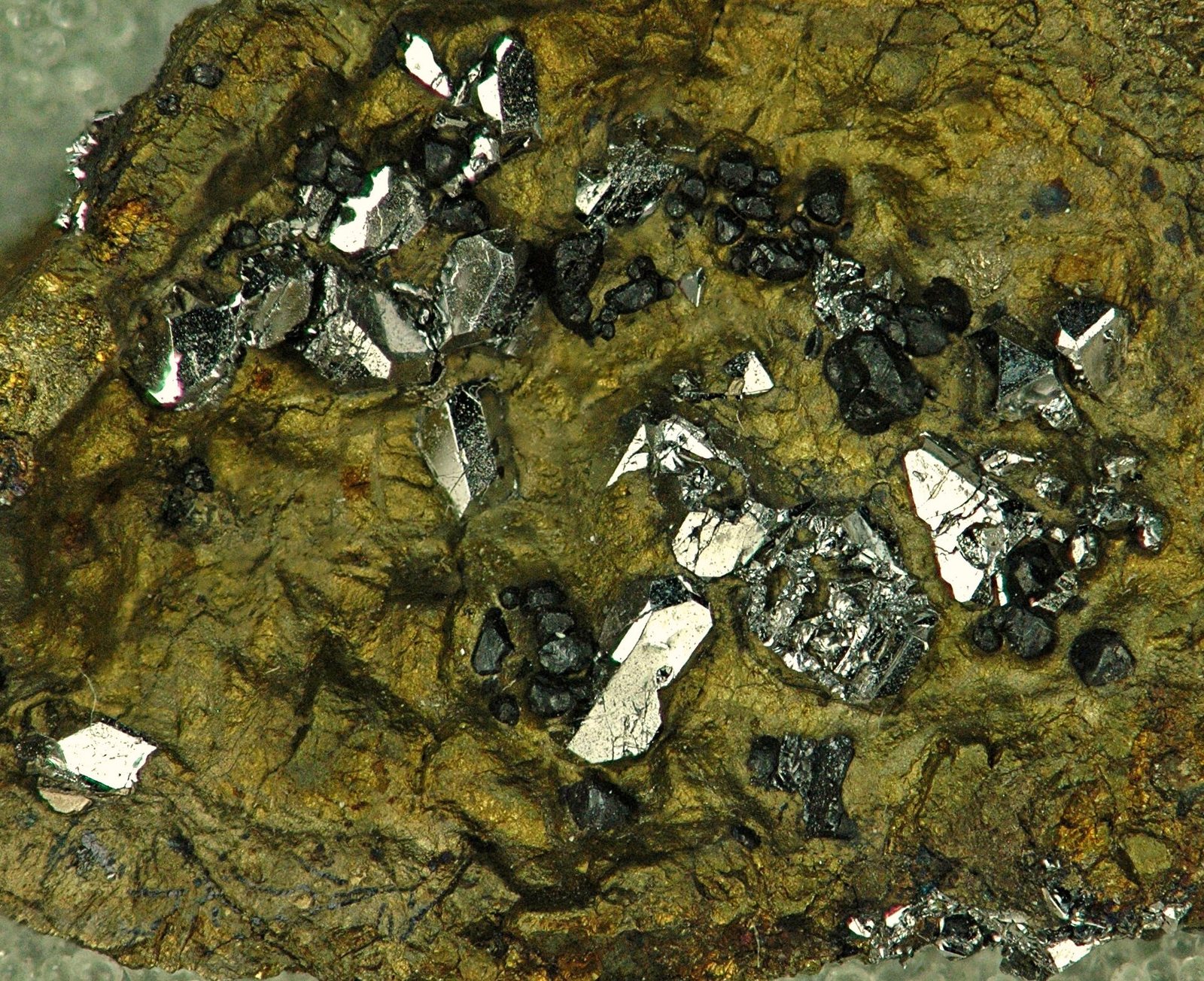
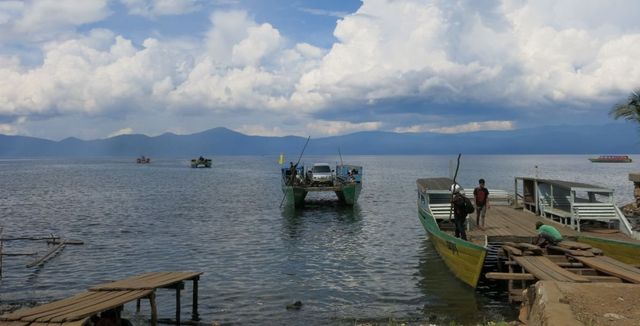
Norilsk-Talnakh, Russia — The largest palladium source in the world and a major nickel producer. Sperrylite in platinum-copper ore (Permian-Tr…, CC BY 2.0 via Wikimedia Commons

Norilsk-Talnakh →

처리·정련 지점

시설종류 단계국가역할
Gigafactory Nevada 기가팩토리구성 요소 United States투입물
Indonesia Morowali Industrial Park 제련소가공 Indonesia산출물
Nadezhda Metallurgical Plant 제련소가공 Russia산출물
Aero-Engine Turbine Plant, Derby 제조 플랜트제품 United Kingdom투입물
Huayou Cobalt Refineries 화학 플랜트정련 China투입물
Jinchuan Group Smelter-Refinery 정련소정련 China산출물
Rustenburg Base & Precious Metals Refineries 정련소정련 South Africa투입물
최종 시장거기에서의 기능중요도
Electric Vehicles Raises the energy the cathode can hold 정의
Aerospace & Defence Superalloy for hot sections 정의
Hydrogen & Electrolysis Alkaline electrolyser electrodes 정의
Nuclear Power Alloys for steam generators 중요

기술별 소요량

'집약도'란 어떤 제품 한 단위에 특정 소재가 얼마나 포함되는지를 나타냅니다. 여기에 제시된 수치는 참고 범위이며, 실제 설계는 제조사와 연식에 따라 다릅니다. 또한 엔지니어들이 사용량을 줄이는 방법을 익혀 가면서 모든 수치는 지속적으로 감소하고 있습니다.
기술수량 고시 가격기준
Alkaline Electrolyser 300.0–800.0 kg per MW of capacityElectrodes and catalyst coatings
NMC Lithium-Ion Battery NMC811 cathode is roughly 0.7 kg Ni per kWh. 40.00–60.00 kg per 75 kWh packContained nickel
Pressurised Water Reactor 500.0–1,500 t per GW of capacitySteam generators and alloy components
Single-Crystal Turbine Blade Typically 60% or more of the alloy. 미량 per blade setSuperalloy base

Indicative range compiled from published technology studies and chemistry; verify against a manufacturer specification before use. 재료 계산기에서 임의의 규모로 이 수치를 계산하십시오. →

수출 통제

국가지배력적용 대상
IndonesiaExport ban Bauxite (2023), copper concentrates (2023), and nickel ore (2020).
LaosExport ban Raw minerals, including copper, gold, iron, nickel, potassium, silver, and zinc (2024).
TanzaniaExport ban Ore concentrates of copper, gold, nickel, and silver (2017).

USGS Mineral Commodity Summaries 2026, table 4 — controls in effect as of January 2026, excluding controls since lifted.

국경을 따라 추적하기

모든 여정 →

이 소재의 화물이 실제로 가는 곳 — 모든 나라, 모든 보관자, 그리고 각 단계에서 남는 것.

Indonesian laterite to a battery cathode A country that banned raw ore exports and built the processing industry instead. 출처 Indonesia · Limonite laterite, roughly 1.3% nickel, with… New Caledonian laterite to stainless steel An island that smelts its own ore, and pays for it with the most expensive electricity in the industry. 출처 New Caledonia · Saprolite laterite ore, roughly 2% nickel, low cobalt
추적된 공급망

소재

전체 소재 핵심 광물 희토류 배터리 소재 광석 광물 주기율표 스크리너

지하

광산 및 광상 가공 및 정제 국가 지도

경제

인수인계 여정들 공급망 최종 시장 기술 기업 소재 계산기

학습

학습용어집 데이터에 묻기AI 에이전트 조사 및 데이터공개 API 뉴스★ 저장됨

소개

소개문의 방법론데이터 출처 편집 방침 개인정보 처리방침이용 약관 면책 조항