鉱石から製品まで、経路を追跡
The Materials Atlas
素材 鉱山・鉱床 処理・精製 管理移転経路 サプライチェーン 企業 ニュース
棚別素材 バッテリー材料 希土類元素 銅・電気 半導体材料 核物質 航空宇宙・防衛 貴金属 鉄鋼・合金金属 工業用鉱物 農業用鉱物 エネルギー原材料 鉱石鉱物 周期表
需要 最終市場 技術 素材計算機 地図 スクリーナー
学習・ツール 学ぶ用語集 データに質問するAIエージェント 調査・データAPI ★ 保存済み
概要 運営について方法論 データソースお問い合わせ 免責事項
表示オプション
🧭 ガイドビュー 鉱石品位、精鉱、精錬、副産物といった用語が初めての方へ。閲覧しながらすべての用語をわかりやすく解説します。同じデータを、解説付きでご覧いただけます。
⚡ 専門家向け解説 業界の知識はお持ちのはず。データのみを——簡潔、迅速、コンパクトに、余分な説明なしで。これがデフォルト表示です。
テーマ
インターフェース言語
深度 素材ページは4段階のレベルで構成されている。任意の素材ページでレベルを選択すると、その設定が記憶される。
★ 保存済み 調査・データ
Phosphate Rock

農業用鉱物

Phosphate Rock P · 15

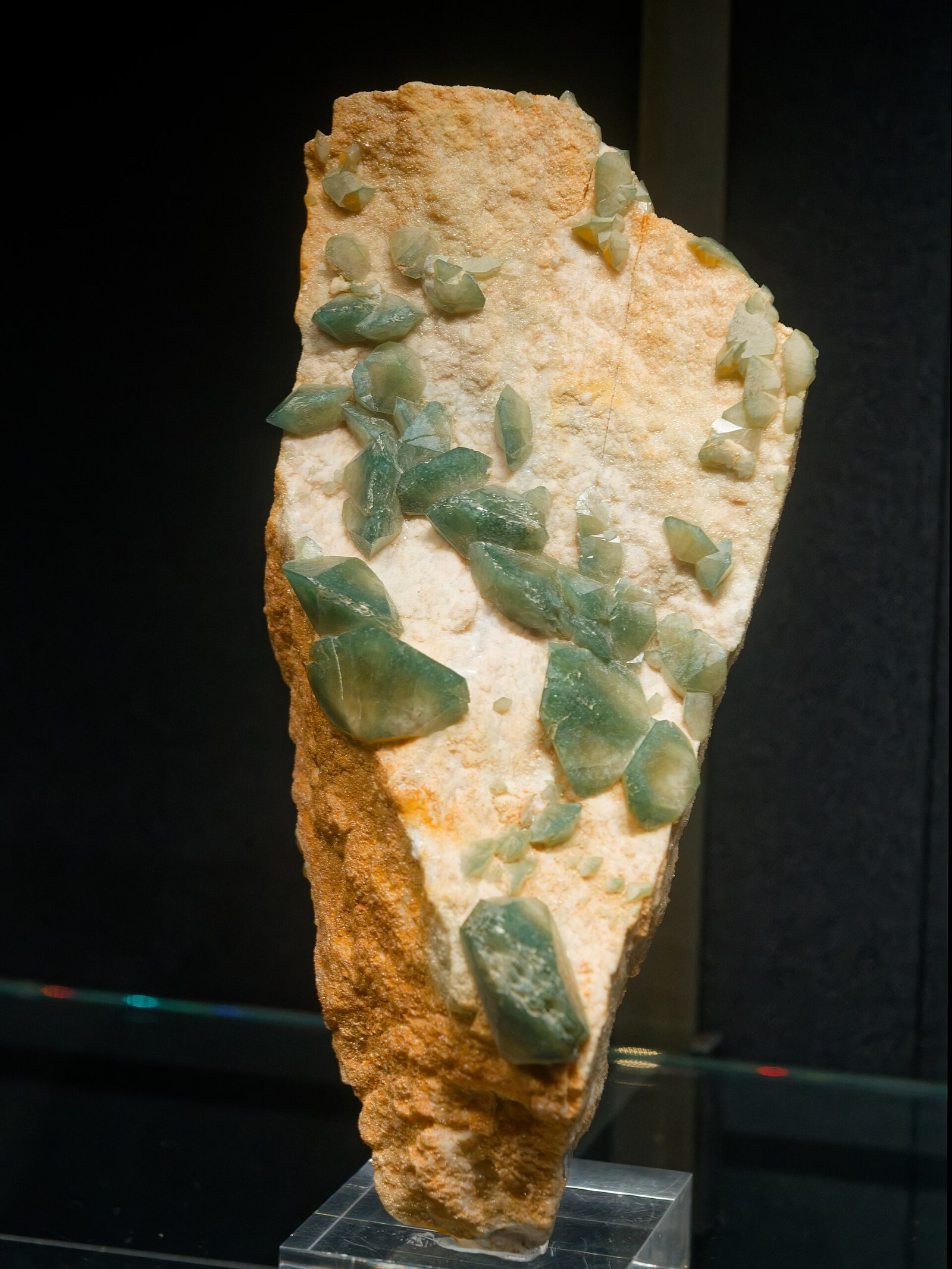
Rock full of the element phosphorus — the P in fertiliser, and now the P in the LFP batteries used in most new electric cars in China.

Apatite Sapo Mine Minéraux SU · Marie-Lan Taÿ Pamart · CC BY 4.0 · Wikimedia Commons

これは何か

Rock full of the element phosphorus — the P in fertiliser, and now the P in the LFP batteries used in most new electric cars in China.

なぜ重要なのか

No plant grows without phosphorus and there is no synthetic substitute. The same rock now also feeds the cheapest, safest lithium-battery chemistry.

Where it is in the Earth

Phosphorus is not rare in the Earth's crust, but usable concentrations of it are. The mineral that carries it is apatite, a calcium phosphate that forms in several geological settings. The vast majority of the world's mined phosphate rock comes from a specific type of sedimentary deposit called phosphorite, which formed when ancient, shallow seas created the right conditions for phosphorus to precipitate out of seawater and accumulate on the seafloor over millions of years. Cold, nutrient-rich ocean currents upwelling along continental margins brought phosphorus up from the deep and delivered it to shallow shelf environments where organic matter accumulated, decayed, and slowly recrystallised into the fine-grained carbonate-fluorapatite that makes up most commercial deposits. This explains why the great sedimentary phosphate fields of Morocco, the Middle East, and North Africa all lie in a broad belt that traces the edge of an ancient ocean called the Tethys Sea.

The other main geological setting is igneous: phosphate concentrated in intrusive rock bodies called carbonatites, which form when unusual, carbonate-rich magmas cool slowly at depth. These are the dominant deposit type in Russia, Brazil, Finland, and South Africa. Igneous apatite tends to be higher grade in phosphorus but often carries iron, rare earth elements, and other minerals alongside it, which complicates processing. A third, minor setting is guano — the accumulated excrement of seabirds and bats on oceanic islands — which was historically important but now represents only a small fraction of global supply.

The distribution of reserves in the tables makes the geological story plain. Morocco's reserves dwarf every other country's precisely because the Anti-Atlas and surrounding regions sit atop an extraordinarily thick, laterally continuous sequence of Cretaceous and Eocene marine phosphorites. The gap between Morocco's reserve figure and the rest of the world is not a quirk of reporting; it reflects a genuinely exceptional geological endowment. Countries like the United States, Jordan, and Egypt also owe their deposits to the same ancient marine system, while Russia and Brazil represent the igneous carbonatite province.

Getting it out

Almost all phosphate rock is won by open-pit mining, and the reason is straightforward: the sedimentary beds that host most of the world's reserves are broad, flat, and relatively shallow. Stripping away the overlying rock and soil — the overburden — and then excavating the ore in benches is more practical and far less expensive than sinking underground workings for a commodity sold at the prices the tables show. The ore is typically soft enough to be excavated directly by large shovels and scrapers without blasting, which simplifies operations and reduces cost. Draglines, a type of large excavating machine that casts a bucket forward on a cable and drags it back filled, are particularly common in the Florida and Morocco deposits.

Grade is expressed as the percentage of phosphorus pentoxide, written P₂O₅, in the rock. This is a chemical convention: analysts measure how much of the rock would convert to P₂O₅ if fully oxidised, and report that as a proxy for phosphorus content. Run-of-mine ore from a sedimentary deposit is rarely pure enough to sell directly; it must be upgraded. The ratio of waste moved to ore recovered — the strip ratio — varies by deposit but can be substantial, meaning that for every tonne of marketable rock produced, several tonnes of overburden and gangue (unwanted rock) must be handled. The tonnage figures in the production table are marketable rock after concentration, not raw material dug from the ground, so the actual scale of earth movement at these operations is considerably larger than the numbers suggest.

Igneous deposits, such as those mined in Russia's Kola Peninsula, are typically harder rock and require drilling and blasting, giving them a different cost profile. A small amount of phosphate is also recovered as a by-product from iron ore processing in certain regions, though this is a minor contributor to global supply. There is no significant brine or in-situ recovery of phosphate rock at commercial scale.

What pulls on it

Phosphorus is an essential macronutrient for all living things, and agriculture has always been the foundation of demand for phosphate rock. Plants cannot grow without it, it cannot be manufactured, and it cannot be replaced by any other element in the biochemical roles it plays — most importantly in DNA, cell membranes, and the energy-transfer molecule ATP. This makes the fertiliser industry's demand for phosphate rock essentially inelastic at the level of global food production. As the world's population has grown and diets have shifted toward higher meat consumption — which requires more grain per calorie produced — the total demand for phosphate fertiliser has grown alongside it. Farmers apply phosphate to replace what is removed from the soil in crops, and without that replacement, yields decline over time.

The end-markets table reflects a newer and rapidly growing source of demand: lithium iron phosphate, or LFP, batteries. LFP is a cathode chemistry in which iron phosphate forms the active material. It has become the dominant chemistry in electric vehicles sold in China and in stationary grid storage globally, largely because it is less expensive to produce and avoids the cobalt and nickel that other lithium battery chemistries require. The intensity figure in the table — the quantity of phosphate in a battery pack — indicates that each pack requires a meaningful quantity of processed phosphate, distinct in quality from fertiliser-grade material. As battery production has scaled, this demand segment has grown from negligible to significant within a short period. It competes with agriculture not so much for raw rock as for the higher-quality acid and precursor chemistry that sits downstream of the mine.

For demand to change sharply in either direction, the conditions would have to be unusual. A sustained decline in global food production volumes, or a large-scale shift back to organic farming at industrial scale, would reduce fertiliser demand, but neither is in prospect at any near-term horizon. On the battery side, a shift away from LFP to cathode chemistries that do not use iron phosphate — for example, back to nickel-based cathodes — would reduce that demand segment, and chemistry competition in the battery industry is real. The fertiliser demand, however, is structurally deep and unlikely to move quickly.

数値の読み方に注意してください。 Tonnages are gross weight of marketable phosphate rock, not contained P2O5. Rock concentrate, then phosphoric acid, then DAP/MAP fertiliser or purified acid for food and battery grades.

岩石中の産出箇所

全鉱石鉱物 →

実際に以下を担う鉱物 phosphate rock. 鉱床が鉱体となるのは、採掘コストを回収できるほど十分な濃度で鉱石が濃集している場合に限られる。
Mine production

Mine productionthousand metric tons 2025 (推定値) 世界合計 250,000 thousand metric tons

USGS Mineral Commodity Summaries 2026 · Tonnages are gross weight of marketable phosphate rock, not contained P2O5. · 出典 ↗

テーブルを横にスクロールすると残りの列が表示されます。

生産 世界に占める割合
China 110,000 44.0%
Morocco 36,000 14.4%
United States 20,000 8.0%
Russia 14,000 5.6%
Jordan 12,000 4.8%
Saudi Arabia 10,000 4.0%
Egypt 5,500 2.2%
Brazil 5,000 2.0%
Peru 4,800 1.9%
Tunisia 3,300 1.3%
Vietnam 3,000 1.2%
Senegal 2,800 1.1%
Australia 2,500 1.0%
Israel 2,400 1.0%
South Africa 2,200 0.9%
Algeria 2,000 0.8%
Kazakhstan 1,900 0.8%
Togo 1,600 0.6%
India 1,500 0.6%
Turkey 1,200 0.5%
Finland 980.0 0.4%
Uzbekistan 950.0 0.4%
Syria 800.0 0.3%
Other countries 770.0 0.3%
Mexico 450.0 0.2%
世界合計 250,000100%

「非開示」とは、個別企業のデータが特定されないようUSGSが数値を公表しなかったことを意味し、ゼロを意味するものではありません。出典が各数値を独立して丸め処理しており、「その他の国」の内訳を常に示しているわけではないため、各国の数値の合計が世界合計と一致しないことがあります。

埋蔵量の保有者

「埋蔵量」は厳密な用語です。既知の鉱床のうち、現在の価格と現在の技術で経済的に採掘できる部分を指し、地中に存在するすべてのものを意味するわけではありません。埋蔵量は、価格が上昇するか新たなプロセスが開発されると増加し、逆の場合は減少します。

Reserves

Reservesthousand metric tons 2025

USGS Mineral Commodity Summaries 2026 · 出典 ↗

埋蔵量世界に占める割合
Morocco 50,000,000 68.5%
China 3,400,000 4.7%
Egypt 2,800,000 3.8%
Tunisia 2,500,000 3.4%
Russia 2,400,000 3.3%
Algeria 2,200,000 3.0%
Brazil 1,600,000 2.2%
South Africa 1,500,000 2.1%
Saudi Arabia 1,000,000 1.4%
Finland 1,000,000 1.4%
United States 1,000,000 1.4%
Jordan 820,000 1.1%
Australia 800,000 1.1%
Other countries 800,000 1.1%
Kazakhstan 260,000 0.4%
Syria 250,000 0.3%
Peru 210,000 0.3%
Uzbekistan 100,000 0.1%
Turkey 71,000 0.1%
Israel 60,000 0.1%
Senegal 50,000 0.1%
India 31,000 0.0%
Togo 30,000 0.0%
Mexico 30,000 0.0%
Vietnam 30,000 0.0%
世界合計 73,000,000100%

価格

average value, f.o.b. mine, dollars per metric ton

年間平均dollars per metric ton

2021 · 83.00 高 101.0 dollars per metric ton 2025 · 100.0

基準: average value, f.o.b. mine, dollars per metric ton. 以下に公表された年間平均値: USGS Mineral Commodity Summaries 2026 · 出典 ↗. これらは参照用の年間平均値であり、リアルタイムの市況相場ではない。

産出鉱山

全鉱山 →
Khouribga
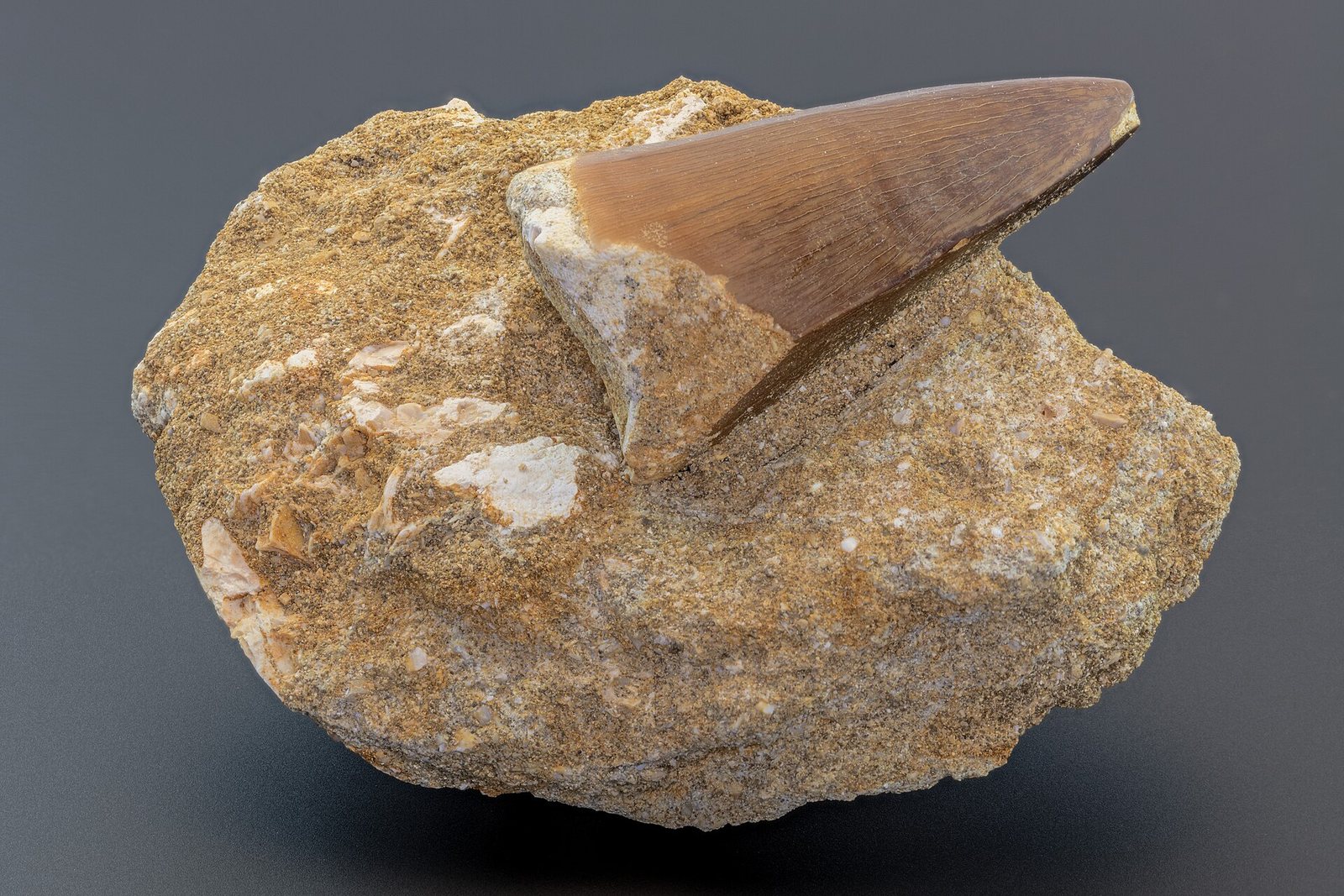
Khouribga, Morocco — Part of the largest phosphate reserve base in the world. Diente de Mosasaurus, Khouribga, Marruecos, 2…, CC BY-SA 4.0 via Wikimedia Commons

Khouribga →

処理・精製が行われる場所

プラント種別 ステージ役割
CATL Ningde Plants ギガファクトリーコンポーネント China投入
最終市場そこでの機能重要度
Electric Vehicles The cathode in LFP cells 定義
Agriculture & Food The P in NPK 定義
Grid Storage LFP cathode 定義

技術が必要とする量

「インテンシティ」とは、ある製品1単位に含まれる素材の量を指します。ここに示す値は参考レンジであり、実際の設計はメーカーやモデル年によって異なります。また、エンジニアが使用量を削減する技術を習得するにつれ、いずれの値も低下し続けています。
技術数量 建値基準
LFP Lithium-Ion Battery 25.00–45.00 kg per 75 kWh packAs phosphate in the cathode

Indicative range compiled from published technology studies and chemistry; verify against a manufacturer specification before use. 素材計算機で任意の規模に換算して実行 →
トレース済みサプライチェーン

素材

全素材 重要鉱物 レアアース バッテリー材料 鉱石鉱物 周期表 スクリーナー

地下

鉱山・鉱床 処理・精製 地図

経済

管理移転経路 サプライチェーン 最終市場 技術 企業 素材計算機

学ぶ

学ぶ用語集 データに質問するAIエージェント 調査・データオープンAPI ニュース★ 保存済み

運営について

運営についてお問い合わせ 方法論データソース 編集方針 プライバシーポリシー利用規約 免責事項