Rock to product, traced
The Materials Atlas
Materials Mines & deposits Processing & refining Custody journeys Supply chains Companies Countries News
Materials by shelf Battery Materials Rare Earth Elements Copper & Electrical Semiconductor Materials Nuclear Materials Aerospace & Defence Precious Metals Steel & Alloy Metals Industrial Minerals Agricultural Minerals Energy Raw Materials Ore minerals Periodic table
Demand End markets Technologies Material calculator Maps Screener
Learn & tools LearnGlossary Ask the DataAI agents Research & dataAPI ★ Saved
About About usMethodology Data sourcesContact Disclaimer
Reading options
🧭 Guided View New to this — ore grades, concentrate, refining, by-products? We explain every term as you browse, in plain English. Same data, with the help built in.
⚡ Expert View You already know the industry. Just the data — clean, fast and compact, with no extra explanations. This is the default view.
Theme
Interface language
Depth Material pages are written at four levels. Pick one on any material page and it is remembered.
★ Saved Research & data
Nickel to Battery Cathode

Supply chain

Nickel to Battery Cathode

Two ore types, two processing routes, and a wall between them that took twenty years to break.

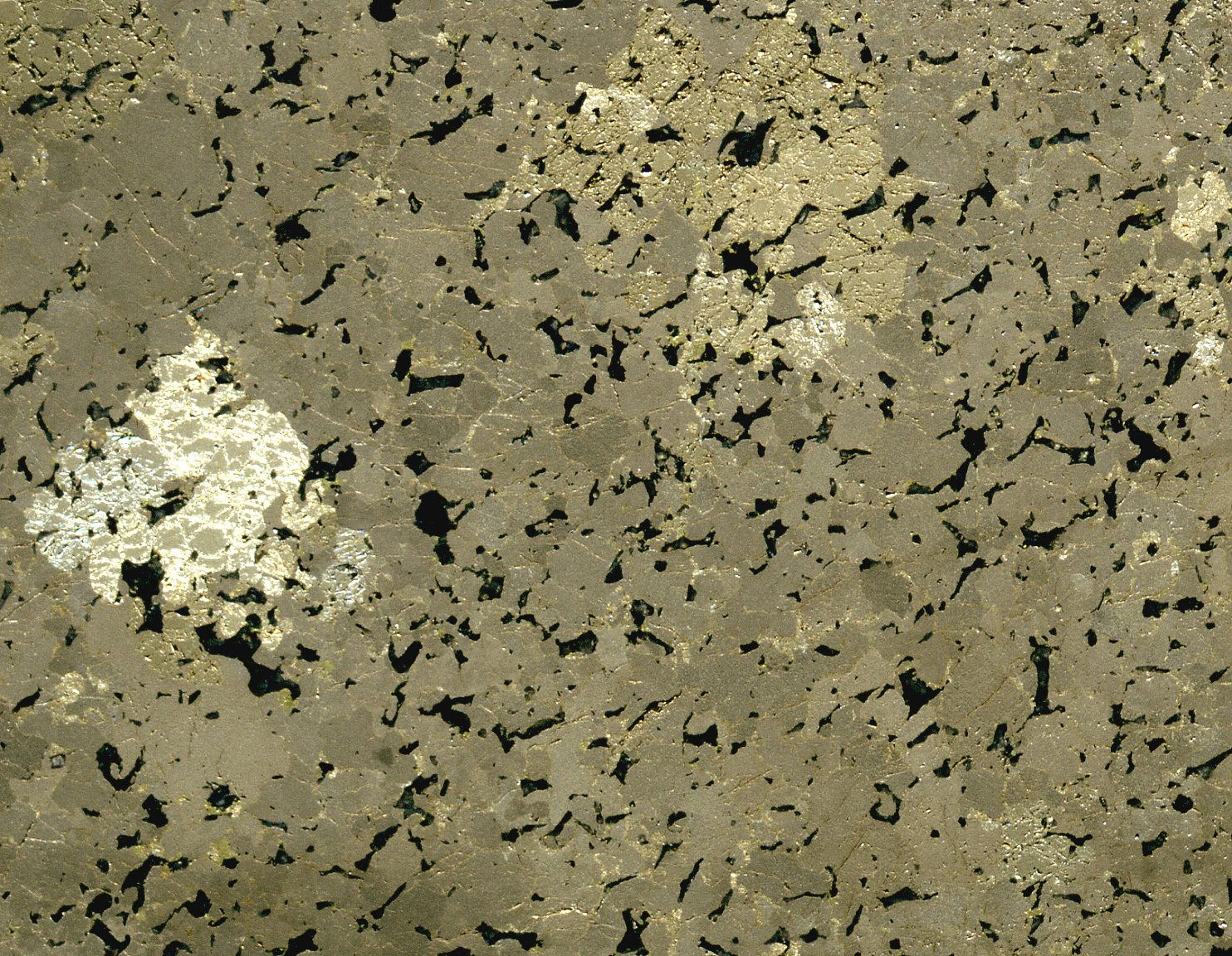
Pentlandite in pyrrhotite closeup, South Mine, Sudbury · James St. John · CC BY 2.0 · Wikimedia Commons

The short version

Nickel sulfide is easy to make battery-grade and running out. Nickel laterite is abundant and was long stuck in stainless steel. High-pressure acid leaching and the nickel-matte conversion route opened laterite to the battery market and reshaped world supply.

The narrowest link. Class 1 nickel — the kind that dissolves for battery sulfate — is a minority of world supply.

Stage by stage

01Deposit

Magmatic sulfide or tropical laterite

Sulfide ore formed where magma separated a metal-rich liquid. Laterite formed where millions of years of rain rotted ultramafic rock at the surface.
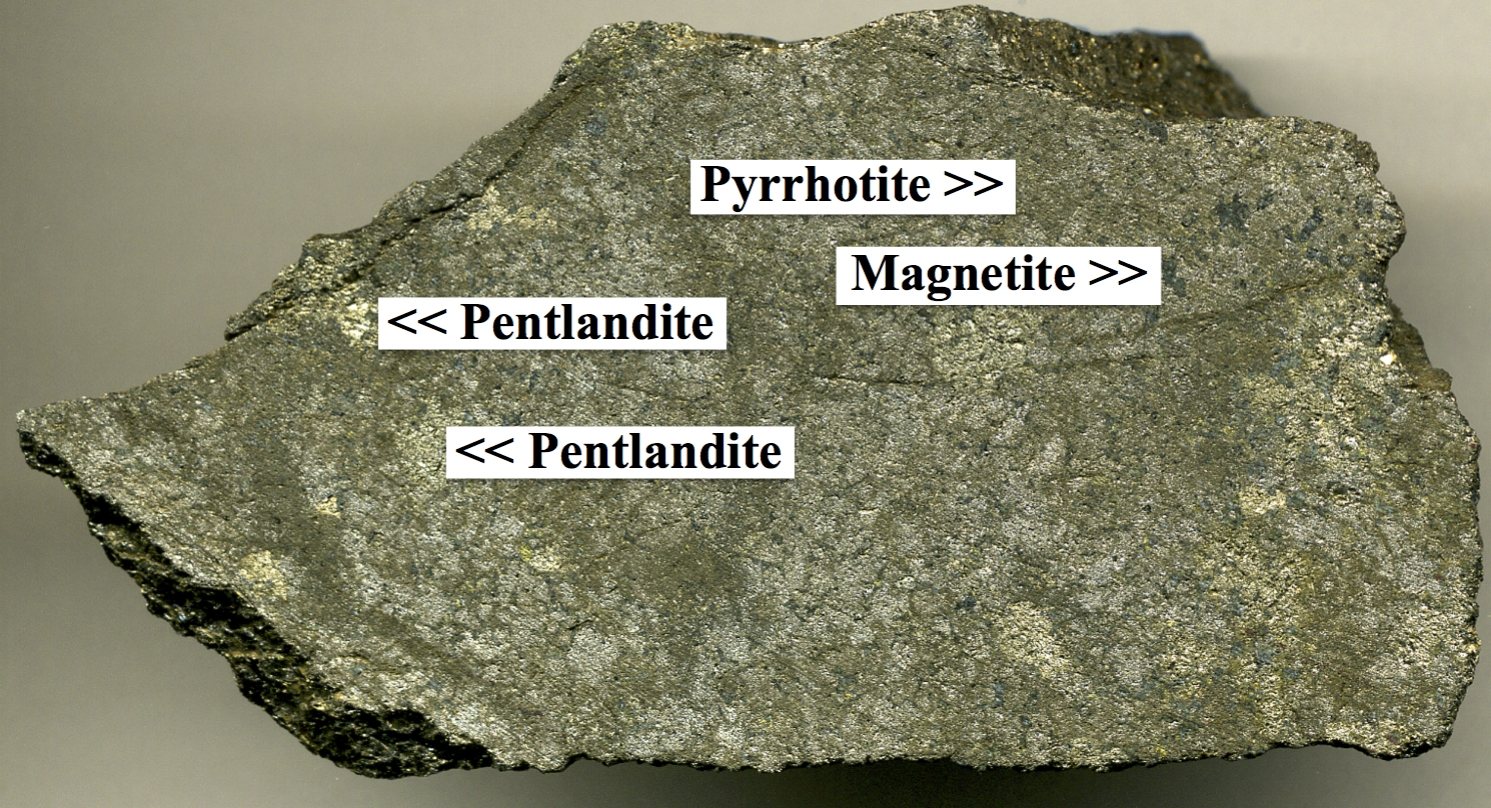
Nickel →

Nickel
Pyrrhotite with pentlandite (late Paleoproter… · CC BY 2.0 via Wikimedia Commons
02Mine

Sudbury, Norilsk or Sulawesi laterite

Sulfide is mined underground and floated. Laterite is stripped from shallow soil with excavators.
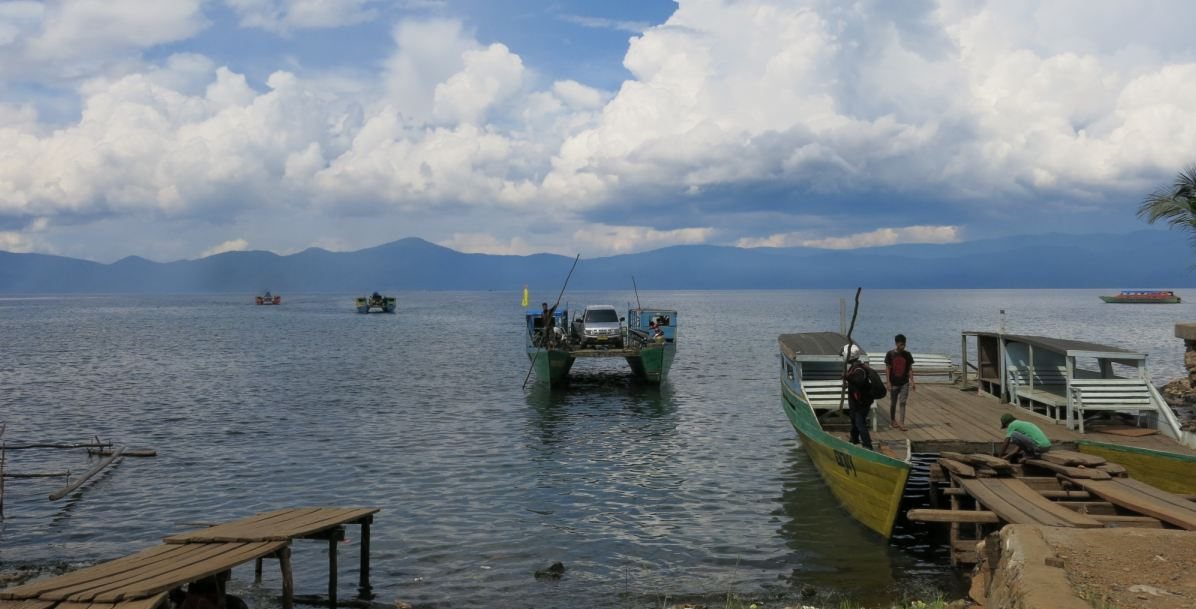
Sorowako →

Sorowako
Kapal motor penyeberangan Nuha - Sorowako.JPG · CC BY 3.0 via Wikimedia Commons
03Processing

Smelting or high-pressure acid leach

Sulfide goes to a smelter and becomes matte. Laterite is either smelted to ferronickel or leached in an autoclave at 250 C and 40 bar.

Note: HPAL is capital-intensive and historically difficult to commission.
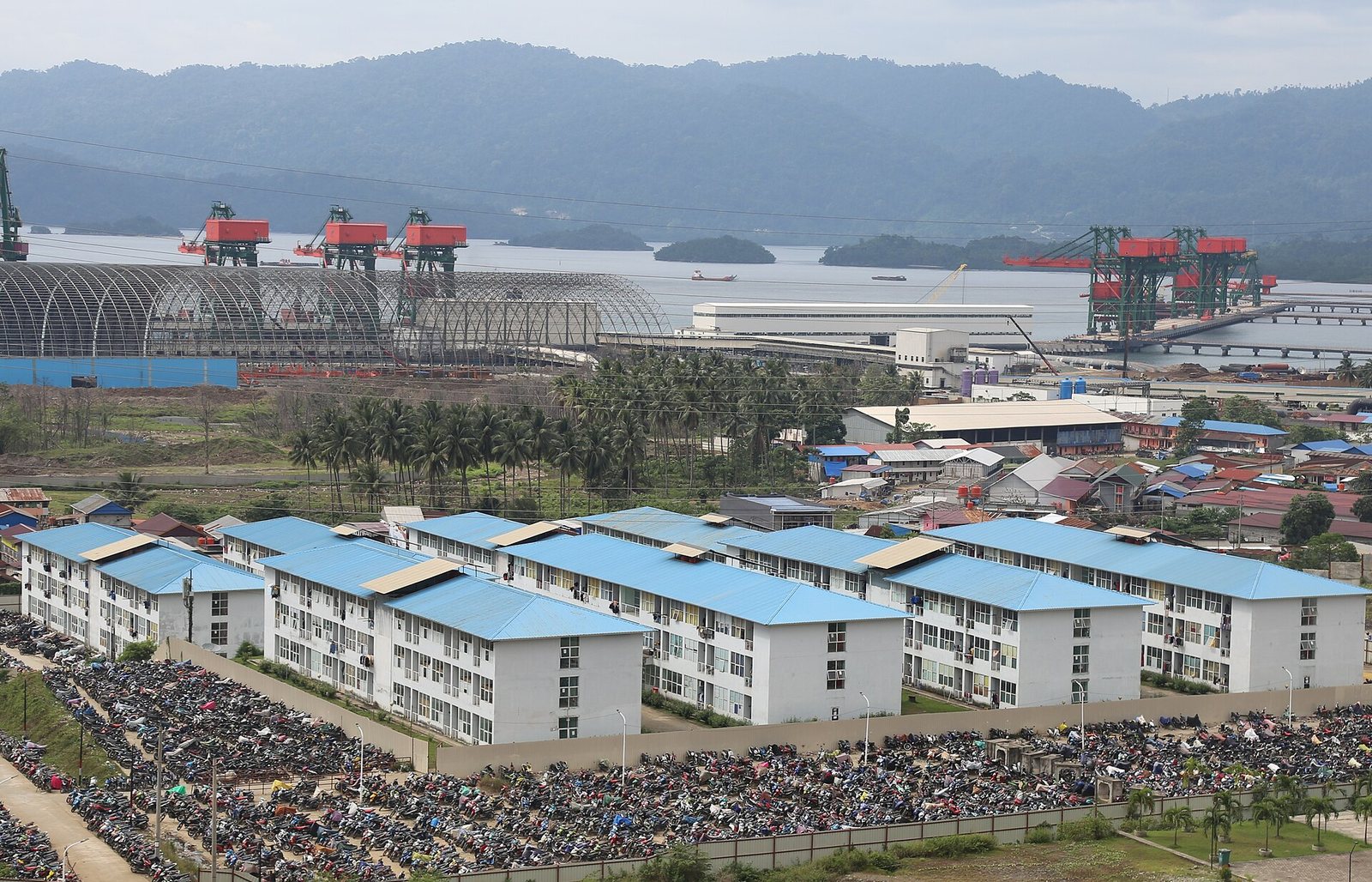
Indonesia Morowali Industrial Park →

04Refining

Nickel sulfate

Matte or mixed hydroxide precipitate is dissolved and crystallised into battery-grade sulfate.
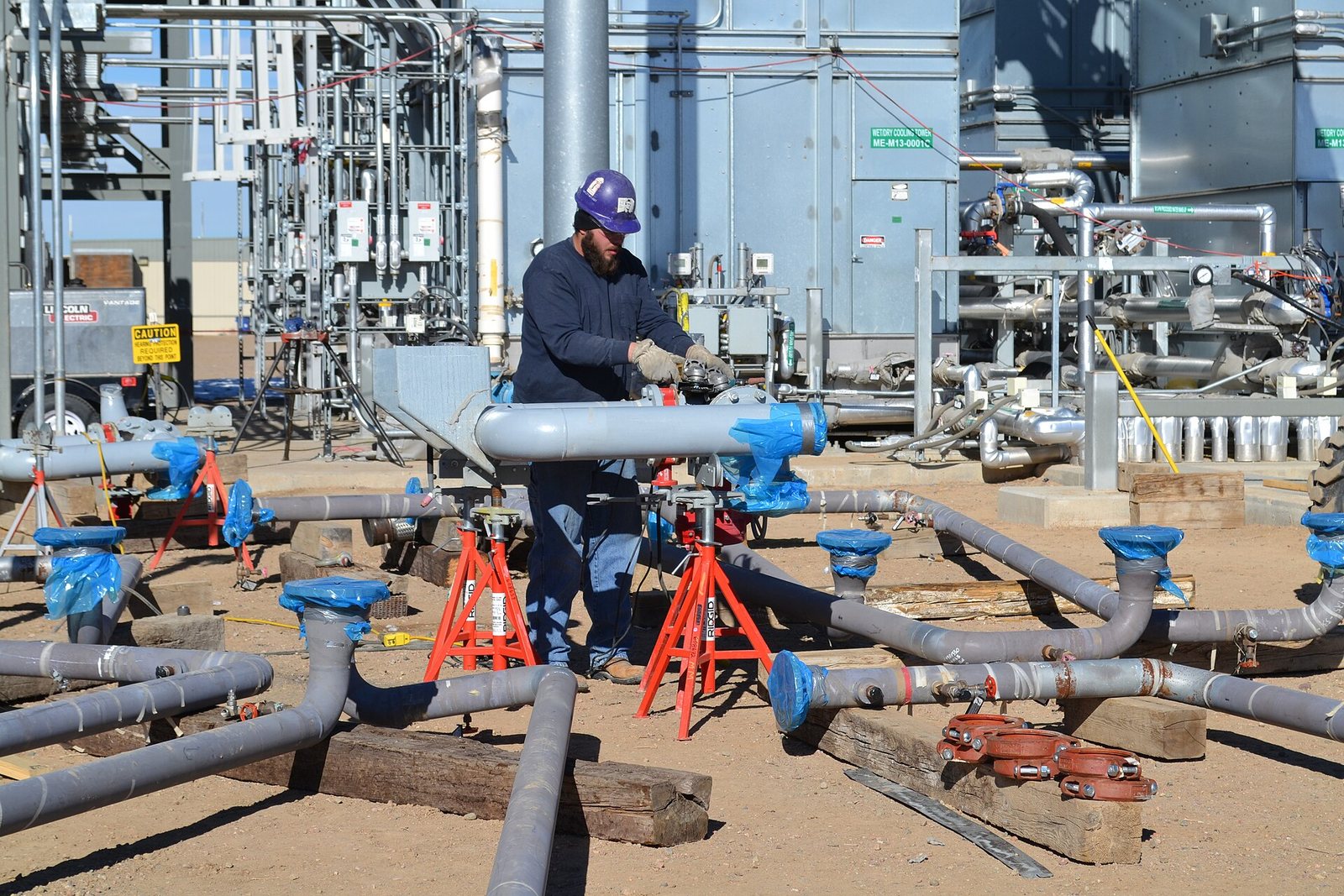
Huayou Cobalt Refineries →

Huayou Cobalt Refineries
Pueblo Chemical Agent-Destruction Pilot Plant… · CC BY 2.0 via Wikimedia Commons
05Component

Cathode precursor and active material

Nickel, manganese and cobalt sulfates are co-precipitated into a mixed hydroxide, then lithiated and calcined.
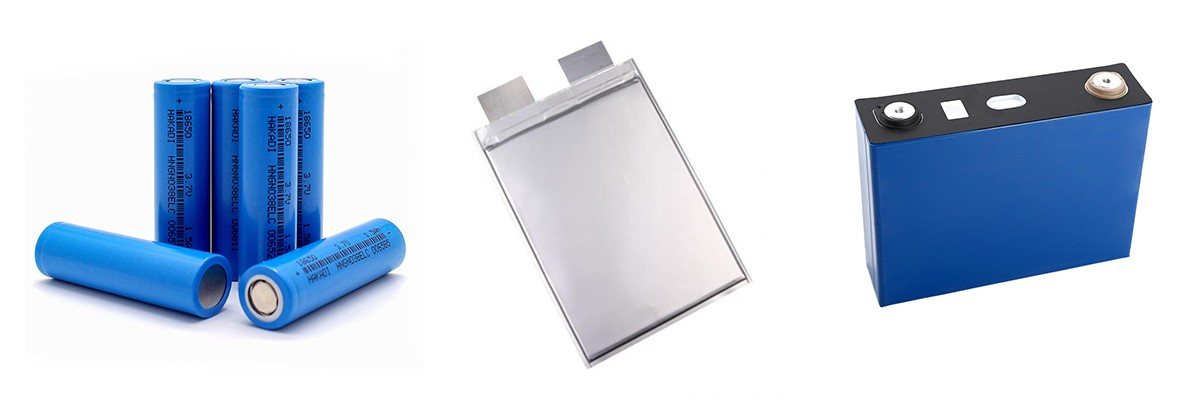
NMC Lithium-Ion Battery →

NMC Lithium-Ion Battery
Lithium Ion Battery Cell - Cylindrical Cell, … · CC BY-SA 4.0 via Wikimedia Commons
06End market

Battery, or stainless steel

Around two-thirds of nickel still goes into stainless steel.
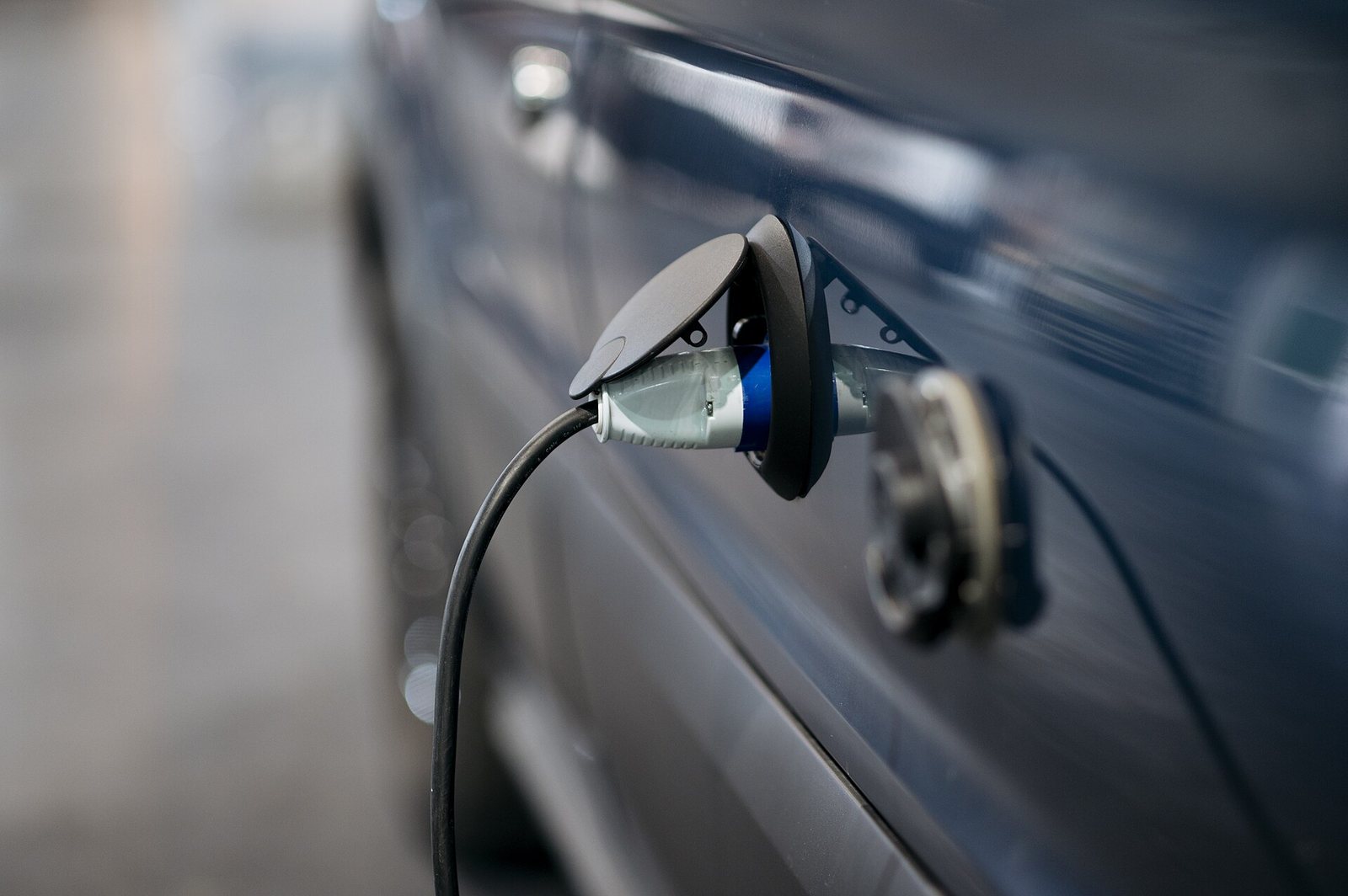
Electric Vehicles →

Electric Vehicles
Electric car charging at a station during the… · CC BY 2.0 via Wikimedia Commons

Materials

All materials Critical minerals Rare earths Battery materials Ore minerals Periodic table Screener

The ground

Mines & deposits Processing & refining Countries Maps

The economy

Custody journeys Supply chains End markets Technologies Companies Material calculator

Learn

LearnGlossary Ask the DataAI agents Research & dataOpen API News★ Saved

About us

About usContact MethodologyData sources Editorial policy Privacy policyTerms of use Disclaimer