The short version
This chain runs on the opposite logic to lumber. It wants small, uniform, fast-grown fibre rather than big clean logs, it runs continuously because stopping a pulp mill is extremely expensive, and its cheapest input is frequently recovered paper rather than wood.
Stage by stage
Short-rotation plantation
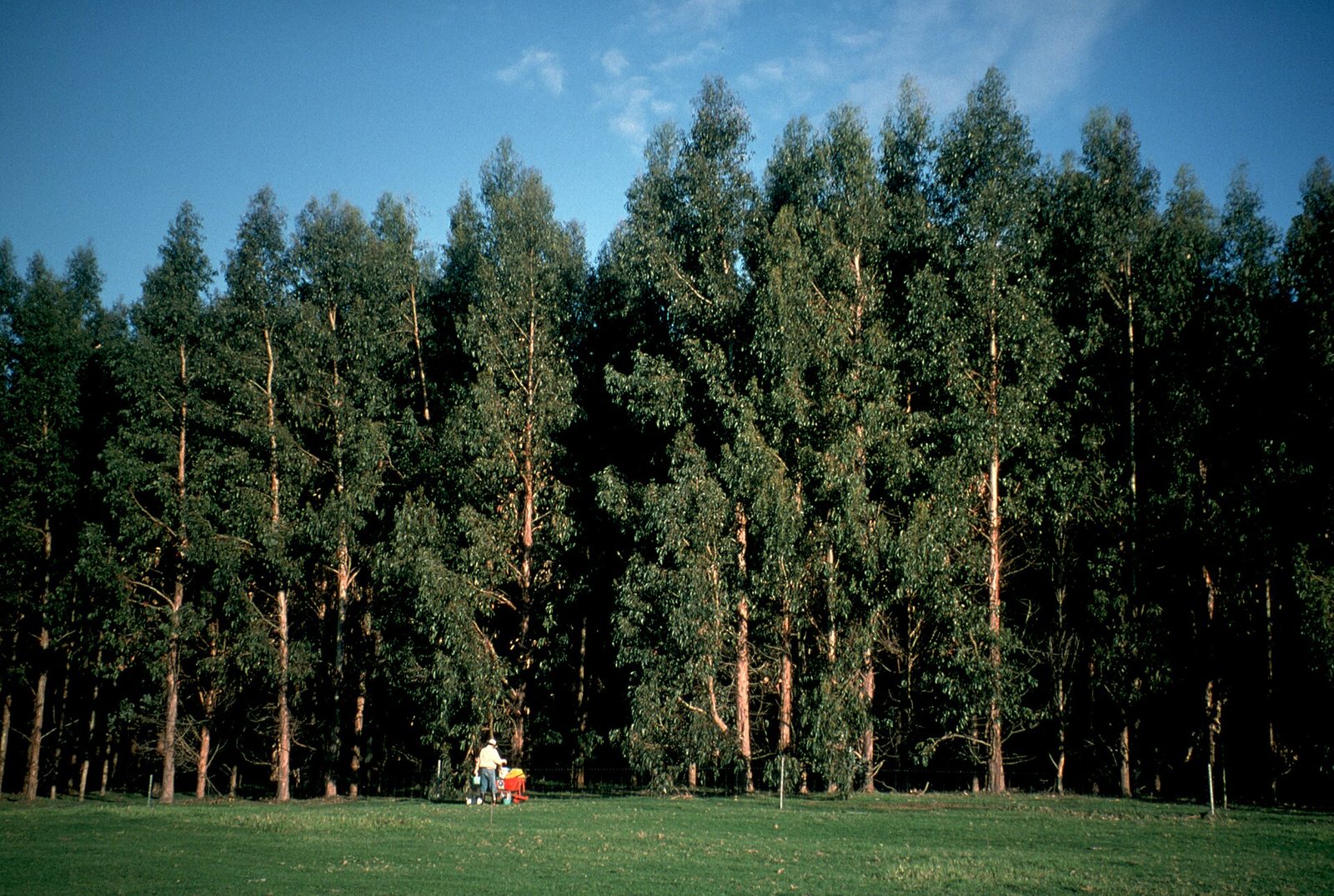
Eucalyptus on a six to seven year rotation, or radiata pine on twenty-five, planted specifically as a fibre crop within haul distance of the mill.
Pulpwood
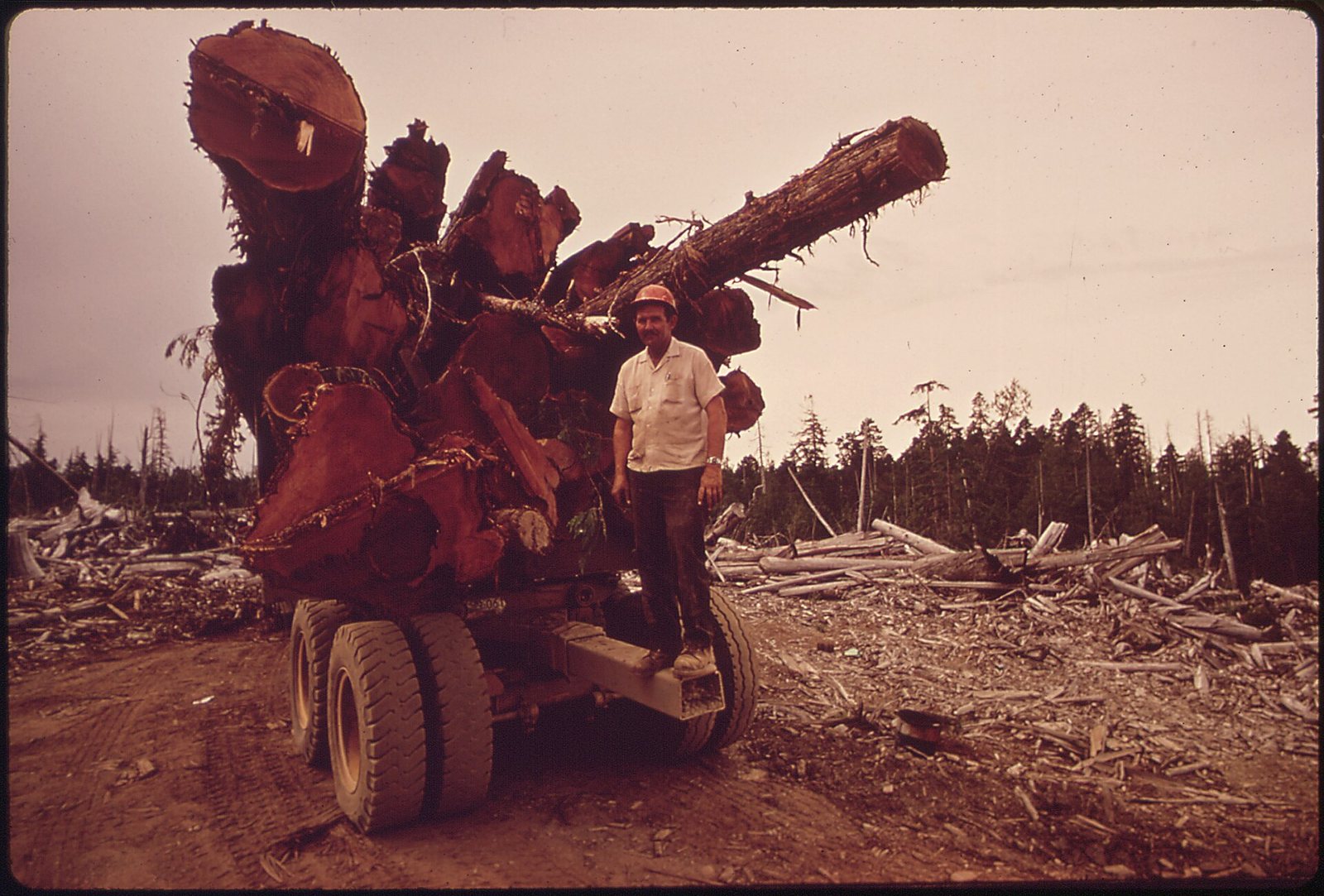
Round and split wood too small or too defective to saw, plus chips bought from sawmills - the same residue stream the lumber chain produces.
The pulp mill
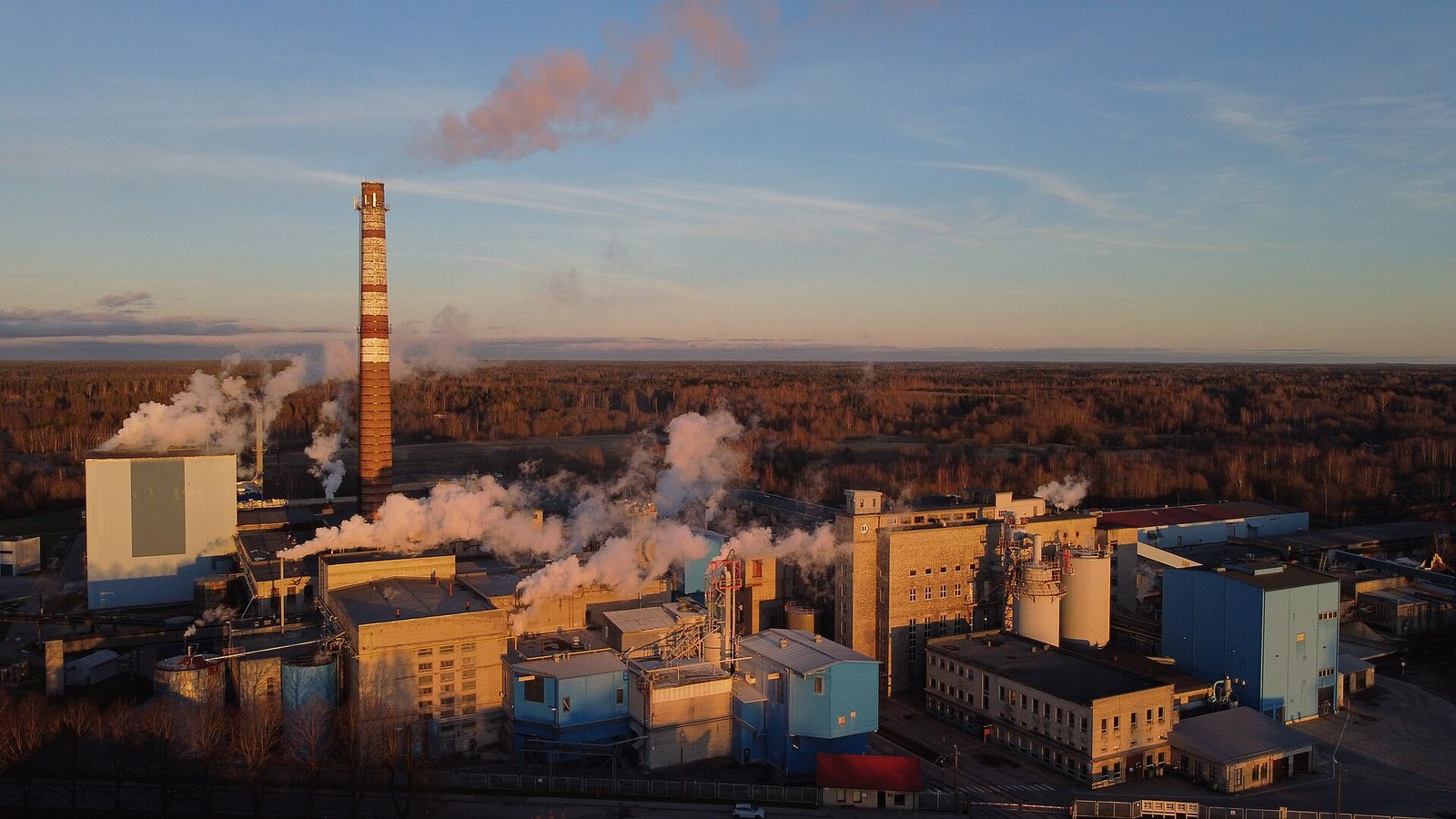
Chips are cooked with chemicals to dissolve the lignin holding the fibres together. Roughly four to five cubic metres of pulpwood make one tonne of chemical pulp; the dissolved fraction is burned to run the mill.
Note: Over half the dry weight of the wood is lost as lignin and extractives, most of it burned for energy.
Bleaching and drying
Bleached to the required brightness and either dried into bales for sale or piped straight to a paper machine on the same site.
Containerboard and carton
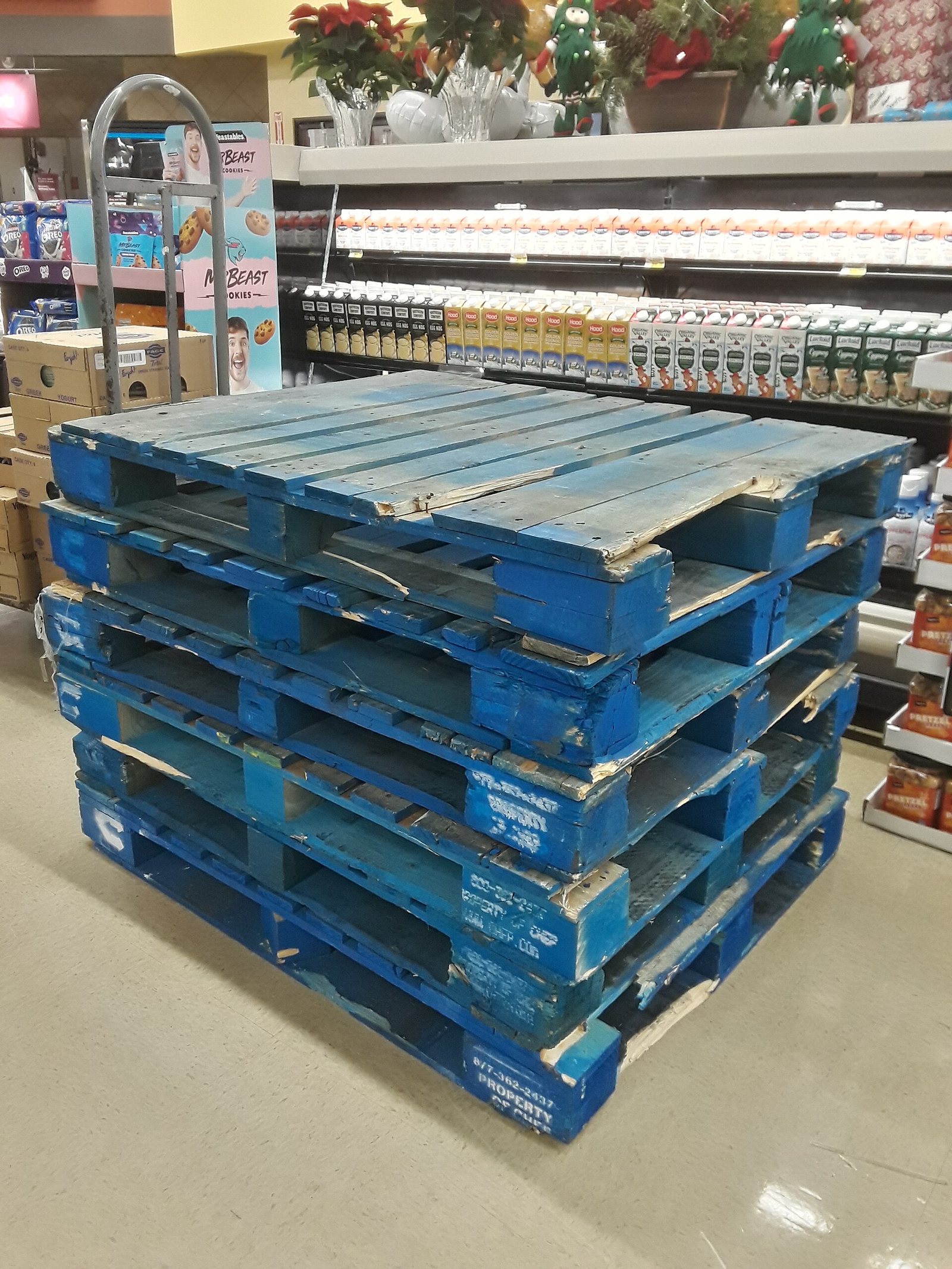
Formed into liner and fluting, corrugated into board, cut and printed. Recovered fibre substitutes for a large share of the furnish at this point.
Packaging and paper
Sold against parcel volumes and retail activity rather than construction, which makes its cycle quite different from lumber's.