要約
A softwood log is worth a few tens of dollars standing and a few hundred as graded, dried, stamped lumber. Almost all of that difference is created in two places - the saw line, which decides how much of the log becomes board, and the kiln and grader, which decide what the board may be sold as.
段階ごと
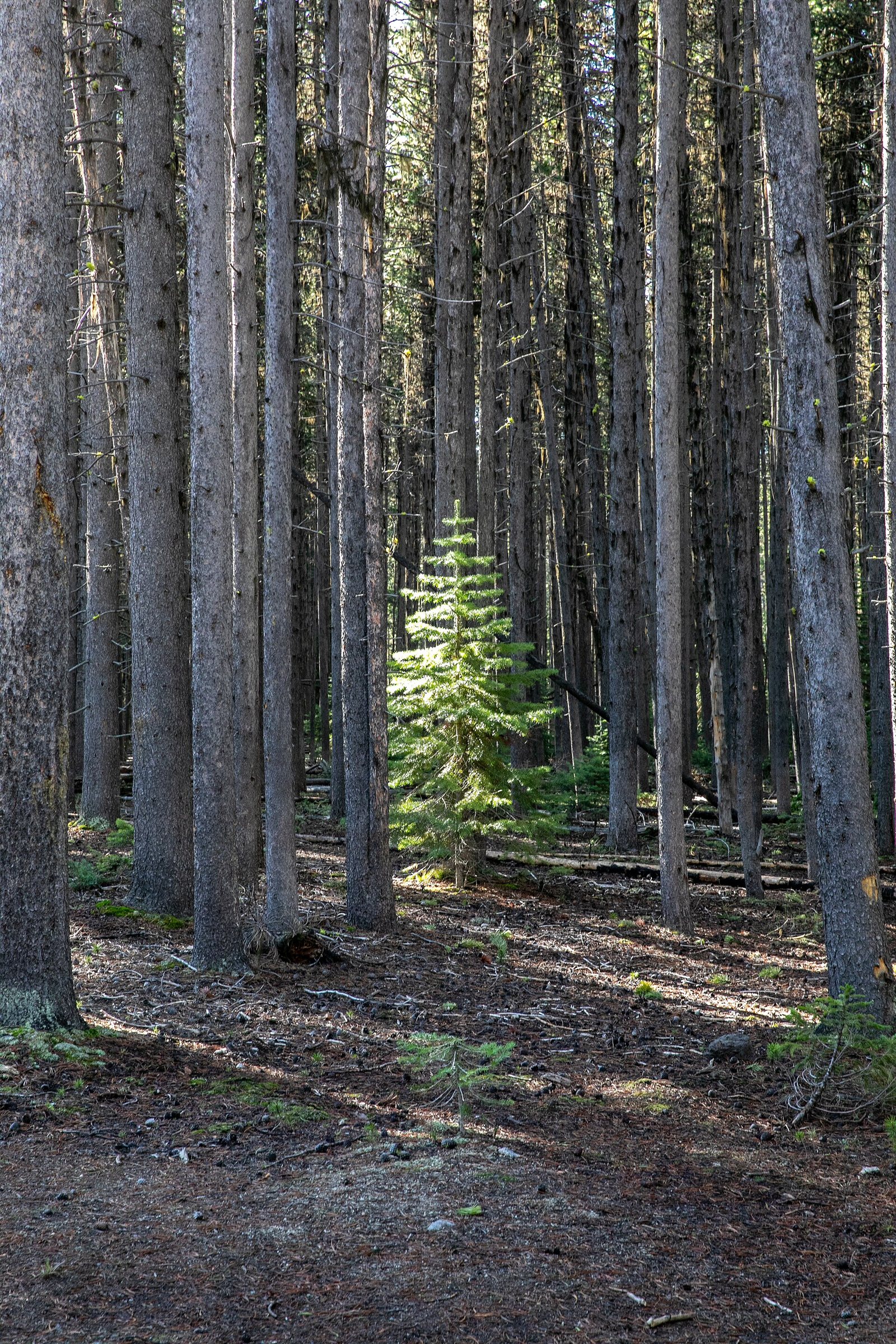
Standing timber
The tree is bought as stumpage - the right to cut - priced per thousand board feet at the stump, with the buyer paying to fell and haul. Volume is estimated by a log rule, and different rules give different answers for the same tree.
Logs at the mill gate
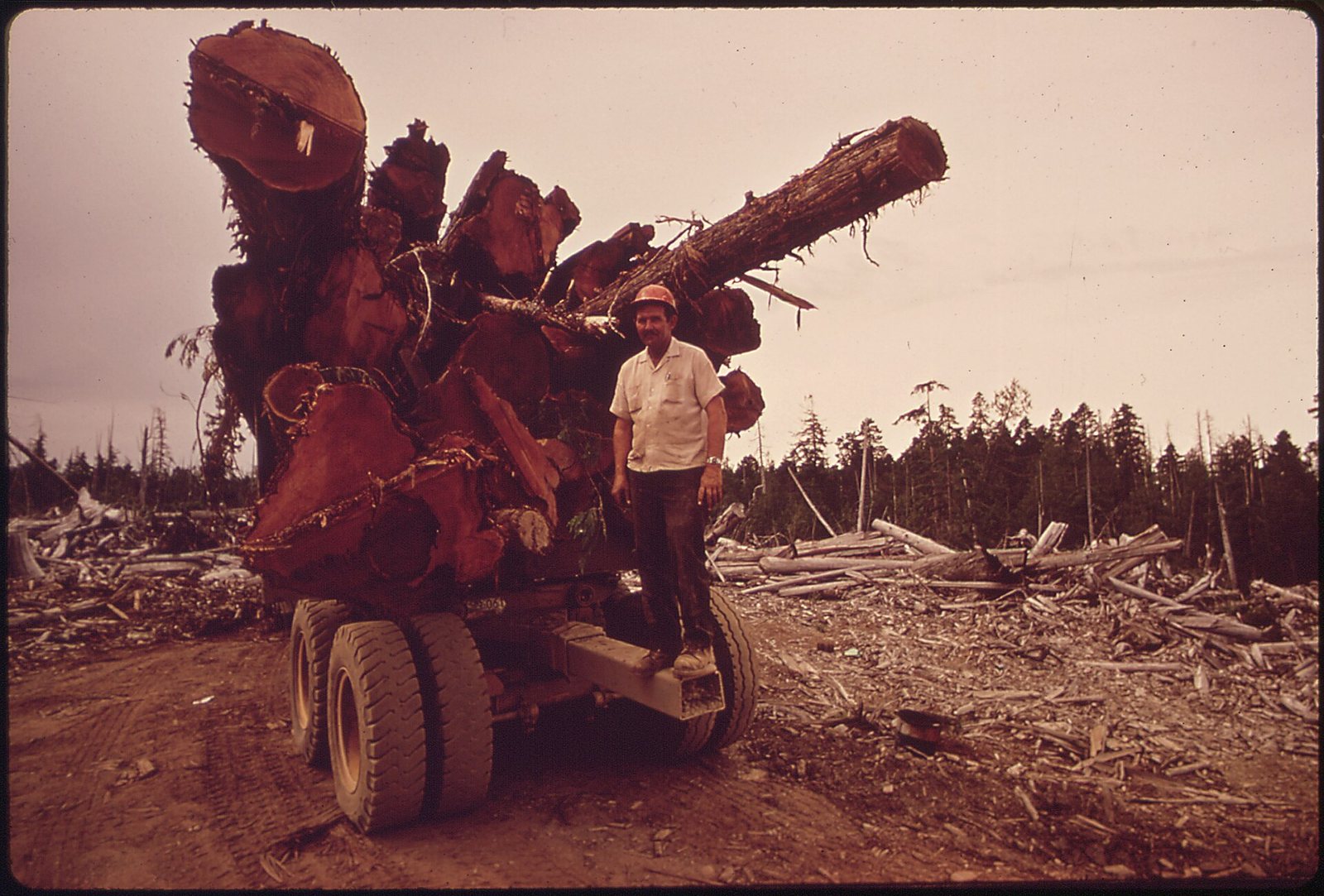
Felled, limbed and cut to length, then sorted by diameter and quality. Sawlogs go to the sawmill; anything too small or crooked is pulpwood and is worth roughly a third as much.
注記: Branches, tops and stumps are left in the forest.
The saw line
The log is squared and broken down into boards on a pattern chosen to maximise value, not volume. Roughly half the solid wood in the log leaves as sawn lumber; the rest becomes chips, sawdust and bark, all of which are sold.
注記: About half the log volume leaves as residue rather than board.
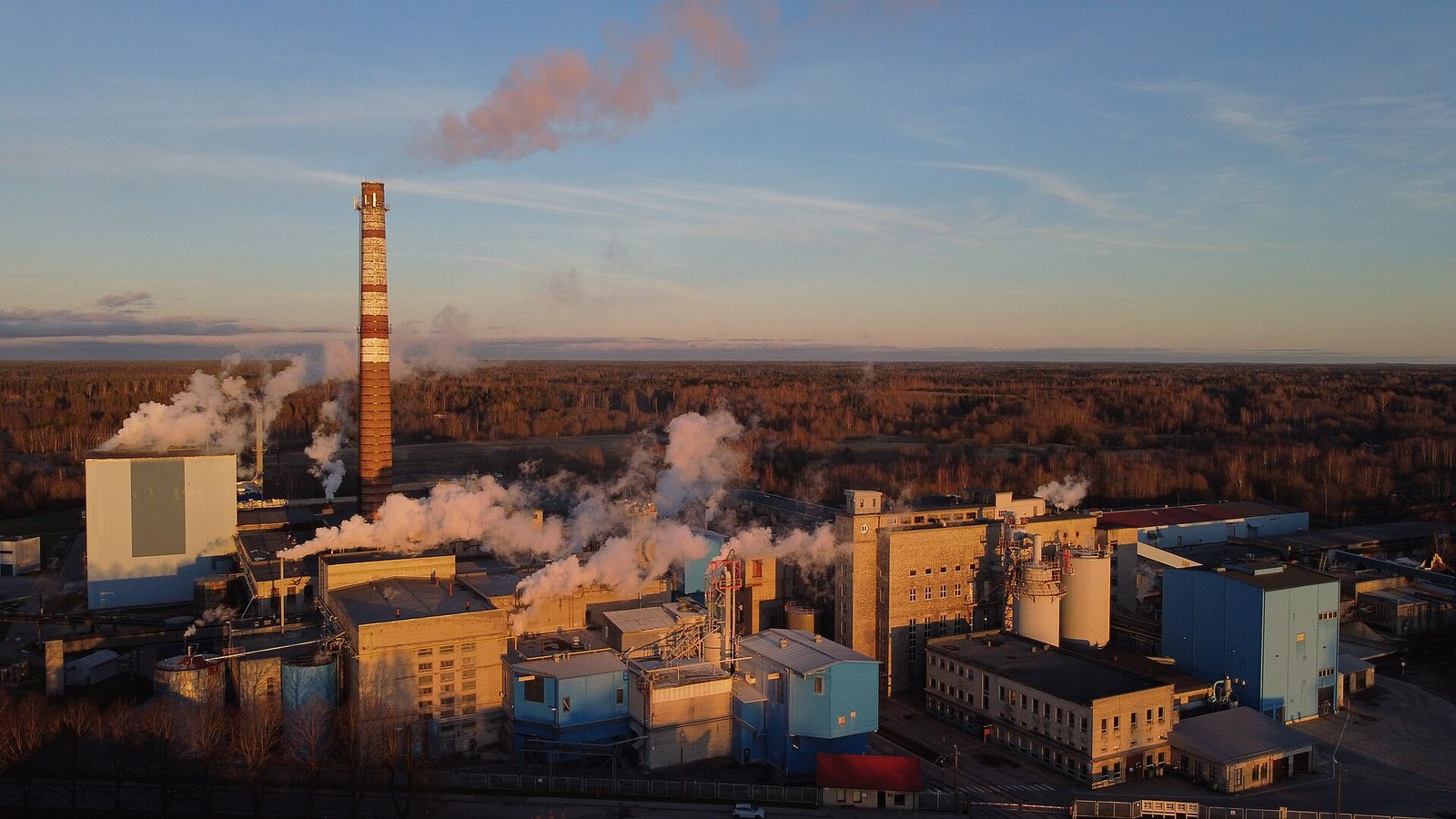
Kiln and grader
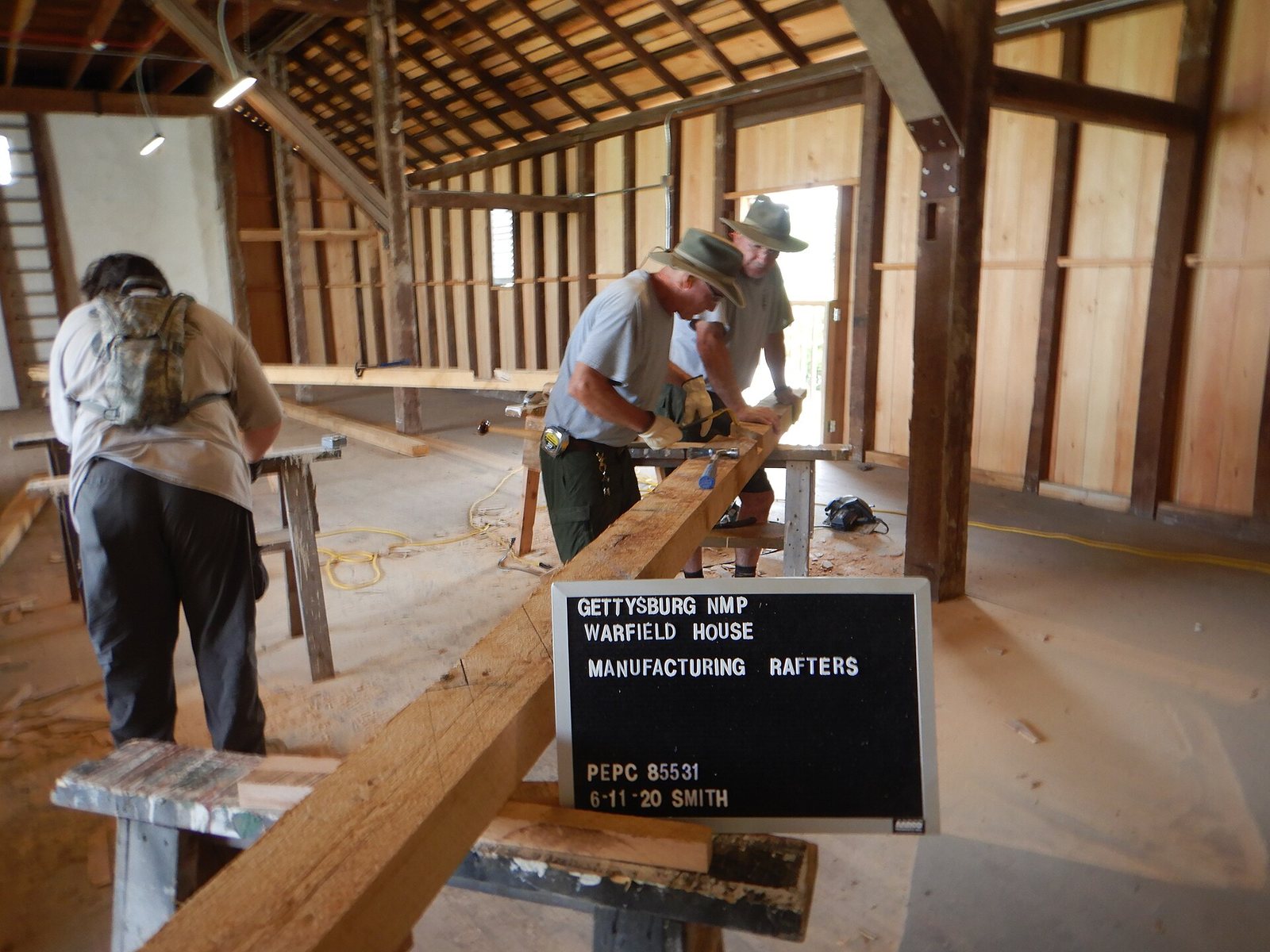
Drying to a specified moisture content stops the board moving and is what allows a standard size to mean anything. Then a grader assigns the stamp that sets the design values an engineer may assume - and therefore the price.
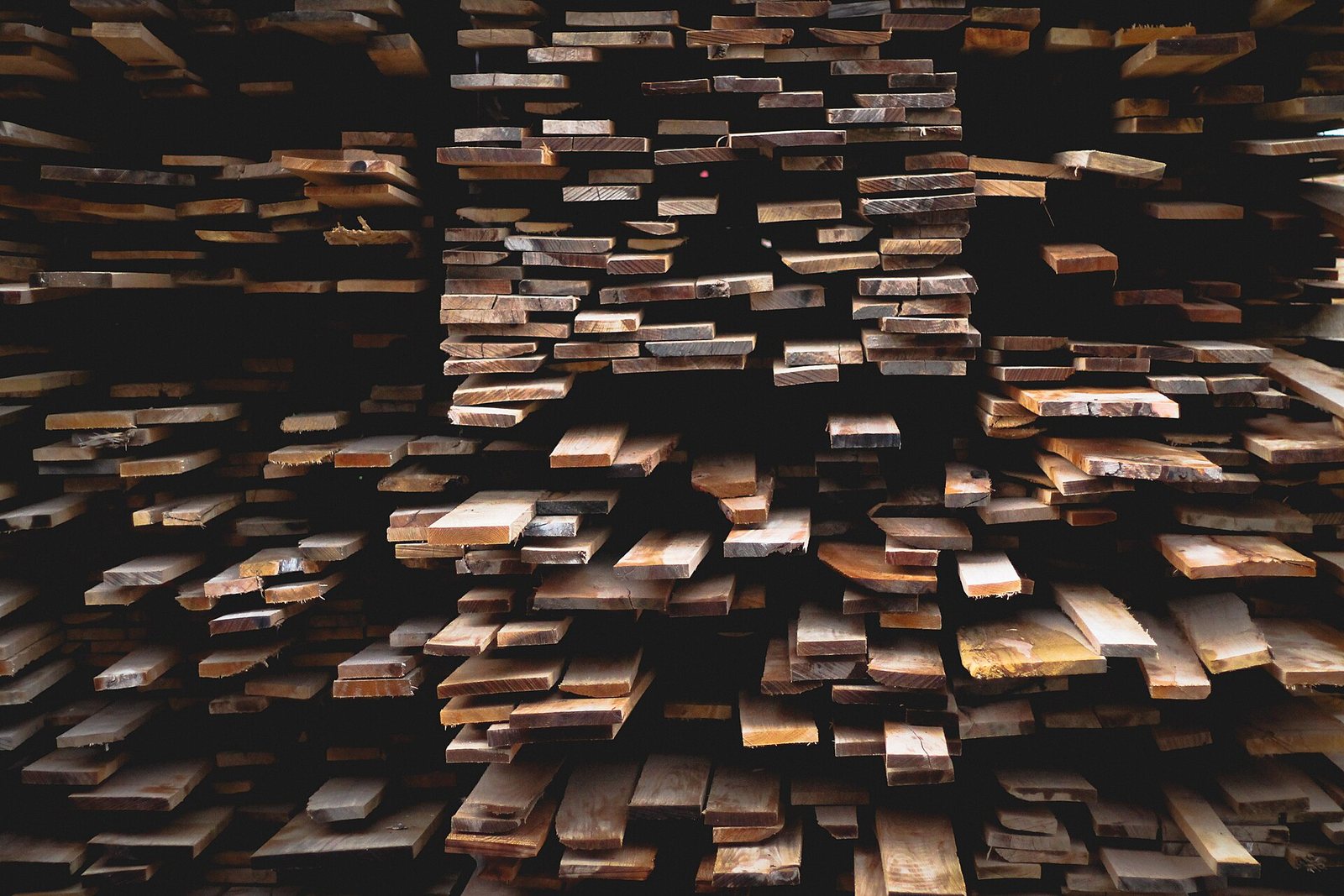
Framing lumber and panels
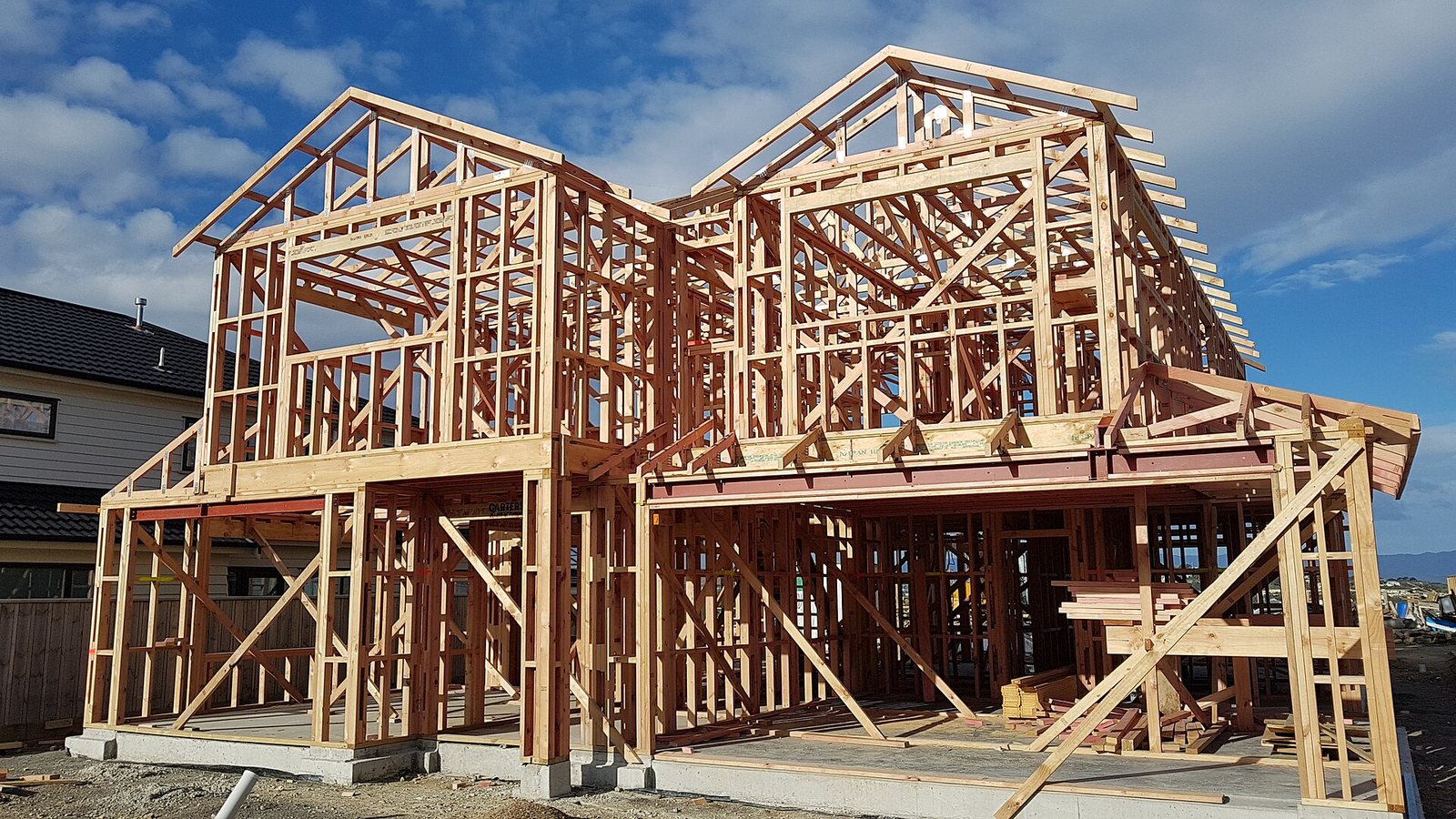
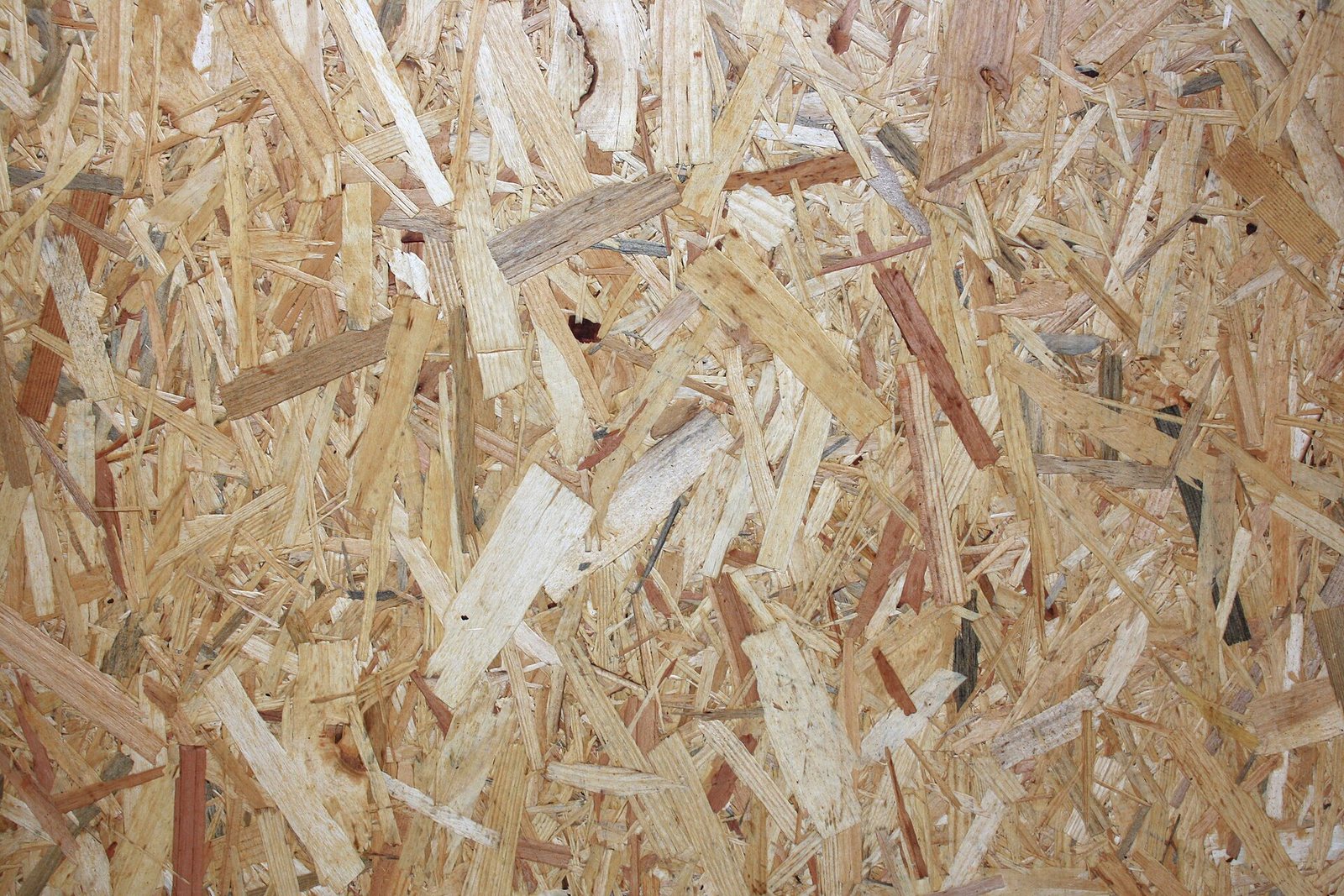
Sold as dimension lumber by species group and grade, alongside the sheathing panels made from the smaller trees and the residues of this same process.
Housebuilding
Bought by builders and merchants against housing starts. Demand is cyclical and rate-sensitive, supply is fixed in the short run, and the price absorbs the difference.