Van erts naar product, getraceerd
Commodity Education
★
Commodity Education
Materialen Mijnen & afzettingen Verwerking & raffinage Bewaartrajecten Toeleveringsketens Bedrijven Landen Nieuws
Materialen per schap Batterijmaterialen Zeldzame-aardelementen Koper & elektrisch Halfgeleidermaterialen Nucleaire materialen Luchtvaart & defensie Edele metalen Staal- en legeringsmetalen Industriële mineralen Landbouwmineralen Energiegrondstoffen Ertsmineralen Periodiek systeem
Vraag Eindmarkten Technologieën Materiaалcalculator Kaarten Screener
Leren & hulpmiddelen Meer lerenVerklarende woordenlijst Courses Identify the Commodity Raadpleeg de dataAI-agenten Onderzoek & dataAPI ★ Opgeslagen
Over Over onsMethodologie GegevensbronnenContact Disclaimer
Leesopties
Begeleide weergave Nieuw in ertsgehalten, concentraat, raffinage en bijproducten? We verklaren elke term terwijl u bladert, in begrijpelijke taal. Dezelfde gegevens, met ingebouwde uitleg.
Expertweergave U kent de industrie al. Alleen de gegevens: overzichtelijk, snel en compact, zonder extra uitleg. Dit is de standaardweergave.
Thema
Interfacetaal
Diepte Materiaalpagina's zijn op vier niveaus geschreven. Kies een niveau op een materiaalpagina en het wordt onthouden.
★ Opgeslagen Onderzoek & data
Standing tree to house frame

Toeleveringsketen

Standing tree to house frame

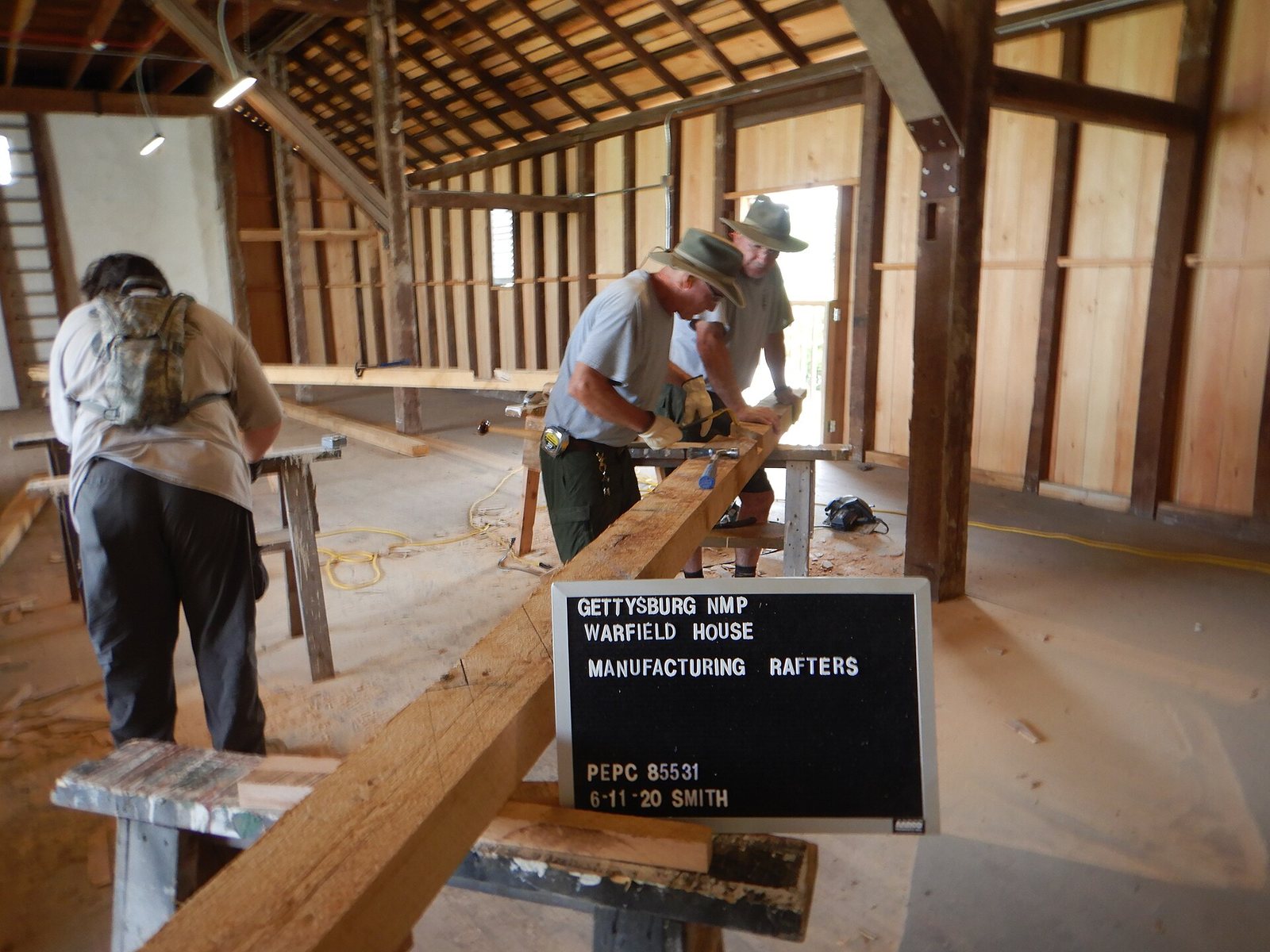
The stump-to-stud route that most of the world's homes are built through, and where the value is actually added.

NPS Preservationists are at work laying out the timber fram… · NPS Photo · Public domain · Wikimedia Commons

De korte versie

A softwood log is worth a few tens of dollars standing and a few hundred as graded, dried, stamped lumber. Almost all of that difference is created in two places - the saw line, which decides how much of the log becomes board, and the kiln and grader, which decide what the board may be sold as.

De smalste schakel. The constraint is sawmill and kiln capacity, not trees. A mill takes two to three years and a large capital commitment to build, so when housebuilding demand jumps the price rises instead of the volume. That is the mechanism behind every lumber price spike.

Fase voor fase

01Raw material

Standing timber

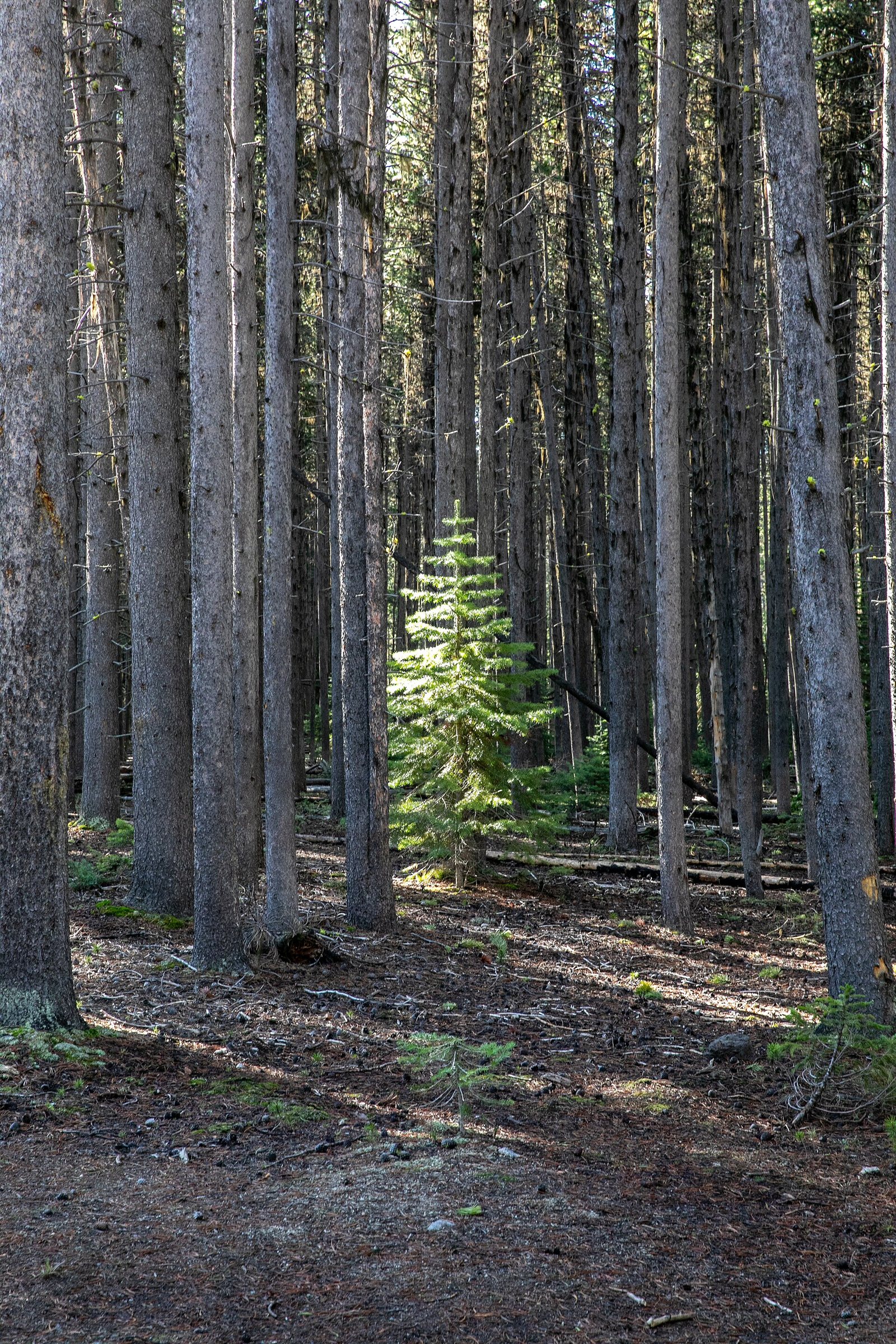
The tree is bought as stumpage - the right to cut - priced per thousand board feet at the stump, with the buyer paying to fell and haul. Volume is estimated by a log rule, and different rules give different answers for the same tree.
Standing Timber →

Standing Timber
Stand re-initiation of shade-tolerant spruce … · Public domain via Wikimedia Commons
02Raw material

Logs at the mill gate

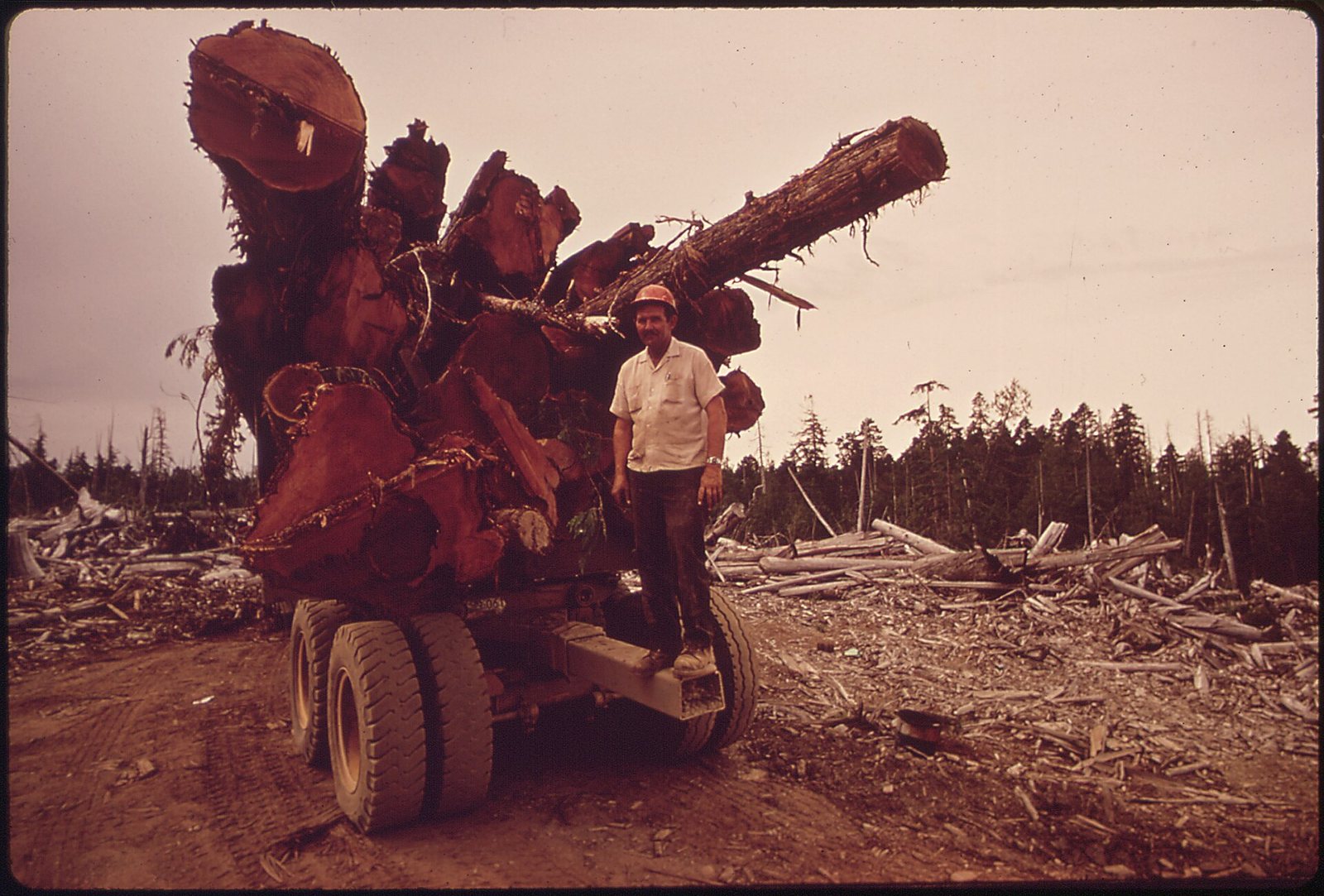
Felled, limbed and cut to length, then sorted by diameter and quality. Sawlogs go to the sawmill; anything too small or crooked is pulpwood and is worth roughly a third as much.

Noot: Branches, tops and stumps are left in the forest.
Industrial Roundwood →

Industrial Roundwood
LOGGING TRUCK LOADED WITH CEDAR IN A CLEARCUT… · Public domain via Wikimedia Commons
03Processing

The saw line

The log is squared and broken down into boards on a pattern chosen to maximise value, not volume. Roughly half the solid wood in the log leaves as sawn lumber; the rest becomes chips, sawdust and bark, all of which are sold.

Noot: About half the log volume leaves as residue rather than board.
Wood Pulp →

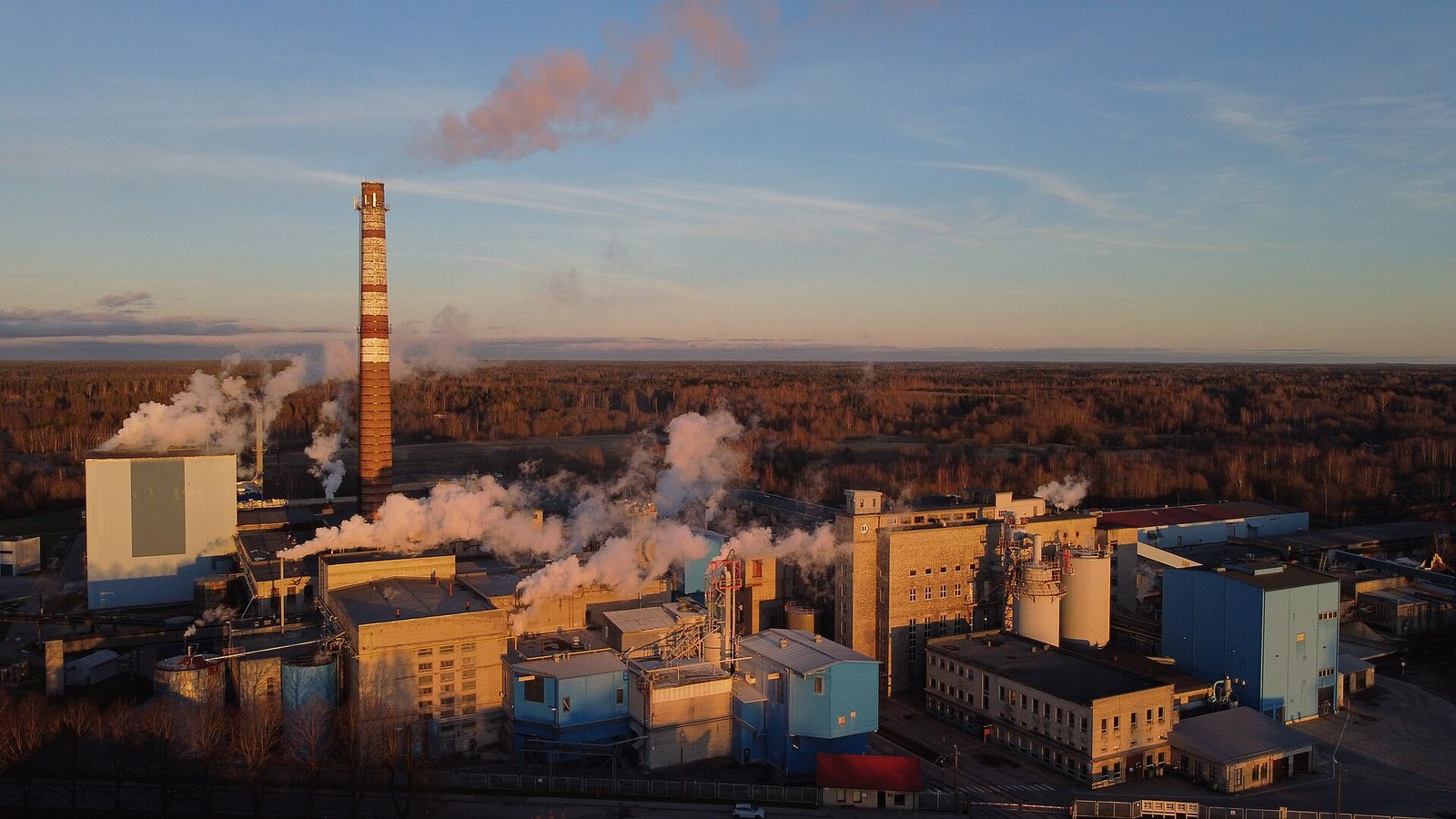
A pulp and paper mill at dusk, with steam rising from the plant
Kehra pulp and paper mill in Estonia (Novembe… · CC BY-SA 4.0 via Wikimedia Commons
04Refining

Kiln and grader

Drying to a specified moisture content stops the board moving and is what allows a standard size to mean anything. Then a grader assigns the stamp that sets the design values an engineer may assume - and therefore the price.
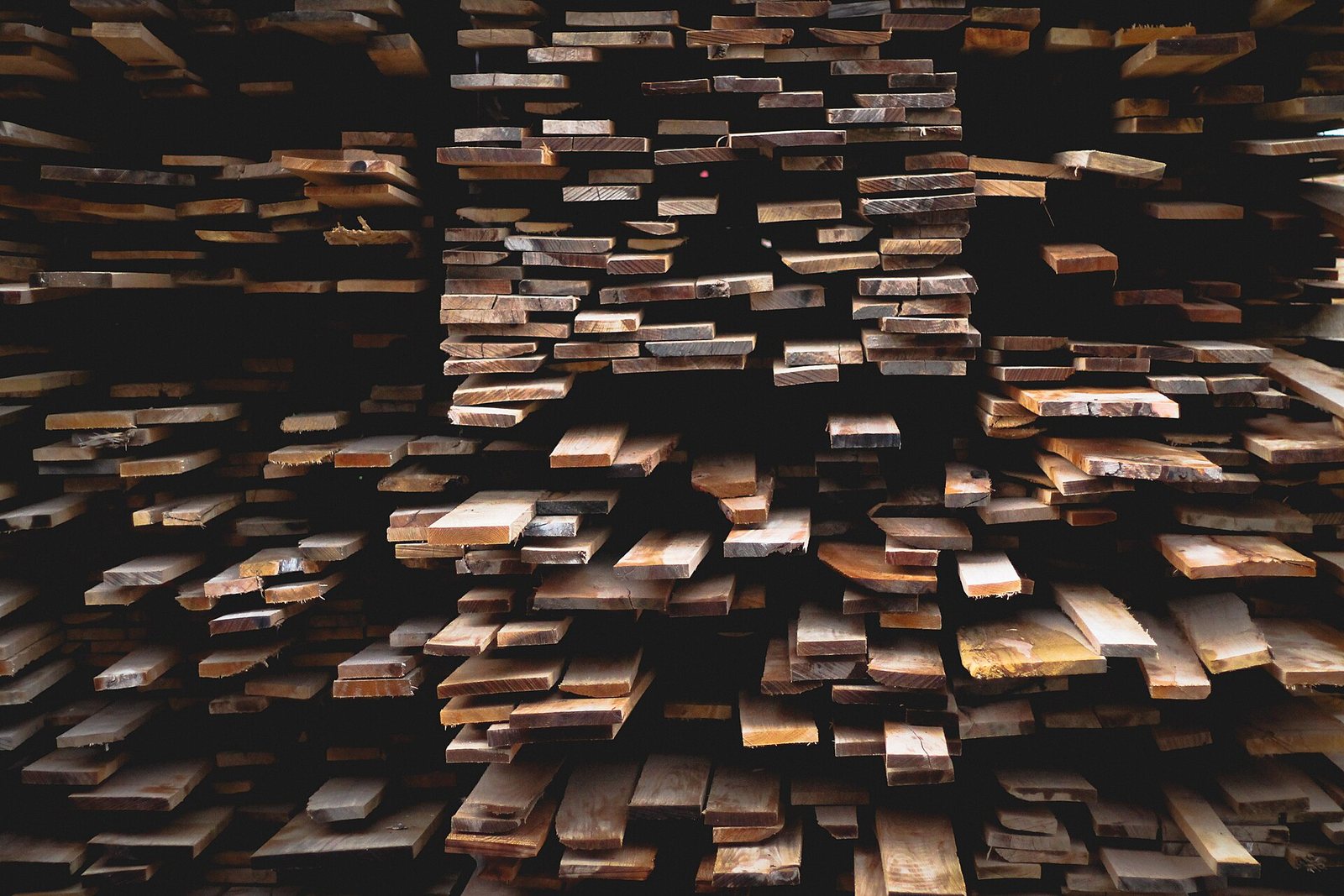
Softwood Lumber →

Sawn softwood planks stacked in a timber yard
Stacked wood planks (Unsplash) · CC0 via Wikimedia Commons
05Product

Framing lumber and panels

Sold as dimension lumber by species group and grade, alongside the sheathing panels made from the smaller trees and the residues of this same process.
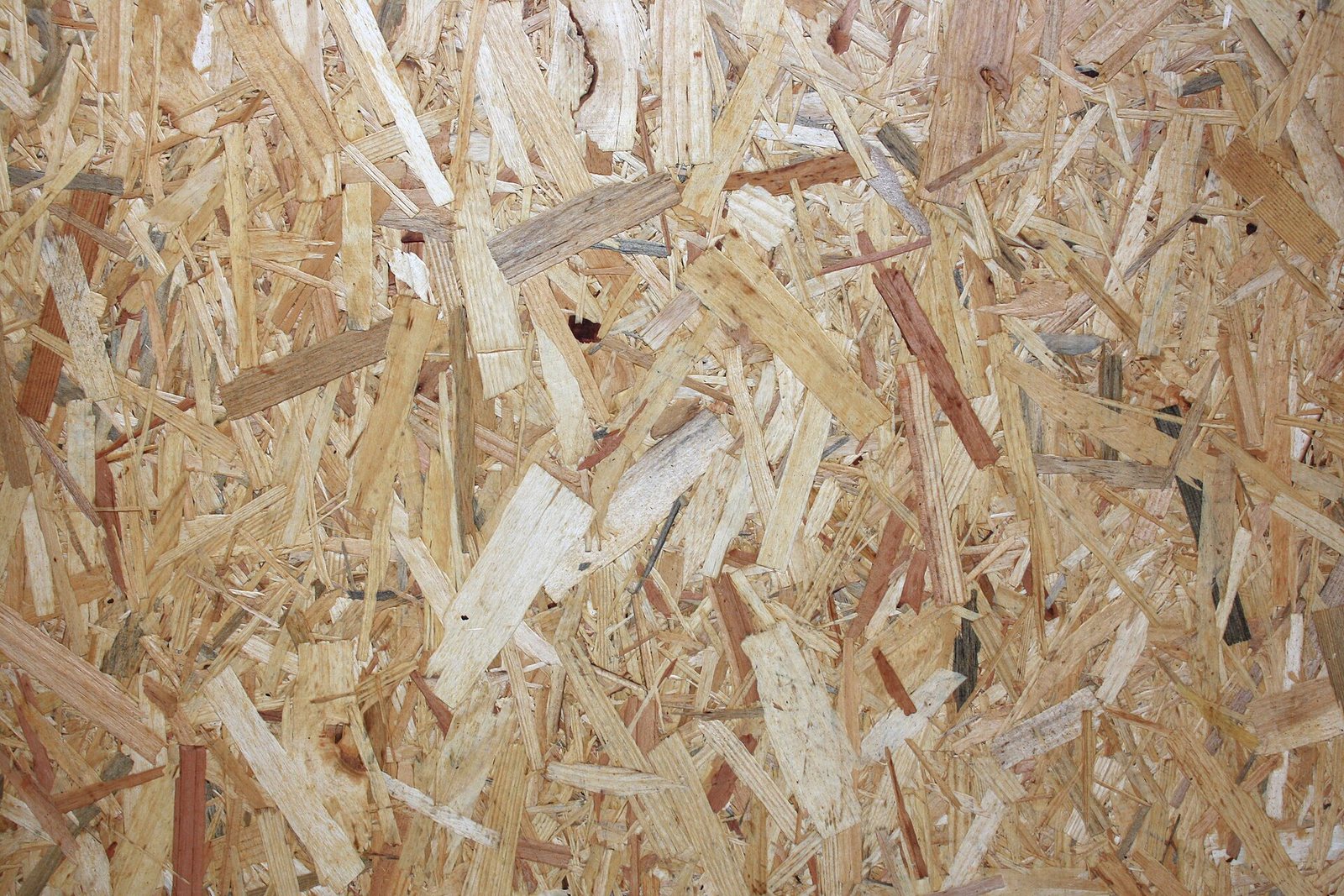
Oriented Strand Board →

Oriented Strand Board
Oriented strand board at Courtabœuf 2011 · CC BY-SA 3.0 via Wikimedia Commons
06End market

Housebuilding

Bought by builders and merchants against housing starts. Demand is cyclical and rate-sensitive, supply is fixed in the short run, and the price absorbs the difference.
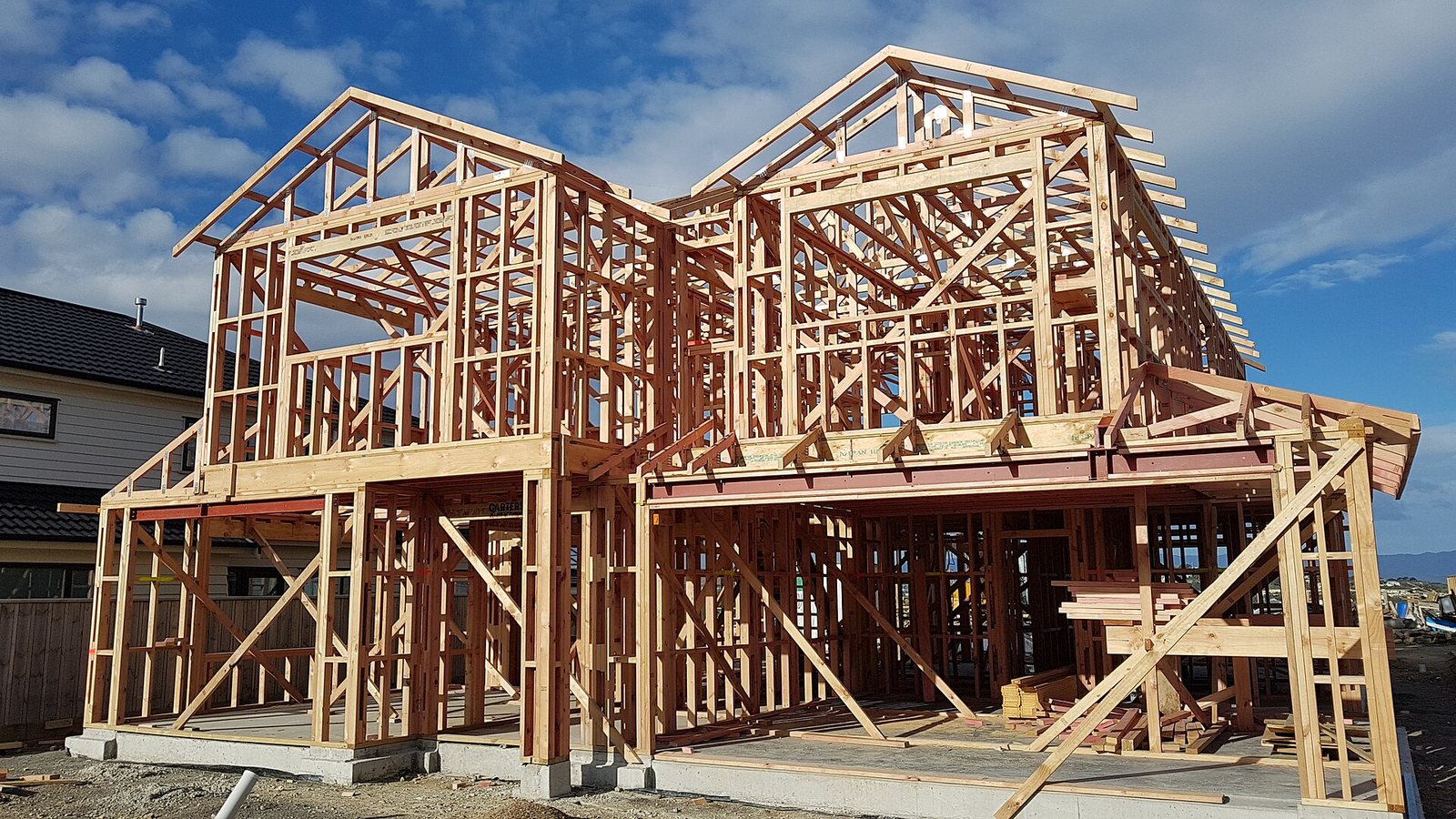
Housebuilding →

Housebuilding
Timber frame house under construction, New Zealand · CC BY-SA 4.0 via Wikimedia Commons

Materialen

Alle materialen Kritieke mineralen Zeldzame aarden Batterijmaterialen Ertsmineralen Periodiek systeem Screener

De ondergrond

Mijnen & afzettingen Verwerking & raffinage Landen Kaarten

De economie

Bewaartrajecten Toeleveringsketens Eindmarkten Technologieën Bedrijven Materiaалcalculator

Meer leren

Meer lerenVerklarende woordenlijst Raadpleeg de dataAI-agenten Onderzoek & dataOpen API Nieuws★ Opgeslagen

Over ons

Over onsContact MethodologieGegevensbronnen Redactioneel beleid PrivacybeleidGebruiksvoorwaarden Disclaimer