Madenden ürüne, izlenerek
Commodity Education
★
Commodity Education
Materyaller Madenler ve yataklar İşleme ve rafinasyon Velayet güzergâhları Tedarik zincirleri Şirketler Ülkeler Haberler
Rafa göre materyaller Pil Malzemeleri Nadir Toprak Elementleri Bakır ve Elektrik Yarıiletken Malzemeler Nükleer Malzemeler Havacılık ve Savunma Kıymetli Metaller Çelik ve Alaşım Metalleri Endüstriyel Mineraller Tarım Mineralleri Enerji Ham Maddeleri Cevher mineralleri Periyodik tablo
Talep Son pazarlar Teknolojiler Materyal hesaplayıcı Haritalar Tarayıcı
Öğren ve araçlar ÖğrenSözlük Courses Identify the Commodity Veriye SorYapay zeka ajanları Araştırma ve veriAPI ★ Kaydedildi
Hakkında HakkımızdaMetodoloji Veri kaynaklarıİletişim Sorumluluk reddi
Okuma seçenekleri
Rehberli Görünüm Cevher tenörü, konsantre, rafinasyon ve yan ürünler hakkında yeni misiniz? Göz atarken her terimi sade bir dille açıklıyoruz. Aynı veriler, yerleşik yardımla birlikte.
Uzman Görünümü Sektörü zaten biliyorsunuz. Sadece veriler: temiz, hızlı ve öz; fazladan açıklama yok. Bu, varsayılan görünümdür.
Tema
Arayüz dili
Derinlik Materyal sayfaları dört düzeyde hazırlanmıştır. Herhangi bir materyal sayfasında bir düzey seçin; bu tercih kaydedilir.
★ Kaydedildi Araştırma ve veri
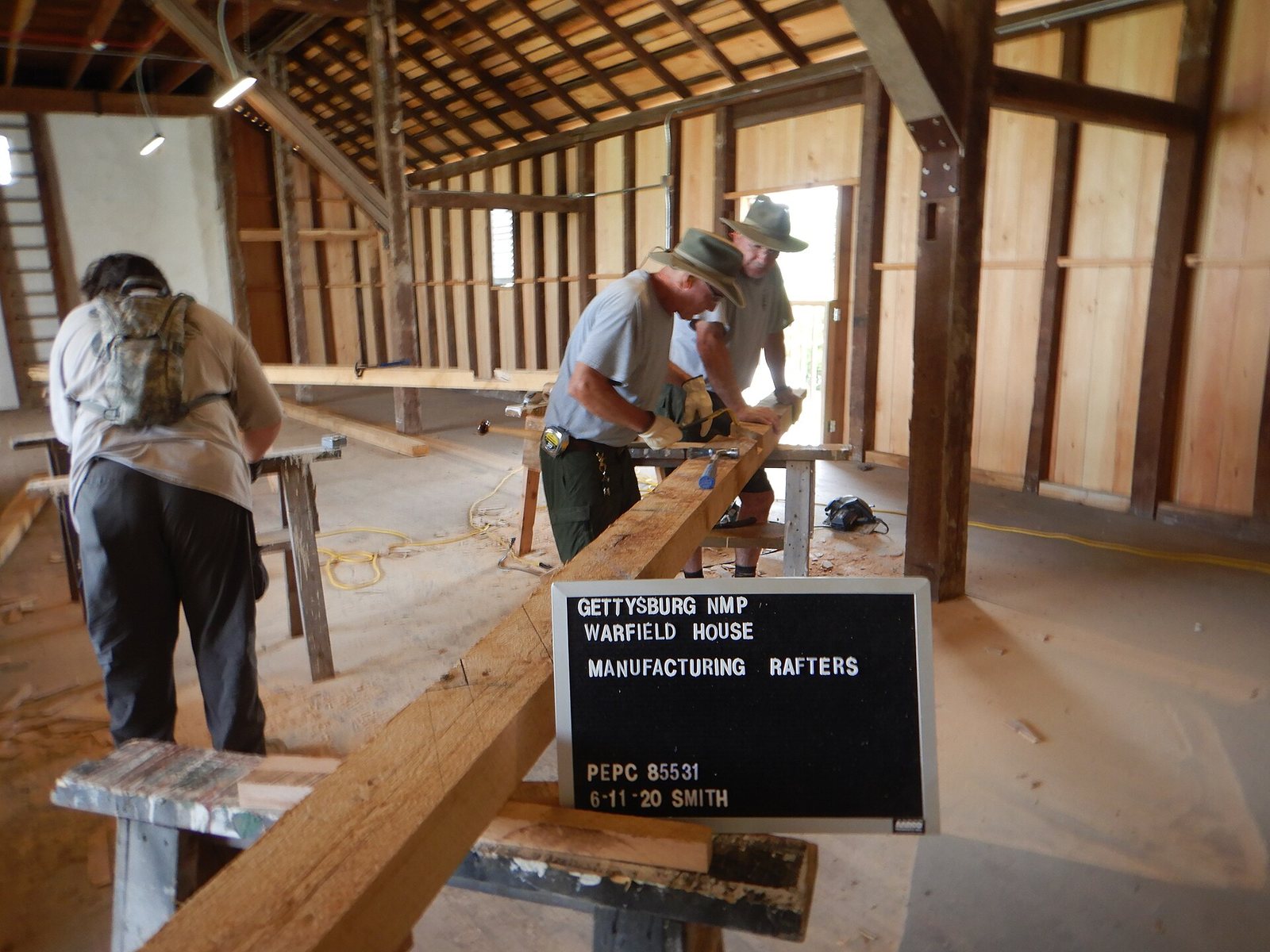
Standing tree to house frame

Tedarik zinciri

Standing tree to house frame

The stump-to-stud route that most of the world's homes are built through, and where the value is actually added.

NPS Preservationists are at work laying out the timber fram… · NPS Photo · Public domain · Wikimedia Commons

Kısa versiyon

A softwood log is worth a few tens of dollars standing and a few hundred as graded, dried, stamped lumber. Almost all of that difference is created in two places - the saw line, which decides how much of the log becomes board, and the kiln and grader, which decide what the board may be sold as.

En dar halka. The constraint is sawmill and kiln capacity, not trees. A mill takes two to three years and a large capital commitment to build, so when housebuilding demand jumps the price rises instead of the volume. That is the mechanism behind every lumber price spike.

Aşama aşama

01Raw material

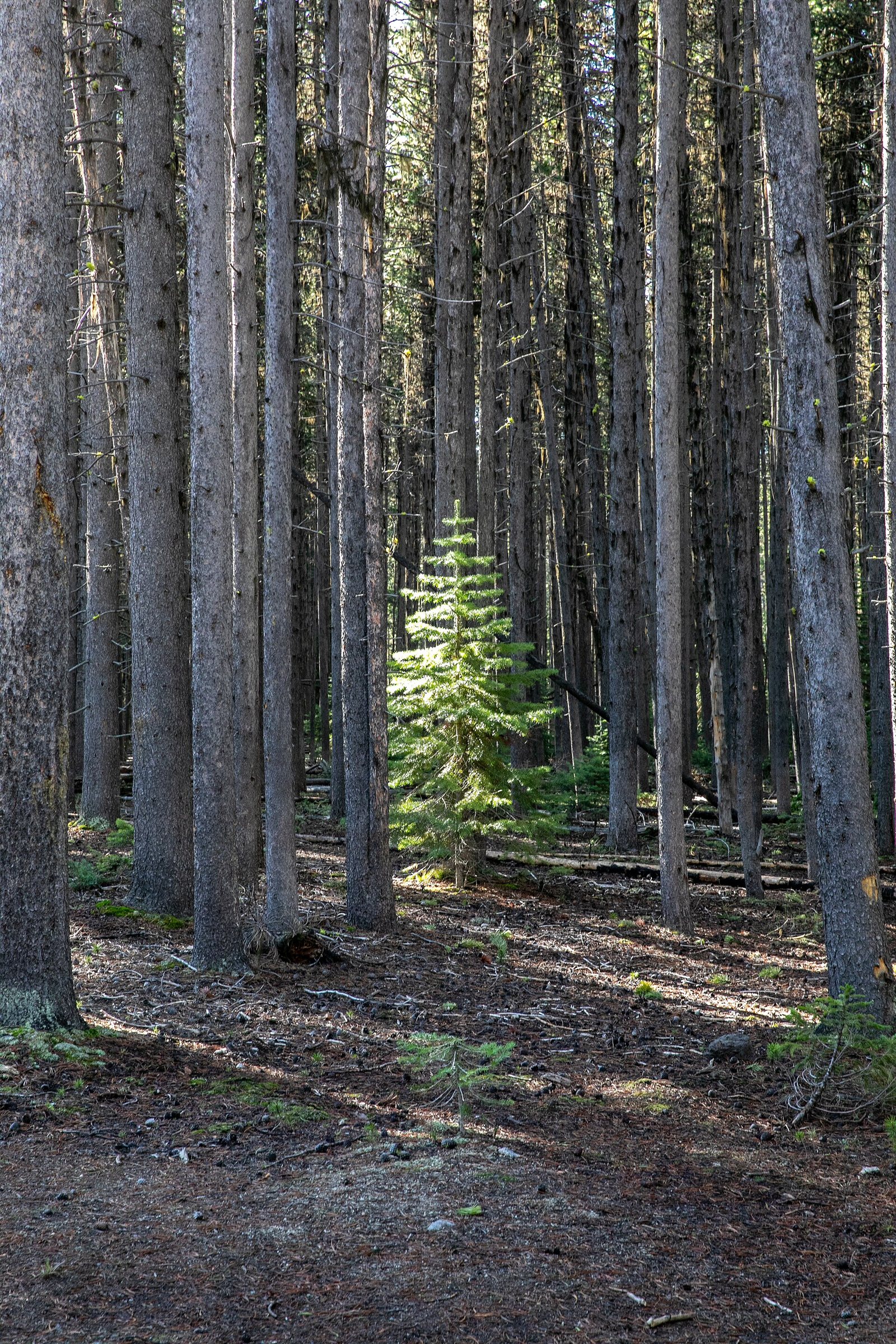
Standing timber

The tree is bought as stumpage - the right to cut - priced per thousand board feet at the stump, with the buyer paying to fell and haul. Volume is estimated by a log rule, and different rules give different answers for the same tree.
Standing Timber →

Standing Timber
Stand re-initiation of shade-tolerant spruce … · Public domain via Wikimedia Commons
02Raw material

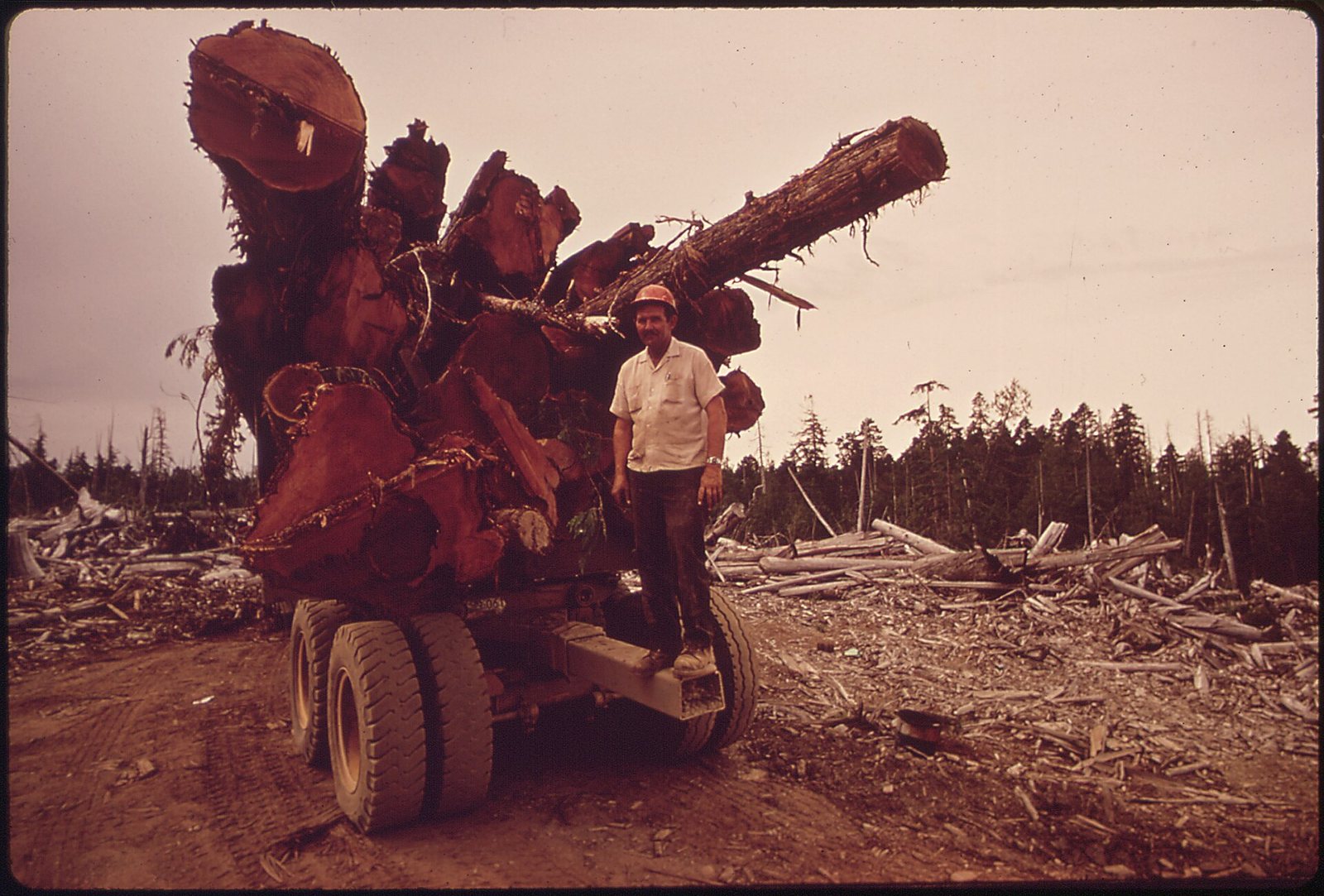
Logs at the mill gate

Felled, limbed and cut to length, then sorted by diameter and quality. Sawlogs go to the sawmill; anything too small or crooked is pulpwood and is worth roughly a third as much.

Not: Branches, tops and stumps are left in the forest.
Industrial Roundwood →

Industrial Roundwood
LOGGING TRUCK LOADED WITH CEDAR IN A CLEARCUT… · Public domain via Wikimedia Commons
03Processing

The saw line

The log is squared and broken down into boards on a pattern chosen to maximise value, not volume. Roughly half the solid wood in the log leaves as sawn lumber; the rest becomes chips, sawdust and bark, all of which are sold.

Not: About half the log volume leaves as residue rather than board.
Wood Pulp →

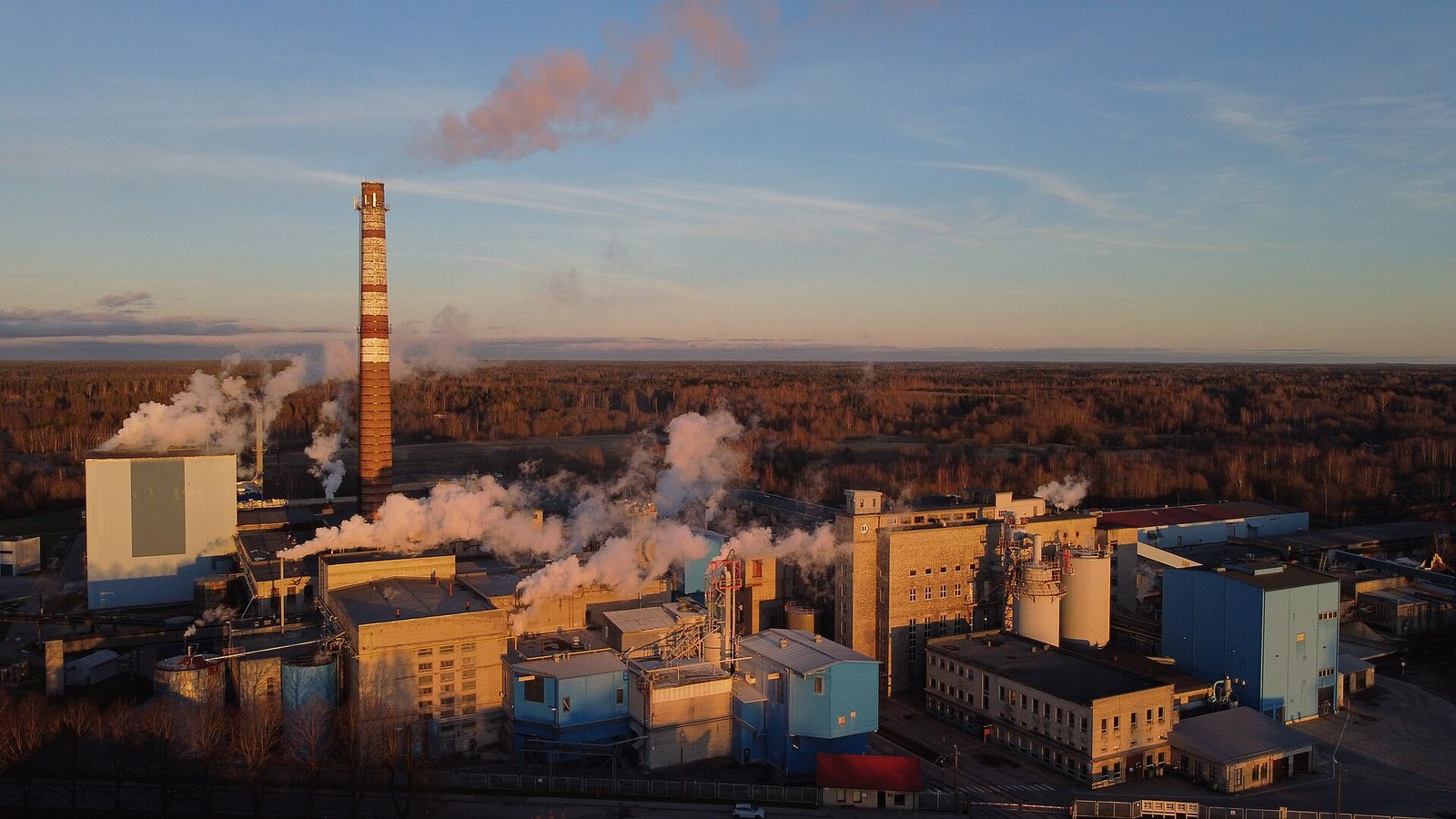
A pulp and paper mill at dusk, with steam rising from the plant
Kehra pulp and paper mill in Estonia (Novembe… · CC BY-SA 4.0 via Wikimedia Commons
04Refining

Kiln and grader

Drying to a specified moisture content stops the board moving and is what allows a standard size to mean anything. Then a grader assigns the stamp that sets the design values an engineer may assume - and therefore the price.
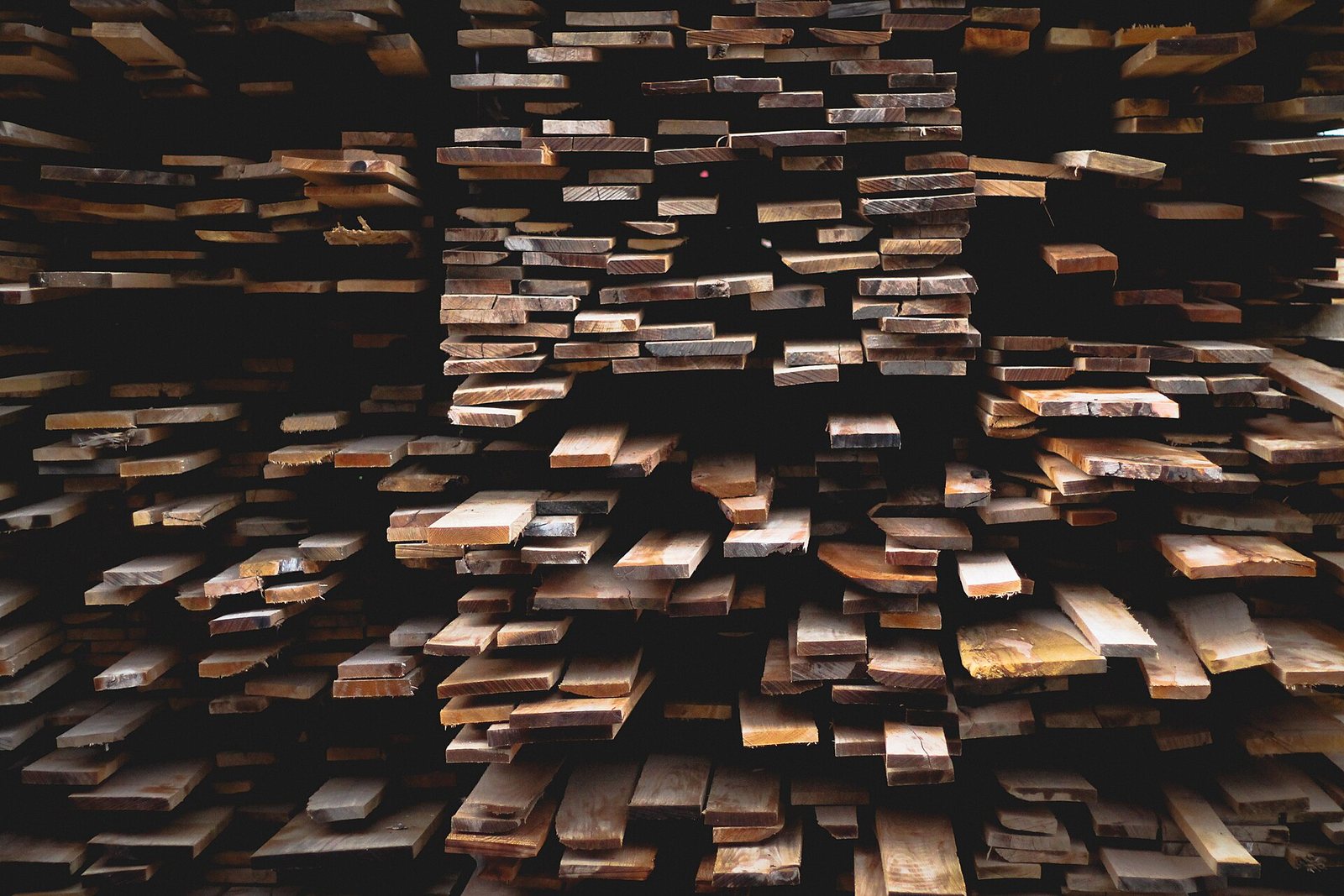
Softwood Lumber →

Sawn softwood planks stacked in a timber yard
Stacked wood planks (Unsplash) · CC0 via Wikimedia Commons
05Product

Framing lumber and panels

Sold as dimension lumber by species group and grade, alongside the sheathing panels made from the smaller trees and the residues of this same process.
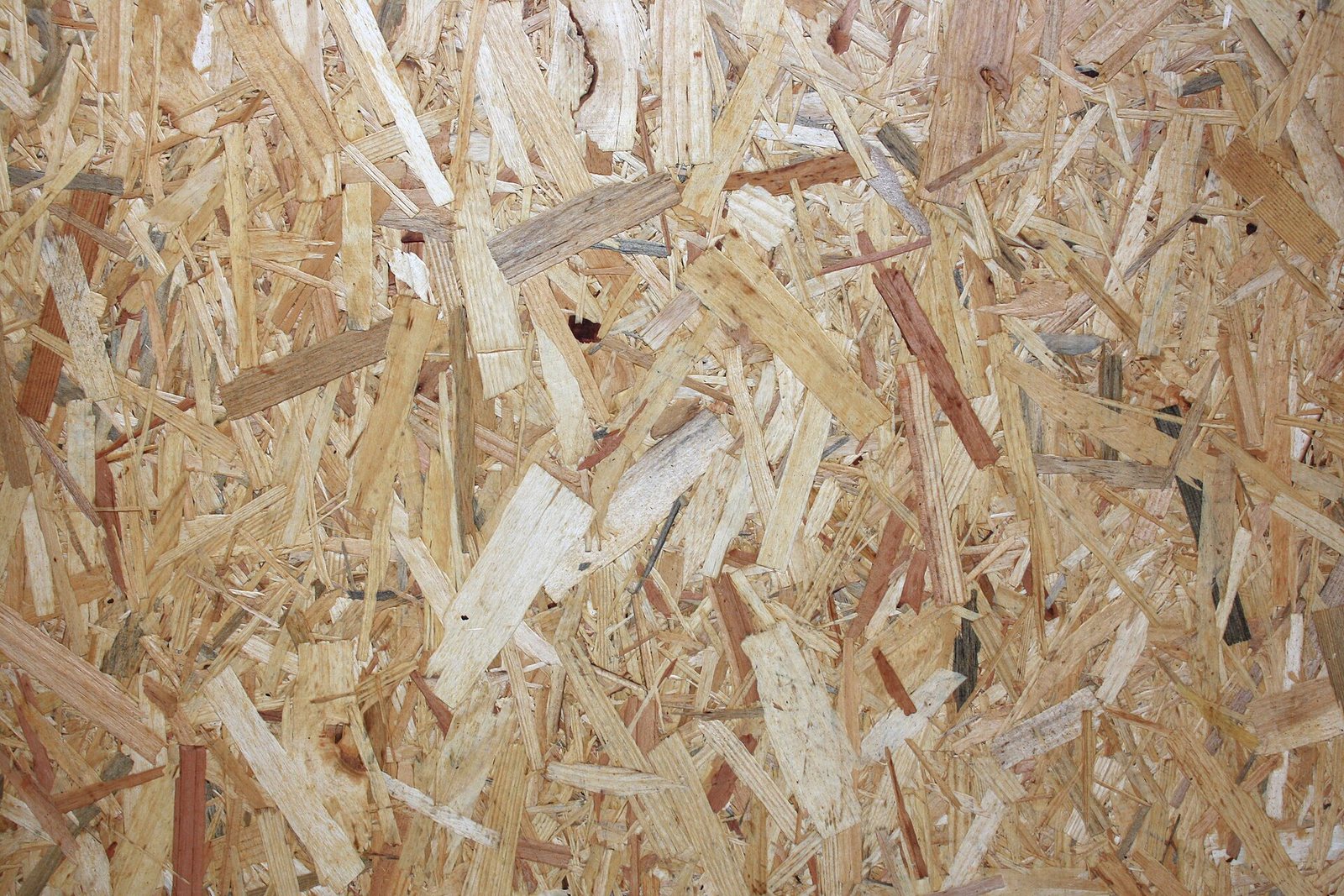
Oriented Strand Board →

Oriented Strand Board
Oriented strand board at Courtabœuf 2011 · CC BY-SA 3.0 via Wikimedia Commons
06End market

Housebuilding

Bought by builders and merchants against housing starts. Demand is cyclical and rate-sensitive, supply is fixed in the short run, and the price absorbs the difference.
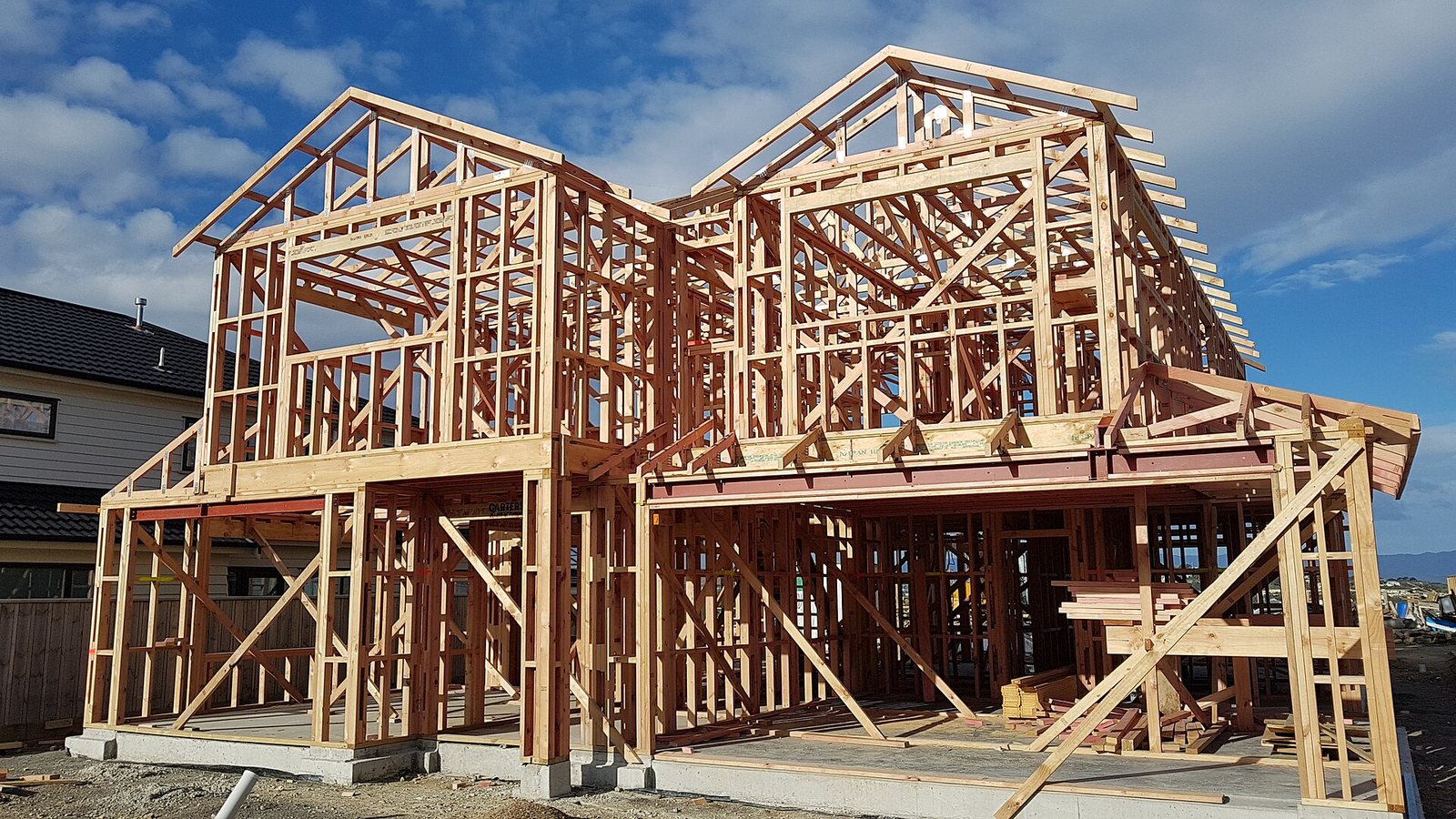
Housebuilding →

Housebuilding
Timber frame house under construction, New Zealand · CC BY-SA 4.0 via Wikimedia Commons

Materyaller

Tüm malzemeler Kritik mineraller Nadir toprak elementleri Pil malzemeleri Cevher mineralleri Periyodik tablo Tarayıcı

Zemin

Madenler ve yataklar İşleme ve rafinasyon Ülkeler Haritalar

Ekonomi

Velayet güzergâhları Tedarik zincirleri Son pazarlar Teknolojiler Şirketler Materyal hesaplayıcı

Öğren

ÖğrenSözlük Veriye SorYapay zeka ajanları Araştırma ve veriAçık API Haberler★ Kaydedildi

Hakkımızda

Hakkımızdaİletişim MetodolojiVeri kaynakları Editoryal politika Gizlilik politikasıKullanım koşulları Sorumluluk reddi